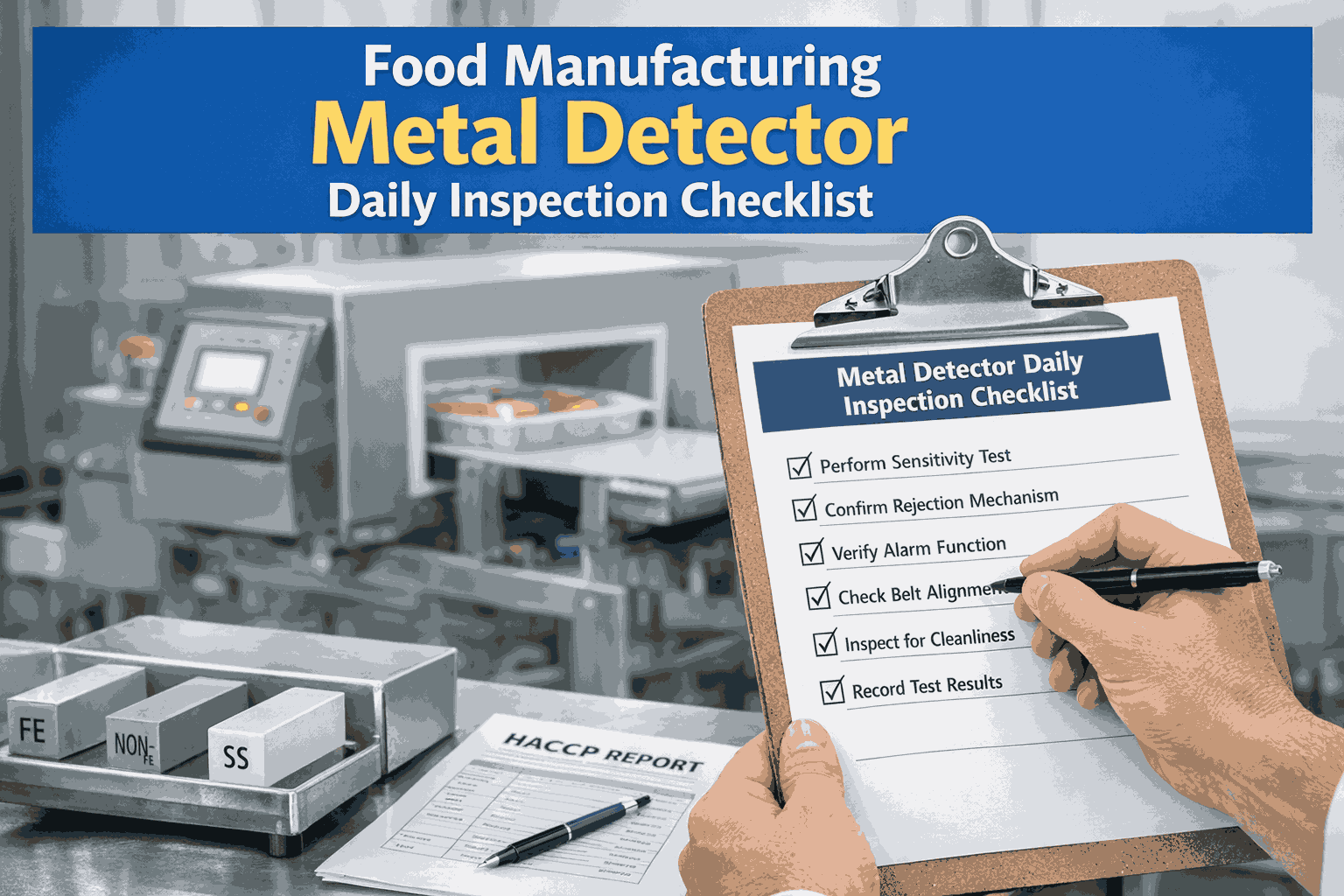
An FDA inspector reviewing a poultry processing plant asked to see their Sanitation Standard Operating Procedures—the plant manager produced a dusty binder that hadn't been updated in four years. The pre-operational sanitation logs showed the same handwriting and suspiciously identical times for three months straight. The resulting Form 483 cited inadequate SSOP documentation, triggering a Warning Letter and mandatory corrective action plan. Plants using by Signing in to digital compliance tracking maintain current procedures with timestamped verification that proves sanitation activities actually happen.
Sanitation Standard Operating Procedures are the foundation of food safety in processing facilities—required by FDA regulations and essential for controlling contamination risks. But SSOPs only work when they're current, followed consistently, and documented properly. This guide covers the eight required SSOP categories, implementation best practices, and the monitoring systems that keep facilities audit-ready. Book a demo to see how Oxmaint's Compliance & Audit Logs simplify SSOP documentation.
Compliance Guide / Food Safety
Sanitation Standard Operating Procedures (SSOP) Guide
Complete framework for implementing, documenting, and monitoring SSOPs in food processing facilities.
8Required SSOP Categories
DailyPre-Op Verification
100%Documentation Required
FDA21 CFR Part 416
What Are SSOPs and Why Do They Matter?
Sanitation Standard Operating Procedures are written procedures that food processing facilities must develop and implement to prevent direct contamination or adulteration of products. FDA requires SSOPs under 21 CFR Part 416 for meat and poultry, with similar expectations for other food categories under FSMA preventive controls.
Regulatory Requirement: SSOPs must describe procedures the facility will conduct daily, before and during operations, to prevent direct contamination or adulteration of product. They must be signed and dated by the responsible individual, and records must document implementation and monitoring.
The Eight Required SSOP Categories
FDA regulations specify eight sanitation conditions that SSOPs must address. Each category requires written procedures, daily monitoring, corrective actions when needed, and documentation. Sign Up and track all eight categories with Oxmaint.
01
Safety of Water
Water and ice that contact food or food-contact surfaces must be safe and sanitary. Includes water source protection, treatment, testing, and cross-connection control.
Monitor: Water testing records, backflow preventer inspections
02
Cleanliness of Food-Contact Surfaces
All surfaces that contact food must be cleaned and sanitized before use and after contamination. Includes equipment, utensils, gloves, and outer garments.
Monitor: Pre-op inspections, ATP swabs, visual verification
03
Prevention of Cross-Contamination
Procedures to prevent contamination from unsanitary objects, personnel, raw product, or other sources to food and food-contact surfaces.
Monitor: Traffic flow audits, handwashing compliance, product separation
04
Hand Washing & Toilet Facilities
Adequate handwashing and toilet facilities must be provided, properly supplied, and maintained. Includes soap, sanitizer, drying methods, and signage.
Monitor: Supply checks, facility cleanliness, employee compliance
05
Protection from Adulterants
Food must be protected from contamination by lubricants, fuel, pesticides, cleaning compounds, sanitizers, condensate, and other chemical or physical adulterants.
Monitor: Chemical storage audits, condensation checks, overhead inspections
06
Labeling, Storage & Use of Compounds
Toxic compounds must be properly identified, stored, and used to prevent contamination. Includes cleaning chemicals, sanitizers, and pesticides.
Monitor: Chemical inventory, storage conditions, label verification
07
Employee Health Conditions
Employees with illness, open wounds, or other conditions that could contaminate food must be excluded from food handling areas or take appropriate precautions.
Monitor: Daily health screening, wound covering verification
08
Pest Exclusion
Procedures to exclude pests from the food plant. Includes pest control contracts, monitoring devices, exclusion measures, and response to pest activity.
Monitor: Pest device inspections, activity logs, exclusion audits
Track All Eight SSOP Categories
Oxmaint's Compliance & Audit Logs organize your SSOP documentation with automated scheduling, mobile verification, and audit-ready reports.
SSOP Documentation Requirements
FDA requires specific documentation elements for SSOP compliance. Missing any component creates audit vulnerabilities. Sign Up and digitize your SSOP records with Oxmaint.
Specific steps for each sanitation activity
Responsible personnel identified
Frequency of each procedure
Chemicals and concentrations used
Signature of responsible individual
Pre-operational inspection results
Operational monitoring observations
Date and time of activities
Initials of person performing/verifying
Deviations and corrective actions
Description of non-compliance found
Immediate action taken
Measures to prevent recurrence
Product disposition if affected
Verification of effectiveness
Pre-Operational vs. Operational Monitoring
SSOPs require both pre-operational (before production starts) and operational (during production) monitoring. Each serves different purposes.
When: After sanitation, before production starts
Purpose: Verify sanitation was effective
Visual inspection of food-contact surfaces
ATP swab testing of critical areas
Equipment assembly verification
Handwashing station supply check
Chemical storage verification
Pest device inspection
When: During production activities
Purpose: Ensure sanitary conditions maintained
Employee hygiene compliance checks
Cross-contamination prevention audits
Mid-shift sanitation verification
Condensation and drip monitoring
Product protection observations
Health screening follow-up
SSOP Implementation Steps
Follow this framework to develop or update your facility's SSOP program. Schedule a consultation for implementation guidance.
1
Assess Current State
Review existing sanitation procedures against the eight required categories. Identify gaps, outdated procedures, and documentation deficiencies.
2
Write or Update Procedures
Develop detailed, site-specific procedures for each SSOP category. Include what, how, when, who, and with what chemicals/concentrations.
3
Create Monitoring Forms
Design pre-operational and operational checklists that capture required data elements. Consider digital forms for automatic timestamps.
4
Train Personnel
Train sanitation crews on procedures, monitoring staff on verification, and all employees on their roles in maintaining sanitary conditions.
5
Implement & Document
Begin daily monitoring with consistent documentation. Have responsible individual sign and date the SSOP. Maintain records per retention requirements.
6
Review & Improve
Regularly review corrective action trends, audit findings, and monitoring data. Update procedures when processes, products, or regulations change.
Streamline SSOP Compliance
Oxmaint automates SSOP scheduling, captures verification records on mobile devices, and generates audit reports instantly.
Common SSOP Deficiencies
These issues appear frequently in FDA inspection observations. Address them proactively to avoid regulatory action.
Outdated Procedures
SSOPs that don't reflect current operations, equipment, or chemical products. Review and update at least annually.
Generic Templates
Procedures copied from templates without site-specific details. SSOPs must describe YOUR facility's actual practices.
Missing Signatures
SSOPs not signed and dated by responsible individual, or daily records without proper initials and timestamps.
Incomplete Corrective Actions
Deviations noted but corrective actions not documented, or actions taken without addressing root cause prevention.
Inconsistent Monitoring
Gaps in daily records, identical entries suggesting fabrication, or monitoring not covering all required areas.
No Pre-Op Records
Operational monitoring exists but pre-operational inspections not documented or conducted before production starts.
Frequently Asked Questions
How long must SSOP records be retained?
FDA requires SSOP records be retained for at least 6 months for slaughter operations and 48 hours for other processing. However, most facilities retain records for 1-3 years to support trending analysis and audit preparation.
Sign Up in Oxmaint to store records indefinitely with instant retrieval.
Who should sign the SSOP?
The individual with overall authority on-site or a higher-level official must sign and date the SSOP. This signature indicates the facility will implement the procedures as written. Daily monitoring records are initialed by the person performing the verification.
Can digital records satisfy SSOP documentation requirements?
Yes—FDA accepts electronic records that meet 21 CFR Part 11 requirements including secure user authentication, audit trails, and data integrity controls. Digital systems like Oxmaint often exceed paper record reliability.
How often should SSOPs be reviewed?
Review SSOPs at least annually, and immediately when changes occur—new equipment, different chemicals, process modifications, or regulatory updates. Document each review even if no changes are made.
Book a consultation to establish your review schedule.
Build an Audit-Ready SSOP Program
Oxmaint helps food processors maintain compliant SSOPs with scheduled monitoring, digital verification, and instant audit reports.


-checklist.png)