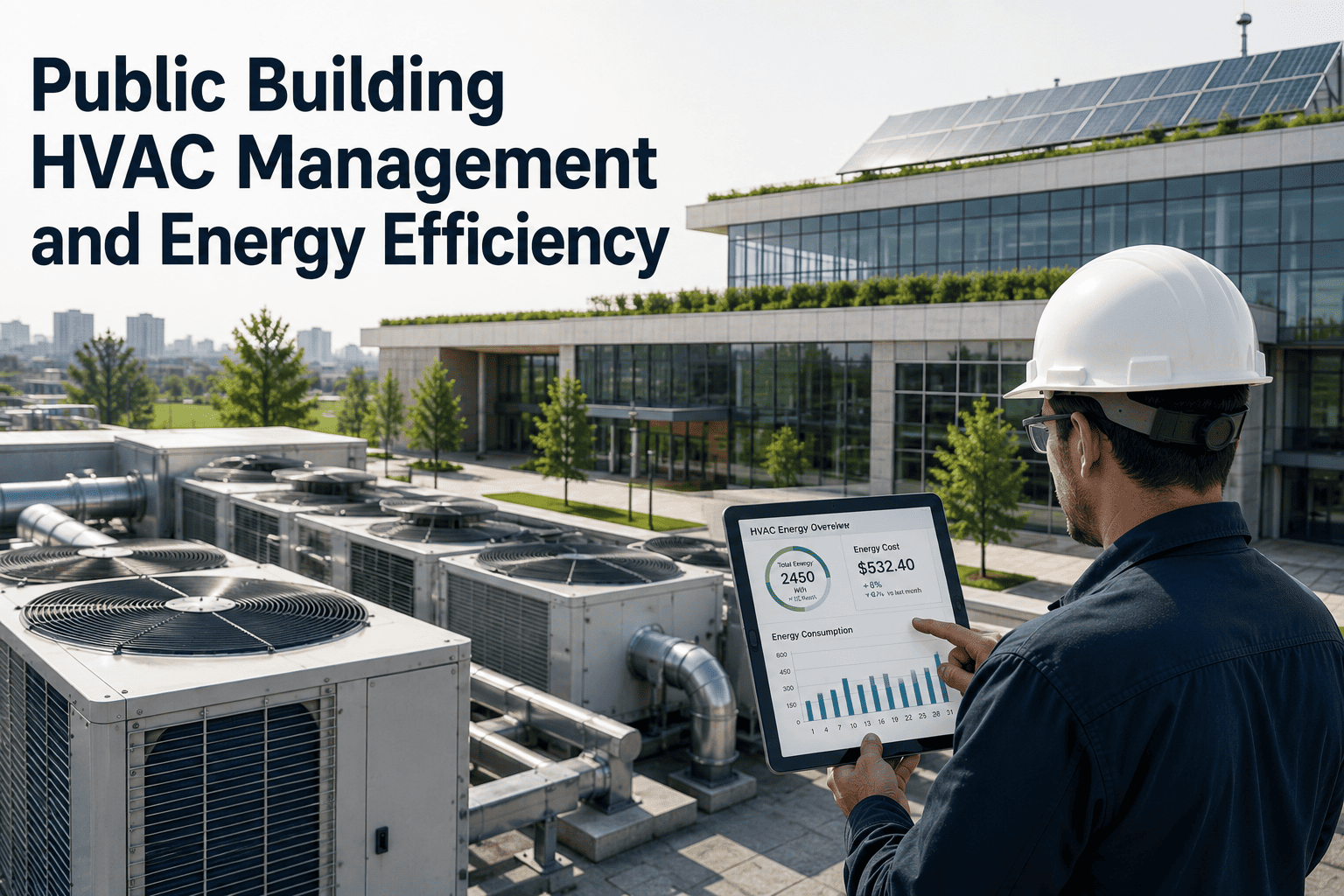
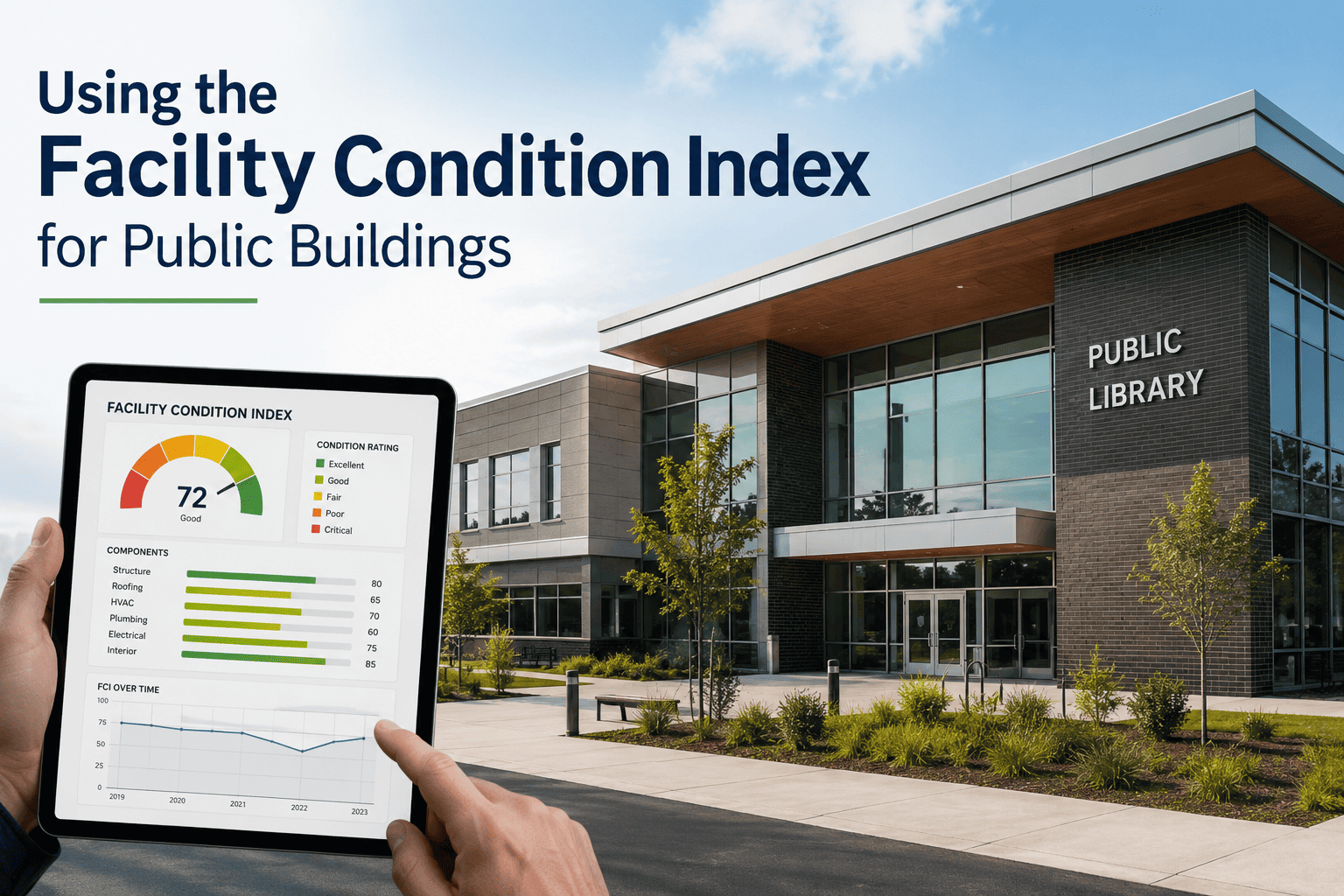
When a city manager faces the dual challenge of aging infrastructure and skyrocketing energy costs—often creating a 20% deficit in the operating budget—the traditional approach of manual HVAC scheduling and reactive maintenance is no longer sufficient. Public buildings are often the largest energy consumers in amunicipality's portfolio, yet much of that energy is wasted on conditioning empty rooms or fighting against weather patterns. The solution lies not in rebuilding, but in retrofitting with intelligence. AI-driven energy optimization transforms static buildings into dynamic assets.
The transition to smart public facilities is critical for meeting 2030 emissions targets and fiscal responsibility goals. Success requires more than just installing sensors; it demands a strategic integration of AI that predicts load, balances comfort, and optimizes equipment performance in real-time. Municipalities that treat energy data as a strategic asset—rather than a utility bill—unlock the savings needed to fund other critical community services. Talk to our team about how to optimize your facilities for energy efficiency.
From Passive Management to Active Intelligence
Effective energy optimization is not about turning things off; it's about turning intelligence on. Agencies that achieve Net Zero targets use AI to digest vast amounts of data—weather forecasts, occupancy patterns, and utility rate structures—to make split-second decisions. This predictive capability allows buildings to "pre-cool" before peak pricing hits or "coast" during periods of low occupancy, maintaining comfort while slashing costs.
The core of an optimized facility is the feedback loop. It connects the physical reality of the building (e.g., zone temperatures, airflow) to the computational power of the cloud. Facility managers are no longer reacting to "hot/cold calls"; they are overseeing a self-correcting system. By leveraging data from your Building Automation Systems (BAS), you can provide the evidence needed to justify capital improvements and validate savings. Book a demo to see AI in action.
Building a Smart Facility — A Maturity Framework
Becoming a "smart city" starts with smart buildings. This requires a progressive approach to digital maturity. The following framework outlines the essential capabilities for high-performing municipal energy management, moving from manual intervention to autonomous optimization.
The Optimization Lifecycle
Energy optimization is a continuous journey, not a one-time project. It follows a cycle of learning, acting, and refining. High-performing facilities use AI to constantly probe for inefficiencies, ensuring that savings persist over time and equipment drift is corrected immediately.
Measuring Success: KPIs for Energy Programs
To justify the investment in AI optimization, you must measure the outcomes. Tracking KPIs allows you to prove the value of smart building initiatives. These metrics help you refine your strategy, catch degrading equipment early, and demonstrate environmental stewardship to the community. Schedule a demo to learn more.
Expert Review: The Case for AI in Public Works
We used to run our boilers and chillers on fixed schedules, 24/7, regardless of occupancy. It was wasteful and expensive. When we deployed AI-driven load balancing, the system began 'learning' our buildings. It knew a cold front was coming before we did and adjusted the heating ramp-up time accordingly. We didn't just save 25% on energy; we extended the life of our mechanical assets by reducing short-cycling and wear and tear.
The strategic application of AI is a force multiplier for public works departments. By automating energy decisions, cities can reinvest operational savings into community improvements. The key is to start with a solid data foundation and scale up to predictive control. Sign up for Oxmaint to streamline your asset management.
Conclusion: From Waste to Wisdom
The difference between a smart city and a struggling one often lies in how efficiently it manages its resources. Energy optimization shouldn't be a passive hope for mild weather; it should be an active, algorithmic pursuit of efficiency. By deploying AI to manage HVAC loads, integrating real-time data, and maintaining a focus on occupant comfort, your municipality can lead the way in sustainability.
Don't burn budget on wasted energy. Start building your optimization engine today. Equip your facilities team with the tools they need to run smarter.