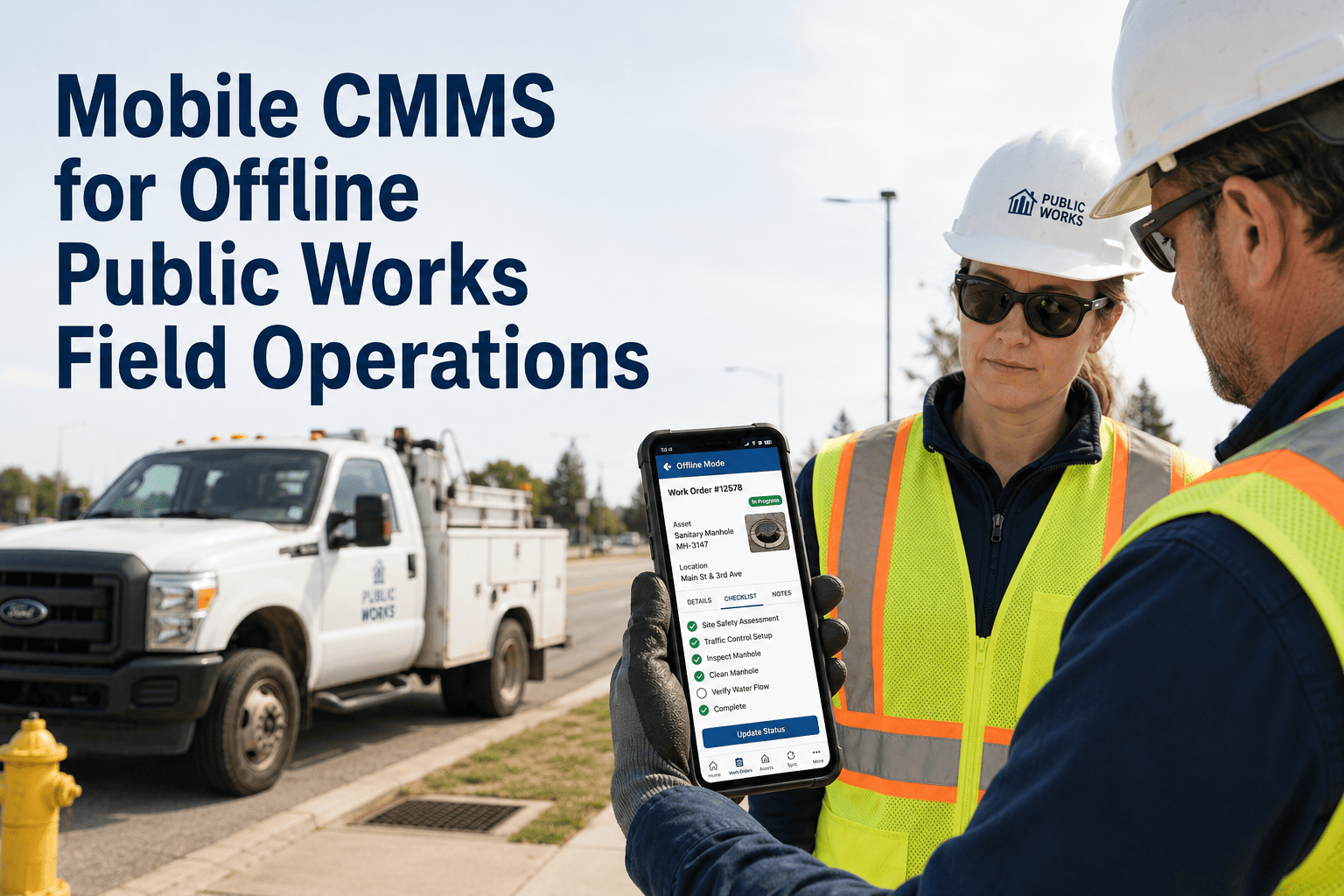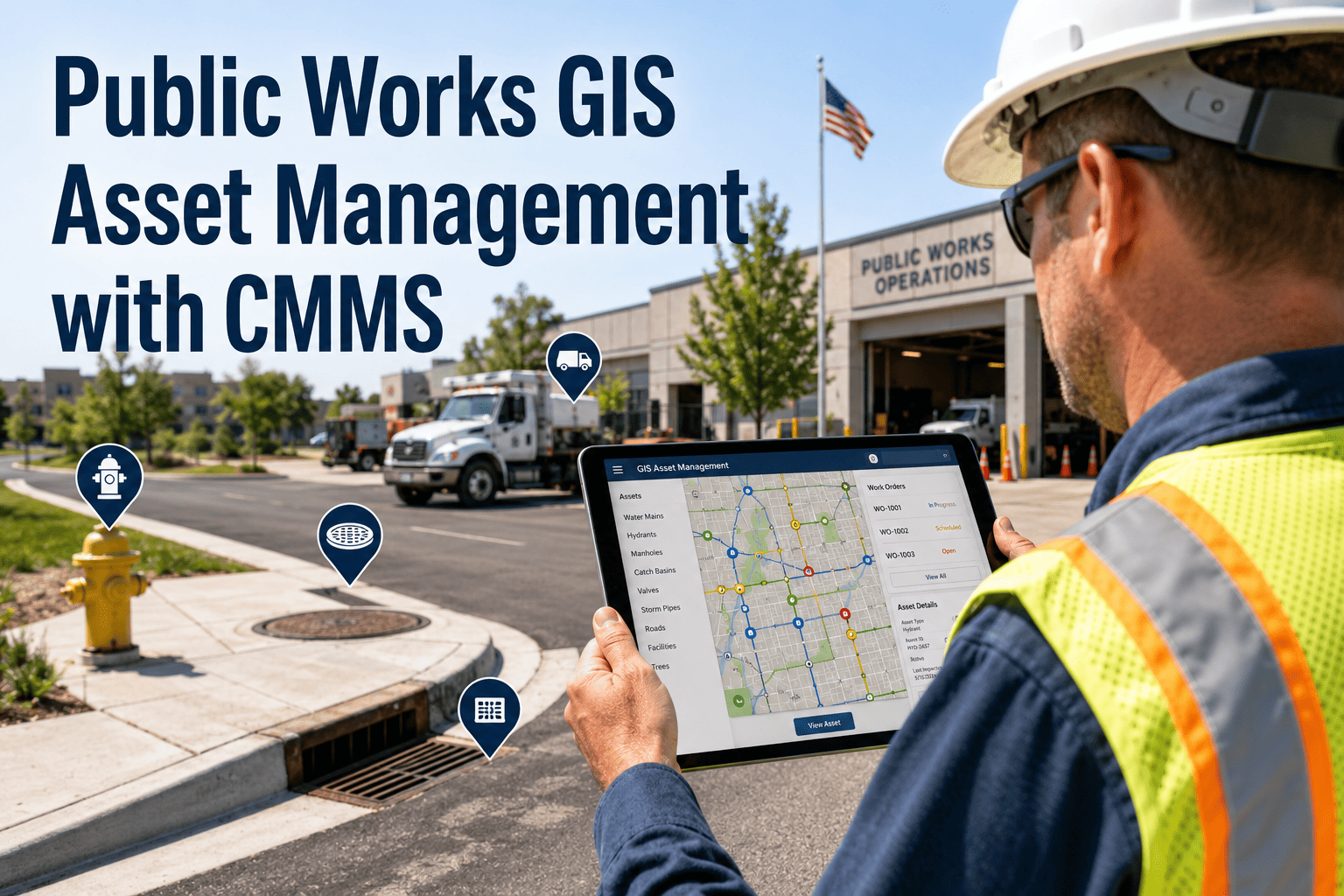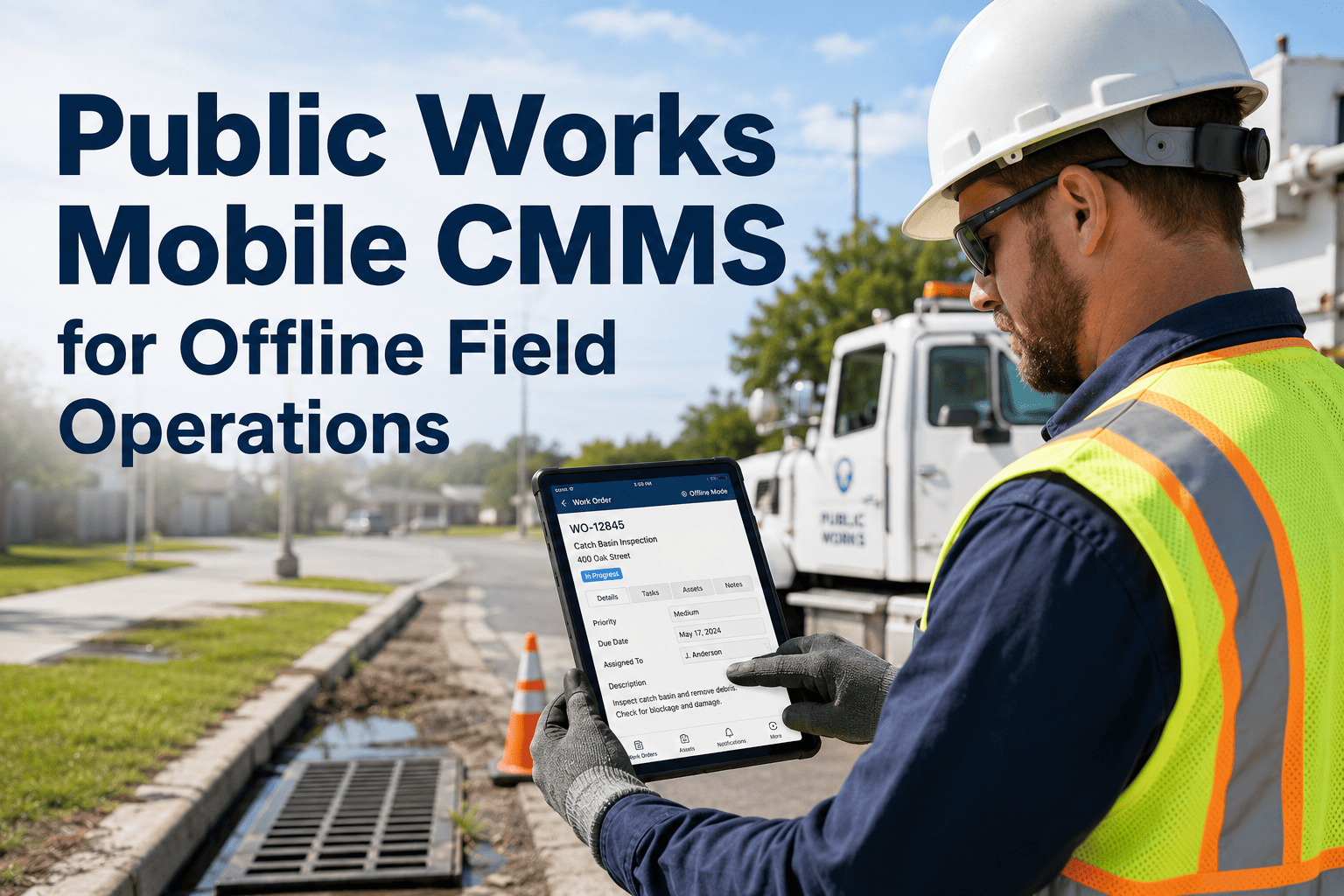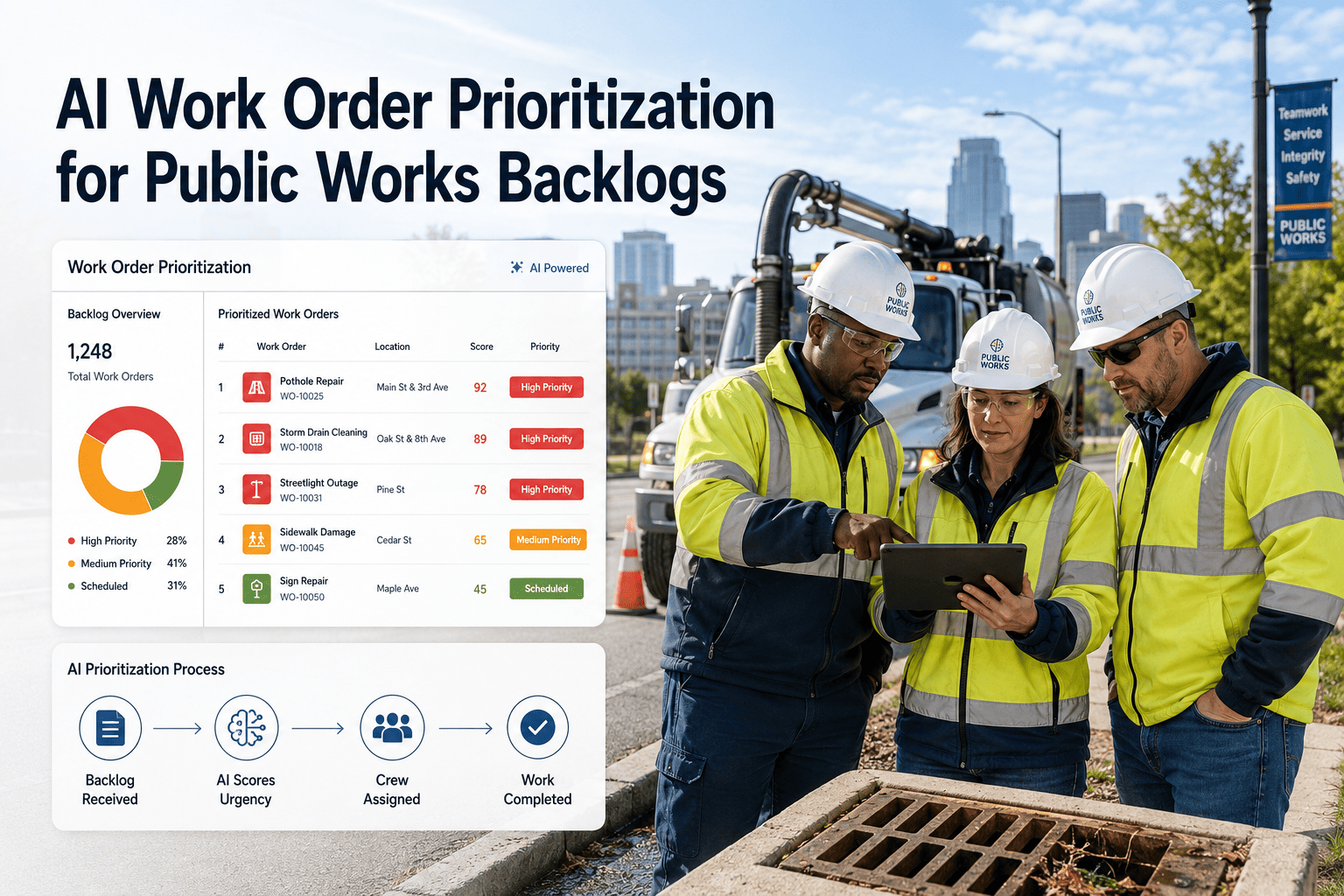
Public works departments rarely struggle to find work — they struggle to decide what to do first. A cracked sidewalk, a flickering streetlight, an overdue HVAC filter change, and a citizen complaint about a pothole all land in the same queue, and crews end up working whatever came in last rather than what matters most. OxMaint's AI prioritization engine scores every open item by risk, location, asset criticality, and crew availability so your team always tackles the right job first. Book a free demo to see it applied to your current backlog.
Turn an Overwhelming Backlog Into a Ranked, Actionable List
The average mid-size public works department carries hundreds of open work orders at any given time — spanning roads, facilities, parks, fleet, and utilities. Without a consistent prioritization method, the loudest complaint often wins over the most urgent safety issue. OxMaint applies the same scoring logic across every department, so a pothole near a school and an HVAC fault in a server room are weighed on the same scale of risk and consequence.
From a Flat List to a Smart Queue
What Drives the Prioritization Engine
Jobs near each other are grouped so crews can complete multiple tasks in a single trip, cutting travel time across the day.
Each asset carries a criticality weight — a fire station pump ranks above a park bench, even if both requests arrived the same day.
Time-bound requests automatically rise in rank as their SLA deadline approaches, preventing missed commitments.
Open work orders are matched against available crew skills and shift hours, avoiding overloaded schedules.
What Changes Once Prioritization Is Automated
| Metric | Before Automation | After Automation |
|---|---|---|
| Avg. time to close high-risk request | 5-7 days | 1-2 days |
| SLA compliance rate | 65-75% | 90%+ |
| Crew travel time per shift | High, unplanned routing | Reduced via clustering |
| Backlog visibility for managers | Manual spreadsheet review | Live ranked dashboard |
What Industry Experts Say
Agencies that adopt risk-based work order prioritization consistently report faster closure of safety-critical requests without increasing total staffing, as scoring models redirect existing crew capacity toward higher-consequence tasks first.
Data-driven scheduling that accounts for asset criticality and geographic clustering has been shown to meaningfully reduce response times for high-priority municipal service requests while lowering overall fleet mileage.
Frequently Asked Questions
Stop letting the loudest request win. OxMaint ranks every open item by real risk and impact, so your team's time always goes where it counts.