Every municipal road follows a predictable decline, and the agencies that catch that decline early spend a fraction of what the ones that wait end up paying later. Research from the National Park Service, Rutgers CAIT, and FP2 all converge on one number: a dollar spent on pavement preservation returns six to ten dollars in avoided rehabilitation costs. The hard part for most public works engineers is not believing that preservation works, it's knowing exactly which treatment fits which road, and catching the narrow window before a pavement slides from fair into poor condition. This guide walks through the treatments, the timing, and the true cost of missing that window, and shows how Oxmaint helps engineering teams track pavement condition and preservation schedules from one dashboard.
Roads, Bridges & Pavement
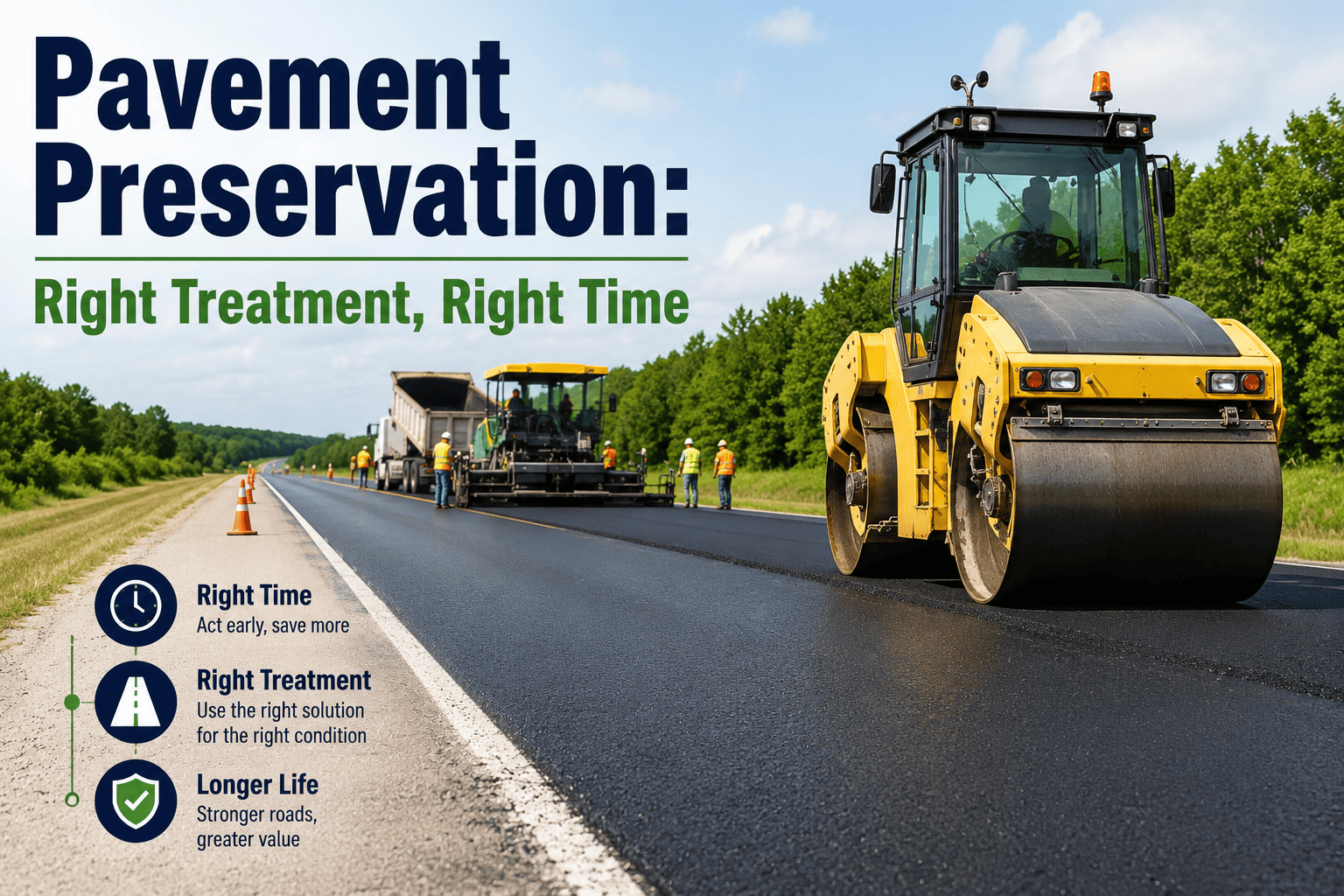
Pavement Preservation: The Right Treatment, At The Right Time
Skip the guesswork on when to seal, resurface, or overlay. See the treatment windows, the cost curve, and the schedule that keeps your network out of the reconstruction pile.
$1 : $6-10
Return on every preservation dollar
3-8 Yrs
Life added per correctly timed treatment
40%
Condition lost in the final 12% of life
Hours
Before roads reopen after most treatments
Why Timing Beats Everything Else
75% of life
A pavement spends most of its service life in gradual decline, losing only about 40% of its condition over this stretch. This is the window where low-cost preservation treatments work best.
Final 12% of life
Deterioration accelerates sharply, and the same 40% drop in condition happens in a fraction of the time. Once a road crosses this point, preservation treatments no longer hold, and reconstruction becomes the only option.
Treatment Window Guide: What To Apply, And When
| Treatment |
Best Applied |
What It Does |
Life Added |
| Crack Sealing |
Years 1-3 |
Blocks water and debris from entering joints and early cracks |
3-5 years |
| Fog Seal / Rejuvenation |
Years 3-7 |
Restores flexibility to aged asphalt binder before raveling starts |
3-5 years |
| Chip Seal |
Years 5-8 |
Rebuilds surface friction and seals the pavement against moisture |
5-7 years |
| Slurry Seal / Micro Surfacing |
Years 7-10 |
Corrects minor rutting and restores ride quality with fast reopening |
5-8 years |
| Thin Overlay |
Years 8-12 |
Adds a new wearing surface over a structurally sound base |
8-10 years |
| Reconstruction |
After the window is missed |
Full removal and rebuild once structural failure has occurred |
Resets life at 5-10x the cost |
Preservation Treatments At A Glance
01
Crack Sealing
The lowest-cost, earliest intervention. Applied to non-working cracks before water and incompressible material can infiltrate the base layer.
02
Rejuvenating Fog Seal
An emulsion that penetrates the top layer of asphalt to restore the binder's flexibility, slowing oxidation before it turns into raveling.
03
Chip Seal
A protective aggregate layer that renews skid resistance and shields the surface from moisture on roads showing early wear.
04
Micro Surfacing & Slurry Seal
Among the most cost-effective surface treatments available, correcting minor distress while allowing traffic to return within hours.
05
Thin Overlay
A new wearing course placed over a structurally sound pavement, used when the surface has worn past what surface seals can fix.
06
Structural Rehabilitation
Reserved for pavements that missed every preservation window. Deeper repair, higher material volume, and far higher cost per mile.
Preservation Planning
Stop Guessing Which Road Needs Treatment Next
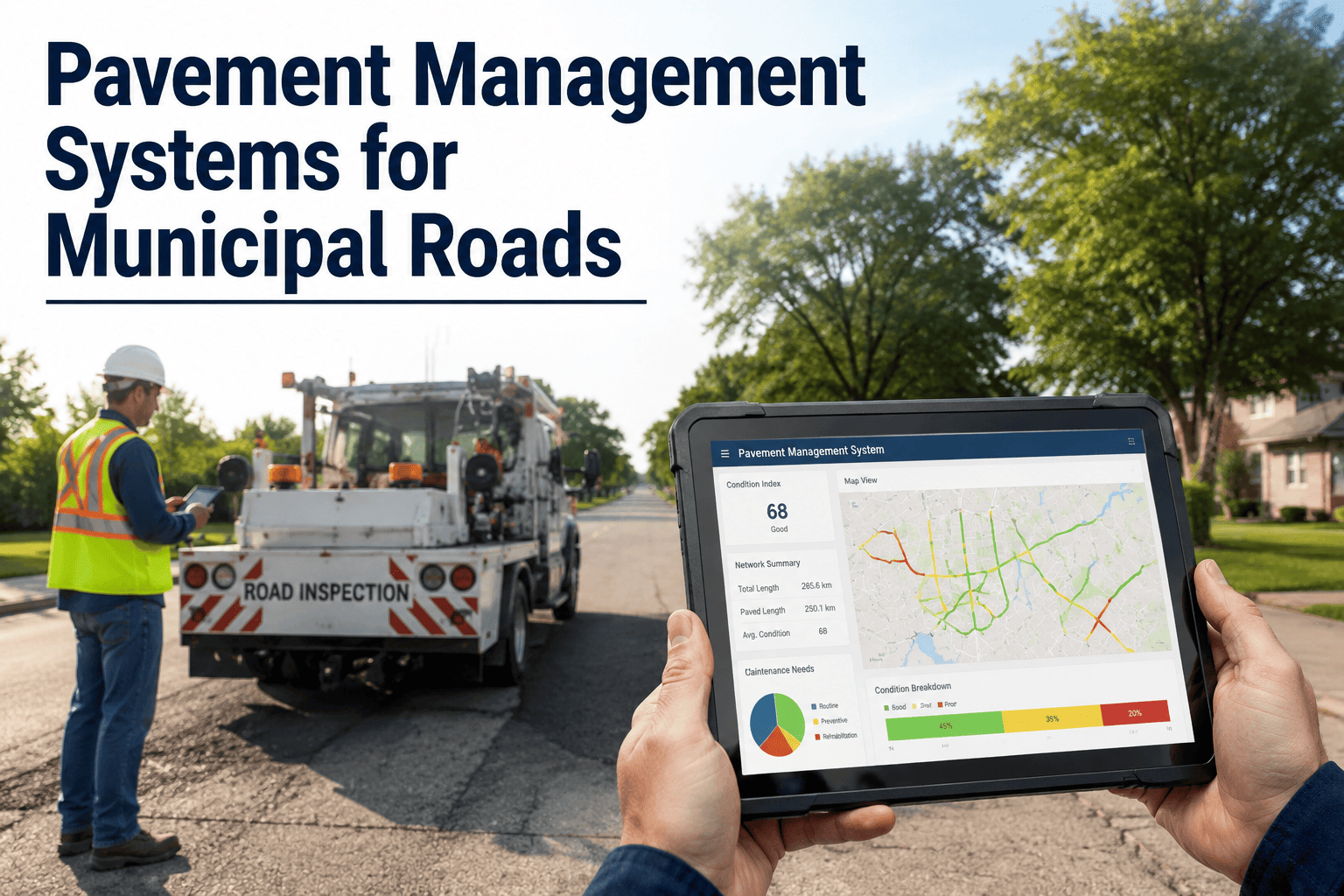
Oxmaint tracks pavement condition, treatment history, and due dates by segment, so your team applies the right fix before a road crosses into expensive territory.
The Math Behind Preservation
$6 - $10
Avoided in future rehab or rebuild
Agencies that prioritize roads in fair-to-good condition, rather than the roads in the worst shape, consistently see the largest network-wide savings, because preservation treatments only hold on pavements that have not yet crossed into structural failure.
Public works departments that build a preservation calendar around pavement age, rather than visible complaints, consistently spend less per lane-mile over a ten-year period. Reactive maintenance concentrates spending on the roads that have already failed, while a scheduled preservation program spreads low-cost treatments across the network before failure occurs, protecting far more lane-miles for the same budget.
Municipal Pavement Management Practice, Public Works Engineering
Frequently Asked Questions
How do we know which roads are still eligible for preservation instead of rehab?
Pavement condition index scores, crack pattern, and rutting depth together indicate whether a road is still in the preservation window. Oxmaint tracks condition by segment so you can see this at a glance.
Start a free trial to see condition tracking on your own network.
Can a preservation schedule be built around our existing paving budget?
Yes. Preservation programs are typically built as a rolling multi-year plan that treats a portion of the network each year based on age and condition, rather than waiting for full-budget rehab cycles.
Book a demo to walk through a sample schedule.
What happens if a treatment is applied too early or too late?
Applying a surface treatment too early wastes budget on a road that did not need it yet, while applying one too late means the treatment will not bond or hold, and the road proceeds straight to costly reconstruction.
How long do roads stay closed during preservation treatments?
Most surface treatments, including chip seal, slurry seal, and micro surfacing, allow traffic to return within hours rather than the days or weeks required for full-depth reconstruction work.
Can Oxmaint track treatment history across multiple road segments?
Yes. Every segment carries its own treatment history, cost record, and next-due date, giving engineers a full pavement lifecycle view instead of scattered spreadsheets.
Explore the platform to see segment tracking in action.
Ready When You Are
Build A Preservation Program That Actually Holds The Line
Track condition, schedule treatments, and prove ROI on every mile of pavement your agency maintains, all from one system built for public works teams.