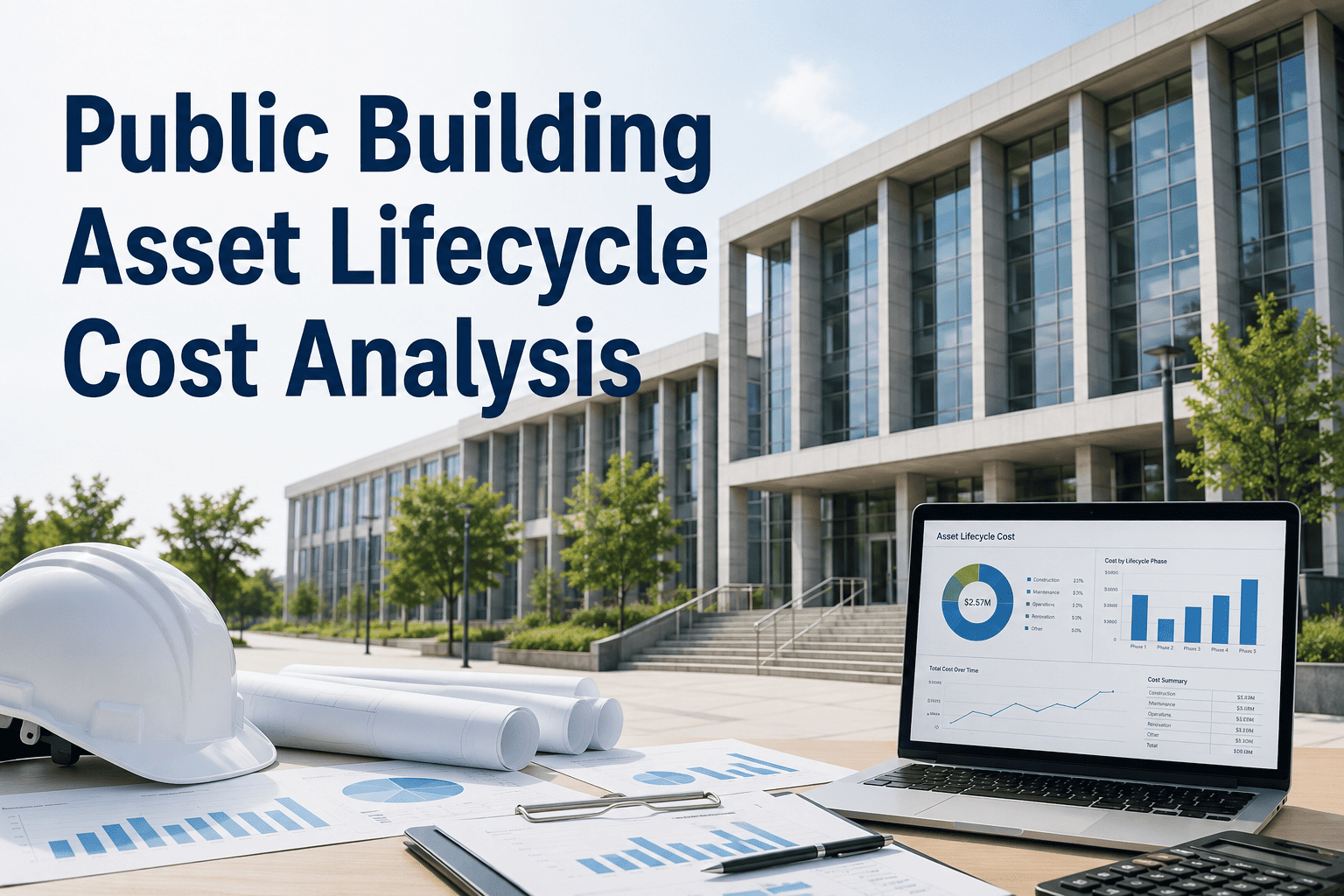
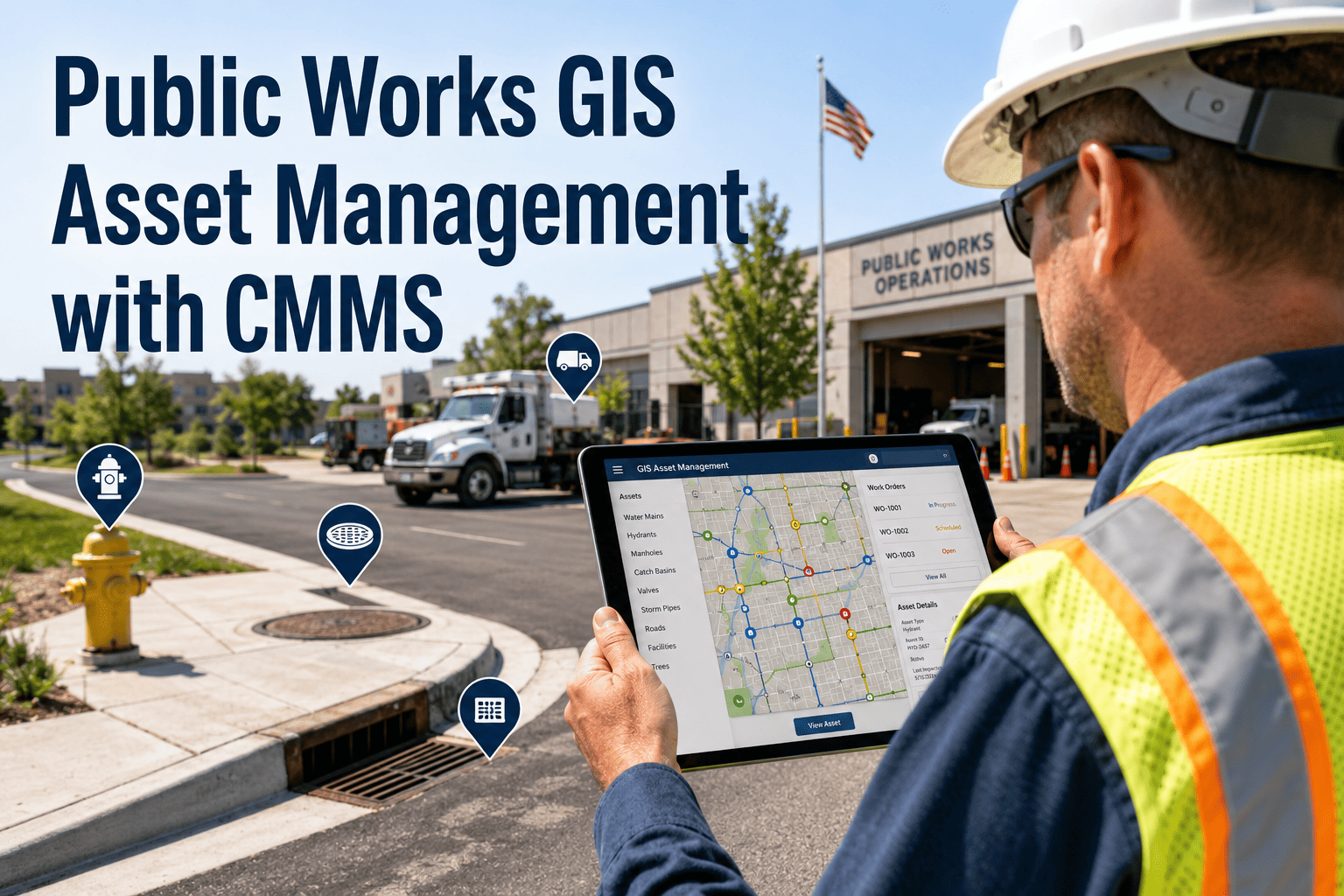
Every roof, HVAC unit, elevator, and electrical panel in a public building follows a lifecycle — and ignoring that lifecycle costs governments millions in emergency replacements, deferred maintenance debt, and capital budget surprises. OxMaint AI gives public sector asset managers the lifecycle cost data they need to plan capital investments intelligently, extend asset life through optimal maintenance, and justify budget requests with evidence that elected officials and finance teams can trust.
P1 — Critical
Capital Planning
Asset Lifecycle Management
The Hidden Cost of Ignoring Asset Lifecycles
The American Society of Civil Engineers estimates the US public building infrastructure funding gap at over $85 billion annually. Most of this gap is not a revenue problem — it is a planning problem. Without lifecycle cost data, agencies cannot prioritize which assets to replace versus repair, cannot time capital expenditures to budget cycles, and consistently overspend on emergency responses to predictable failures.
Emergency replacement: 3–4x planned cost
Scheduled replacement: budget-year precision
No asset age or condition data
Full asset register with install dates and condition scores
Capital requests based on complaints
Capital requests backed by lifecycle cost projections
No cross-building spend visibility
Portfolio-wide cost-per-asset benchmarking
Deferred maintenance accumulates silently
Deferred maintenance tracked and flagged by financial risk
CAPITAL PLANNING INTELLIGENCE
Stop Guessing When Assets Will Fail — Know It Years in Advance
OxMaint's asset lifecycle module tracks condition scores, maintenance history, and replacement cost projections across every public building in your portfolio.
Asset Lifecycle Cost Benchmarks: Public Buildings
| Asset Type |
Typical Useful Life |
Avg Replacement Cost |
PM Extends Life By |
| HVAC System (commercial) |
15–20 years |
$25,000–$150,000 |
3–5 years |
| Roof (flat membrane) |
20–25 years |
$8–$14 per sq ft |
5–8 years |
| Elevator (traction) |
25–30 years |
$75,000–$125,000 |
4–6 years |
| Electrical Switchgear |
30–40 years |
$50,000–$200,000 |
5–10 years |
| Plumbing Infrastructure |
25–40 years |
Varies widely |
3–7 years |
| Fire Suppression System |
20–25 years |
$35,000–$90,000 |
2–4 years |
Expert Review
Expert Insight
Patricia Morales, CPFM
Director of Capital Planning, State Facilities Management — 24 Years Experience
"The most dangerous phrase in public sector facilities is 'we'll deal with it when it breaks.' I've seen 15-year-old chillers replaced as emergencies at four times the planned cost simply because no one tracked the maintenance history or planned for end-of-life. Lifecycle cost analysis is not just a finance tool — it is risk management. When you can show a capital committee a building asset register with remaining useful life projections and maintenance cost trends, your budget requests become conversations, not fights."
Frequently Asked Questions
How does OxMaint calculate remaining useful life for existing assets?
OxMaint combines install date, manufacturer lifecycle data, and actual maintenance history to calculate a condition-adjusted remaining useful life estimate for each asset. The system flags assets approaching end-of-life thresholds for capital planning review, allowing budget officers to plan replacements in advance.
Sign up free to begin building your asset register.
Can OxMaint support multi-building public portfolio capital planning?
Yes. OxMaint is designed for portfolio-level asset management, allowing public agencies to track assets across multiple buildings, campuses, or jurisdictions in a single platform. Capital planners can view consolidated lifecycle cost projections, sort assets by replacement priority, and export data for budget submission formats.
Book a demo to see the portfolio view.
Does lifecycle tracking help with grant applications and federal funding requests?
Absolutely. Federal infrastructure grants through programs like RAISE, BRIC, and state revolving funds increasingly require documented asset condition assessments and lifecycle cost analyses as part of the application. OxMaint's exportable reports provide the structured data format that grant reviewers expect, strengthening funding applications with objective asset condition evidence.
What is the difference between reactive maintenance cost and lifecycle-managed maintenance cost?
Industry data consistently shows that reactive maintenance costs 3 to 4 times more per incident than planned preventive maintenance for the same asset type. Over a 10-year period, a proactively managed HVAC portfolio typically reduces total spend by 25–35% compared to a reactive approach, while also reducing equipment downtime, occupant complaints, and emergency procurement costs.
MAKE THE BUSINESS CASE
Your Next Budget Cycle Starts Now — Build the Asset Data That Wins Capital Approvals
OxMaint gives public sector teams the lifecycle cost intelligence to plan smarter, spend less on emergencies, and deliver infrastructure that serves communities for decades.