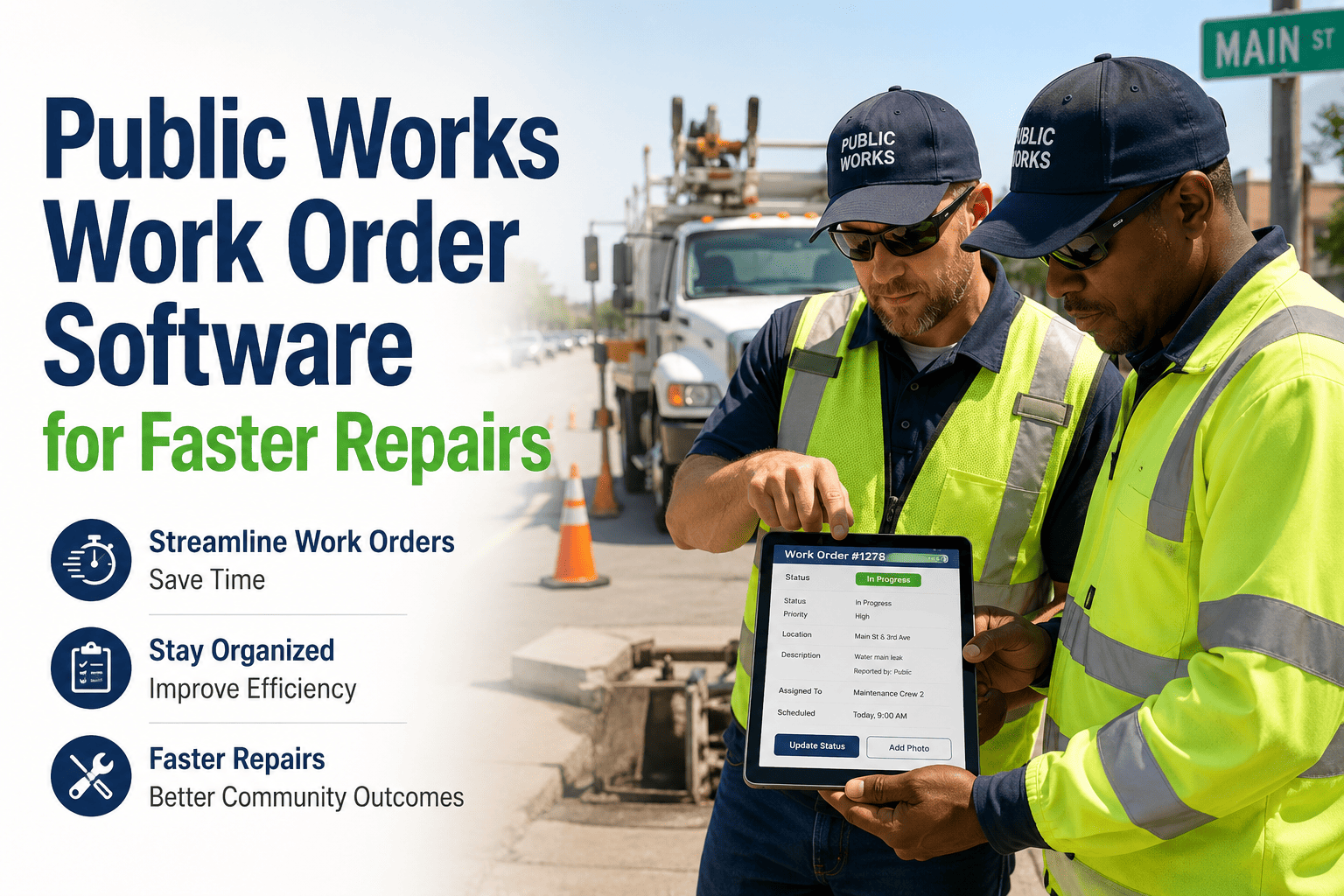
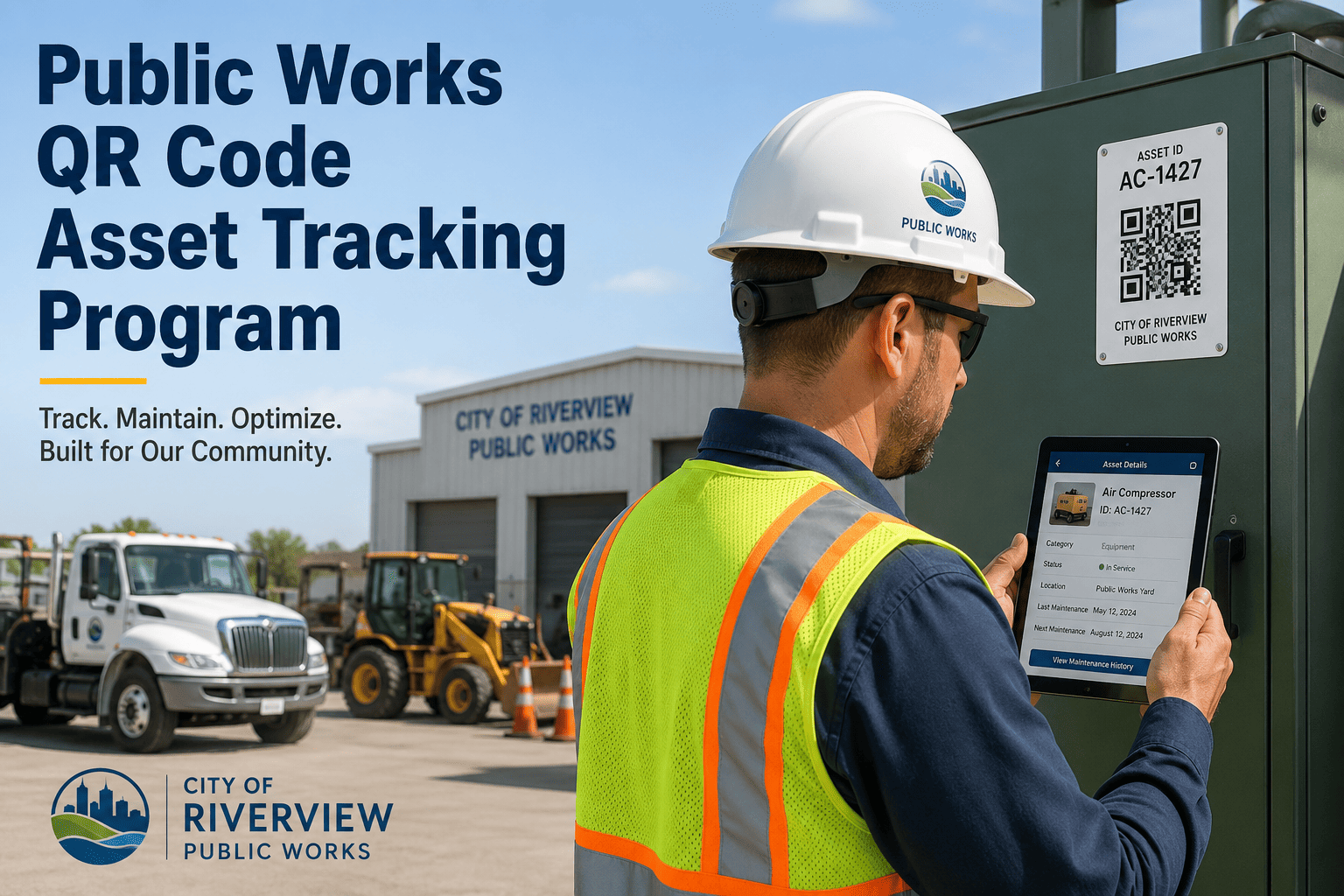
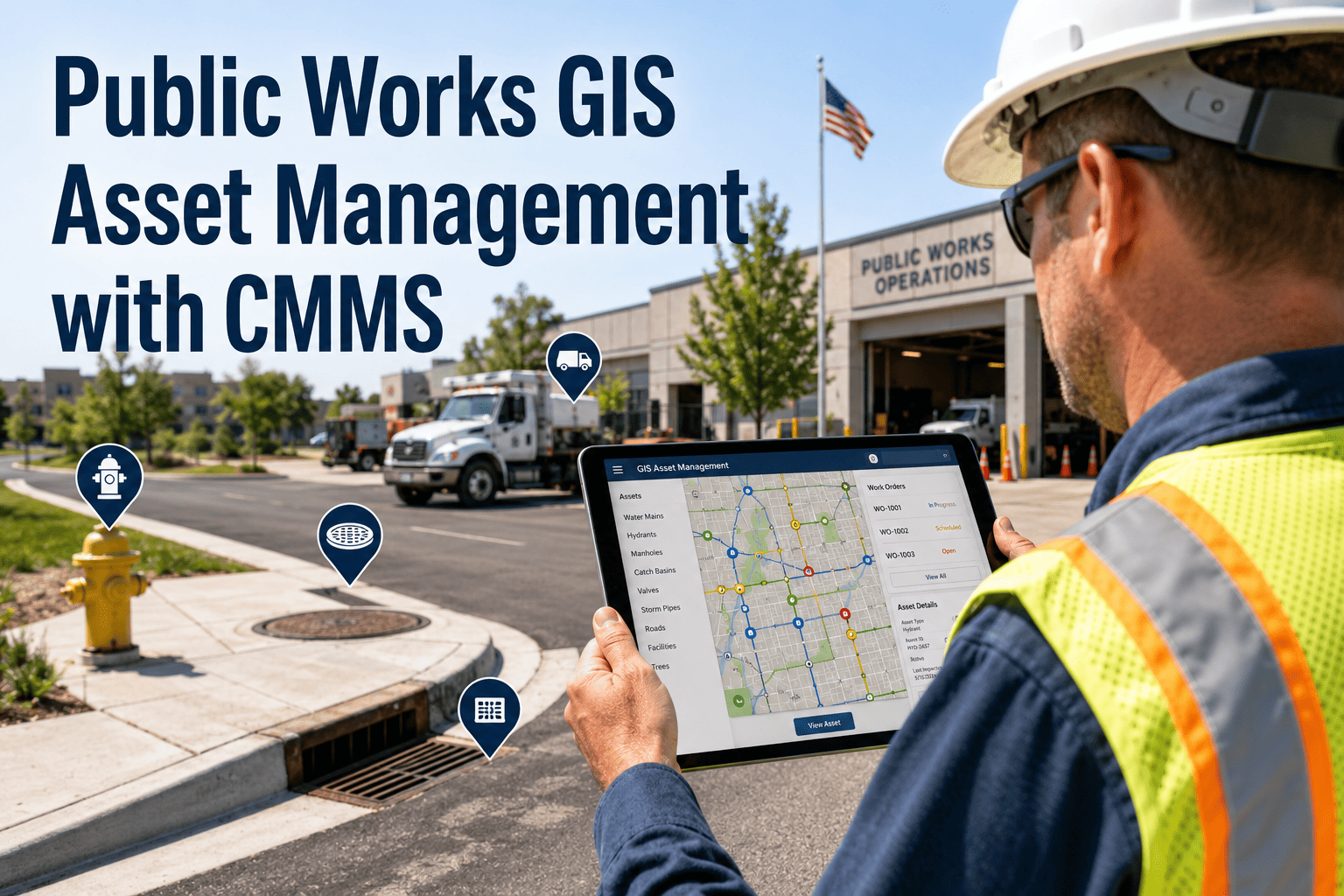
When a citizen files a pothole complaint, reports a broken streetlight, or flags a park facility in disrepair — the clock starts ticking. Government maintenance teams that miss SLA deadlines face public complaints, escalations to elected officials, and eroding community trust. OxMaint AI gives municipal maintenance departments the tools to track every citizen request from intake to resolution, with SLA dashboards that keep accountability visible at every level of government.
P1 — Critical Priority
Citizen Services
Analytics & Reporting
The SLA Accountability Gap in Public Maintenance
71%
of citizens rate government responsiveness to maintenance requests as "poor" or "very poor"
18 days
average resolution time for non-emergency citizen maintenance requests in US municipalities
52%
of requests are never formally tracked — resolved informally or lost in email chains
The core problem is not a lack of work ethic — it is a lack of systems. Most municipal maintenance teams operate with reactive workflows, no centralized request tracking, and no automatic SLA escalation when deadlines are missed. OxMaint changes this by converting citizen requests into structured work orders with defined timelines, assigned ownership, and real-time status visibility.
SLA Framework: Standard Government Response Benchmarks
| Request Type |
Industry SLA Standard |
Common Actual Time |
OxMaint Alert Trigger |
| Emergency safety hazard |
2–4 hours |
4–12 hours |
Immediate escalation at 1 hour |
| Streetlight / traffic signal failure |
24–48 hours |
3–7 days |
Alert at 20-hour mark |
| Pothole / road defect |
5–10 business days |
15–30 days |
Alert at day 4, escalate at day 8 |
| Park / recreation facility repair |
10–15 business days |
30–60 days |
Supervisor alert at day 12 |
| Facility ADA compliance issue |
72 hours — legal requirement |
Often missed entirely |
Immediate priority flag + escalation |
CITIZEN REQUEST MANAGEMENT
Every Citizen Request Deserves a Resolution — Not a Black Hole. OxMaint Ensures Both.
Automate work order creation from citizen intake, assign SLA timelines, escalate missed deadlines, and publish resolution status — all from one platform.
How OxMaint SLA Tracking Works
1
Citizen Request Intake
Web portal, mobile app, or 311 integration converts reports into structured work orders with location, category, and priority classification
2
Auto-Assignment & SLA Clock Start
OxMaint assigns the work order to the correct department and starts the SLA countdown timer based on request type and jurisdiction rules
3
Escalation Alerts
Automated notifications alert supervisors at configurable thresholds — ensuring no request silently exceeds its deadline without management awareness
4
Resolution & Reporting
Completion is documented with photos, technician sign-off, and auto-notification to the original requester — closing the accountability loop
Expert Review
Expert Insight
Sandra Whitfield, MPA
Director of Public Works — 16 Years, Municipal Government
"The political pressure around citizen maintenance requests is real and constant. Council members call about specific potholes and park benches, and without a tracking system, you cannot defend your department's performance. Once we implemented SLA-based work order management, we reduced our average resolution time by 44% in six months. More importantly, we could show elected officials and the public a dashboard proving we were improving. Accountability needs data, and data needs a system."
Frequently Asked Questions
How does OxMaint integrate with existing 311 citizen request systems?
OxMaint supports API integration with major 311 platforms and CRM systems used by municipal governments. Citizen requests submitted via 311 are automatically converted to OxMaint work orders with SLA timers assigned based on pre-configured request type rules.
Book a demo to discuss your specific integration requirements with our government team.
Can OxMaint publish SLA performance data for public transparency reporting?
Yes. OxMaint generates exportable performance reports showing SLA compliance rates, average resolution times, and department-level metrics that can be shared in city council presentations, annual reports, or public dashboards. Transparency in government maintenance performance builds citizen trust and reduces political pressure on public works departments.
Sign up free to explore the reporting module.
What happens when a maintenance request has legal compliance implications, such as ADA issues?
OxMaint supports priority flags for legally sensitive request types including ADA compliance, hazardous conditions, and environmental concerns. These requests trigger immediate escalation paths that bypass normal queue routing, ensuring legal exposure is addressed within required timeframes and documented completely for liability protection.
Is OxMaint suitable for small municipalities with limited IT resources?
OxMaint is cloud-based and requires no on-premise infrastructure or dedicated IT staff to maintain. Setup is guided and most municipalities are fully operational within two to three weeks. The platform scales from small townships to large city departments, with pricing structured to be accessible for government budget cycles.
GOVERNMENT-READY PLATFORM
Your Citizens Are Watching. Your Council Is Asking. Your Data Should Have the Answers.
OxMaint gives public works teams the SLA tracking, escalation automation, and performance reporting needed to run a modern, accountable maintenance department.