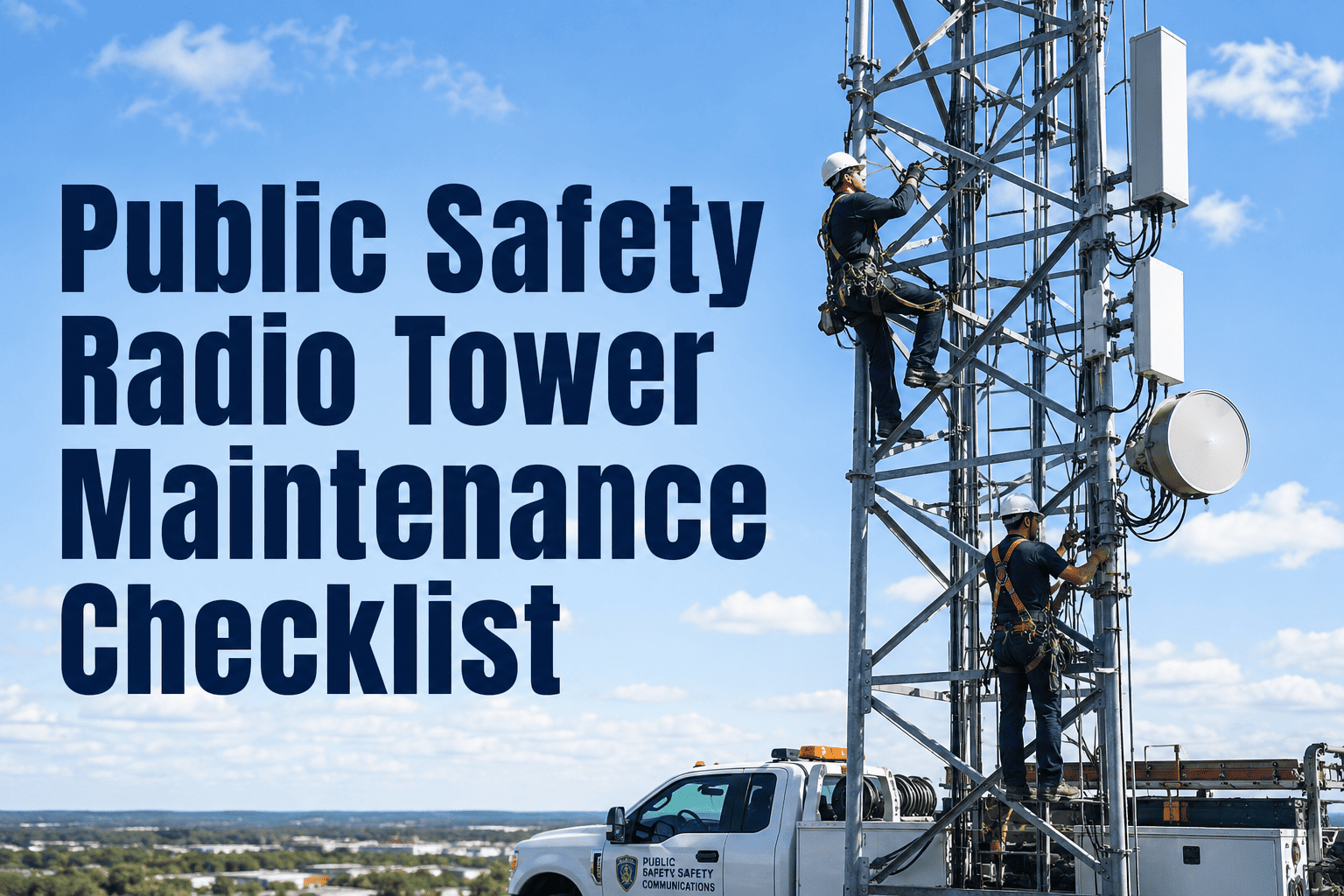
When a dispatcher keys up during a wildfire, a flood, or an active scene, the radio tower behind that signal cannot be "mostly working." Public safety communication sites fail in quiet ways long before they fail loudly — a corroded ground connection, a generator that will not transfer, an obstruction light gone dark, an antenna line drifting out of spec — and each one is invisible until the moment it is catastrophic. This checklist organizes every maintenance obligation around the seven critical systems of a tower site, tags each task with how often it must happen, and ties it to the TIA-222, FCC Part 17, NFPA 110, and OSHA standards that govern them. See how OxMaint Inspection Management and Preventive Maintenance keeps every cadence on schedule and every record audit-ready. Book a demo to put your tower portfolio on one dashboard.
Public Safety Radio Tower Maintenance Checklist
Track structure, grounding, antennas, backup power, shelter HVAC, lighting, and site access across your emergency communication network — every task tied to its cadence and the standard that requires it.
TIA-222 Inspection Intervals Are the Floor, Not the Ceiling
The structural standard sets minimum assessment intervals, but coastal salt, corrosive air, severe weather, and a site's mission-critical status all pull those intervals shorter. Your insurer or authority having jurisdiction may be stricter still.
| Structure / System | Minimum Interval | Shorten It When |
|---|---|---|
| Guyed towers & masts | Every 3 years | Coastal, corrosive, post-storm |
| Self-supporting / monopole | Every 5 years | Essential comms, vandalism-prone |
| After severe weather | Immediately | Hurricane, ice, seismic event |
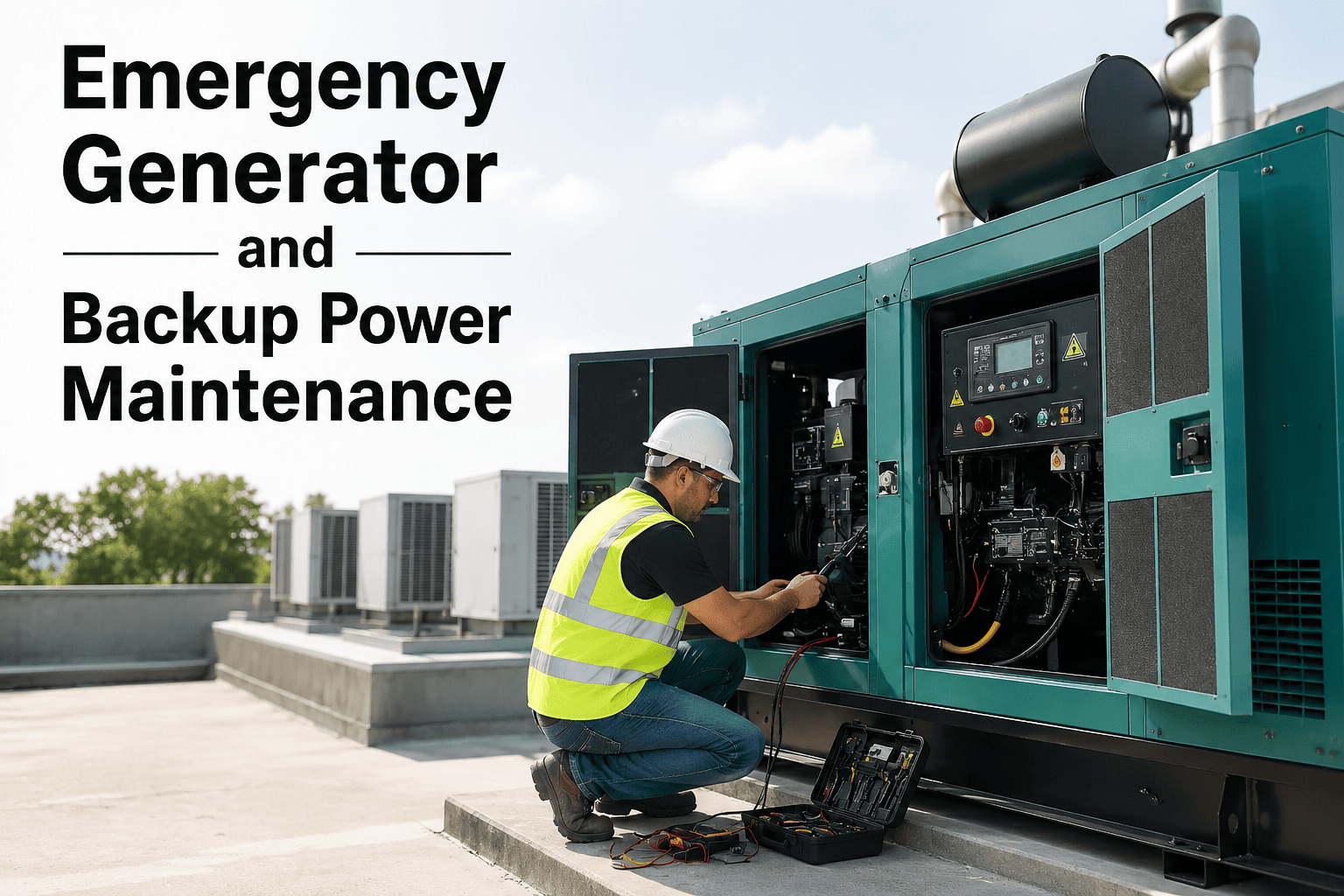
| Backup power systems | Weekly & monthly | Always — uptime is the mission |
Work the Site System by System
Each task below carries the cadence it must run on. Check the box, capture the reading, and let the record build so the next inspection and the next audit start from the truth, not from memory.
OxMaint loads each cadence as a recurring inspection, auto-schedules the work order, and links every reading and photo to the tower's asset record — so a missed monthly generator test or a dark obstruction light surfaces as an alert, not a surprise during the next emergency.
The Standards Behind Every Checkbox
A public-safety tower answers to more codes than almost any other municipal asset. Tagging each task to its standard turns a maintenance log into an audit-ready compliance record.
What Tower & Public-Safety Professionals Say
The most expensive failure is the one you find after the storm. The TIA cycle is a minimum — if your site sits on the coast or in a corrosive environment, three or five years is far too long between climbs. And no, a drone does not replace a climbing inspection. A good climber hears and feels a problem — a loose connection humming, a guy with the wrong tension — that no camera will ever catch.
Tower Inspection Lead · 22 Years TIA-222 Condition AssessmentA tower can be structurally perfect and still fail the mission if the backup power lets go during the outage. That is exactly when the calls spike. So we test the generator weekly under load and the batteries monthly — not because a binder says so, but because the one time it matters, there is no second chance. Power and grounding are where public-safety reliability is actually won.
Public Safety Radio Systems Manager · 18 Years Land Mobile RadioFrequently Asked Questions
How often does a public safety radio tower need inspection?
TIA-222 sets a minimum of every three years for guyed towers and every five for self-supporting structures, plus immediately after severe weather. Coastal, corrosive, mission-critical, or vandalism-prone sites need shorter intervals, and insurers often require more. Book a demo to automate interval tracking.
Can drone inspections replace climbing inspections?
No — physical climbing inspections remain the standard for structural and RF assessment because inspectors detect vibration, sound, and torque issues a camera cannot. Drones are a useful supplement between climbs, not a replacement for them. Start free to log both inspection types per asset.
How much backup power does a public safety site need?
The widely adopted baseline is at least eight hours of battery standby, backed by a generator that transfers within seconds under load. NFPA 110 calls for weekly generator testing and disciplined fuel, battery, and transfer checks. Book a demo to schedule power-system PMs.
Keep Every Tower Inspection-Ready and Every Outage Survivable
From structural climbs to weekly generator tests, OxMaint turns the seven-system checklist into scheduled work, tracked records, and standards-tagged compliance — so your emergency network is ready on the worst day, not just on inspection day.