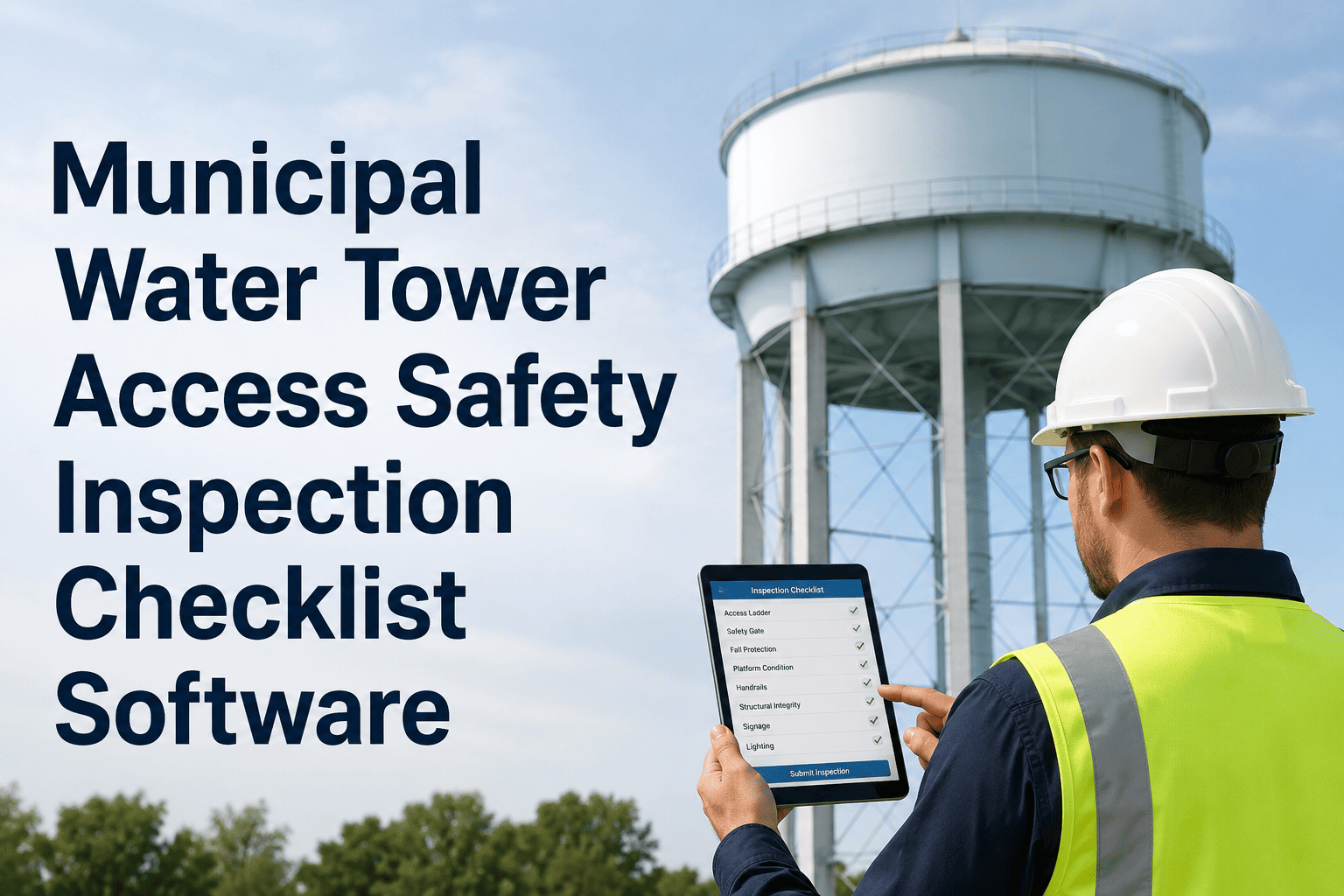
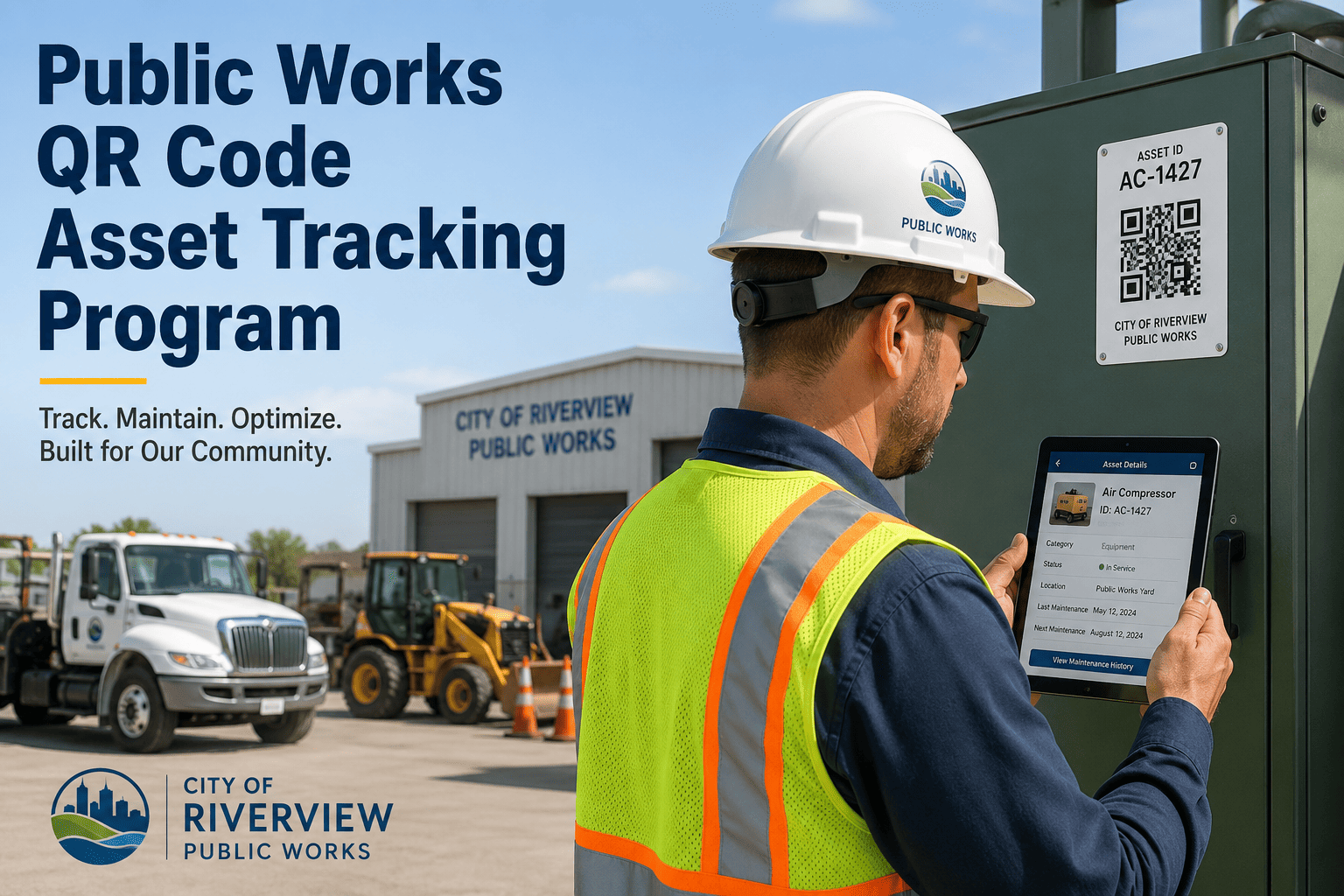
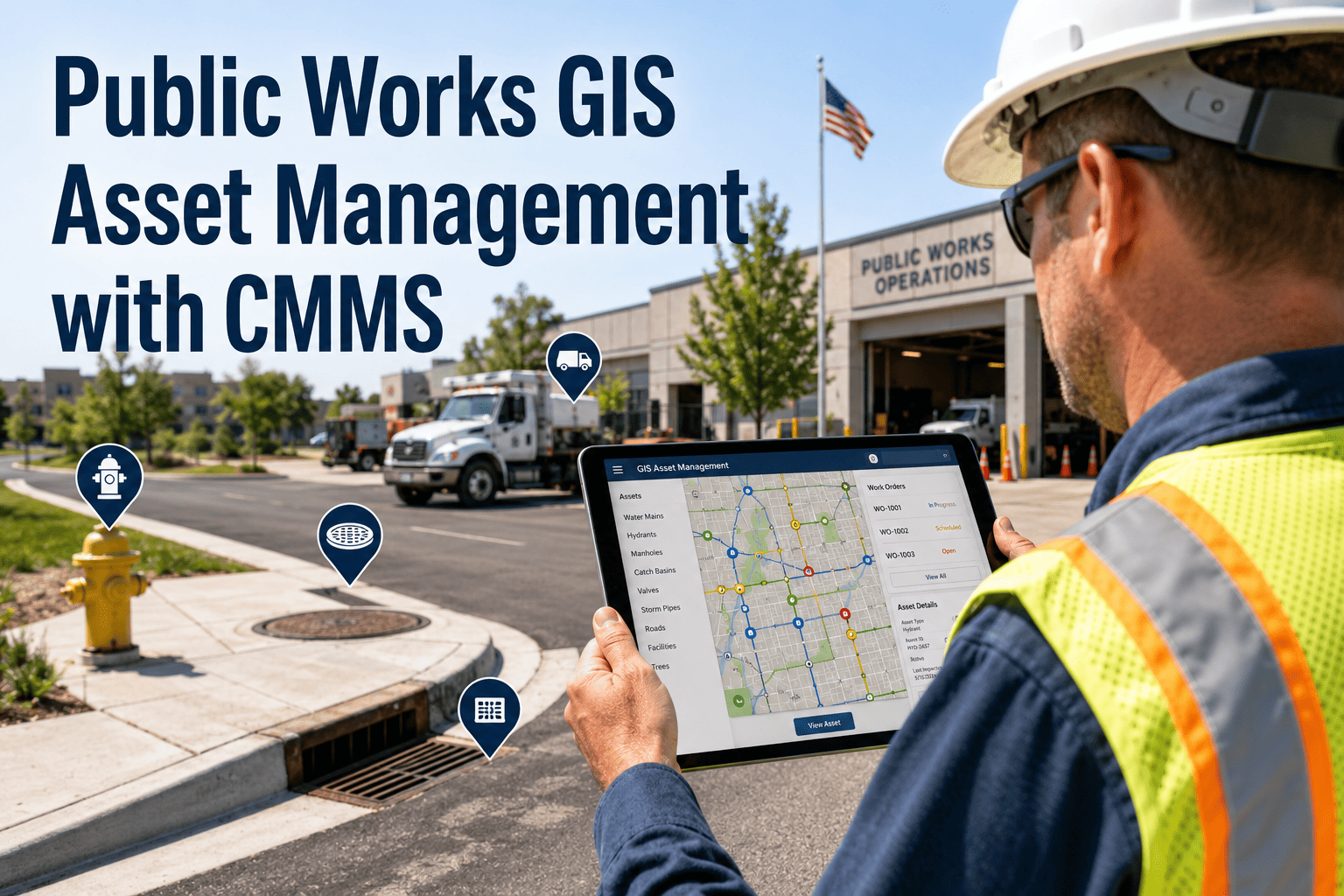
Municipal water towers present one of the highest-risk confined space and working-at-height scenarios in public utility operations. Access for inspection or maintenance involves elevated entry through narrow hatches, work in enclosed spaces with potential oxygen deficiency, and the unique contamination risk of any material introduced into a potable water asset. An inadequate access safety inspection protocol creates simultaneous risks: worker fatality from fall or atmospheric hazard, and a contamination event affecting the entire service area's drinking water supply. OxMaint's Compliance Tracking and Inspection Management modules give water utility managers a structured digital framework for water tower access safety — mandatory atmospheric testing gates, confined space permit workflows, contractor access controls, and an audit trail that satisfies OSHA, EPA, and state drinking water regulatory requirements. Book a demo to see how water utilities manage tower access safety in OxMaint.
Safety Checklist · Water Utilities · OSHA Confined Space · EPA Compliance
Municipal Water Tower Access Safety Inspection Checklist
Atmospheric testing, confined space permit management, fall protection verification, and contractor access controls — the complete safety framework for water tower inspection and maintenance.
01
Atmospheric Hazard
O2 deficiency from biological activity; H2S from biofilm; chlorine accumulation in enclosed dome
02
Fall Hazard
Access heights 30–150 ft; external ladder systems; dome work requiring fall arrest
03
Contamination Risk
Any material entering tank may contaminate municipal water supply; EPA Part 141 compliance
04
Structural Risk
Ladder, platform, and hatch integrity must be verified before each access event
Regulatory Framework — Water Tower Access
OSHA 29 CFR 1910.146
Permit-Required Confined Space — water tower interior qualifies; entry permit, atmospheric testing, and attendant required
OSHA 1926.502
Fall protection systems for access above 6 ft — personal fall arrest or fall restraint required on external access
EPA 40 CFR Part 141
Safe Drinking Water Act — contamination prevention during tank access; sanitary survey requirements
AWWA D100/D107
Water tank design and inspection standards — inspection frequency and condition documentation requirements
Phase 01 — Pre-Entry
Pre-Access Safety Verification
Every water tower access event begins with a formal pre-entry check. OSHA 1910.146 requires that before any entry into a permit-required confined space, the employer must identify and evaluate hazards, establish isolation and ventilation controls, and test the atmosphere. For water towers, the additional requirement is that all access equipment — ladders, platforms, hatches — is confirmed in serviceable condition before the ascent begins.
Pre-Entry ChecklistOSHA 1910.146 — Before Any Access
Entry permit issued for confined space access — permit includes: tank ID and location, date and time of access, purpose of entry, names of all entrants and attendant, atmospheric test results (initial and pre-entry), isolation measures in place, emergency rescue procedures, and permit expiry time; permit signed by entry supervisor before access beginsRecord: Signed confined space entry permit attached to work order · Role: Entry Supervisor
Atmospheric testing completed at work area level — multi-gas meter readings documented: O2 (required 19.5–23.5%), CO below 25 ppm, H2S below 1 ppm, LEL below 10%; chlorine measured in areas where residual chlorination has been applied; continuous monitoring during entry with alarm set to warning thresholdsRecord: Gas readings with meter serial number and calibration date · Role: Entry Supervisor / Safety Officer
External ladder and access platform inspection completed — all ladder rungs secure with no corrosion-caused weakness (load test 250 lb per rung on suspect rungs); ladder cage intact for ladders above 24 ft; safety climb device (SRL or ladder safety system) operational and attached to anchor points confirmed in specification; access hatch opens freely and dogs functionRecord: Ladder inspection log with photo of any defect · Role: Qualified Inspector
Contamination prevention measures confirmed — all personnel access equipment decontaminated per AWWA guidelines; no materials, tools, or clothing that could introduce contaminants into the tank; any work inside the tank requires advance approval from water utility manager with contaminant risk assessment documentedRecord: Decontamination protocol confirmation on work order · Role: Water Utility Manager
Phase 02 — Structural Condition
Tower Structure and Tank Condition Inspection
AWWA D100 and state drinking water regulations require periodic inspection of water tower structural condition. Inspection intervals vary by jurisdiction but typically require external inspection annually and internal inspection every 3–5 years. Coating condition, corrosion assessment, and structural integrity findings from these inspections drive capital planning for tank rehabilitation — which can run $500,000 to $2 million for a major tank. OxMaint's asset history makes the 10-year trend visible in one report.
Structural Condition ChecklistAnnual — External | 3–5 Year — Internal
External coating condition assessed — rust staining, coating delamination, or bare metal areas identified and measured; coating condition rated per SSPC visual standard (VS-1 through VS-8); areas of active corrosion require spot blast and recoat within 6 months; full DFT measurements taken at representative locations and logged against asset recordRecord: Coating condition report with DFT readings and photos · Role: Certified Tank Inspector
Tank shell ultrasonic thickness testing at designated grid points — UT readings recorded at same grid points each inspection cycle to enable trending; any reading below minimum thickness standard triggers engineering review; readings stored against tank asset record in OxMaint for trend analysis across inspection cyclesRecord: UT readings at all grid points with prior cycle comparison · Role: Certified Tank Inspector
Interior coating and tank bottom condition assessed during internal inspection — floor sediment level measured and documented; interior coating condition assessed using NACE visual standards; any evidence of microbiologically influenced corrosion (MIC) or unusual biological growth documented with water sample taken for lab analysisRecord: Internal inspection report with photos — water sample results attached · Role: Certified Tank Inspector + Water Quality Team
OxMaint stores every water tower inspection record against the tank's asset history — coating condition trends, UT thickness readings, atmospheric test results, and confined space permits — all linked to the tower asset ID and exportable for regulatory submissions in minutes.
Water Tower Inspection Programme — Key Performance Indicators
| KPI |
Manual / Paper Programme |
OxMaint Digital Programme |
| Confined space permit completion rate |
72% (OSHA audit data) |
99% — mandatory gate in permit workflow |
| Atmospheric test documentation rate |
61% of entries documented |
100% — required to proceed to access |
| Inspection history trend access |
Manual file search (avg 4 hrs) |
Instant — asset record in OxMaint |
| Regulatory submission prep time |
16+ hours per submission |
Under 2 hours — exportable reports |
| Contractor access control documentation |
Often missing or informal |
Full briefing and sign-off log per access event |
Expert Review
RP
Robert Patel
Water Utility Asset Manager · 24 years · AWWA Certified Distribution System Operator · OSHA Confined Space Trainer
Water tower access events are low-frequency but extremely high-consequence. Most utilities access their towers 2–6 times per year per asset, which means the confined space permit and atmospheric testing protocols may only be exercised a handful of times annually per technician. That low frequency makes documentation discipline particularly fragile — it is easy to let informal practice replace formal procedure when you have not done it in three months. Digital permit workflows in OxMaint act as a memory and a guide simultaneously: the technician follows the checklist step by step, every time, regardless of frequency. The system will not allow them to proceed to tank access without confirmed atmospheric readings. That is the safety behaviour change that matters.
Frequently Asked Questions
Does OxMaint support the full OSHA confined space permit workflow for water tower access?
Yes. OxMaint's permit workflow can be configured to include all OSHA 1910.146 required fields — atmospheric test readings, entrant and attendant names, isolation measures, emergency procedure acknowledgement, and supervisor sign-off — as mandatory gates that must be completed before the entry phase is unlocked. Every permit is time-stamped, stored against the tank asset record, and exportable for OSHA inspections.
Book a demo to see the confined space permit workflow configured for water utilities.
How does OxMaint help with multi-year structural inspection trend tracking for water towers?
Each water tower is set up as an asset record in OxMaint with a full inspection history. Ultrasonic thickness readings, coating condition ratings, and structural findings from each inspection cycle are stored against the asset and can be trended over time. When planning rehabilitation or replacement capital expenditure, the historical trend data in OxMaint provides the evidence base for condition-based decisions.
Start a free trial to explore asset-level inspection history and trending features.
What contractor access control documentation does OxMaint generate for water tower maintenance events?
OxMaint tracks contractor briefings, sign-offs, decontamination protocol confirmation, and individual access events for every contractor working on a water tower asset. The complete contractor access log — including what work was performed, who was briefed, and what decontamination protocols were followed — is stored against the work order and the asset record, satisfying both OSHA multi-employer coordination requirements and EPA contamination prevention documentation requirements.
See contractor access management in a live demo.
OXMAINT · WATER UTILITIES · COMPLIANCE TRACKING
Every Access. Every Permit. Every Inspection Record — One Secure Platform.
OxMaint gives water utility managers confined space permit workflows, atmospheric test documentation, structural inspection history, and regulatory-ready reports — all linked to each tower's asset record for instant retrieval.