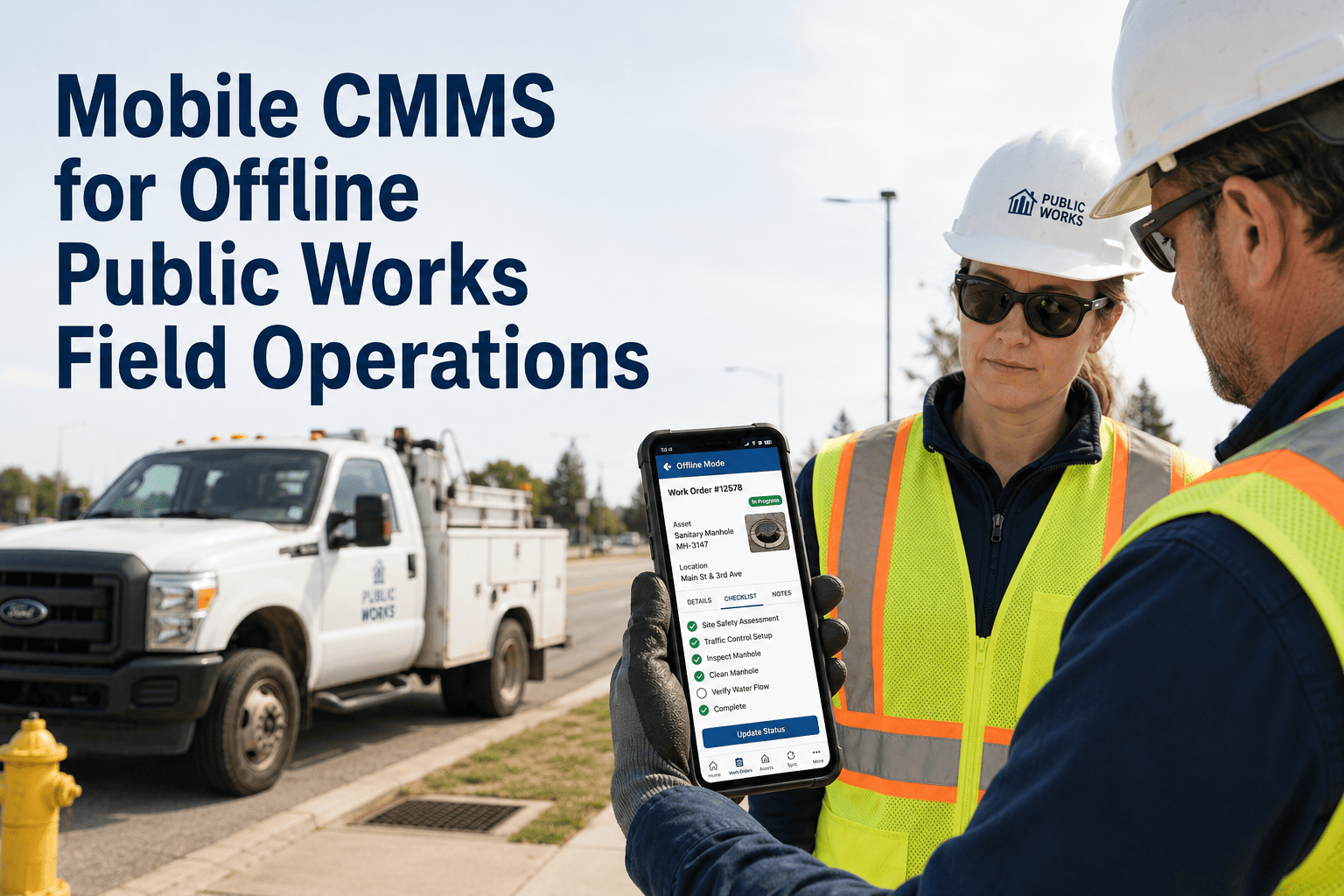
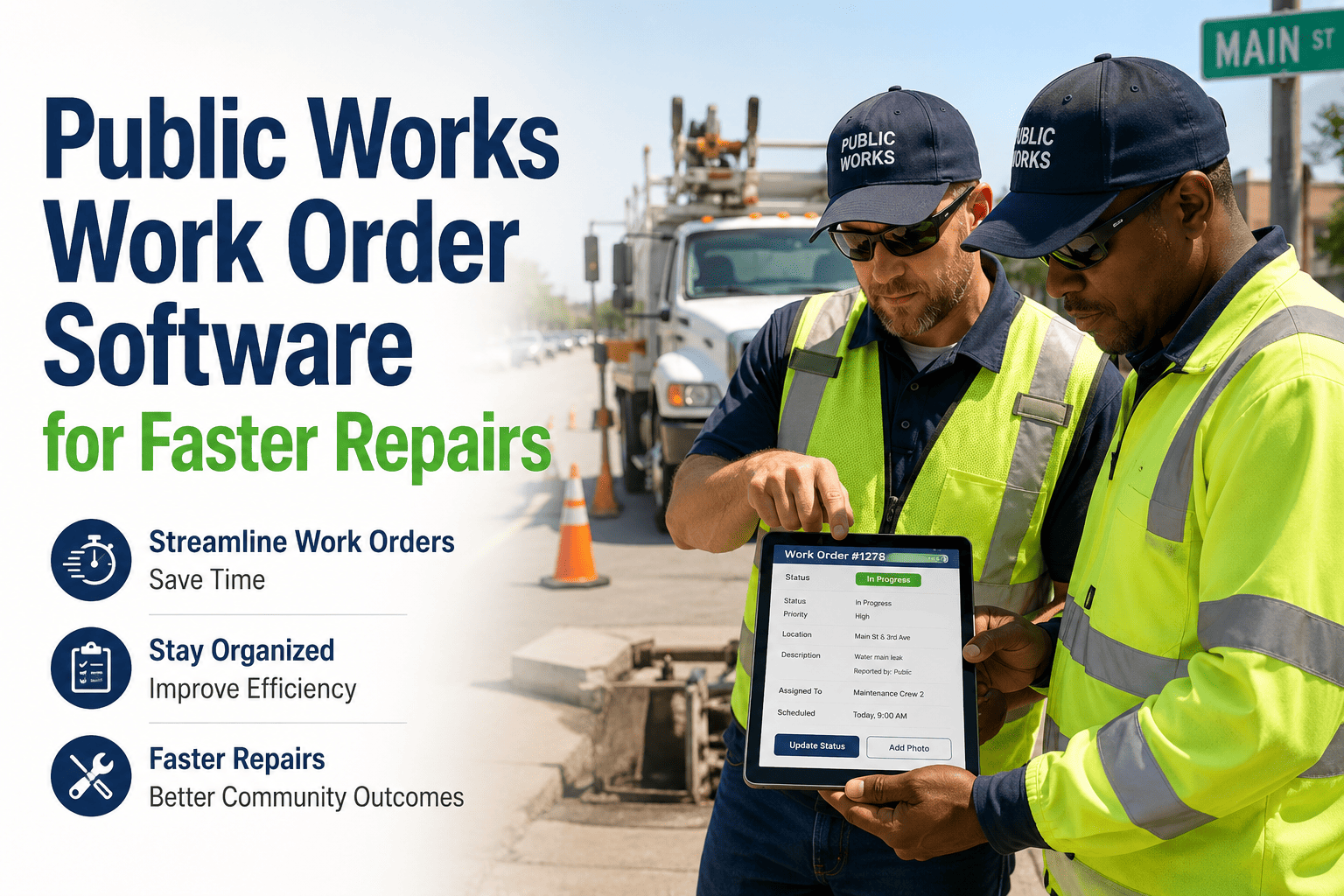
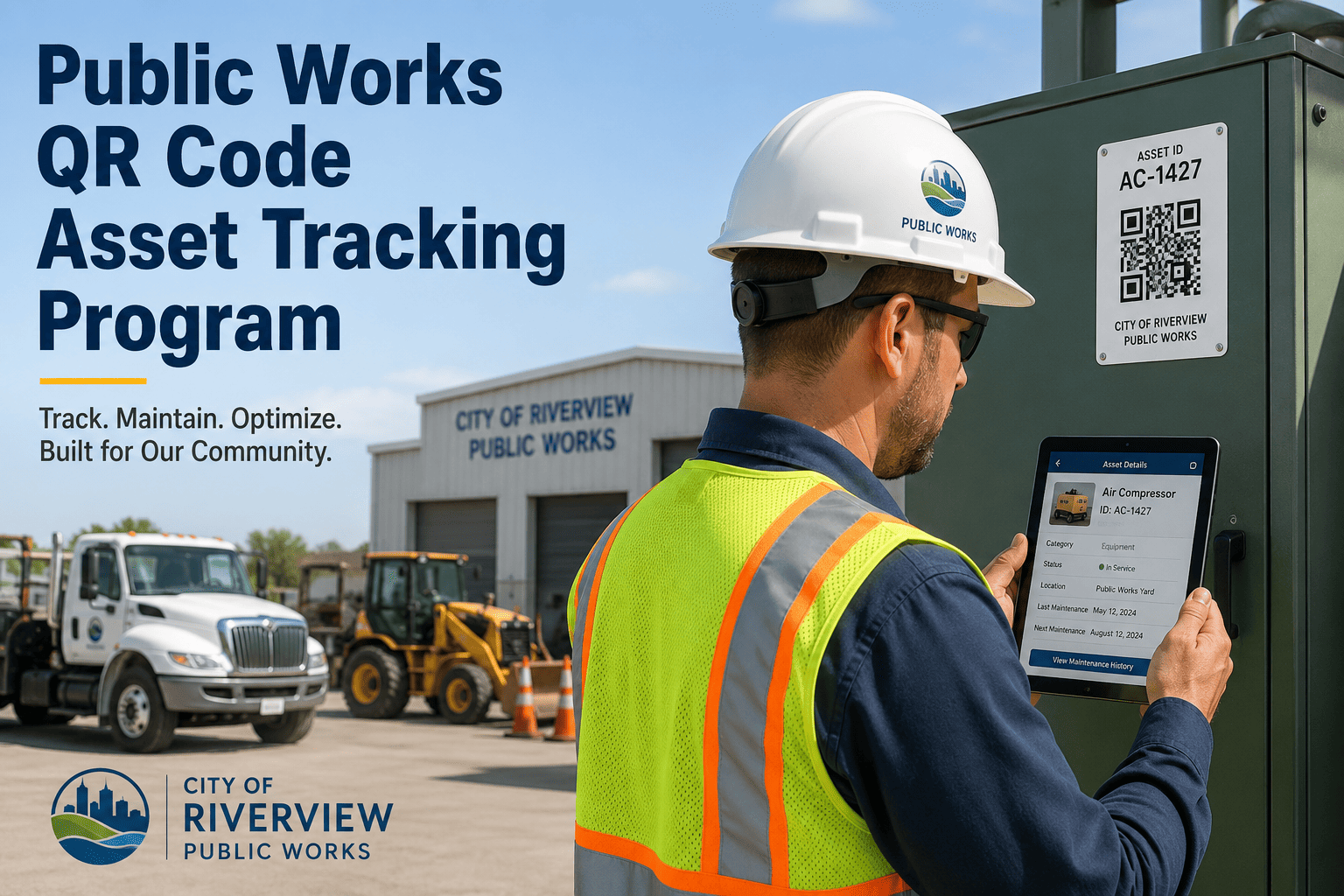
Public works departments across the U.S. are legally required under MUTCD Section 2A.08 to maintain minimum retroreflectivity levels on all road signs — yet most agencies still manage these inspections on paper forms, clipboards, and spreadsheets. When a sign fails in the field, the liability falls on the agency, not the sign. OxMaint helps public works directors digitize retroreflectivity inspection workflows, auto-generate work orders for failing signs, maintain complete audit trails, and prove compliance in seconds — all from a mobile device in the field. If your department is still printing inspection sheets and manually transcribing findings, this checklist and guide will show you exactly what a modern sign inspection program looks like — and what it costs to keep doing it the old way.
Road Sign Retroreflectivity Inspection Checklist
A complete field inspection framework for public works departments — covering MUTCD compliance checks, nighttime visibility assessment, sign condition grading, and automated work order generation through OxMaint.
The Hidden Cost of Paper-Based Sign Inspections
- No audit trail for FHWA compliance reviews
- Failed signs missed between annual inspection cycles
- Work orders raised days after field finding
- No photo documentation for liability defense
- Data siloed in spreadsheets, no asset history
- Timestamped, photo-backed audit records always ready
- Inspection due alerts sent before compliance deadlines
- Work order generated instantly from field finding
- Geotagged photos stored against each sign asset
- Full sign lifecycle visible in one dashboard
Field Inspection Checklist — Sign Retroreflectivity
Each check below maps directly to an OxMaint digital checklist item. Field staff complete these on mobile — photos attach automatically, failing items trigger work orders, and everything is logged with timestamp and inspector ID.
Book a 30-minute demo to see how public works teams use OxMaint to manage sign inspections, generate compliance reports, and respond to failing signs — all without paper.
Retroreflectivity Minimum Values by Sign Type
| Sign Category | Color Combination | Min RA (mcd/lux/m²) | Sheeting Type | Typical Lifespan |
|---|---|---|---|---|
| Stop / Yield | White on Red | 35 | Type III–IX | 10–12 years |
| Warning (Diamond) | Black on Yellow | 50 | Type III–IX | 10 years |
| Guide / Destination | White on Green | 7 | Type I–IX | 7–10 years |
| Street Name | White on Green/Blue | 7 | Type I–IX | 7–10 years |
| School / Pedestrian | Black on Yellow-Green | 50 | Type III–IX | 10 years |
| Regulatory (Speed) | Black on White | 50 | Type III–IX | 10 years |
Source: MUTCD Table 2A-3 (2009 Edition with 2012 revisions). Local DOT standards may impose higher minimums — always check state-specific supplements.
Agencies that move sign inspections onto digital platforms consistently demonstrate compliance during FHWA reviews — because every reading, every photo, and every work order is timestamped and traceable. Paper-based programs fail not because the signs were non-compliant, but because the agency cannot prove compliance. The documentation gap is the liability gap.
Common Questions on Sign Retroreflectivity Compliance
What is the MUTCD requirement for sign retroreflectivity inspections?
The 2009 MUTCD (Section 2A.08) requires all agencies receiving federal highway funds to implement a sign retroreflectivity management program. Agencies must choose from four compliance methods: expected life, blanket replacement, measured retroreflectivity, or visual nighttime inspection. OxMaint supports all four methods — with digital checklists, automated replacement scheduling, and retroreflectometer data capture built into the inspection workflow.
How often must road signs be inspected for retroreflectivity?
Most state DOTs require annual inspections for regulatory and warning signs, with less critical signs on a 2–3 year cycle. Signs flagged near the minimum threshold should be re-inspected every 6 months. OxMaint automatically schedules the correct inspection interval for each sign based on its type, condition grade, and sheeting class — so no sign falls through the cracks. Book a demo to see automated scheduling in action.
Can OxMaint generate the compliance reports needed for FHWA reviews?
Yes. OxMaint automatically compiles inspection records, retroreflectivity readings, work order status, and replacement history into exportable compliance reports. Every finding includes inspector ID, timestamp, GPS coordinates, and photo evidence — giving your agency a defensible audit trail for any FHWA, state DOT, or legal review without any manual report preparation.
What happens when a sign fails the retroreflectivity check in the field?
In OxMaint, a failing reading immediately triggers a work order — pre-populated with sign type, location, failure reason, and replacement specification — which routes to the appropriate maintenance crew. For regulatory signs (stop, yield, speed limit), the work order is flagged as high priority and requires supervisor acknowledgement within 24 hours. Start a free trial to configure your escalation rules.
Every Sign Inspected. Every Failure Documented. Every Audit Passed.
OxMaint gives public works teams mobile inspection checklists, automatic work orders for failing signs, photo-backed audit trails, and compliance reports — all in one platform built for government maintenance operations.