It's 2 AM and the Dissolved Oxygen (DO) levels in your aeration basin have plummeted below 1.0 mg/L. The biological process is dying, and a septic odor is drifting toward the residential neighborhood nearby. The backup blower won't start, and the vendor you rely on is two hours away.
You've spent $250,000 on aeration infrastructure and up to 60% of your plant's energy budget powers it. But how do you maximize oxygen transfer efficiency while minimizing downtime? This guide delivers a complete framework for tracking aerator performance, diagnosing root causes, and implementing maintenance software wastewater programs that ensure compliance. Sign up free for Oxmaint CMMS to start protecting your biological process.
$5,000+
Daily violation fines
15 Yrs
Target asset lifespan
3.5 hrs
Avg repair response
Critical Aeration Equipment Types
Understanding your aeration assets is the foundation of effective asset tracking in wastewater treatment. Each system uses different mechanics to transfer oxygen and has unique failure modes that impact effluent quality.
[Image of Wastewater Aeration Systems Diagram]
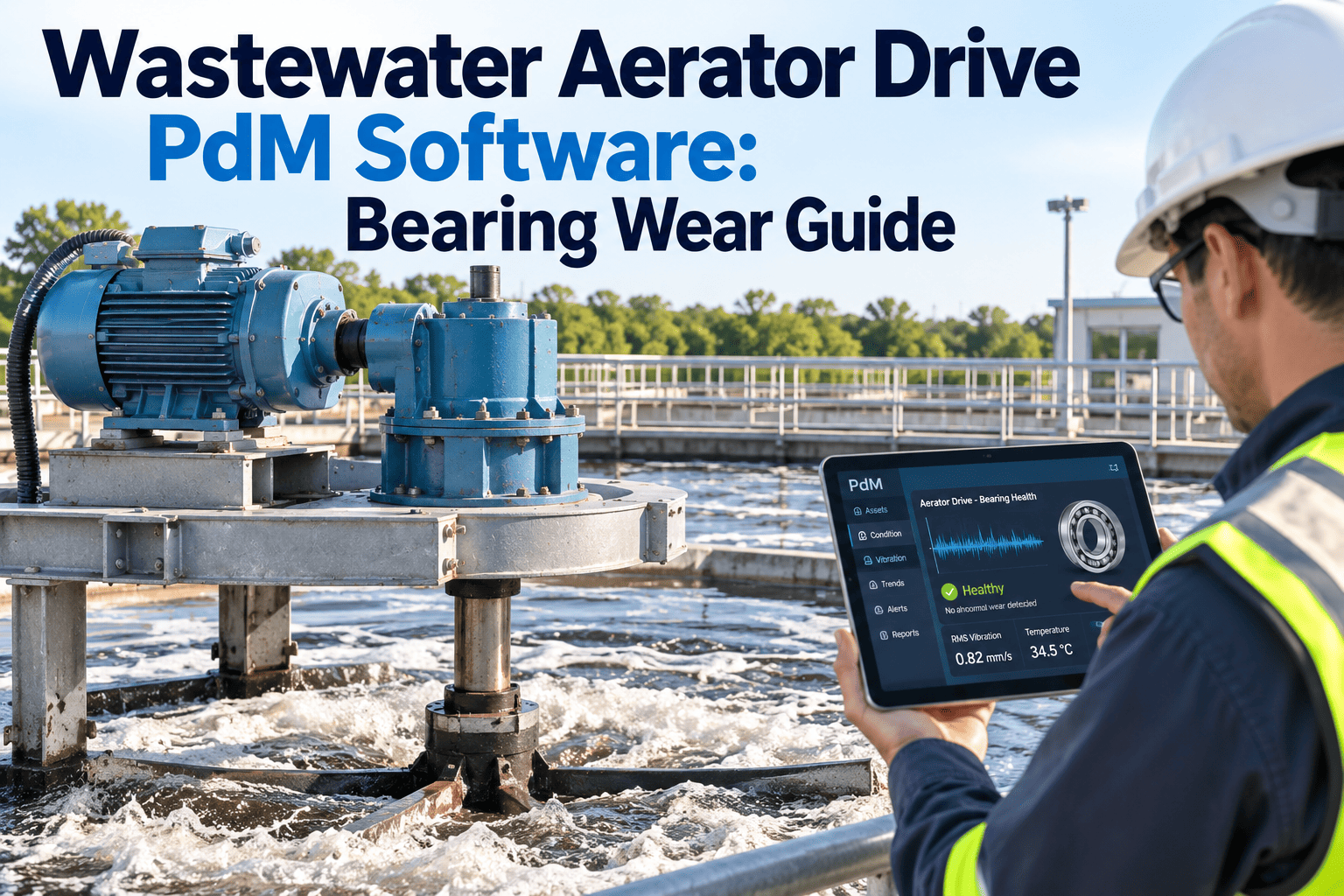
Floating or fixed mechanical units that splash water to trap oxygen. Critical components include motor bearings, gearboxes, impellers, and mooring cables.
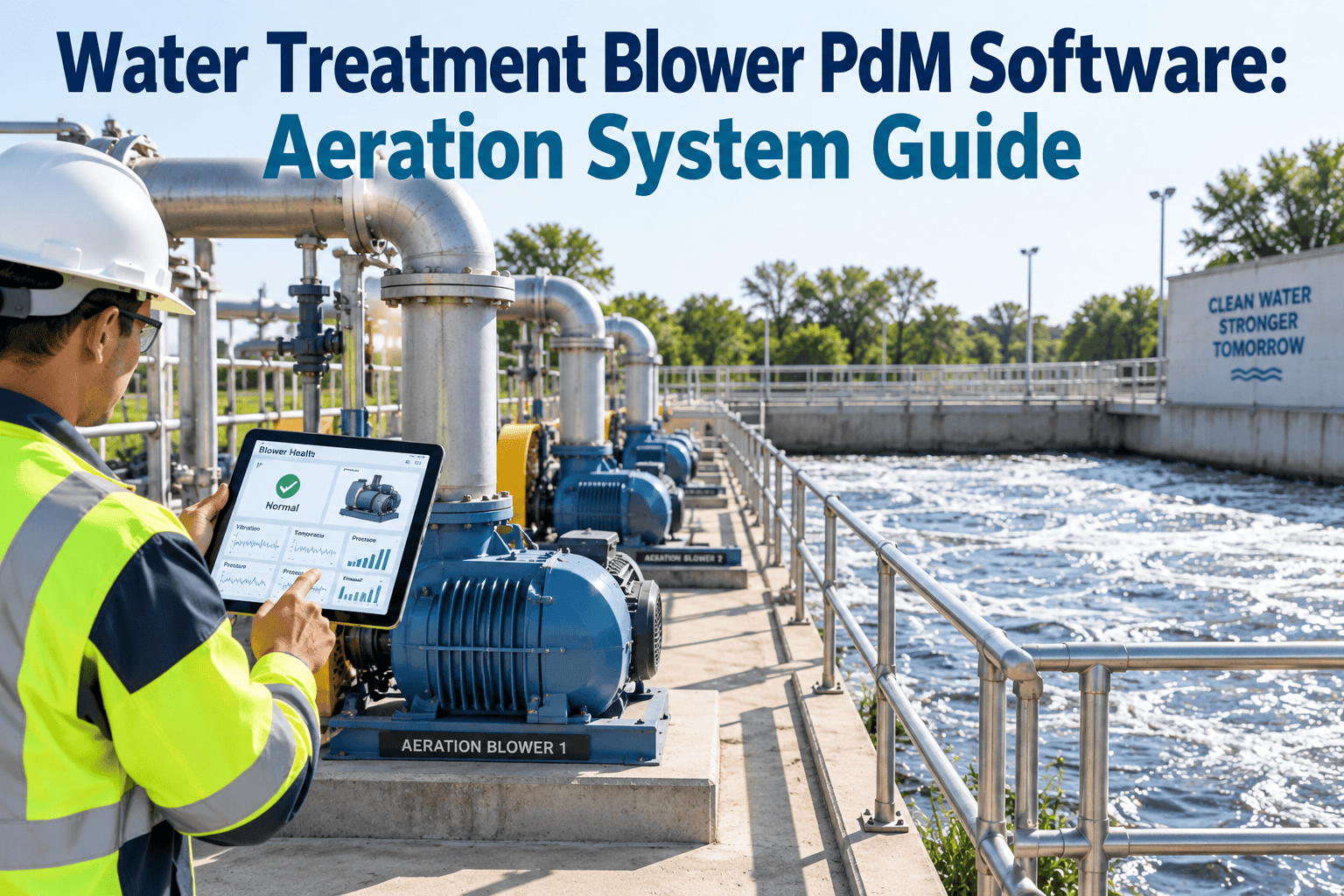
Blowers force air through submerged membranes on the basin floor. Critical components include blower intakes, piping headers, membrane diffusers, and purge valves.
Combined motor and propeller units located underwater to inject air. Critical components include mechanical seals, power cables, stator windings, and housing integrity.
Horizontal rotors used in oxidation ditches to propel flow and oxygenate. Critical components include drive chains, pillow block bearings, and rotor blades.
Vendor Performance Scorecard
AquaFlow Tech
Blower & Diffuser Specialist
Gearbox Masters
Mechanical Surface Aerators
Scorecard Metric Weights
Not all metrics carry equal weight. In wastewater treatment, response time prevents septic conditions, while first-fix rate ensures permit compliance is maintained.
Sign up for Oxmaint free to automate vendor scorecard tracking, or book a demo to see SLA reporting in action.
Elevate Treatment Efficiency with Connected Sensors
IoT sensors detect mechanical stress and oxygen deficiencies weeks before failure—and automatically log vendor response performance for accurate scorecards.
Dissolved Oxygen (DO)
Basin levels • Zone variance • Aeration control
Early Warning Capability Drops in DO efficiency indicate diffuser fouling 2-4 weeks before violation
Vibration Analysis
Motors • Gearboxes • Blower Bearings
Early Warning Capability Identifies bearing pitting and misalignment 4-8 weeks in advance
Pressure & Airflow
Header pressure • Blower output • Filter delta-P
Early Warning Capability 15% pressure spike typically signals membrane clogging or valve issues
Today, 6:42 AM
Vendor Dispatched
Blower #2: High discharge temperature alarm triggered. Vibration sensor alert level 2.
Yesterday, 2:15 PM
Resolved
Surface Aerator 4: Scheduled oil change completed by Gearbox Masters — seal inspection passed.
Diffuser Grid: Acid cleaning completed to restore backpressure to baseline spec.
VFD Drive: Over-current fault reset and cooling fan replaced.
Making Audits Painless — A Compliance Framework with KPIs
EPA and State environmental agencies require documented evidence that aeration equipment is maintained to meet NPDES permit limits. Your compliance logs must show DO verification, calibration schedules, and corrective actions—all with timestamps and digital accountability.
99.8%
Permit Compliance
Target: 100%
94%
PM Compliance
Target: 95%+
2.4 hrs
Avg Response Time
Target: < 4 hrs
1.8 lbs
O2 per HP-Hour
Target: > 2.0
Wastewater Compliance Requirements
EPA
NPDES Permit
Continuous monitoring of effluent quality, equipment maintenance logs, and immediate reporting of non-compliance events.
DEP
State Environmental
Asset management plans, calibration records for DO probes, and documented preventive maintenance schedules.
ISO
ISO 14001
Environmental management systems requiring documented procedures for critical equipment reliability and risk management.
OSHA
Process Safety
Lockout/Tagout procedures for aerator maintenance and confined space entry logs for diffuser inspections.
Audit-Ready Documentation in 60 Seconds
When the inspector asks for aeration maintenance records, export complete compliance logs instantly—every oil change, every amperage reading, every vendor service report, and every corrective action with timestamps and digital signatures.
Timestamped Records Digital Signatures Calibration Logs Vendor Reports One-Click Export
Wastewater CMMS Best Practices
1
Tag Every Aerator & Blower
Apply durable QR tags to motors, gearboxes, and control panels. Scan to access history, O&M manuals, and diagrams instantly in the field.
2
Digitize OEM Specs
Upload blower curves, gearbox oil capacities, and seal kit part numbers directly to asset profiles for instant access.
3
Automate PM Scheduling
Configure maintenance triggers based on runtime hours (e.g., oil change every 2,500 hours) or calendar intervals.
4
Monitor Energy Trends
Track amperage draw over time. Rising trends often indicate ragging on impellers or membrane fouling before failure.
5
Enable Mobile Rounds
Operators complete mobile inspection checklists (noise, temp, vibration) at shift start to catch issues early.
6
Review KPIs Weekly
Track DO levels, energy efficiency, and PM compliance. Address negative trends before they impact permit limits.
Energy Management Impact
Aeration systems typically consume 50-70% of a wastewater plant's total energy. Tracking energy metrics reveals equipment degradation early and validates cleaning cycles.
15-30%
Energy savings with optimized aeration control
$12,000
Annual savings per 100HP high-efficiency blower
2-4 yrs
Extended membrane life with proper cleaning
"We struggled with uneven aeration patterns and frequent gearbox failures. After implementing Oxmaint to track vibration trends and vendor performance, we realized our 'preventive' maintenance wasn't happening to spec. We corrected the vendor's scope, saved $45,000 in emergency repairs in year one, and stabilized our effluent DO levels completely."
MS
Mark Stevenson
Plant Superintendent, City Water Reclamation
Ready to Secure Your Biological Process?
Join wastewater plants using Oxmaint for asset tracking, predictive aeration monitoring, and audit-ready compliance
Conclusion
Aeration equipment is the lifeline of the activated sludge process. When blowers deliver consistent pressure, when diffusers maintain fine bubble patterns, and when vendors fix mechanical issues correctly the first time—your treatment process remains stable and compliant.
The asset performance scorecard transforms reactive scrambling into proactive management. Response time, first-time fix rate, PM compliance, and DO stability metrics reveal the true health of your infrastructure and the quality of your service providers.
Combined with IoT sensors and maintenance software specifically for wastewater utility needs, you gain visibility into equipment health before permit violations occur. Start with your most critical blowers and surface aerators, implement the scorecard framework, and hold your team accountable with data. Every percentage point of improved oxygen transfer efficiency translates directly to energy savings and regulatory peace of mind.
Frequently Asked Questions
What are the symptoms of a failing wastewater aerator?
Common symptoms include uneven boil patterns in the basin (indicating broken diffusers), increased noise or vibration from gearboxes/motors, rising amperage draw (ragging or fouling), and the inability to maintain DO setpoints despite full blower output.
Sign up free to log these symptoms.
How often should aeration diffusers be cleaned?
This depends on the system type and loading. Generally, membrane diffusers benefit from an in-situ acid clean or "bump" cycle every 6-12 months to remove biofilm and scaling. Full tank draining for manual cleaning or replacement typically occurs every 5-7 years based on backpressure readings.
Book a demo to track backpressure trends.
What causes excessive vibration in surface aerators?
Vibration is often caused by ragging on the impeller (imbalance), worn gearbox bearings, misaligned shafts, or loose mooring cables allowing the unit to drift. IoT vibration sensors can detect these issues early by identifying specific frequency changes.
Sign up free to monitor vibration alerts.
How does proper maintenance impact energy costs?
Aeration accounts for the majority of a plant's energy bill. Fouled diffusers or inefficient motors require more energy to transfer the same amount of oxygen. Routine maintenance—like cleaning membranes and changing air filters—keeps the system operating at peak Oxygen Transfer Efficiency (OTE), significantly reducing electrical costs.
Book a demo to calculate your potential savings.
Can a CMMS help with state environmental audits?
Absolutely. Auditors look for proof of maintenance to ensure equipment reliability. A CMMS provides a digital, searchable history of all calibration, repair, and inspection activities, proving that you are proactively managing the assets required to meet your permit limits.
Sign up free to build your audit trail.


-for-wastewater-aerator-inspection-failures.png)


