
Rural healthcare is at a breaking point — 60 million people lack access to quality care, 140+ hospitals have shut down, and the gap keeps widening every year. AI is finally changing that, and the facilities that act now will define the next decade of rural health outcomes. If you manage healthcare infrastructure and want to get ahead of the curve, start a free trial with Oxmaint for 30 days and see how condition-based asset management keeps your facility running without failure — or book a demo with our healthcare team and get a live walkthrough built around your specific operation.
AI in Rural Healthcare: How Technology is Bridging the Care Gap in Remote Communities
Over 60 million people live in medically underserved rural areas. AI-powered diagnostics, telemedicine platforms, and smart facility management are rewriting what quality care looks like beyond city limits.
AI is no longer a future-state concept for rural healthcare — it is the single most scalable solution to a crisis that has been building for decades. From remote diagnostics that match specialist accuracy to predictive infrastructure management that keeps facilities operational around the clock, the technology exists today to close the care gap that has left millions without reliable access to treatment. The question is no longer whether AI can work in rural healthcare; it is whether your facility has the operational foundation to support it without failure. If you are ready to find out where your facility stands, sign up for free and explore the full Oxmaint platform with no commitment for 30 days — or book a demo and speak directly with our healthcare infrastructure team today.
Is Your Rural Healthcare Facility Prepared for the AI Era?
Rural healthcare facilities need infrastructure that never fails. Oxmaint gives your team real-time asset visibility, predictive maintenance scheduling, and audit-ready compliance documentation — all in one mobile-first platform built for multi-site operations. No heavy onboarding. No implementation fees. Results from day one.
Defining AI Rural Healthcare
AI rural healthcare is the deployment of artificial intelligence, machine learning, and connected digital tools to deliver specialist-grade care to populations who live far from major medical centers. It goes well beyond virtual consultations — it encompasses AI-powered diagnostics that detect disease patterns in seconds, remote monitoring devices that track patient vitals around the clock, mobile health units equipped with cloud-connected screening tools, and predictive analytics platforms that identify at-risk patients before a crisis develops. If you want to understand exactly how this changes outcomes at scale, sign up for free and explore the full asset management platform that keeps rural facilities operational, or book a demo with our healthcare infrastructure specialists today.
What makes AI rural healthcare genuinely transformative is not just the clinical technology — it is the entire connected ecosystem behind it. A telemedicine clinic that loses power, an MRI unit that breaks down without warning, or a cold-chain storage system that fails overnight can undo weeks of progress in a single afternoon. The physical infrastructure supporting AI healthcare tools requires the same intelligence and automation as the tools themselves. Want to see how leading rural health networks keep that infrastructure bulletproof? start a free trial and see what proactive asset management looks like in a live healthcare environment, or book a demo and walk through the platform with our team.
The Six Pillars Driving AI Rural Healthcare
Six distinct technology pillars work together to close the rural care gap. Each one addresses a different breakdown point in the care chain — from first diagnosis to chronic disease management. Understanding them together reveals why AI rural healthcare is not a single tool but a full system shift. Want to see how Oxmaint fits into this system and keeps every piece of it running without failure? sign up for free today and explore the platform built for healthcare infrastructure teams, or book a demo and see how other rural health networks are using it right now.
AI-Powered Diagnostics
ML models trained on millions of clinical cases detect abnormalities in X-rays, ECGs, and pathology slides with accuracy rivalling specialist-level reading — available at any rural clinic, 24 hours a day, with no radiologist on site.
Telemedicine Platforms
Secure video, real-time data sharing, and asynchronous consultation tools connect rural providers with urban specialists. Studies show diagnosis delays cut from weeks to under 4 hours in 75% of structured telehealth deployments.
Remote Patient Monitoring
Wearable IoT sensors track vitals continuously, flagging deteriorating conditions before they become emergencies. RPM programs have reduced hospital readmissions by up to 38% in rural chronic disease management trials.
Mobile Health Units
Digitally equipped vehicles bring screenings, preventive care, and vaccinations directly into remote communities. Cloud-connected records and AI triage tools allow mobile teams to operate at near-clinic capability with no fixed facility.
Unified Digital Health Records
AI-integrated EHR platforms replace fragmented paper systems, enabling continuity of care across providers, sites, and specialties. Interoperable records alone reduce duplicate testing costs by an estimated 20% in rural health networks.
Predictive Health Analytics
Population health models identify high-risk individuals using historical data, social determinants, and real-time vitals — enabling proactive outreach shown to reduce emergency department visits by up to 25% annually.
Why Rural Healthcare Still Fails Millions Every Year
The rural healthcare crisis is not one problem — it is six compounding failures that reinforce each other. Each one independently causes harm. Together they create a system where patients are consistently underserved, clinicians are chronically overwhelmed, and facilities are perpetually one equipment failure away from collapse. Facilities looking for a practical starting point can sign up for free with Oxmaint and immediately see the asset and compliance gaps costing your team time and money, or book a demo and walk through how other rural health networks are solving these problems right now.
Critical Physician Shortage
Rural areas average just 13.1 physicians per 10,000 residents — compared to 31.2 in urban centers. At this ratio, AI triage and diagnostic tools are the only scalable path to closing the gap without decades of wait.
Geographic Isolation
Over 30% of rural patients travel more than 50 miles to see a specialist. This delay translates directly to later-stage diagnoses and measurably worse outcomes across cancer, cardiac, and neurological conditions.
Equipment Reliability Crisis
Rural facilities run aging equipment with no structured preventive maintenance programs. A single MRI breakdown can eliminate diagnostic services for an entire region for weeks — and no one sees it coming until it fails.
Fragmented Health Data
Siloed records between clinics, pharmacies, and hospitals cause duplicated tests, missed allergies, and dangerous prescribing errors — costing rural health systems millions annually in entirely preventable harm.
Delayed Emergency Response
Average rural emergency response time exceeds 30 minutes — versus under 7 minutes in cities. AI early-warning systems and remote patient monitoring directly compress this gap before the ambulance is ever dispatched.
Zero Capital Planning
140+ rural hospitals have closed since 2010, largely driven by financial collapse from surprise CapEx. Remaining facilities operate on razor-thin margins with aging assets and no structured capital planning to reverse decline.
Stop the Reactive Cycle Before It Closes Your Facility
Emergency repairs cost 4.8x more than planned maintenance. Every unplanned failure drains the budget, disrupts patient care, and brings a rural facility one step closer to closure. Oxmaint replaces reactive operations with condition-based scheduling, real-time IoT equipment alerts, GMP-compliant digital inspection records, and rolling 5-10 year CapEx forecasting — all from one mobile-first platform built for multi-site healthcare operations. See the difference from day one.
How Oxmaint Powers Rural Healthcare Facility Operations
AI healthcare technology is only as reliable as the physical infrastructure supporting it. Telemedicine kiosks, imaging suites, backup generators, cold-chain medication storage, HVAC systems — all of it demands proactive, data-driven maintenance. Oxmaint gives rural healthcare facility teams a single unified platform to manage every asset, schedule every inspection, and plan every capital upgrade without a spreadsheet in sight. The platform is mobile-first, built for multi-site operations, and designed to go live without heavy implementation fees or months of onboarding. Ready to see this in your own facility environment? sign up for free and bring this capability to your facility team within the week, or book a demo and see exactly how rural health networks use Oxmaint to cut downtime and stay compliant.
Technicians in the field access work orders and full asset records from any smartphone. Managers get portfolio-level visibility across every clinic in the network from one dashboard. Finance and board teams receive investor-grade CapEx reports built from real asset lifecycle data — not gut instinct. No facility is too small and no network is too large. The asset hierarchy runs from portfolio level right down to individual components, so nothing is ever invisible or untracked. If your team is still relying on phone calls and paper logs to manage facility operations, sign up for free today and see what structured, data-driven management looks like from the very first login, or book a demo and get a personalised walkthrough from our healthcare facility specialists.
Mobile-First
Field-Ready Asset Management
Submit work orders, log inspections, and access full asset histories from any smartphone or tablet — critical for technicians covering wide rural service areas with limited or no desk access at any given time.
Predictive
Condition-Based Maintenance
Asset health scores and real-time condition data trigger maintenance before failure occurs. Rural facilities on Oxmaint cut unplanned downtime by up to 35% within their first 90 days of deployment.
IoT Connected
Real-Time Equipment Monitoring
IoT and SCADA integration feeds live sensor data from critical medical equipment, cold-chain systems, power infrastructure, and HVAC units directly into one unified operations dashboard.
Compliance Ready
Digital GMP Inspections
Audit-ready documentation with digital signatures and auto-timestamped records meets OSHA, Joint Commission, NHS, and TGA compliance requirements — without a single paper log or manual filing process involved.
Multi-Site
Portfolio-Level Visibility
Manage rural clinics, regional hospitals, and network facilities from one portfolio dashboard. Full asset hierarchy from portfolio down to individual components — no more data silos between sites.
CapEx Planning
5-10 Year Capital Forecasting
Rolling CapEx models built from real asset lifecycle data — not guesswork. Give boards, investors, and health authorities the financial clarity they need to fund rural infrastructure upgrades on time.
Reactive vs Proactive: The Rural Healthcare Facility Gap
The difference between a facility running on reactive instinct versus one running on data-driven intelligence is measured in downtime hours, compliance failures, and emergency capital spend. Here is exactly what that contrast looks like across every operational dimension. Ready to move to the proactive side? sign up for free and see where your facility sits on this spectrum today, or book a demo and let our team walk you through a live operational gap analysis.
| Operational Aspect | Reactive Approach | Proactive with Oxmaint |
|---|---|---|
| Equipment Monitoring | Manual spot checks, weekly or monthly at best | Continuous IoT sensor monitoring with instant failure alerts |
| Failure Response | Breakdown-triggered calls — emergency repairs cost 4.8x more | Condition-triggered work orders dispatched before failure occurs |
| Compliance Documentation | Paper logs, scattered spreadsheets, audit panic every cycle | Digital records, auto-timestamped, always audit-ready |
| Capital Planning | Budget crises, gut instinct, and surprise replacements | Data-driven 5-10 year CapEx forecasting from asset lifecycle records |
| Multi-Site Visibility | Site-by-site reporting with no unified operational view | Portfolio dashboard covering all locations in real time |
| Technician Dispatch | Verbal, phone-based, undocumented, no traceable history | Digital work orders with full history, sign-off, and technician notes |
What Proactive Healthcare Facility Management Delivers
Frequently Asked Questions
What is AI rural healthcare and why is it urgent right now?
AI rural healthcare refers to the use of artificial intelligence, telemedicine, remote monitoring, and connected digital tools to deliver quality care in communities without adequate physician access or specialist infrastructure. It is urgent because the rural health crisis is accelerating — over 140 US rural hospitals have closed since 2010, physician shortages are worsening, and the populations left behind carry disproportionately high rates of chronic disease. AI is not a luxury for these communities; it is the only viable path to closing the gap at scale. For facilities ready to strengthen the infrastructure that makes this possible, sign up for free with Oxmaint and see what proactive asset management delivers from week one, or book a demo with our healthcare operations team today.
How does telemedicine work in a rural healthcare setting?
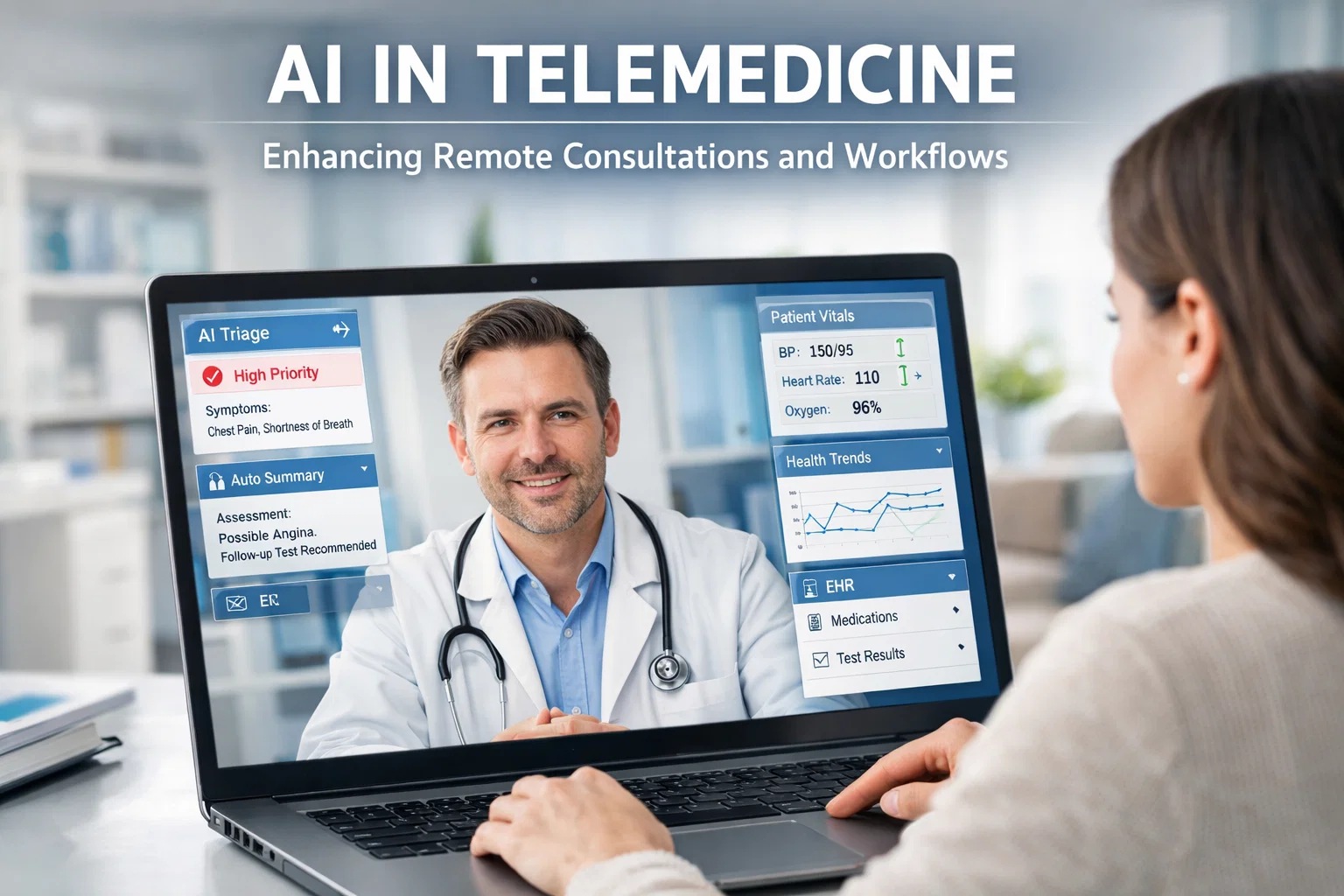
Telemedicine in rural settings connects local nurse practitioners and general physicians with remote specialists via secure video, structured messaging, and real-time diagnostic data sharing. A rural provider shares an ECG, imaging result, or lab panel with a cardiologist or oncologist hundreds of miles away and receives a consultation within hours. AI pre-screening tools triage cases by urgency to ensure the most critical patients reach specialists first. Studies document up to 78% reduction in rural diagnosis delays and 30% fewer unnecessary emergency transfers when telemedicine platforms are deployed systematically. The physical clinic infrastructure hosting these platforms — power, HVAC, network hardware — must be maintained to the same standard as the clinical technology itself. Want to see how that infrastructure stays operational 24 hours a day? sign up for free and explore the platform that keeps rural health infrastructure reliable, or book a demo with our healthcare specialists for a personalised walkthrough.
What are the biggest operational challenges facing rural healthcare facilities?
Rural healthcare facilities face six compounding operational challenges: physician shortages at 13.1 per 10,000 residents versus 31.2 in urban centers; geographic isolation that delays diagnosis and treatment; aging equipment running with zero preventive maintenance programs; fragmented health records causing costly duplicate testing and prescribing errors; emergency response times exceeding 30 minutes; and chronic underfunding with no structured CapEx planning to reverse decline. Facilities still relying on spreadsheets and reactive repair calls spend 4.8x more on emergency work than they would with a proper preventive maintenance schedule in place. Ready to change that starting this week? sign up for free and see what a structured, data-driven maintenance program looks like for your specific facility, or book a demo and let our team walk you through the full gap analysis.
How does Oxmaint specifically support rural healthcare facility operations?
Oxmaint is a mobile-first CMMS and asset management platform engineered for multi-site healthcare operations. For rural healthcare facilities it delivers: a full asset registry with condition scoring; preventive maintenance scheduling tied to real-time asset health; IoT-connected equipment monitoring with live sensor alerts; GMP-compliant digital inspection records with auto-timestamps and digital signatures; portfolio-level dashboards covering multiple clinic or hospital sites simultaneously; and rolling 5-10 year CapEx forecasting built from actual asset lifecycle data. No heavy implementation fees. No months-long onboarding. Results from day one — whether you manage a single rural clinic or a regional network of hospitals. Want to experience this starting today? sign up for free for 30 days and see every feature live in your own environment, or book a demo with our healthcare infrastructure team and get your questions answered directly.

.png)
.png)

