A single hour of MRI downtime costs imaging centers between $2,000 and $4,000 in lost revenue—yet the true impact extends far beyond the balance sheet to delayed diagnoses, disrupted patient care, and strained physician relationships. With the U.S. diagnostic imaging services market projected to grow from $140 billion in 2024 to nearly $240 billion by 2032, the pressure on imaging centers to maximize equipment uptime while managing maintenance costs has never been greater. For facility managers navigating this high-stakes environment, a systematic risk assessment approach—powered by AI analytics, IoT sensor data, and intelligent CMMS platforms—transforms maintenance from a reactive cost center into a strategic competitive advantage.
Ambulatory Care Facility Maintenance: Risk Assessment for Imaging Centers
Imaging centers operate at the intersection of cutting-edge medical technology and complex regulatory compliance requirements. Unlike general ambulatory care facilities where equipment failures create inconvenience, a malfunctioning CT scanner or MRI system directly impacts diagnostic capability, patient throughput, and clinical outcomes. The equipment itself represents enormous capital investments—a new MRI scanner can cost $3 million or more, with annual service contracts adding $100,000 to $300,000 per machine. This financial reality demands a sophisticated approach to maintenance that balances risk mitigation with operational efficiency.
The shift toward outpatient imaging services amplifies these challenges. Standalone imaging centers are growing at 5.68% annually as patients and payers seek lower-cost alternatives to hospital-based services. These facilities must compete on turnaround time, image quality, and patient experience—all of which depend on equipment that performs reliably day after day. A single unplanned downtime event can cost between $55,000 and $133,000 when accounting for lost revenue, emergency repairs, and the downstream effects on patient scheduling and physician referrals.
Boost Healthcare Response Time Using AI + IoT Data
The convergence of artificial intelligence, Internet of Things sensors, and cloud-based CMMS platforms is revolutionizing how imaging centers approach equipment maintenance. Rather than waiting for equipment to fail or adhering rigidly to calendar-based service schedules, leading facilities now leverage real-time data streams to predict failures before they occur, optimize maintenance timing, and allocate resources where they deliver the greatest impact on equipment reliability and patient care.
IoT sensors deployed on critical imaging equipment continuously monitor parameters that serve as early warning indicators of impending failure. Temperature sensors on MRI chiller systems detect cooling inefficiencies before they cause compressor shutdowns. Vibration monitors on CT scanner gantries identify bearing wear patterns that precede catastrophic failures. Power quality analyzers flag voltage fluctuations that stress sensitive electronics. This sensor data flows into Oxmaint's analytics engine, where AI algorithms correlate multiple data streams to generate predictive maintenance alerts with actionable timeframes.
The predictive maintenance capabilities enabled by AI analytics represent a paradigm shift from the traditional service model. According to industry research, 83% of imaging facilities identify CT scanners as their highest priority for predictive maintenance, followed by MRI at 72% and ultrasound at 44%. The primary benefit cited by 64% of respondents is improved equipment reliability—exactly the outcome that protects revenue, ensures patient access, and maintains physician confidence in the facility's diagnostic capabilities.
Designing a Data-Driven Program — A Healthcare Lifecycle with Integrations
Building an effective maintenance program for imaging centers requires integrating multiple data sources, compliance frameworks, and operational workflows into a cohesive system. The foundation begins with comprehensive asset tracking—using barcode and QR code systems to create digital twins of every piece of equipment from high-value MRI scanners to ancillary support systems like HVAC, uninterruptible power supplies, and medical gas infrastructure. This asset database becomes the single source of truth for maintenance history, warranty status, service contracts, and regulatory compliance documentation.
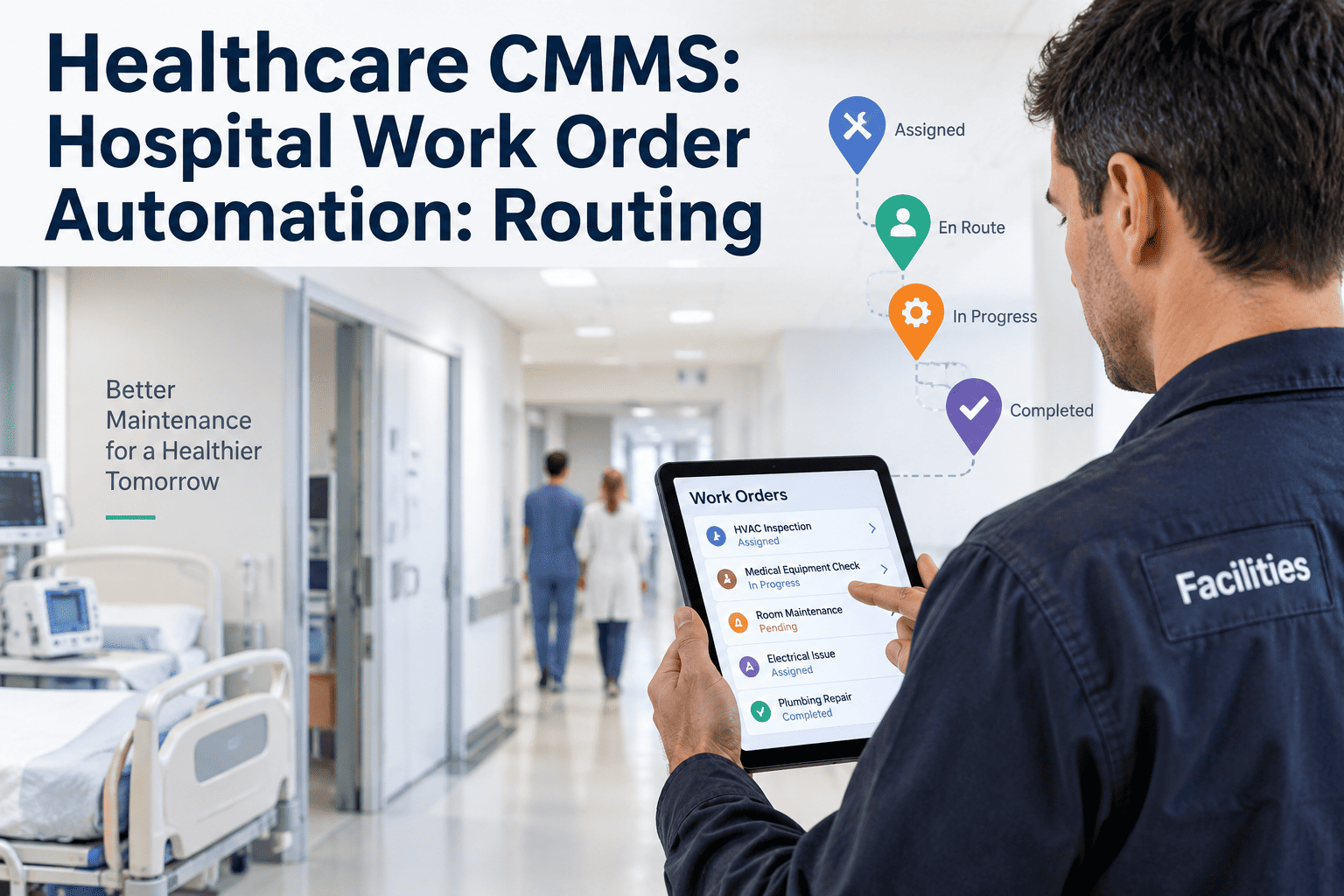
Work order automation eliminates the manual processes that delay response times and create documentation gaps. When an IoT sensor detects an anomaly—such as rising chiller temperatures on an MRI system—Oxmaint automatically generates a prioritized work order, assigns it to the appropriate technician or service vendor based on skill matrix and availability, and initiates the parts procurement workflow if replacement components may be required. This automated response can compress the time from problem detection to resolution by 40% or more compared to manual dispatch processes.
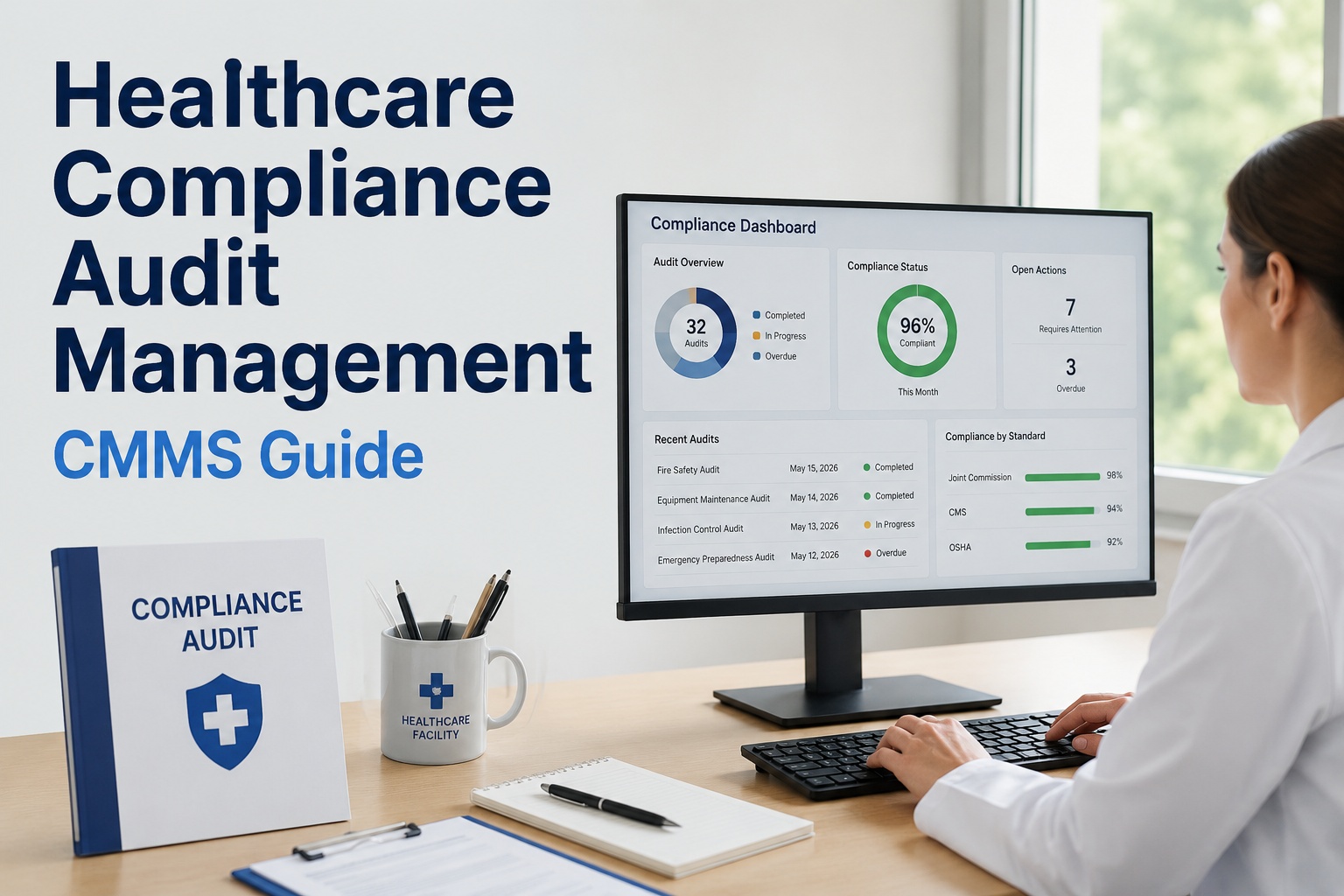
Compliance documentation represents another critical integration point. Imaging centers must maintain audit trails demonstrating adherence to ACR accreditation requirements, state radiation safety regulations, and FDA quality system requirements for medical devices. Oxmaint's compliance logs automatically capture every maintenance activity with timestamps, technician credentials, parts used, and test results—creating the documentation framework that surveyors and auditors expect. Mobile inspections enable technicians to complete standardized checklists with photo evidence, eliminating transcription errors and ensuring consistent data quality across all service events.
Energy management integration adds another dimension to imaging center maintenance optimization. MRI systems consume enormous amounts of electricity—a typical 1.5T scanner draws 30-50 kW during operation, with chiller systems adding substantial additional load. CT scanners, while less power-hungry, still represent significant energy costs. By correlating equipment performance data with utility consumption patterns, Oxmaint helps facilities identify inefficiencies, schedule high-consumption maintenance activities during off-peak rate periods, and document energy savings that support sustainability initiatives and operational cost reduction.
Imaging center administrators seeking to optimize their maintenance programs can benefit from hands-on experience with modern CMMS capabilities. Start by exploring Oxmaint's healthcare CMMS platform to see how digital work orders, barcode/QR asset tracking, and mobile inspections streamline daily operations. For facilities preparing for ACR accreditation surveys or struggling with compliance documentation, our imaging compliance specialists can demonstrate how audit-ready records are generated automatically as part of routine maintenance workflows.
Radiology directors evaluating service contract options should consider how data-driven maintenance analytics can inform contract negotiations and identify cost optimization opportunities. Organizations ready to implement predictive maintenance capabilities can create a free Oxmaint account and begin building their equipment database with IoT sensor integrations. For multi-site imaging networks, enterprise deployment consultations help standardize maintenance practices across locations while preserving local operational flexibility.
Expert Review: Perspectives on Imaging Equipment Maintenance
The evolution from reactive to predictive maintenance represents a fundamental shift in how imaging centers manage their most valuable assets. With equipment acquisition costs measured in millions of dollars and downtime costs measured in tens of thousands per hour, the business case for sophisticated maintenance management is compelling. The facilities that master this transition—leveraging AI analytics, IoT integration, and comprehensive CMMS platforms—will capture competitive advantages in uptime, patient access, and operational efficiency that translate directly to market position and financial performance.
Conclusion: Building Resilient Imaging Operations
The diagnostic imaging market's projected growth from $140 billion to nearly $240 billion by 2032 signals both opportunity and intensifying competition for imaging centers. Success in this environment requires more than excellent clinical capabilities—it demands operational excellence that maximizes equipment availability, minimizes unplanned downtime, and demonstrates compliance with an increasingly complex regulatory landscape. Risk assessment methodologies borrowed from aerospace and manufacturing—like FMEA and fault tree analysis—provide the analytical frameworks needed to prioritize maintenance investments where they deliver the greatest impact.
The integration of AI analytics, IoT sensors, and cloud-based CMMS platforms transforms these frameworks from static documents into dynamic systems that continuously adapt to changing conditions. When a chiller temperature trend suggests impending failure, the system generates alerts, schedules intervention, and updates risk scores—all before patients or staff notice any degradation in equipment performance. This predictive capability represents the future of imaging center maintenance, and the facilities that embrace it today will define the standard of operational excellence for years to come.
For imaging center administrators ready to begin this transformation, Oxmaint CMMS provides the platform, the integrations, and the expertise needed to implement risk-based maintenance programs that protect revenue, ensure compliance, and deliver the equipment reliability that patients and physicians depend upon. The investment in modern maintenance management pays dividends measured not just in dollars saved, but in diagnoses delivered, patients served, and lives improved through timely access to essential diagnostic imaging services.