Ambulatory surgery centers process over 65% of all U.S. surgeries—more than 28 million procedures annually—with an average same-room turnover time under 14 minutes. This operational velocity depends entirely on biomedical equipment that performs flawlessly case after case: anesthesia machines that deliver precise gas mixtures, sterilizers that achieve validated cycles, electrosurgical units that cut and coagulate without hesitation. When equipment fails mid-procedure or during survey week, the consequences cascade through cancelled cases, compliance citations, and revenue losses that threaten the thin margins ASCs operate within.
The challenge intensifies as ASCs expand into higher-acuity procedures—total joints, cardiac interventions, spine surgery—that demand more sophisticated equipment with stricter maintenance requirements. Meanwhile, HVAC systems consuming 40-60% of facility energy costs and medical devices drawing continuous power create operational expenses that directly impact profitability. Facilities that get support for integrated maintenance programs discover that equipment compliance and energy optimization aren't competing priorities—they're interconnected systems that, when managed together, reduce costs while improving reliability.
Boost healthcare audit readiness with Oxmaint CMMS
Joint Commission, AAAHC, and CMS surveys share a common thread: they evaluate not just whether equipment works, but whether you can prove it's been properly maintained. The Environment of Care standards require written inventory of all medical equipment, documented inspection and testing protocols, and evidence that safety risks have been identified and mitigated. Paper-based systems fail these requirements when logbooks go missing, handwriting becomes illegible, or the one person who understood the filing system leaves for another facility.
| Equipment Category | PM Frequency | Required Documentation | Survey Focus |
|---|---|---|---|
| Anesthesia Machines | Daily checks + Annual certification | Unique ID in patient record, pre-use safety checks, service logs | Calibration records, alarm testing |
| Sterilizers/Autoclaves | Daily biological + Weekly Bowie-Dick | Cycle printouts, biological indicator results, maintenance records | Load records, spore test documentation |
| Electrosurgical Units | Annual + Before each use | Output verification, safety testing, ground integrity checks | Inspection stickers, calibration dates |
| Patient Monitors | Annual calibration | Accuracy verification, alarm function testing, battery checks | Current calibration, functional alarms |
| Defibrillators/AEDs | Monthly checks + Annual service | Battery status, pad expiration, energy delivery verification | Readiness documentation, expiration tracking |
| Emergency Generator | Weekly run + Monthly load test | Run time logs, fuel levels, transfer switch testing | NFPA 110 compliance, load bank records |
| HVAC Systems | Monthly filters + Quarterly service | Pressure differentials, temperature logs, air change verification | OR environment, sterile storage conditions |
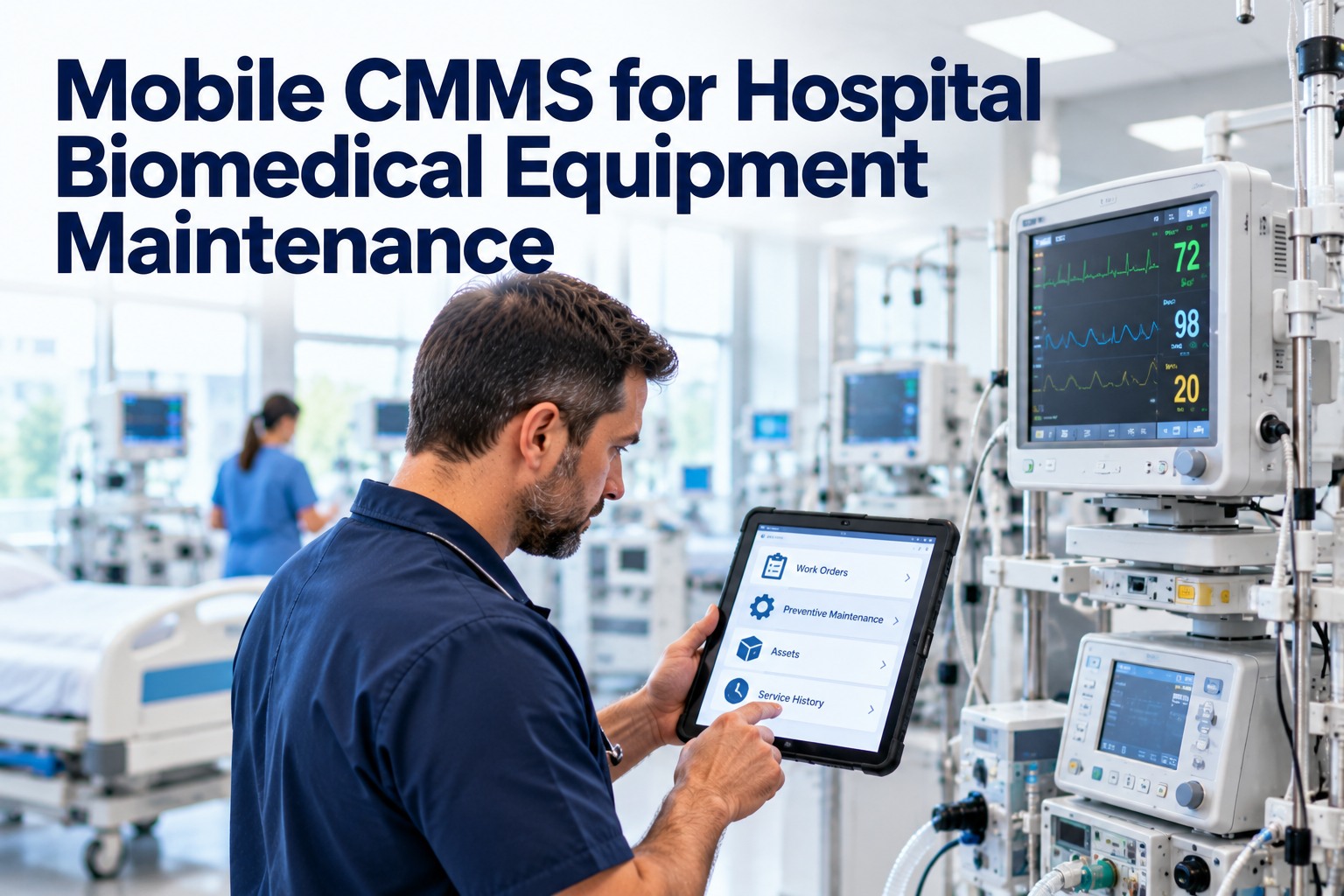
Digital CMMS platforms transform compliance from a documentation burden into an automated workflow. When a technician scans an anesthesia machine's barcode, the system displays the required checklist, captures timestamped responses, and stores the record in a searchable database accessible during any survey. Automated scheduling ensures PM tasks generate before due dates, while escalation alerts notify supervisors when deadlines approach. Facilities evaluating these capabilities should schedule a demo for healthcare CMMS solutions to see how digital documentation eliminates survey anxiety.
Standardizing compliance at scale—a healthcare blueprint with AI
AI-powered maintenance systems represent the next evolution beyond reactive and even preventive approaches. Predictive algorithms analyze equipment sensor data, usage patterns, and historical failure modes to forecast problems before they manifest as clinical disruptions. A 2024 multi-state network study found that AI-powered scheduling reduced case cancellations by 27% and improved on-time surgical starts by 34%—metrics that directly translate to revenue protection and patient satisfaction.
The integration extends beyond individual devices to facility-wide energy management. Smart building systems correlate HVAC performance with surgical schedules, automatically reducing air changes in ORs during unoccupied periods while maintaining required pressure relationships. Cleveland Clinic's ambulatory facilities achieved 20-23% energy savings through building automation system upgrades and chiller plant optimization—savings that flow directly to operating margin in an industry where every percentage point matters.
Energy Optimization Strategies for Surgical Environments
Operating rooms present unique energy challenges: ASHRAE 170 mandates 20 air changes per hour with positive pressurization during procedures, driving HVAC systems to consume energy at rates far exceeding typical commercial spaces. Yet many ASCs run ORs at full ventilation 24/7 regardless of occupancy, wasting significant resources heating, cooling, and filtering air in empty rooms. Facilities implementing contact support for energy management strategies can capture substantial savings while maintaining full compliance during occupied hours.
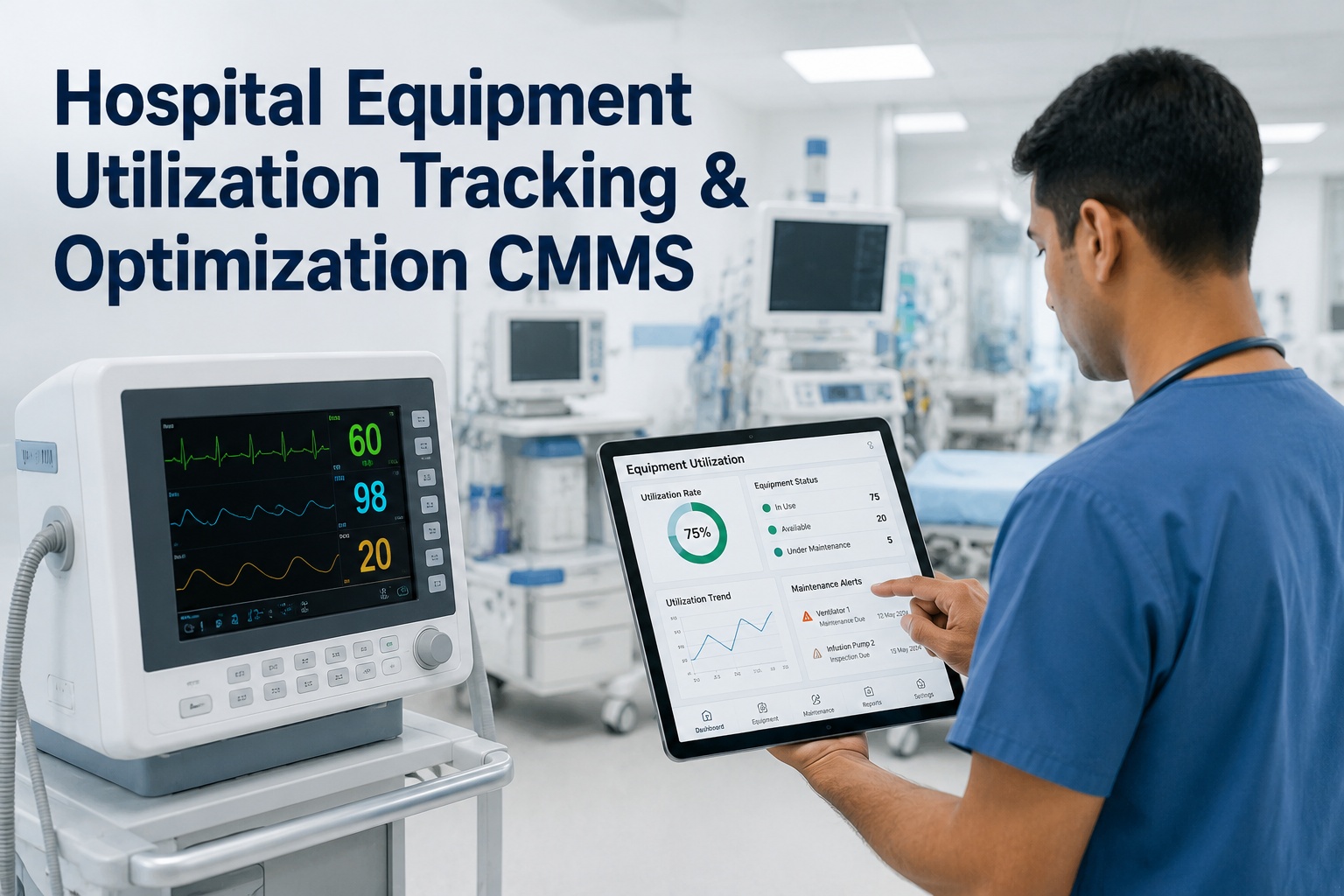
The connection between equipment maintenance and energy efficiency extends to medical devices themselves. Sterilizers operating with degraded heating elements consume more energy achieving cycle temperatures. Surgical lights with aging ballasts draw excess current. Monitoring equipment with failing power supplies waste electricity as heat. A comprehensive maintenance program addresses both compliance documentation and operational efficiency, creating compound returns that justify technology investments. Consider how you might book a demo for energy-integrated maintenance tracking to explore these interconnected benefits.
Expert Review: Measuring ASC Maintenance Performance
The most successful ASCs treat equipment maintenance as a strategic function rather than a cost center. When you can demonstrate 100% PM compliance, zero equipment-related case cancellations, and energy costs below regional benchmarks, you've built a competitive advantage that attracts surgeons, satisfies payers, and protects margins in an increasingly challenging reimbursement environment.
Conclusion: Equipment Excellence as Competitive Advantage
Ambulatory surgery centers occupy a unique position in healthcare: delivering high-complexity procedures with hospital-level equipment but without hospital-level infrastructure and staffing. This operational model demands that every asset perform reliably, every maintenance record withstand survey scrutiny, and every utility dollar stretch further than in traditional settings. The facilities thriving in this environment have recognized that biomedical equipment compliance and energy optimization aren't separate initiatives—they're interconnected outcomes of systematic, technology-enabled maintenance management.
The path forward is clear: digital asset tracking replaces paper logbooks, automated scheduling prevents missed PMs, predictive analytics catch failures before they cancel cases, and integrated building systems capture energy savings that protect margins. For ASC administrators evaluating these capabilities, the question isn't whether to modernize maintenance operations—it's how quickly you can implement systems that your competitors are already using to attract surgeons, satisfy payers, and deliver the cost-effective, high-quality care that defines the ambulatory surgery model.