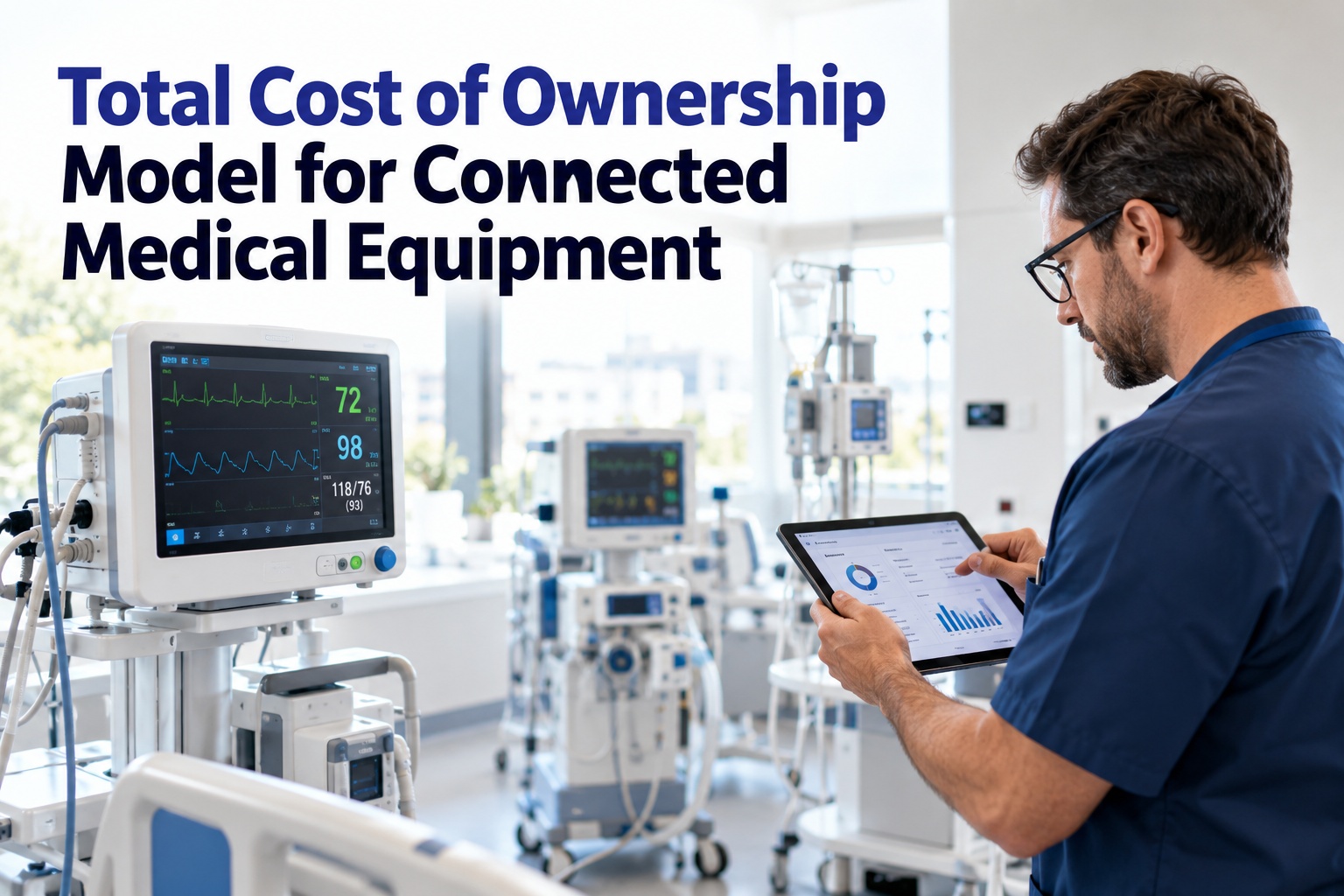
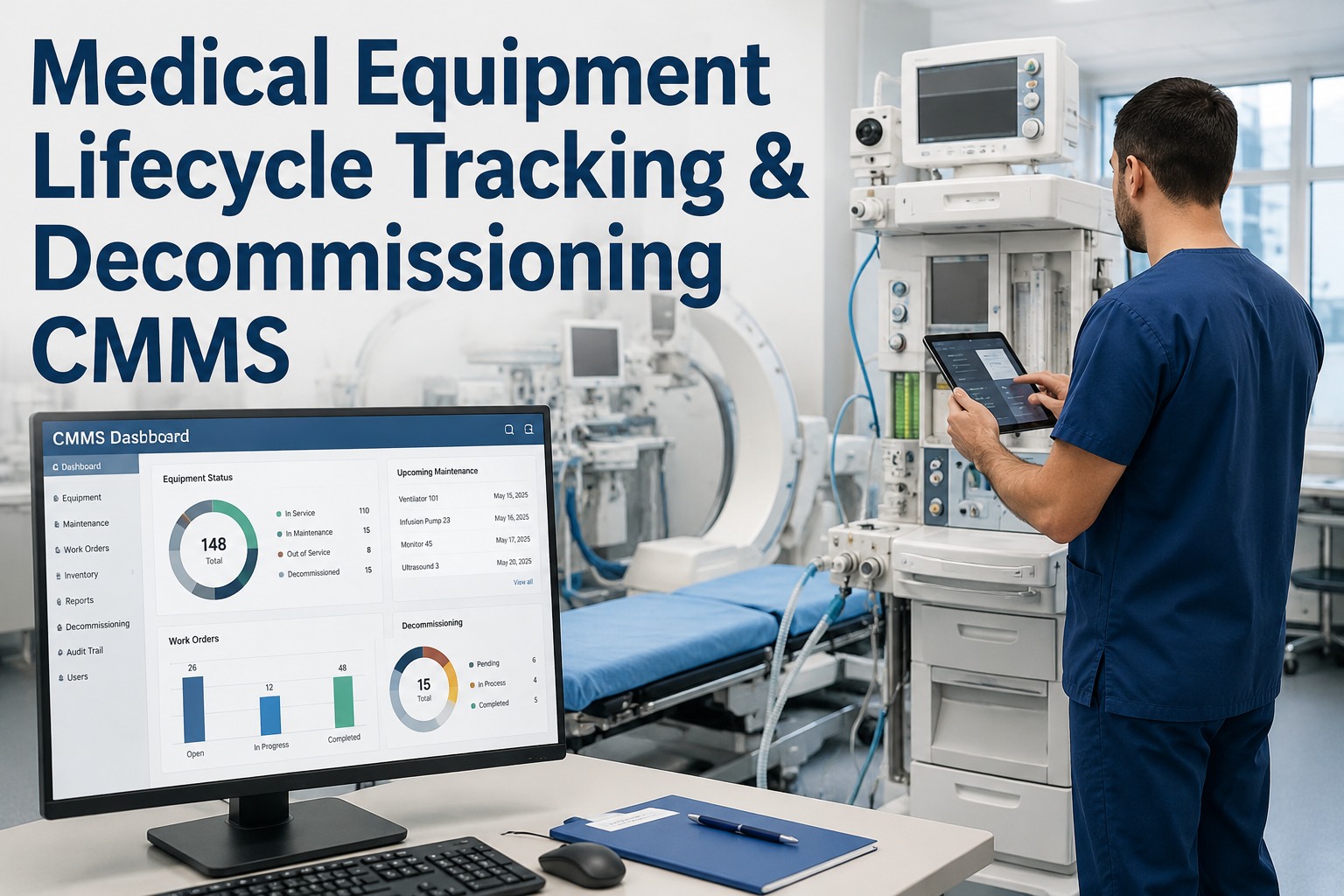
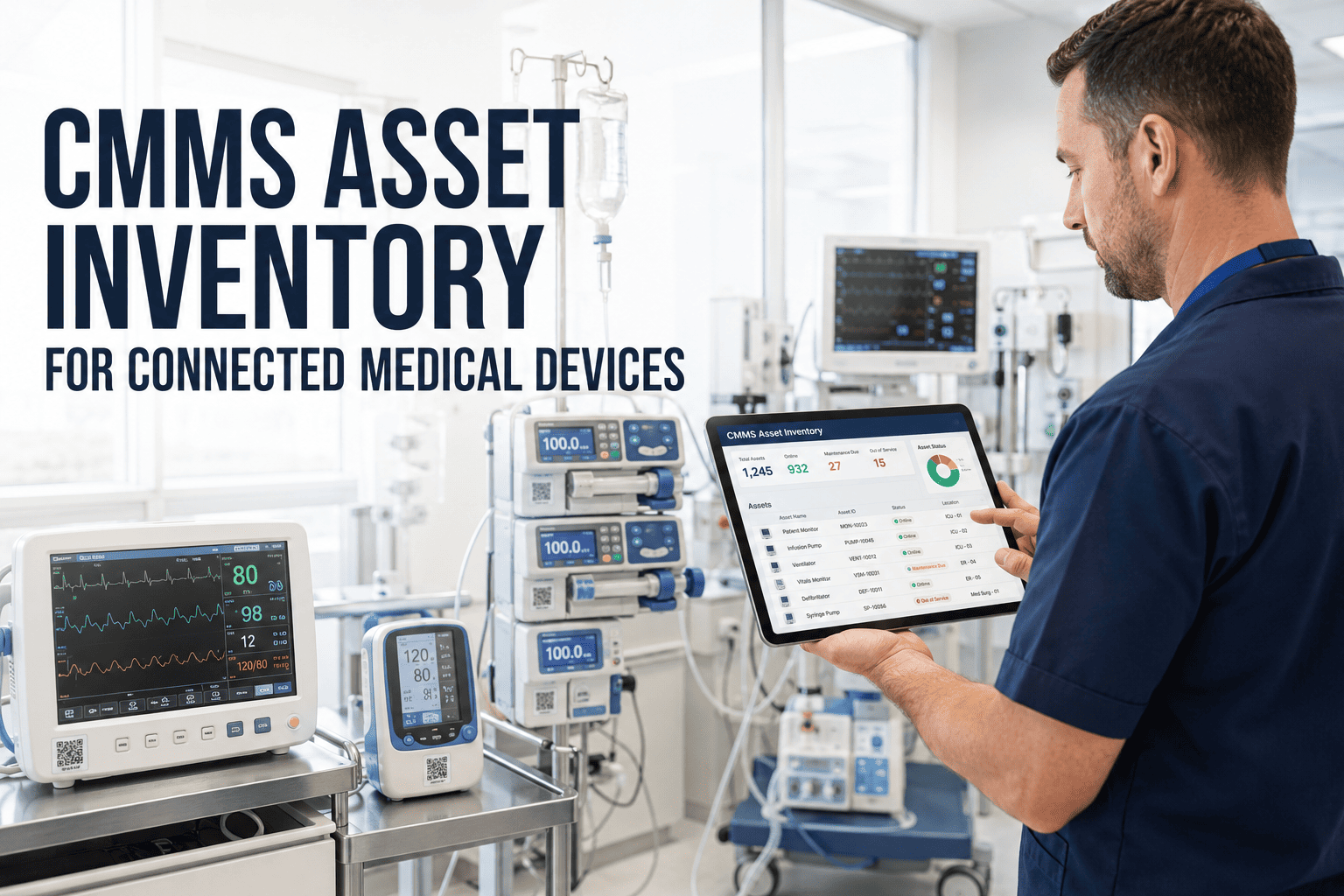
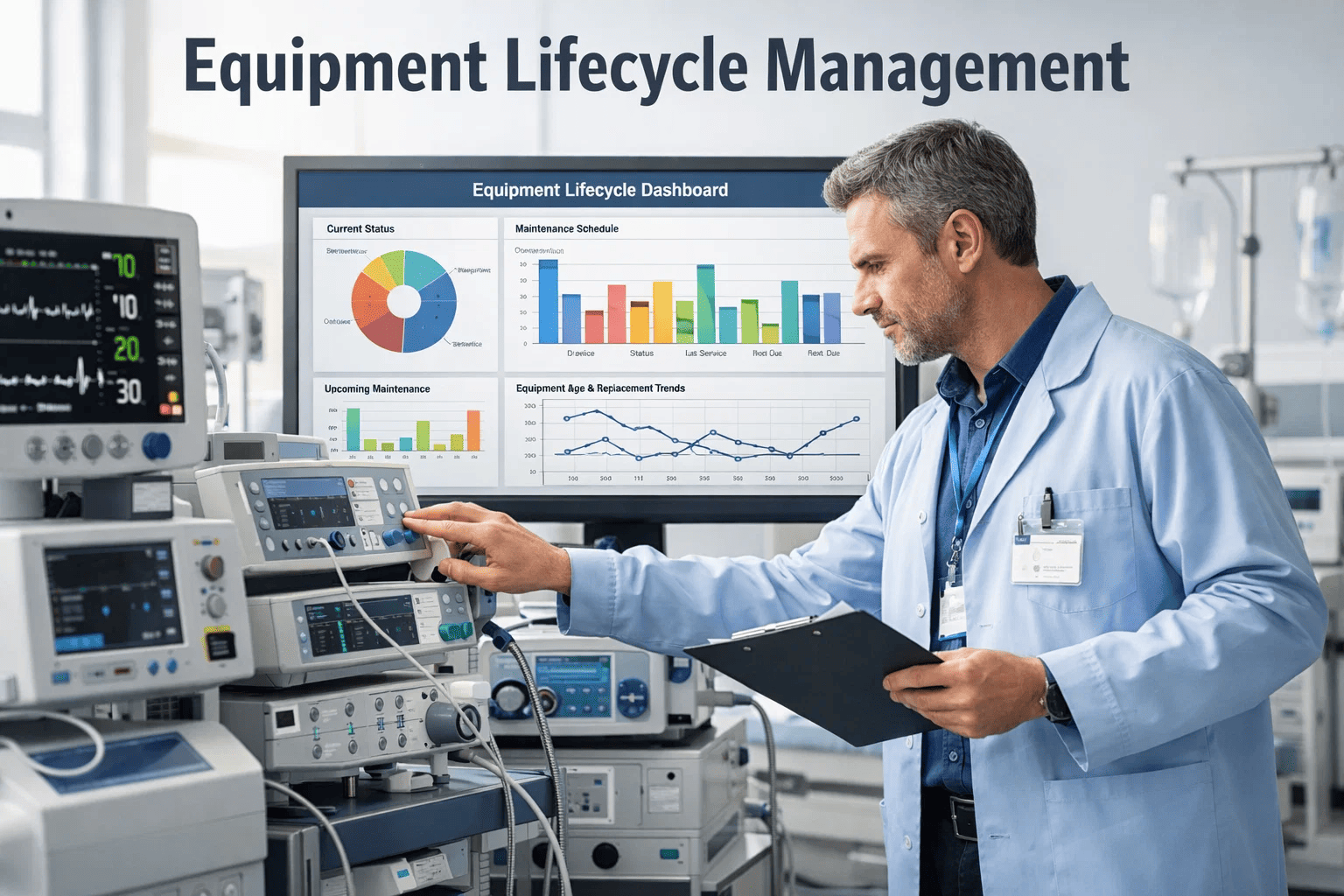
Biomedical equipment is the backbone of clinical care — and yet most healthcare facilities still manage it through spreadsheets, paper logs, and reactive repair calls. The gap between knowing a device is failing and acting before it fails is where hospitals lose money, expose themselves to compliance risk, and compromise patient outcomes. A ventilator that goes offline during a critical case, an infusion pump flagged during a Joint Commission survey, or an MRI scanner that breaks down without a replacement plan — these are not random events. They are the predictable result of equipment management that relies on guesswork instead of structured lifecycle data. Modern clinical engineering demands a different standard: complete asset visibility, proactive preventive maintenance scheduling, and total cost of ownership analysis built into every device from acquisition to retirement. If your biomedical department is ready to move from reactive firefighting to systematic lifecycle optimization, start a free 30-day trial with Oxmaint today or book a demo with our healthcare asset management team.
Stop Managing Biomedical Equipment With Spreadsheets and Reactive Repairs
Oxmaint gives clinical engineers and biomedical technicians a purpose-built CMMS for complete device lifecycle management — from incoming inspection and QR-based asset tracking to PM scheduling, TCO analysis, and compliance-ready documentation across every department and campus.
What Is Biomedical Equipment Management — and Why Does It Define Clinical Risk?
Biomedical equipment management is the structured discipline of overseeing every medical device through its full operational life — from procurement and incoming inspection through preventive maintenance, corrective repair, condition scoring, and ultimate retirement or replacement. It is practiced by clinical engineers, biomedical equipment technicians (BMETs), and healthcare asset managers responsible for ensuring that every device in a clinical environment operates within specification, remains compliant with regulatory standards, and is maintained at a total cost of ownership that is defensible to hospital leadership and board-level oversight.
The stakes are uniquely high in clinical settings. Unlike commercial or industrial facilities where equipment failure causes production loss, a failed biomedical device directly affects patient safety — and the regulatory, legal, and reputational consequences compound rapidly. Joint Commission Environment of Care standards, FDA medical device reporting requirements, CMS Conditions of Participation, and ISO 13485 quality management frameworks all impose documentation, testing, and traceability obligations that manual systems cannot consistently meet. The clinical engineering department that cannot produce a complete PM history for every infusion pump in a survey-ready format is not just inconvenienced — it is exposed. To build the infrastructure to meet this standard from day one, start a free trial and configure your first device registry, or book a demo with our clinical engineering specialists.
The 6 Stages of a Medical Device Lifecycle — and Where Most Programs Break Down
Effective biomedical equipment management is not a single event — it is a continuous cycle with six distinct stages, each generating data that should feed the next. Most hospital programs manage one or two stages adequately; the rest operate in isolation or not at all. Here is where structured CMMS support changes the outcome.
Every device enters the registry at procurement — serial number, model, department assignment, manufacturer PM specifications, and warranty dates captured and linked to the asset record before first clinical use.
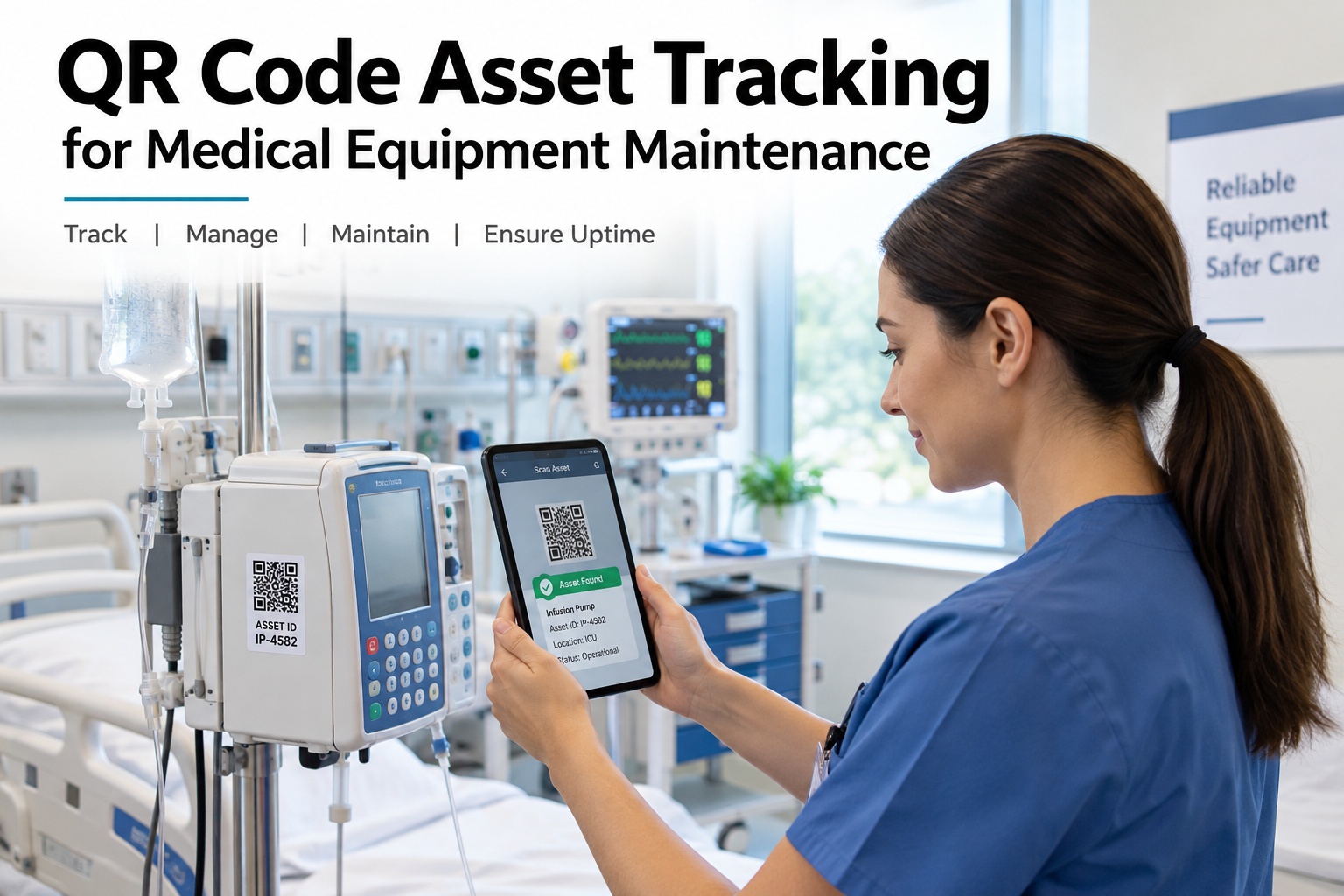
QR code or barcode labels enable instant asset identification across every department, floor, and campus. Real-time location tracking eliminates the "missing device" problem that plagues large clinical inventories.
PM tasks are generated automatically based on manufacturer intervals, usage hours, or cycle counts — tied directly to the asset record and dispatched to the assigned BMET with full procedure checklists and parts requirements.
Work orders created from device failures carry full context — asset history, last PM date, open recalls, and technician notes — enabling faster diagnosis, fewer repeat failures, and complete repair documentation for compliance records.
Cumulative maintenance cost, failure frequency, age relative to manufacturer expected lifespan, and condition scores combine to generate evidence-based replacement recommendations — replacing gut-feel CapEx decisions with defensible data.
End-of-life documentation captures disposal method, decommission date, and replacement asset link — feeding rolling 5-10 year CapEx models that give hospital CFOs and purchasing committees the forecast data they need for capital planning cycles.
8 Operational Failures That Break Biomedical Equipment Programs
These are the recurring failure modes that clinical engineers and biomedical managers report before implementing a structured CMMS program. Each one is measurable, preventable, and directly traceable to a specific gap in the asset management infrastructure.
Critical assets move between departments, floors, and buildings with no tracking — creating audit exposure when surveyors ask for a complete equipment census and the answer is a partially-complete spreadsheet.
Calendar-based PM tracking in Excel creates missed intervals, overdue tasks that go undetected for months, and no automatic escalation when a device enters an out-of-compliance state — leaving the BMET team exposed at every survey.
When devices are repaired only after failure, the organization absorbs the 4.8x emergency repair cost premium, accepts the clinical disruption of unplanned downtime, and accumulates no condition data to inform replacement decisions.
Without aggregated repair cost history per asset, clinical engineering cannot identify which devices are consuming disproportionate maintenance resources — allowing aging equipment to continue absorbing budget that should be funding replacements.
Repair notes in personal notebooks, PM records in departmental files, and work orders in disconnected ticketing systems create an audit trail that is impossible to reconstruct — a compliance liability during every regulatory review cycle.
FDA Class I, II, and III device recalls require rapid identification and quarantine of affected devices. Without a searchable, real-time asset registry linked to device identifiers, recall response is manual, slow, and dangerously incomplete.
Capital equipment budgets built without condition data, repair cost history, or utilization metrics produce replacement cycles that are either premature — wasting capital — or dangerously deferred, increasing failure risk on aging devices.
Healthcare systems managing multiple hospitals, clinics, or ambulatory centers have no real-time view of asset compliance rates, open work orders, or equipment condition across the portfolio — making system-level risk invisible until it escalates.
How Oxmaint Delivers End-to-End Biomedical Equipment Lifecycle Management
Oxmaint is built for the operational realities of clinical engineering — complete asset visibility, automated PM workflows, condition-based lifecycle scoring, and compliance documentation that is audit-ready on demand. Every feature below is live in the platform today, built specifically for biomedical and healthcare asset management teams. Explore it yourself — start a free trial or book a demo and get a walkthrough of the full biomedical module.
Every medical device gets a unique QR or barcode label linked to its full asset record — location, department, maintenance history, PM status, and warranty data — accessible instantly on any mobile device without logging into a desktop system.
PM tasks are generated from manufacturer intervals, usage hours, or cycle counts — automatically dispatched to the assigned BMET with digital checklists, required parts, and escalation rules when tasks are approaching or past due.
Every corrective repair is captured as a structured work order with asset context, technician assignment, labor tracking, parts used, and resolution notes — building the maintenance history that powers condition scoring and CapEx models.
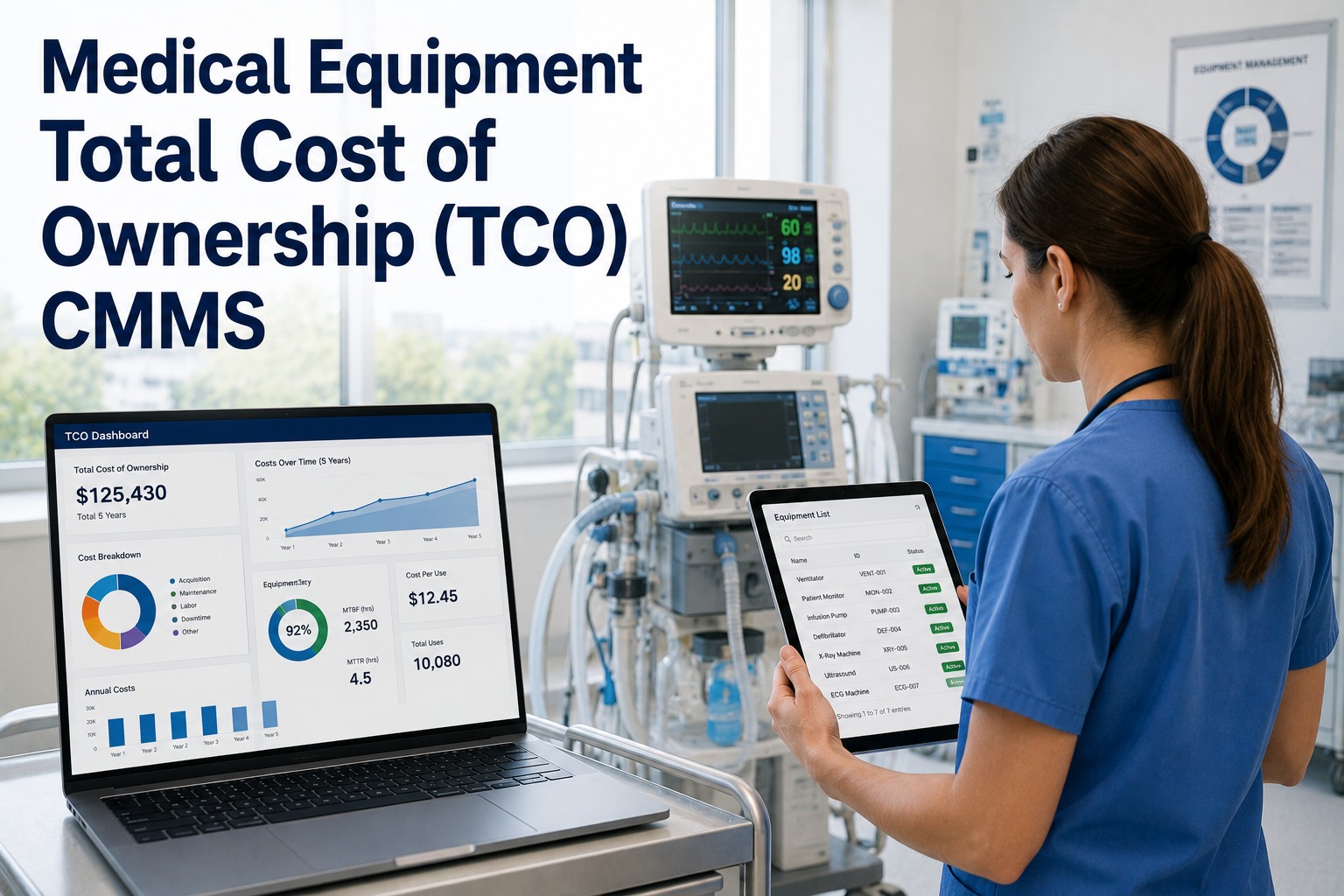
Aggregate repair cost, PM labor, and parts spend per asset over any date range — identifying devices where cumulative maintenance cost has exceeded replacement thresholds and generating evidence-based retirement recommendations for capital planning.
Every work order, PM completion, inspection result, and technician action carries a timestamped digital signature — producing a Joint Commission and CMS-ready documentation chain that requires no manual reconstruction before a survey.
Condition scores, age, repair frequency, and utilization data feed rolling CapEx models that project equipment replacement needs across 5 to 10 years — giving hospital leadership and CFOs the forward-looking data they need for capital budget cycles.
Legacy Biomedical Management vs Oxmaint CMMS — Side by Side
The operational difference between spreadsheet-based biomedical management and a purpose-built CMMS is not a matter of convenience — it is a fundamental difference in risk exposure, compliance readiness, and financial control. The table below compares six critical operational dimensions.
| Management Area | Spreadsheet / Paper Legacy | Oxmaint CMMS |
|---|---|---|
| Asset Inventory Accuracy | Manually updated; 20-35% of devices not tracked in real time at any given point | Real-time QR-linked registry with location tracking — 100% device visibility across all sites |
| PM Compliance Rate | Missed intervals common; no automatic alerts when PM is overdue — audit gaps accumulate silently | Automated PM generation with escalation alerts — facilities report 95%+ PM compliance rates within 90 days |
| Work Order Traceability | Verbal handoffs, paper job cards, notes in personal files — no searchable repair history | Every repair captured with timestamps, technician signatures, parts used, and asset-linked history |
| Recall Response Time | Manual cross-reference of paper logs against recall notice — can take days to identify all affected devices | Instant search by model, serial range, or manufacturer — affected devices identified and quarantined in minutes |
| CapEx Decision Basis | Age and gut instinct — no repair cost data, no condition scores, no utilization metrics to support recommendations | TCO analysis, condition scoring, and rolling 5-10 year CapEx models built from actual asset data |
| Audit Preparation Time | 2-6 weeks of manual record reconstruction before every Joint Commission or CMS survey | Audit-ready reports generated on demand in minutes — timestamped, digitally signed, export-ready |
Measured Impact: What Structured Biomedical Lifecycle Management Delivers
The following benchmarks are drawn from published clinical engineering studies, CMMS adoption reports, and healthcare facility management data. They represent the measurable outcomes that biomedical departments consistently achieve when they move from reactive, spreadsheet-based management to structured CMMS-driven lifecycle programs. Ready to model these outcomes for your facility? Start a free 30-day trial and run your first asset condition assessment, or book a demo to see a live ROI walkthrough for your department size and device census.
Frequently Asked Questions on Biomedical Equipment Management
What is the difference between a biomedical CMMS and a general-purpose maintenance system?
A general-purpose CMMS is designed for facilities maintenance — HVAC, plumbing, structural systems — where compliance requirements are relatively uniform and device-specific traceability is not critical. A biomedical CMMS is built around the specific requirements of medical device management: FDA recall linkage by serial number and model, Joint Commission PM completion rate reporting, electrical safety testing documentation, GMP inspection checklists, and condition scoring tied to manufacturer expected lifespan. Oxmaint covers both — it serves as a unified platform for clinical engineering, facilities, and plant operations — so biomedical and facilities teams share one system without compromising the depth of documentation either discipline requires. If you want to see how this works across departments, start a free trial or book a demo with our healthcare team.
How does QR-based asset tracking work for biomedical equipment in a hospital?
In Oxmaint, every medical device is registered in the asset hierarchy and assigned a unique QR code label. When a technician scans the label with a mobile device, they instantly access the asset's full record — current PM status, last work order, manufacturer specifications, spare parts list, and compliance documentation. They can create a new work order, complete a PM checklist, log a corrective repair, or update the asset location — all from the scan, without navigating to a desktop workstation. This eliminates the lag between identifying a problem and creating a traceable action, and it ensures that location tracking stays current even in large, multi-floor facilities where devices are frequently moved between departments or clinical units.
How does a CMMS support Joint Commission biomedical equipment compliance?
Joint Commission Environment of Care standard EC.02.04.01 requires hospitals to maintain a medical equipment management program that includes an inventory of all equipment subject to maintenance, evidence of PM completion rates meeting or exceeding program-defined thresholds, and documentation of corrective maintenance for every device failure. Oxmaint satisfies all three requirements natively — the asset registry is the inventory, PM completion dashboards show compliance rates in real time, and every work order builds the corrective maintenance audit trail. When surveyors request documentation, Oxmaint generates a filtered, timestamped, digitally-signed export in minutes — eliminating the 2-6 week manual record reconstruction that paper-based departments must endure before every survey cycle.
How does Oxmaint handle biomedical equipment across multiple hospital campuses?
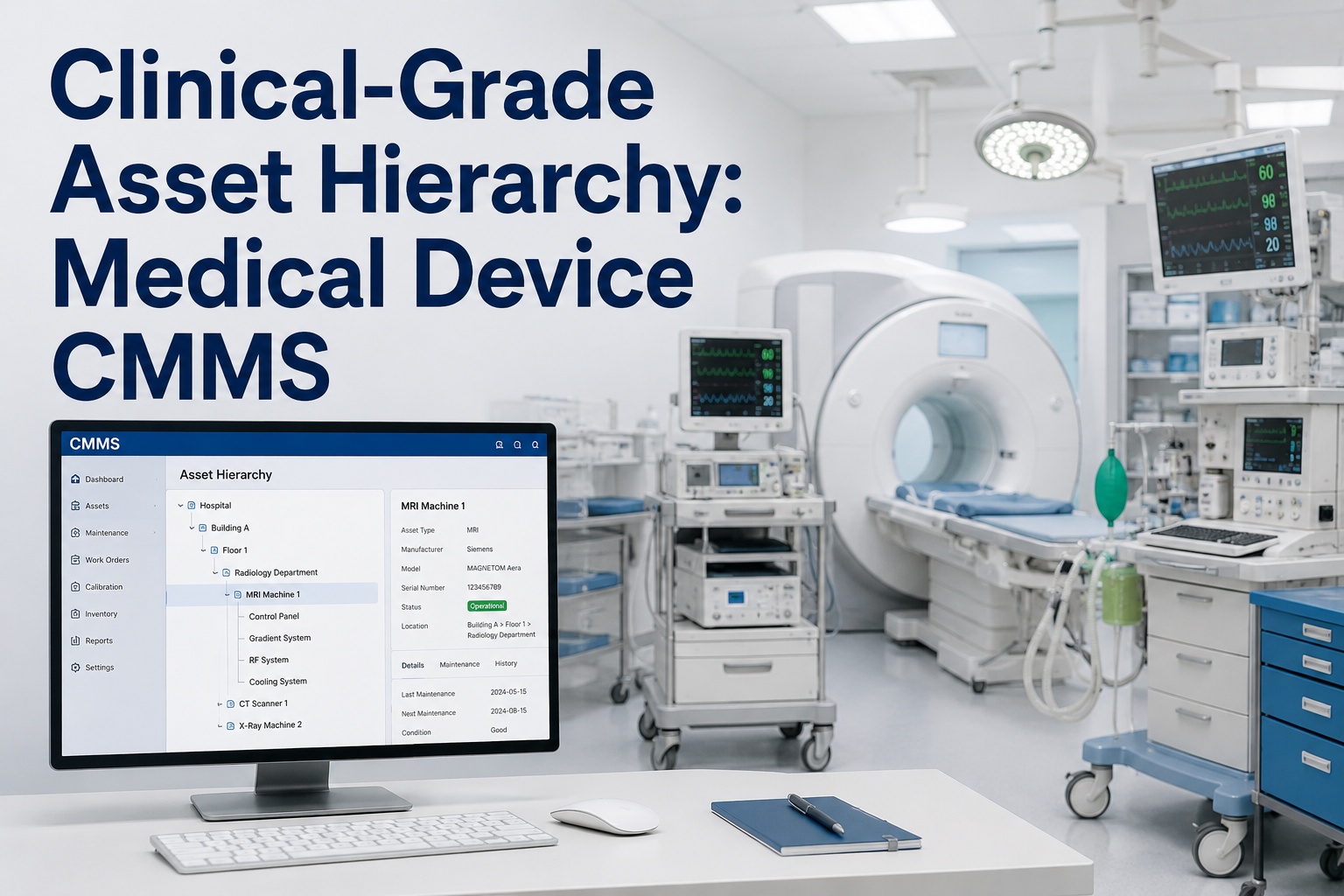
Oxmaint is built on a multi-site asset hierarchy — Portfolio, Property, System, Asset, Component — which maps directly to healthcare organization structures: health system, hospital, department, device, and component. Every biomedical technician sees only the assets assigned to their location by default, while clinical engineering managers and system-level administrators have a single real-time dashboard across every campus. Open PM tasks, overdue work orders, device condition scores, and compliance rates are visible at any level of aggregation. Healthcare systems with 2 hospitals or 20 ambulatory sites use the same platform architecture without configuration changes — you add a new property to the hierarchy and all workflow, reporting, and compliance rules apply automatically.
Every Device. Every PM. Every Repair. Every Audit. One Platform.
Oxmaint gives biomedical engineering teams the infrastructure to manage the full medical device lifecycle — QR-based asset tracking, automated PM scheduling, work order management, TCO analysis, and compliance documentation that is Joint Commission and CMS audit-ready on demand. Built for single hospitals and multi-site healthcare systems. No heavy implementation. No long onboarding. No spreadsheets.
Trusted by clinical engineers and biomedical managers across the US, UK, UAE, and Australia.
No credit card required. 30-day free trial. Cancel anytime.