A single undocumented confined space entry or incomplete LOTO isolation record at a cement plant can trigger an average OSHA citation of $156,000 — plus unquantifiable human and operational risk. In 2023, 74% of OSHA inspections at cement and mineral processing facilities identified at least one permit-required confined space documentation failure. The permits existed on paper. The gas tests were performed. The rescue plans were documented. The critical gap was the absence of a real-time, auditable connection between field execution and centralized records. Oxmaint eliminates this gap by digitizing confined space permits, LOTO procedures, fall protection tracking, and silica exposure monitoring — delivering seamless compliance and operational control across your entire cement operation.
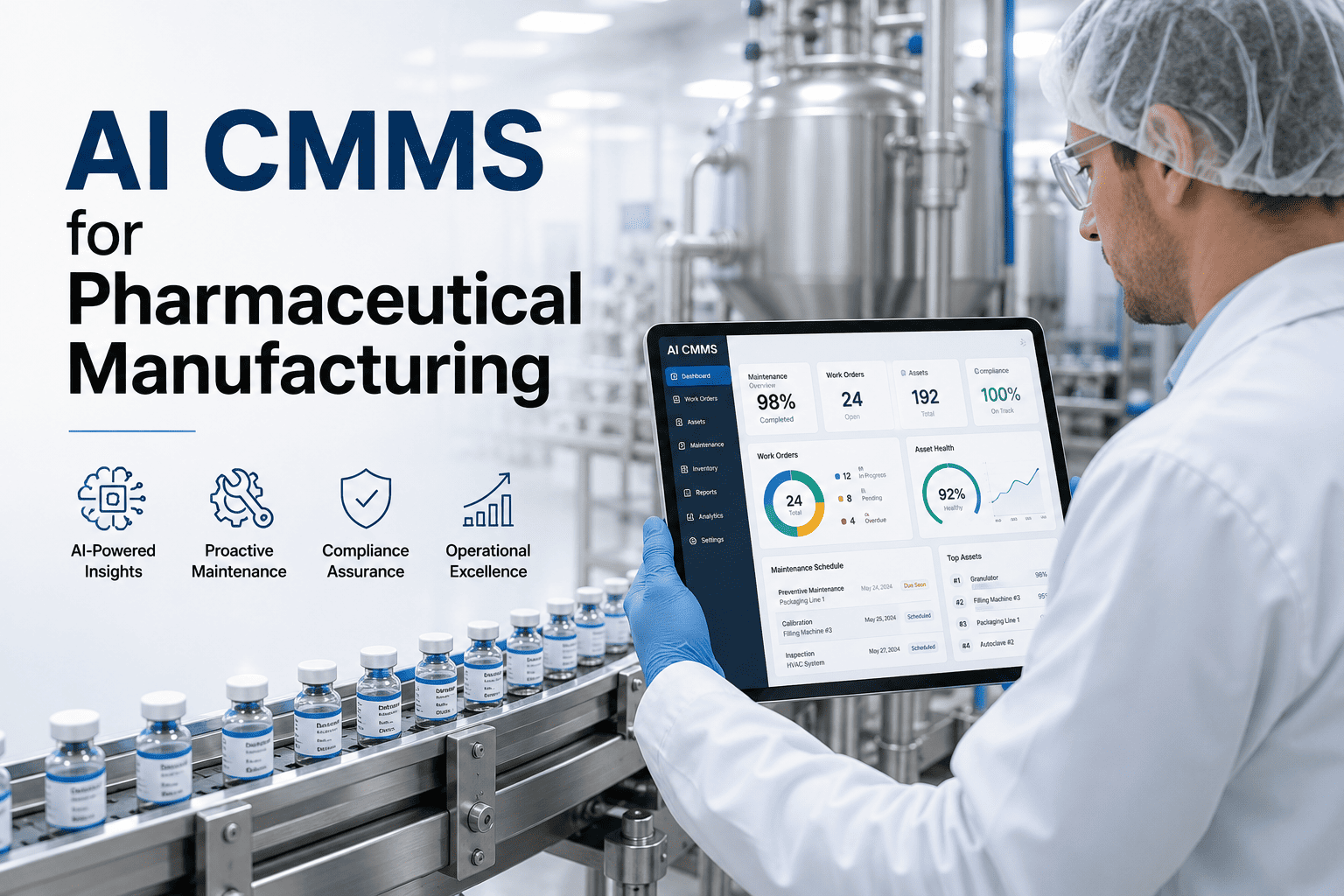
Oxmaint integrates CMMS, ERP, and MES into unified GxP-compliant systems — eliminating data islands between maintenance, production, and quality. Equipment maintenance records automatically link to batch documentation, supply chain visibility accelerates batch release by 2-3 days, and regulatory audits are ready in under 2 hours. Book a demo to see your integration roadmap.
The Four Integration Priorities for Pharma Manufacturing Excellence
Each integration requirement carries regulatory weight, operational consequence, and substantial business impact when executed poorly. Book a demo to see the unified integration architecture for your facility configuration.
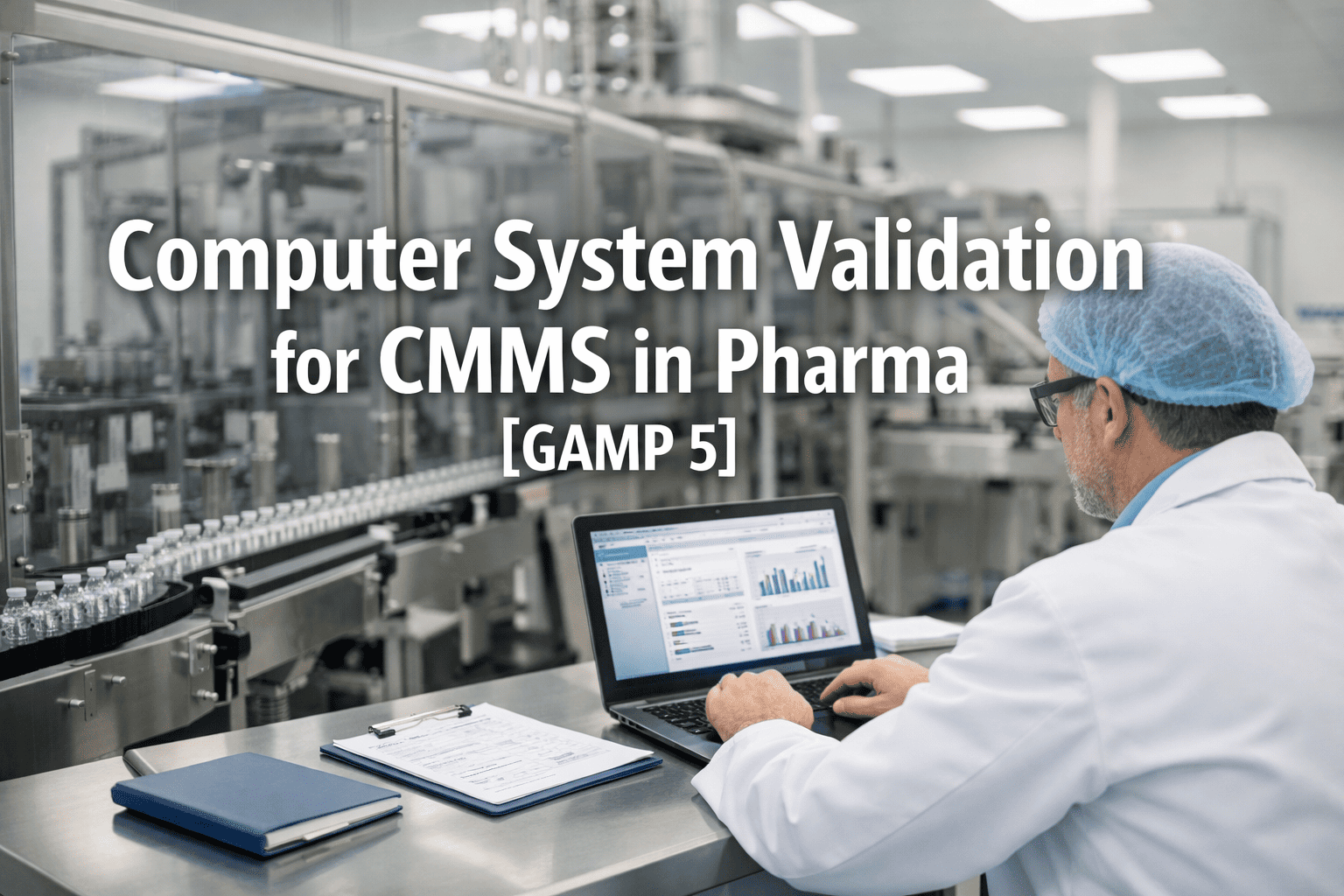
FDA Form 483 citations consistently identify maintenance records not linked to batch documentation. Oxmaint captures all maintenance events with 21 CFR Part 11-compliant electronic signatures, audit trails, and timestamps — then automatically synchronizes records with batch production documentation in real time.
Equipment failures cascade through production schedules and supply commitments. Oxmaint integrates CMMS maintenance predictions with ERP procurement — spare parts ordering is triggered by equipment wear forecasts at optimal lead times. Equipment criticality and supplier availability are visible to supply chain planners and production schedulers simultaneously.
Quality teams must document which equipment ran each batch and when maintenance occurred. With disconnected CMMS and MES systems, equipment records are manually compiled into batch documentation — introducing error and audit delays. Oxmaint creates automatic batch-to-equipment-record associations with auditable traceability.
Equipment records scattered across CMMS, ERP, and MES systems prevent effective capital maintenance planning and spare parts forecasting. Oxmaint synchronizes equipment master data with SAP, Oracle, and Microsoft Dynamics ERP in real time — critical equipment lists and preventive schedules visible to financial planning, supply chain, and production operations.
One Data Source. FDA-Ready. Real-Time Supply Chain Visibility.
Oxmaint connects CMMS, ERP, and MES into unified pharmaceutical operations systems — eliminating data islands, accelerating batch release, and preparing your facility for regulatory inspection with auditable records generated automatically, not assembled manually. Book a demo to see the integrated data flow configured for your manufacturing footprint.
Implementation Roadmap
Deployment from disconnected systems to unified CMMS-ERP-MES flow in 8-10 weeks without disrupting operations.
All critical equipment registered in Oxmaint with ERP asset numbers and maintenance classifications. ERP field mapping configured for automated synchronization. MES equipment identifiers linked to CMMS records for batch traceability.
Oxmaint API connections configured to your ERP system and MES platform. Equipment maintenance events automatically populate ERP asset records and MES logs. Production schedules feed equipment availability forecasts to CMMS. Change order approvals trigger procedure updates across systems.
MES batch records automatically populated with equipment maintenance and qualification data from Oxmaint. Quality teams access equipment change history and calibration records directly from batch screens. Electronic signatures include cryptographic linkage to maintenance documentation.
Spare parts forecasting automatically triggered by CMMS maintenance schedules and equipment predictions. Supply chain planners see critical component availability synchronized with equipment criticality rankings. Production schedule visibility flows to maintenance teams, enabling planned maintenance windows that minimize manufacturing delays.
Regulatory Coverage — Global Pharma Footprint
CMMS-ERP-MES integration compliance configured for each region's audit requirements.
| Region | Primary Framework | Key Requirements | Oxmaint Coverage |
|---|---|---|---|
| USA | FDA 21 CFR Part 211, Part 11, ICH Q7 | GxP-compliant CMMS-ERP linkage, electronic batch records with audit trails, equipment change control | 21 CFR Part 11-aligned system, automatic ERP sync, MES integration with e-signatures |
| EU | EMA Annex 15, Annex 11, ICH Q7 | Equipment lifecycle documentation, change controls, data integrity monitoring | Annex 11-compliant controls, automated archival, equipment qualification scheduling |
| Asia-Pacific | PMDA, TGA, ICH Q7 | Equipment qualification, maintenance registers, batch record linkage | Multi-language CMMS, regional data residency, qualification per local standards |
GxP Compliance Across FDA, EMA, PMDA, TGA — One Integrated System
Whether your manufacturing footprint spans North America, Europe, Japan, or Australia — Oxmaint pre-configures the correct data integrity controls, batch traceability links, and regulatory audit exports for your jurisdiction. Book a demo to see multi-region integration compliance for your pharma group.
Oxmaint vs Competing Systems — Pharma CMMS-ERP Integration
Most general-purpose CMMS platforms handle maintenance work orders — they do not handle integrated GxP data integrity, batch traceability linkage, or multi-system synchronization required for modern pharma operations.
| Pharma Integration Capability | Oxmaint | MaintainX | UpKeep | Fiix | Limble | IBM Maximo | SAP PM | Infor EAM |
|---|---|---|---|---|---|---|---|---|
| 21 CFR Part 11 electronic signatures | Yes | Custom | No | No | No | Yes | Yes | Yes |
| MES batch record integration | Yes | No | No | Partial | No | Yes | Custom | Partial |
| ERP master data synchronization | Yes | No | Partial | Partial | No | Yes | Yes | Yes |
| Batch traceability documentation | Yes | No | No | Partial | No | Yes | Custom | Partial |
| Supply chain spare parts forecasting | Yes | No | Partial | Partial | No | Yes | Yes | Partial |
| FDA audit export — ready in under 2 hours | Yes | Partial | Partial | Partial | Partial | Yes | Yes | Yes |
| Equipment change control workflow | Yes | Generic | Generic | Partial | No | Yes | Yes | Yes |
| Multi-region regulatory compliance | Yes | No | No | Partial | No | Yes | Yes | Yes |
| Deployment without enterprise consultants | Yes | Yes | Yes | Varies | Yes | No | No | No |
Key Performance Metrics
Implementation Results
Outcomes from pharma manufacturing deployments replacing disconnected systems with integrated CMMS-ERP-MES.
From 68% Data Integrity Issues to FDA-Audit-Ready Records
Pharmaceutical manufacturers integrating CMMS, ERP, and MES systems eliminate data islands before the next FDA inspection — not discover them during Form 483 debriefs. Book a demo to see your integration roadmap and current data integrity gap identified in the first architecture review.
Platform Capabilities
Electronic signatures, audit trails, and cryptographic validation for all records. Every system change logged with user identity, timestamp, and reason.
Real-time synchronization with SAP, Oracle, Microsoft Dynamics. Equipment records and asset data automatically aligned — zero manual reconciliation.
Automatic batch-to-equipment linkage at startup. Equipment maintenance history and qualification status visible in batch documentation.
Equipment wear predictions trigger automatic spare parts procurement. Supply chain and production planners see synchronized availability and demand.
Equipment modifications trigger approval chains and automatically update ERP records. Change documentation archives with batch records.
Frequently Asked Questions
Eliminate Data Islands. Accelerate Batch Release. Pass FDA Inspections With Confidence.
Integrated CMMS-ERP-MES architecture with GxP compliance, batch traceability, and supply chain visibility — operational within 8-10 weeks. No enterprise implementation consulting required. Book a demo with your VP of Operations or Quality Officer to see the full integration architecture configured for your manufacturing footprint and ERP systems.