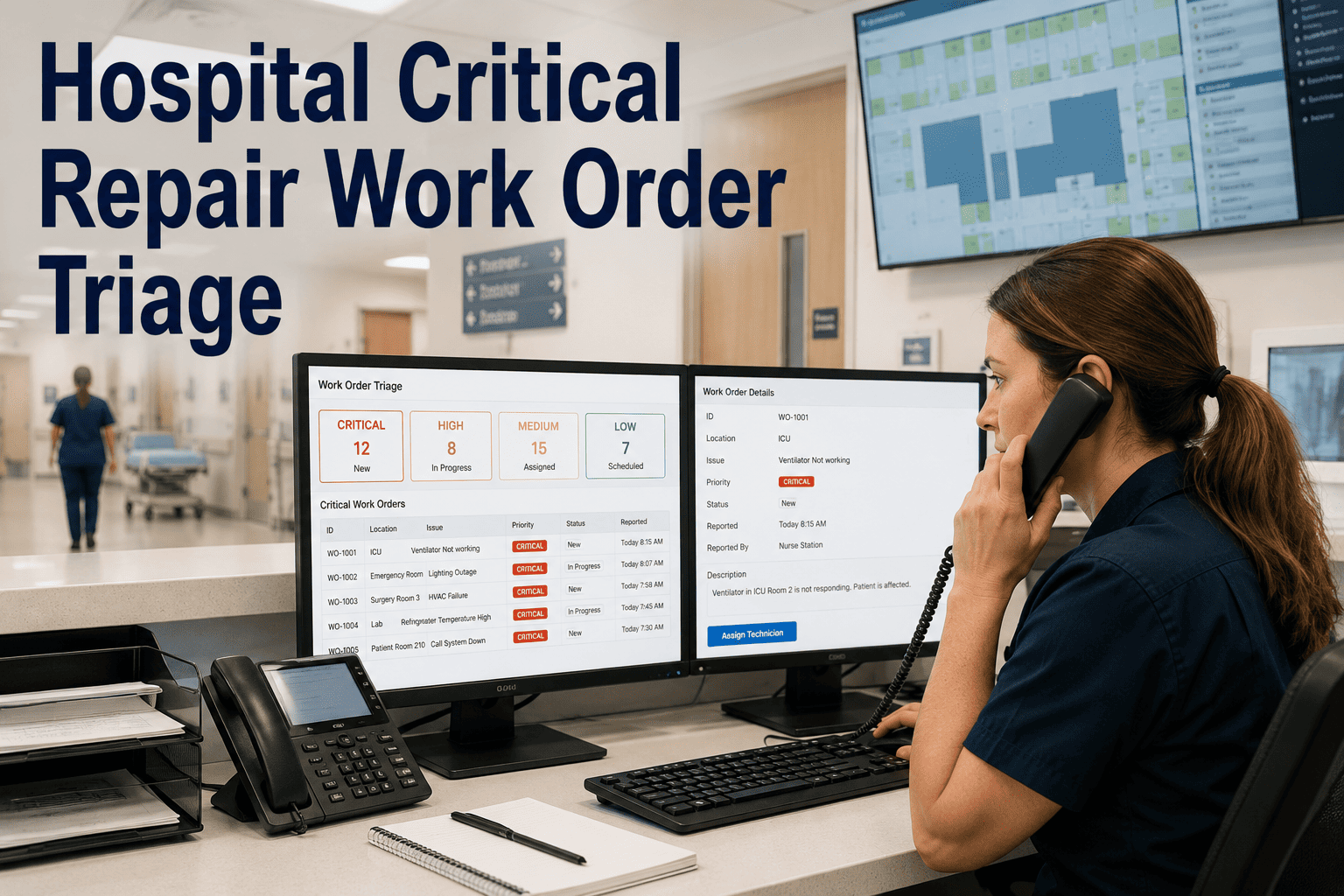
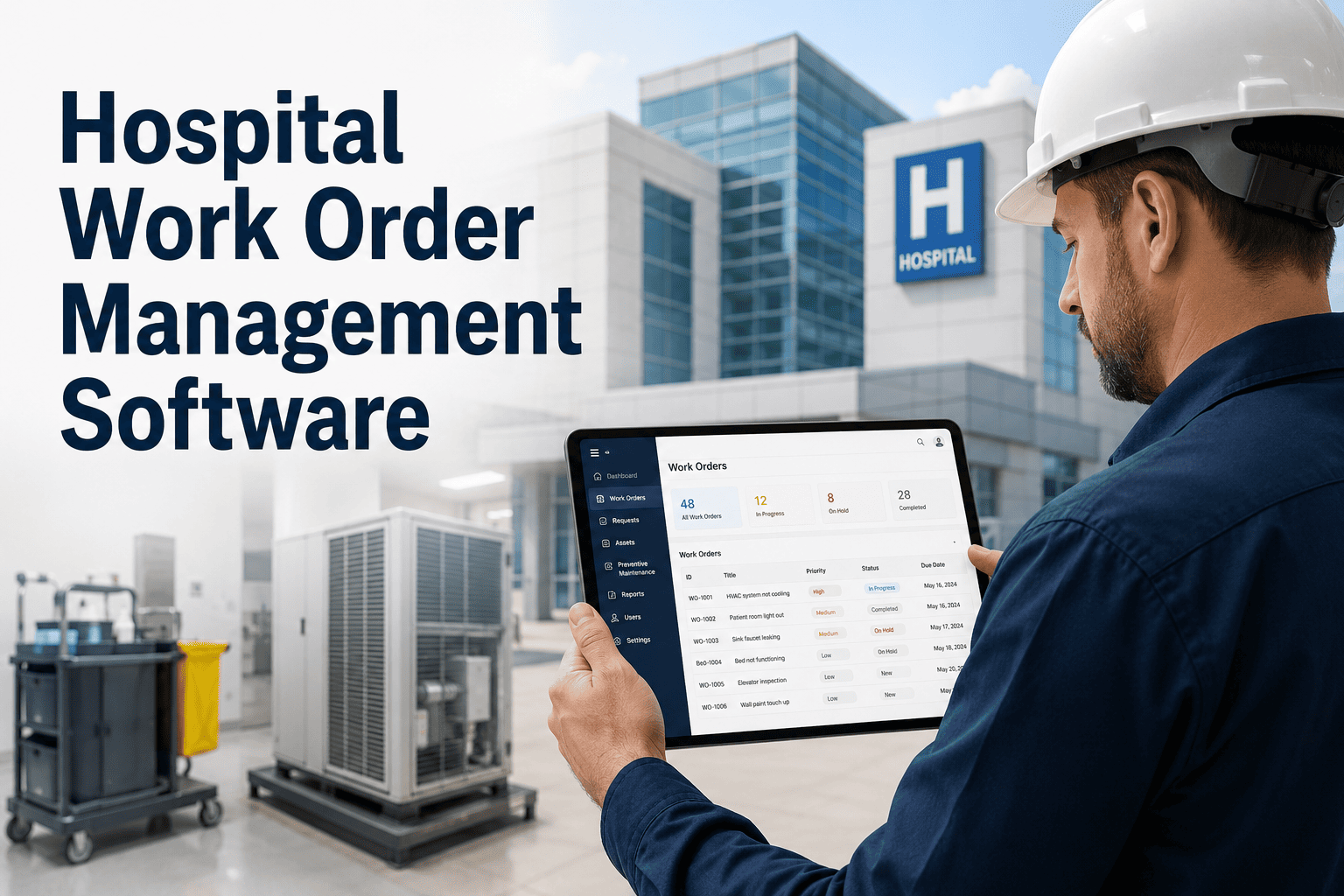
In a hospital, the question is never just "what broke" — it is "where." A tepid-water complaint in an administrative wing is a routine ticket; the same failure in a NICU is a patient-safety emergency. A power blip in a storage room can wait; in an operating room mid-procedure it cannot. Yet most maintenance queues treat every request the same way, so a chiller fault threatening OR temperature and humidity can sit behind a broken break-room appliance simply because it was logged later. That delay is the gap where ICU, OR, and ED repairs turn into clinical risk. The fix is triage that scores both asset criticality and clinical location, then routes the highest-risk work first. See how OxMaint Work Order Management prioritizes urgent hospital work orders by criticality and location. Book a healthcare demo to see it mapped to your departments.
Hospital Critical Repair Work Order Triage
Prioritize urgent hospital work orders by asset criticality and clinical location — so ICU, OR, and ED failures move to the front of the queue, and your team can prove every response to the surveyor.
First-In-First-Out Has No Place in a Hospital
When work orders are worked in the order they arrive, the queue cannot tell the difference between a flickering light in a hallway and a failing air-handling unit serving a sterile OR suite. Clinical staff escalate by phoning whoever they can reach, the loudest caller wins, and the genuinely dangerous failure waits its turn. In intensive care, surgery, and emergency departments, that waiting is measured in patient risk — which is exactly why triage has to understand both what failed and where.
Criticality and Location, Multiplied
A hospital priority is never one number. OxMaint scores the asset by failure consequence and the location by clinical risk, then combines them so the same fault is urgent in one room and routine in another.
Priority by Clinical Location
Location sets the floor. A failure in a life-critical area is dispatched immediately regardless of how minor it looks; the same failure in a non-clinical space can be scheduled. Match every request to the area tier below.
| Priority | Areas | Response Target | Why |
|---|---|---|---|
| P1 | OR, ICU, NICU, ED, medical gas, emergency power | Immediate ack, on-site < 1 hr | Direct patient-safety risk |
| P2 | Inpatient wards, pharmacy, sterile processing, imaging, lab | Same shift | Disrupts care delivery |
| P3 | Outpatient clinics, clinical-support offices | Same day to next day | Indirect clinical impact |
| P4 | Administration, common areas, cosmetic | Scheduled window | No patient impact |
The Systems That Can Never Sit in a Queue
Certain hospital systems carry life-or-death consequences the moment they fail — the Joint Commission classifies these as high-risk equipment for exactly that reason. A failure on any of these jumps the queue regardless of where the ticket lands.
OxMaint tags every asset with its criticality and every space with its clinical tier, so an air-handler fault in an OR auto-routes to the on-call senior technician while a hallway light waits — and each step is timestamped for the next survey.
Every Repair, Documented for the Inspector
In healthcare, fixing the problem is only half the job — you have to prove it. Most Environment of Care citations are not failures of intent; they are failures of documentation that started in a sloppy work-order workflow. OxMaint generates an immutable, timestamped record for every request.
What Location-Aware Triage Changes
These are the operational shifts hospital facility teams report after replacing first-in-first-out queues with criticality-and-location triage.
What Hospital Operations Leaders Say
In a hospital you cannot triage by what broke alone — you have to triage by where. A tepid-water issue in an admin office is a ticket; the same reading in the NICU is an emergency before I finish the sentence. The day our system started scoring location automatically, the genuinely dangerous work orders stopped hiding behind cosmetic ones. That single change took the guesswork out of the night shift.
Director of Facilities, Acute-Care Hospital · 20 Years Healthcare OperationsThe surveyor does not ask whether you fixed it — they ask whether you can prove when you knew and when you responded. Most of the citations I have seen were documentation failures, not maintenance failures. When every critical repair carries a timestamped trail from report to resolution, the Environment of Care survey stops being a fire drill and becomes a report you export.
Clinical Engineering & Compliance Lead · 17 Years Joint Commission ReadinessFrequently Asked Questions
How does location change the priority of the same repair?
Location sets the floor on urgency. A failure in a life-critical area — OR, ICU, NICU, ED, medical gas, or emergency power — is dispatched immediately even if the fault looks minor, while the same fault in administration can be scheduled. OxMaint tags every space with a clinical tier so the queue understands risk, not just timestamps. Book a healthcare demo to see location-based routing.
Which hospital systems should always be top-tier critical?
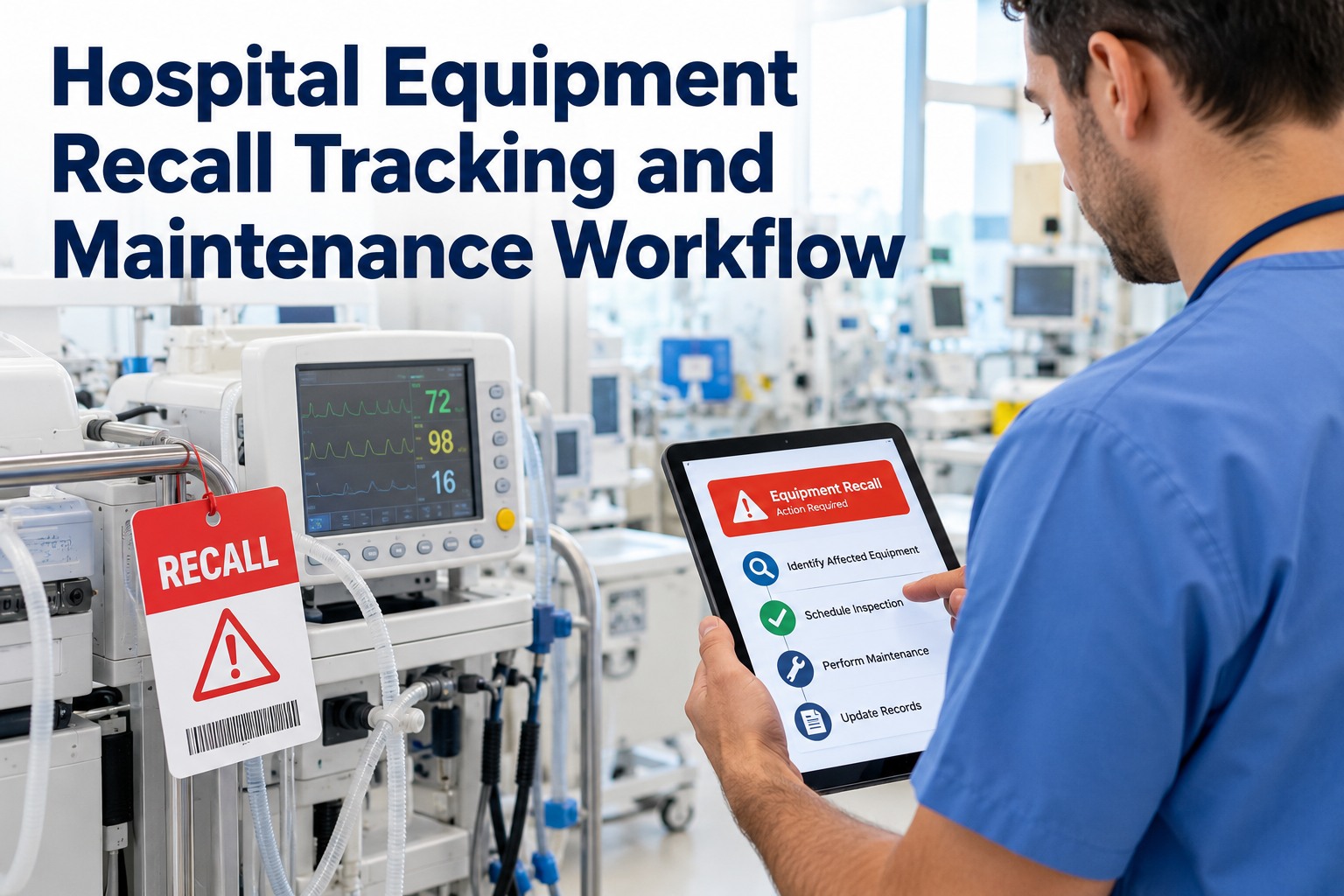
Medical gas and vacuum, emergency power, OR HVAC, ICU and NICU environmental systems, sterile processing, and fire and life safety — the systems the Joint Commission classifies as high-risk because failure can cause serious injury or death. A fault on any of these should jump the queue regardless of where the ticket originates. Start free to flag your high-risk equipment.
Does this help with Joint Commission, DNV, and CMS surveys?
Directly. Every work order generates an immutable, timestamped record of report, acknowledgment, escalation, and resolution that exports for Environment of Care review. Since most EoC citations trace to documentation gaps rather than missed repairs, that trail is the difference between a clean survey and a finding. It turns audit prep into a report you run, not a binder you assemble. Book a healthcare demo to see the compliance exports.
Can biomedical and facilities work orders live in one system?
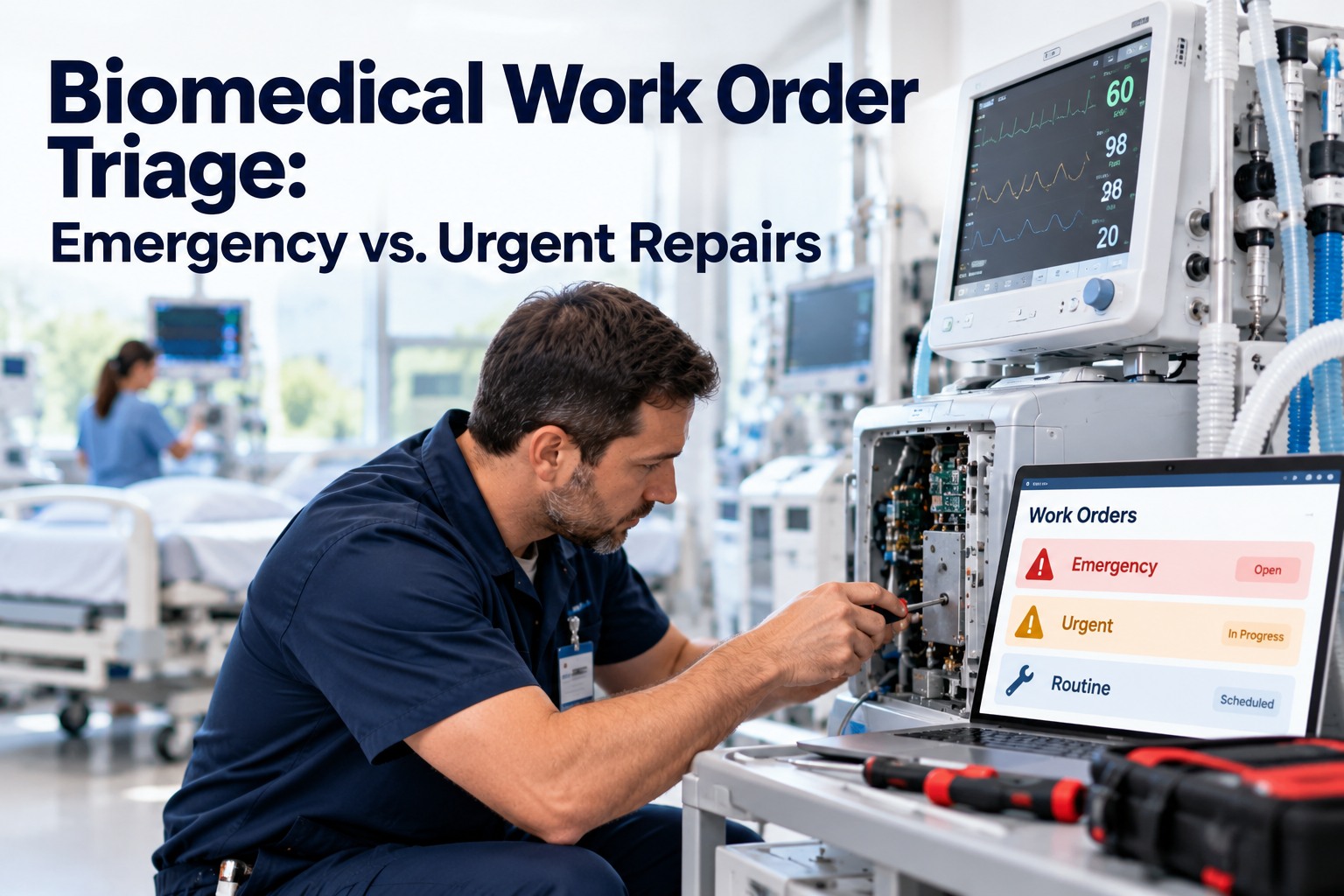
Yes — clinical equipment and building systems run in a single unified queue with category-specific workflows and SLA rules, so a ventilator issue and an air-handler fault are triaged on the same risk logic instead of in separate silos. That shared view is what lets a facility manager see the whole picture of clinical risk at once. Start free to combine your queues.
What happens to an after-hours emergency in the ICU?
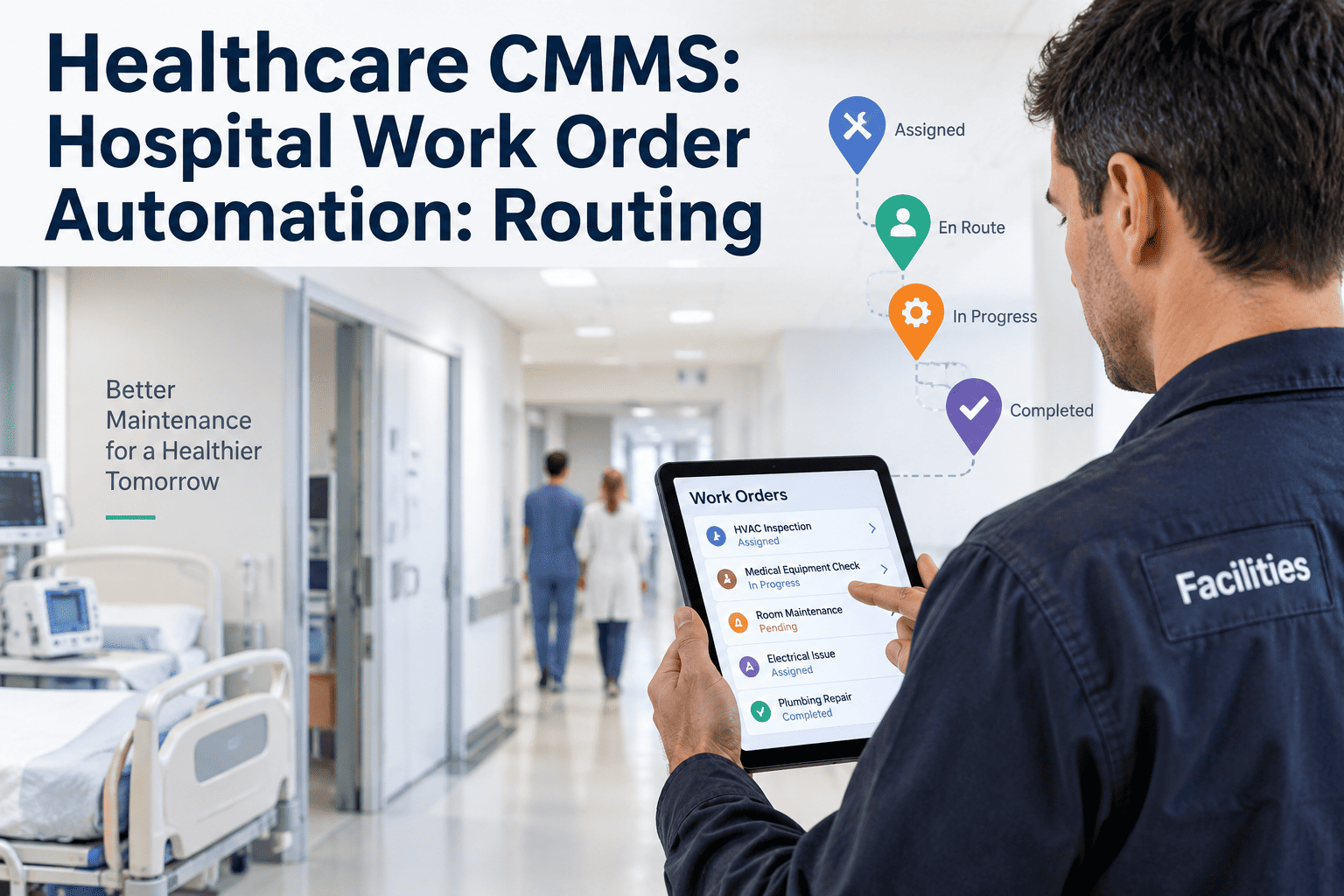
A critical-area work order routes straight to the on-call senior technician with an immediate mobile alert, and if it is not acknowledged within the window, it escalates automatically to the next responder — no dispatcher bottleneck and no waiting for morning review. Manual chains miss a large share of night-shift incidents; an automatic one does not. Book a healthcare demo to see after-hours escalation.
How disruptive is rollout to a live hospital?
Deployment is typically phased by department, starting with high-impact areas like biomedical and facilities, so the cutover does not interrupt clinical operations. You configure criticality and location tiers once, and every new work order is triaged automatically from that point on. The schedule scales to your portfolio without a hospital-wide stop. Book a healthcare demo to plan your rollout.
Put Patient-Safety Repairs at the Front of the Queue — Every Time
OxMaint scores every hospital work order by asset criticality and clinical location, routes ICU, OR, and ED failures first, escalates the ones nobody acknowledges, and documents all of it for the next survey — so a delayed repair never becomes a patient-safety event.

.jpg)