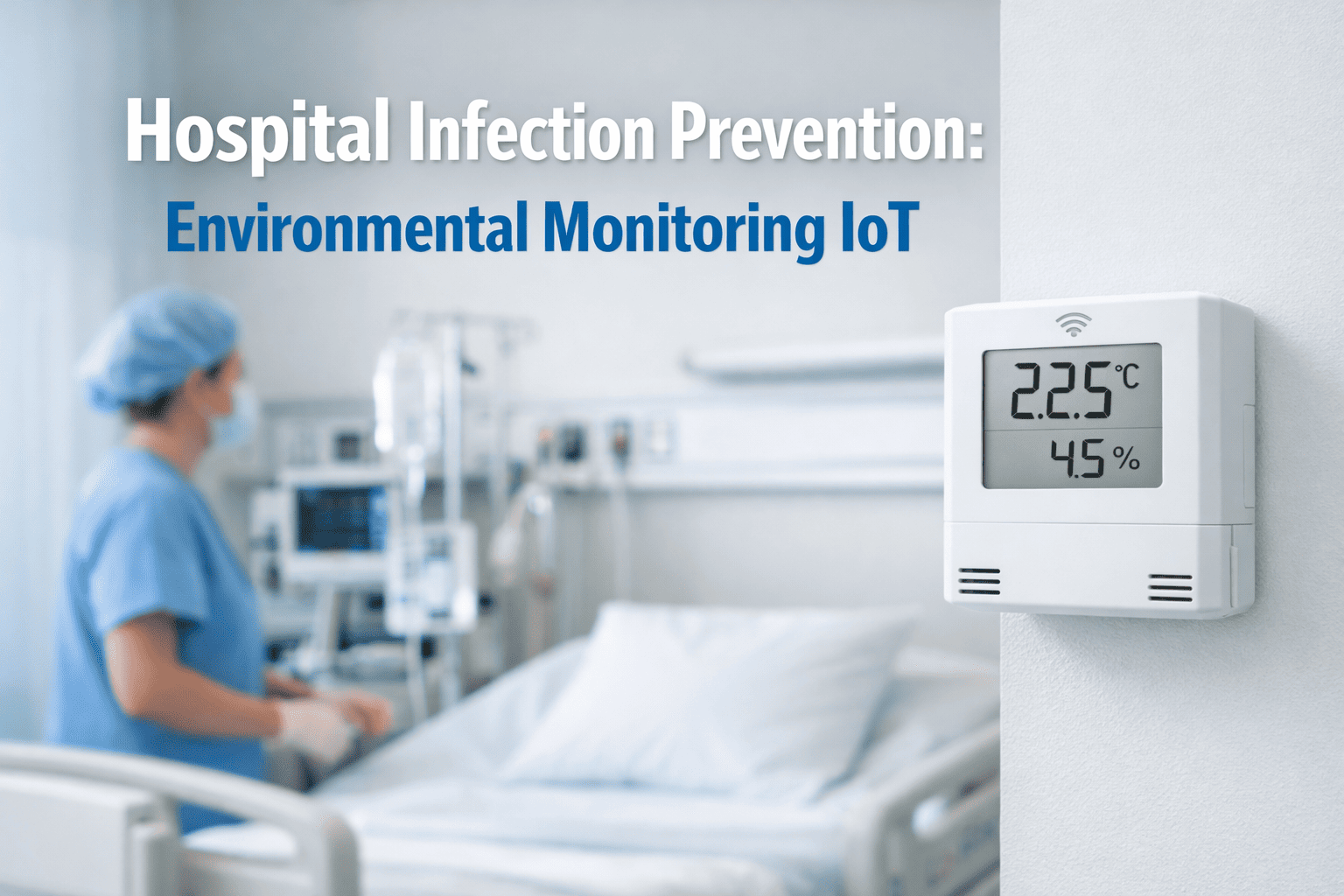
In 2026, undetected HVAC failures, neglected water systems, and unmonitored isolation rooms are generating the exact conditions that allow healthcare-associated infections to spread. With 1.7 million HAIs annually in US hospitals, your preventive maintenance program is no longer a support function — it is a frontline patient safety control. Facilities with structured, auditable IC maintenance programs post 30 to 45% lower HAI rates. The difference is not resources — it is structure and documentation. Start a free trial for 30 days or book a demo to see how Oxmaint manages HAI prevention for real hospital facilities teams.
Your HVAC, Water Systems, and OR Controls Are Either Containing Infection — or Contributing to It
Relied on by Infection Control Officers and Facilities Managers across USA, UK, Australia, UAE, and Germany.
1 in 31 hospital patients acquires a healthcare-associated infection during care. Oxmaint gives facility teams real-time IC maintenance compliance tracking across every infection-critical system — HVAC, water management, isolation rooms, operating theaters, and sterilization units.
Start Tracking Your Infection Control Maintenance Compliance in One Platform
Oxmaint gives infection control officers and facility managers a unified platform to schedule, track, and document every maintenance task tied to HAI prevention — HVAC filtration, water management plan compliance, isolation room pressure checks, OR environmental inspections, and more. No complex IT integration. Most teams are fully live in under two weeks.
Infection Control Maintenance: What It Actually Means for Facility Teams
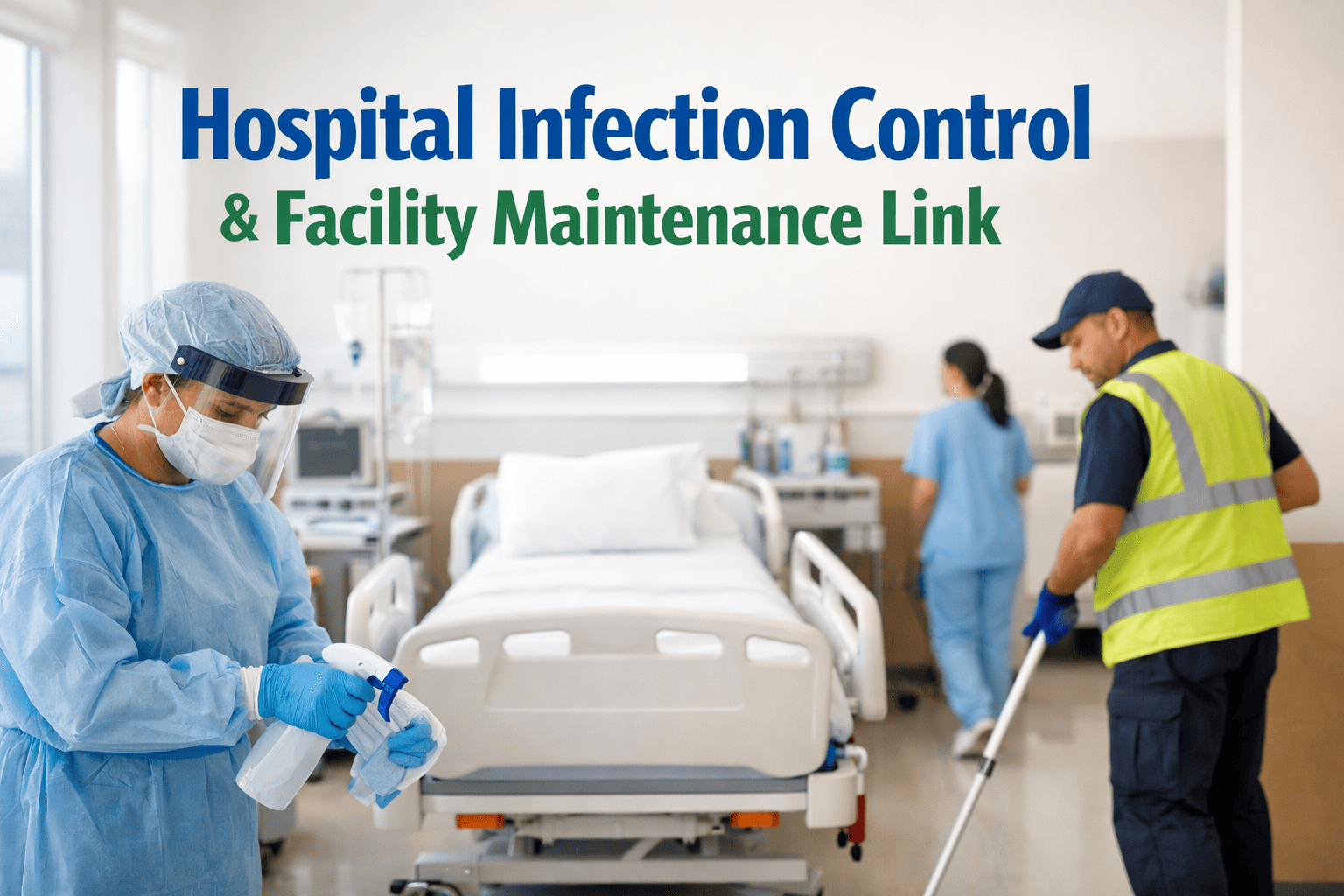
Infection control maintenance is the systematic upkeep of hospital facility systems — HVAC, water distribution, isolation rooms, operating theaters, sterilization units — in ways that directly limit pathogen transmission. It is distinct from general asset maintenance. Every missed HEPA filter change, every unmonitored water temperature deviation, every undocumented pressure differential reading is not just a work order backlog. It is a documented infection risk event that the CDC, TJC, and CMS treat as a measurable patient safety control failure.
The facilities consistently posting the lowest HAI rates are not better-resourced — they are better-documented. Their HVAC records are current and auditable. Their Water Management Plan logs are complete. Their isolation room pressure checks are digitally logged every shift. This is exactly what TJC EC.02.06.01 and ASHRAE 170 require — and exactly where paper-based maintenance programs fail under survey scrutiny. Ready to close the gap between what your IC maintenance program requires and what your records actually prove? start a free trial or book a demo with our healthcare facilities team today.
- HVAC filters changed on complaint or visible soiling
- Water temperatures logged on paper, infrequently
- Isolation room pressure checked manually, rarely
- OR maintenance relies on staff verbal confirmation
- Filter cycles auto-triggered — documented every change
- Water temps tracked continuously, alert-flagged on drift
- Pressure differentials logged digitally every shift
- OR checklists digitally completed and audit-ready
8 Facility Systems That Directly Determine Your HAI Risk
Each system below is both a TJC and CMS compliance requirement and a direct HAI transmission vector. Miss one — and you have an open pathway for infection. These are the 8 areas your maintenance program must track, document, and audit without gaps.
4 Maintenance Failures That Directly Trigger HAI Outbreaks
These are documented causes of real outbreaks in accredited hospitals — all of which had maintenance programs on paper. The gap between documented protocol and actual execution is where healthcare-associated infections originate.
- Filter change cycles missed during staff transitions and budget holds
- Pressure differential drift undetected for weeks without logged checks
- Aspergillus outbreaks in immunocompromised units consistently link to HVAC failures
- Water Management Plan compliance requires documented temperature and flushing records
- Low-flow outlets and seasonal shutdowns create the stagnation conditions Legionella requires
- A single nosocomial Legionella case triggers mandatory CMS investigation and review
- Manual pressure checks are infrequent and inconsistently documented
- Door mechanism wear allows pressure equalization during entry events
- TJC surveys regularly cite isolation room pressure documentation gaps
- OR air exchange and pressure not verified between high-risk case types
- Humidity control equipment maintenance deferred during busy scheduling periods
- No digital record linking OR environmental conditions to cases for liability protection
How Oxmaint Builds a Defensible Infection Control Maintenance Program
Built for healthcare operations — not adapted from industrial maintenance tools. One platform connecting every infection-critical maintenance schedule, inspection checklist, water management log, and compliance document your program requires. Most teams are generating their first compliance reports within 14 days of going live. start your free trial today or book a demo with our healthcare facilities team to see exactly how this works for your facility type.
Reactive Facilities vs Oxmaint-Managed IC Maintenance Programs
The difference is not effort — it is structure, documentation, and visibility. These are real outcomes from healthcare facilities that transitioned from reactive maintenance to structured IC-driven programs with Oxmaint.
| IC Maintenance Area | Reactive / Unstructured | Oxmaint IC Program |
|---|---|---|
| HVAC Filter Management | Changed on complaint — cycles tracked on spreadsheets or not at all | Auto-triggered PM tasks — digitally signed, never missed, survey-ready records |
| Water System Legionella | Manual temperature logs — inconsistent, paper-based, gaps in coverage | WMP-linked tasks with automated temperature exceedance alerts and flushing logs |
| Isolation Room Pressure | Checked when staff reports concern — rarely logged, never auditable | Shift-based digital logging with mandatory numeric readings and auto-escalation |
| OR Environmental Compliance | Verbal staff confirmation — no record linkage to surgical cases | Pre and post-case digital checklists linked to case records — SSI audit trail built-in |
| Sterilization Equipment | Paper cycle logs and binders — assembled manually at survey time | Digital cycle validation records, auto-sorted by date, retrievable in seconds |
| Survey Documentation Prep | 200 to 350 hours manually assembling binders per TJC/CMS cycle | Full compliance report in under 60 seconds — any date range, any system |
| ICRA Construction Controls | Paper permits, informal checks — violations discovered at project close | Digital permits, ongoing barrier inspection tasks, photo documentation trail |
| Multi-Site IC Visibility | Each facility managed in isolation — portfolio compliance gaps invisible | Portfolio-level compliance dashboard — all sites, all systems, real-time status |
What Healthcare Facilities Achieve with Oxmaint IC Programs
Infection Control Maintenance: What Facility Leaders Are Asking in 2026
How does maintenance help prevent healthcare-associated infections?
Maintenance prevents HAIs through three primary mechanisms: containment (negative pressure isolation rooms containing airborne pathogens require functional HVAC systems and door mechanisms — both are maintenance-dependent), filtration (HEPA filter replacement cycles, air exchange rate verification, and HVAC pressure maintenance directly control airborne pathogen concentration in clinical zones), and elimination (water system maintenance — temperature monitoring, flushing protocols, cooling tower treatment — eliminates the stagnation and temperature conditions that allow Legionella and other waterborne pathogens to colonize). When maintenance programs fail to execute on these controls, the facility environment itself becomes a transmission vector. Studies link HVAC maintenance gaps to Aspergillus outbreaks in transplant units, Acinetobacter spread in ICUs, and Legionella cases in patients who never left their rooms. A structured CMMS that tracks filter change cycles, logs pressure differentials, and alerts on water temperature deviations systematically closes these gaps. If your program is still relying on paper, get a free trial for 30 days at Oxmaint or book a live compliance demo to see how it works in practice.
What is a Water Management Program and why does maintenance compliance matter?
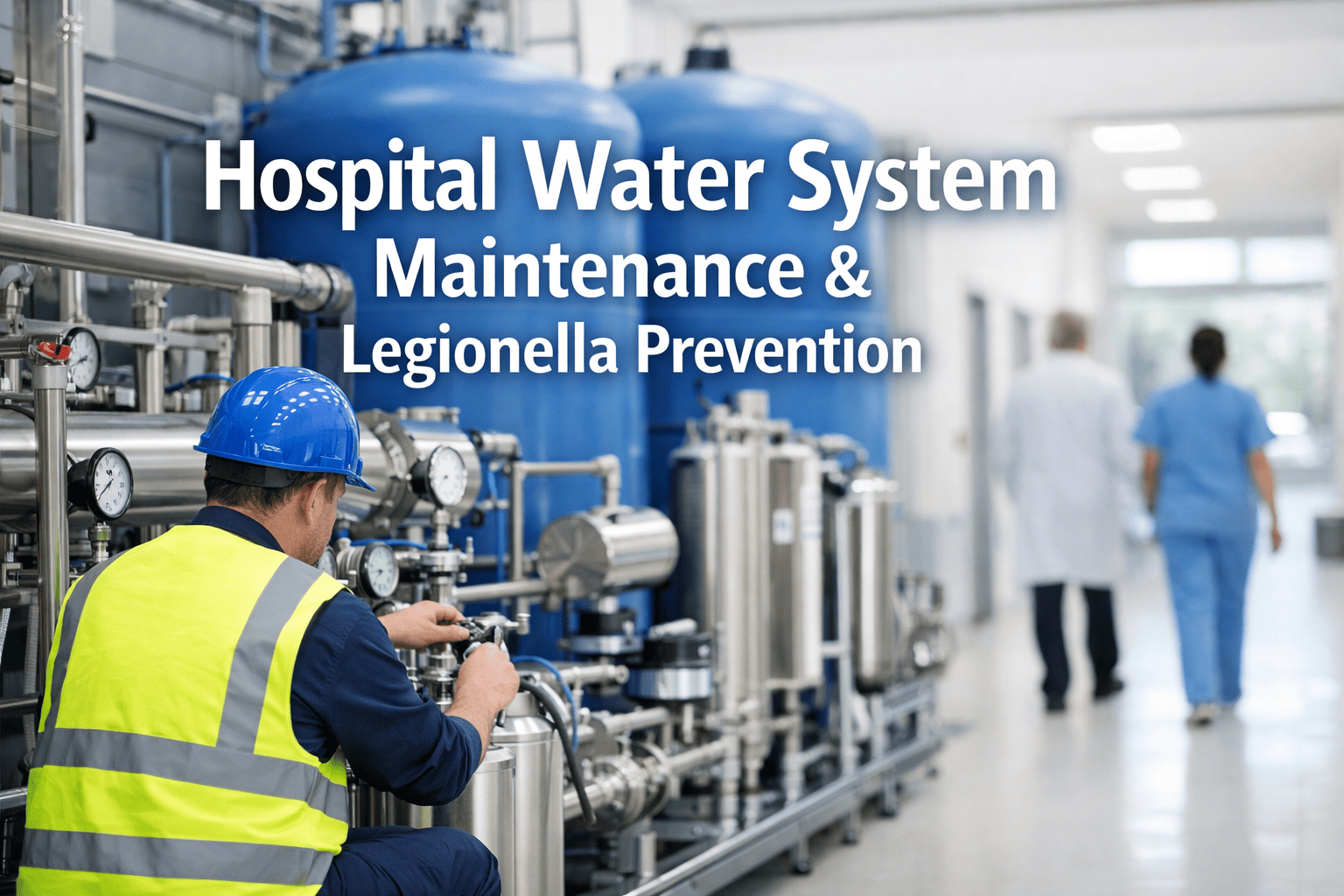
A Water Management Program (WMP) is a CMS-required, ASHRAE 188-aligned documentation system for preventing Legionella and waterborne pathogens in healthcare facility water systems. It requires identifying all water system components at risk of colonization — water heaters, cooling towers, ice machines, humidifiers, decorative fountains — establishing acceptable operating parameters, and maintaining documented logs proving ongoing compliance. The maintenance execution behind a WMP is the critical failure point. Temperature checks that are not performed, flushing records never logged, cooling tower treatments deferred during budget holds — these are the compliance gaps that create Legionella exposure. A single nosocomial Legionella case in a facility without documented WMP compliance is an immediate CMS Condition of Participation violation. Oxmaint structures WMP maintenance tasks as scheduled, digitally documented work orders — turning paper-based programs into auditable compliance records. Book a demo to see how Oxmaint manages Water Management Plan compliance for your facility type and size.
How are negative pressure isolation room failures detected — and how does a CMMS help?
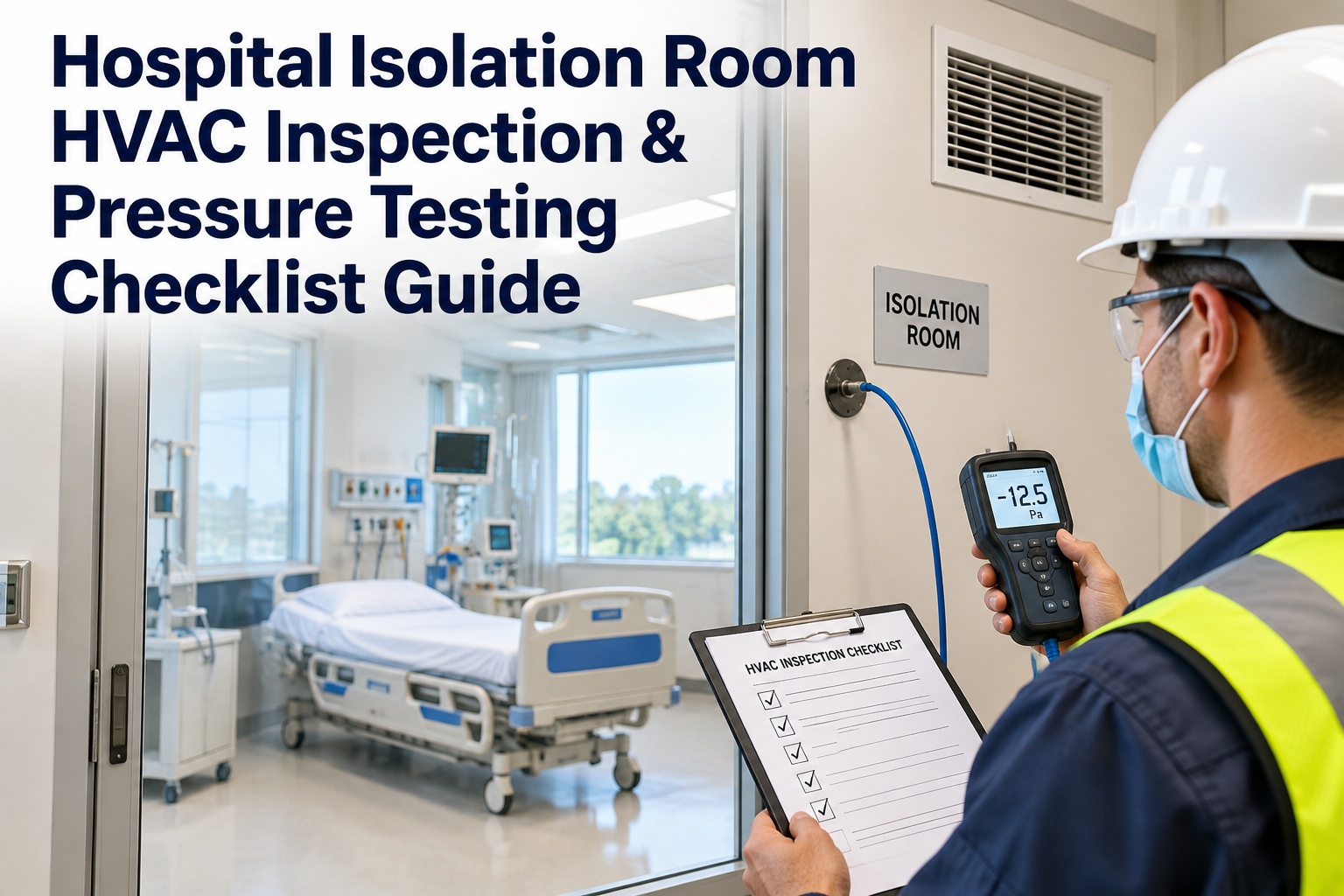
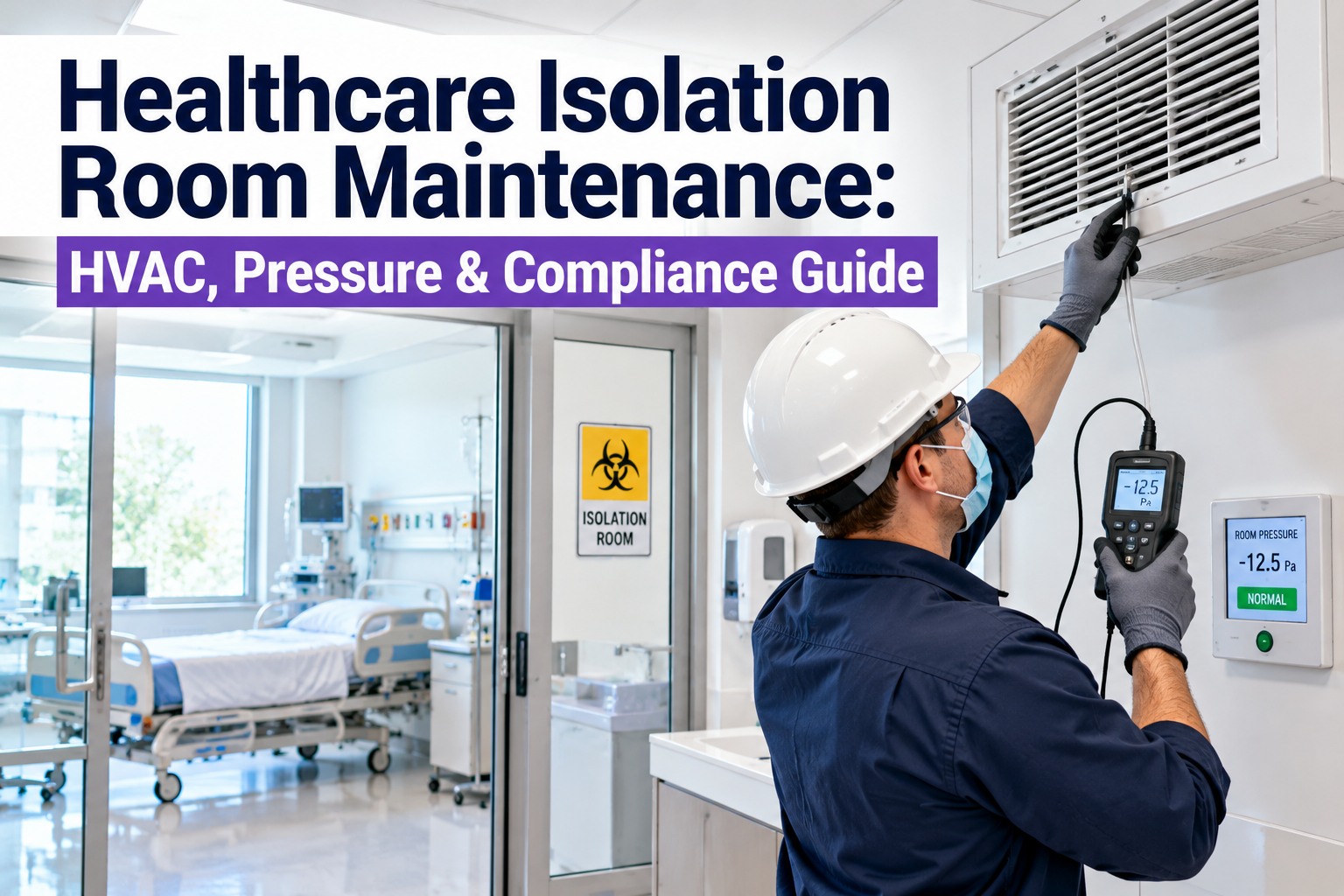
Negative pressure isolation room failures occur when rooms designated for airborne precaution patients lose their pressure differential below the minimum -2.5 Pa below corridor pressure. This happens through HEPA filter degradation, HVAC failures, door mechanism wear, or anteroom seal deterioration. In facilities without systematic monitoring, these failures can persist for 72 hours or more before clinical staff notice any visible sign — ceiling tiles displaced by airflow, unusual drafts. During that window, airborne pathogens are recirculating uncontained. A CMMS prevents this through structured shift-based pressure differential inspection tasks — logged digitally with mandatory numeric readings, auto-escalated when readings fall below threshold, and linked to a complete documentation trail for TJC and infection control compliance. Oxmaint also schedules door mechanism maintenance, HEPA integrity checks, and anteroom inspection rounds — creating the multi-layer verification accreditation standards require. Start a free trial to see isolation room compliance tracking working live in your facility.
How does Oxmaint specifically support hospital infection control compliance programs?
Oxmaint supports infection control compliance across five dimensions. First, it structures every IC-related PM task — HVAC, water, isolation rooms, OR, sterilization — as scheduled, auto-triggered work orders with mandatory digital sign-off. Second, it creates a complete, timestamped, searchable audit trail for every maintenance action — replacing paper binders with records retrievable in under 60 seconds for any survey request. Third, it enforces compliance through mandatory task completion fields, photo capture requirements, and alert escalation — ensuring tasks are not just scheduled but documented as executed. Fourth, it provides portfolio-level visibility for IC officers and directors of facilities — real-time compliance rates across all sites, all systems, all date ranges. Fifth, it generates survey-ready reports aligned to TJC EC.02.06.01, CMS Conditions of Participation, and CDC Water Management Program requirements on demand. Most hospital facilities teams deploy Oxmaint in under two weeks with no complex IT integration. To understand what that deployment looks like for your specific facility type, launch a free trial today or book a 30-minute overview with our healthcare team.
Every Untracked HVAC Filter Change Is an Open Pathway for Infection. Close It.
The facilities programs posting the lowest HAI rates are not running harder — they are running with structure, documentation, and visibility. Oxmaint gives your infection control and facilities team a single platform to schedule every IC-critical maintenance task, log every inspection, and generate every compliance report your surveyors will ever request. No setup costs. No long onboarding. No contracts. Most teams are live in under two weeks and generating compliance dashboards by day three.