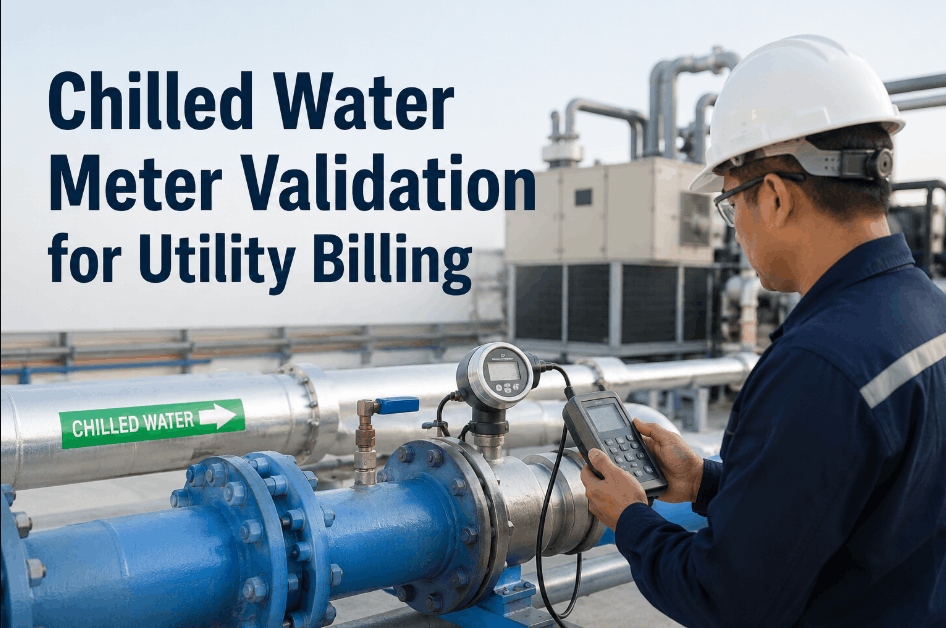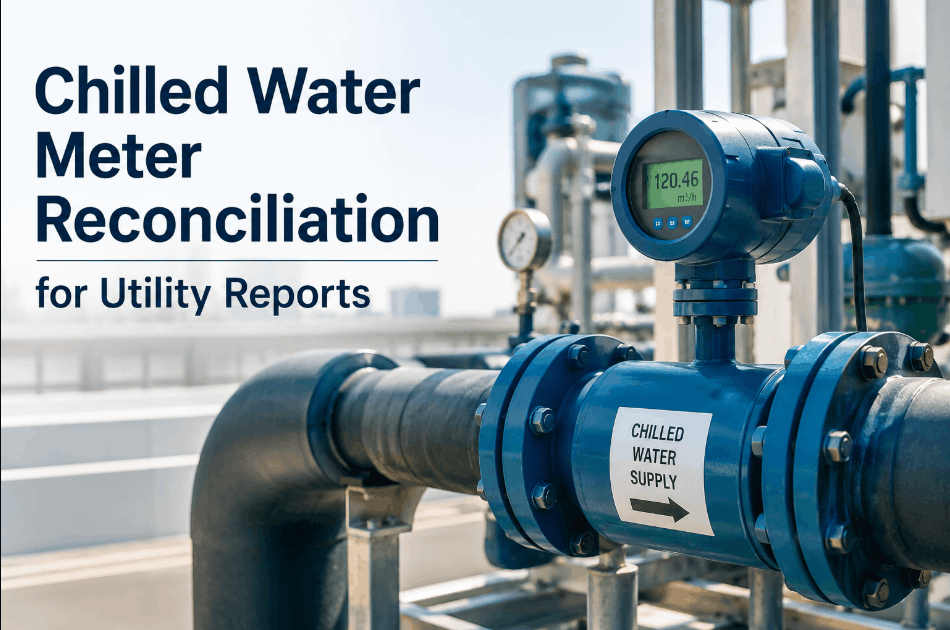
Chilled water meter reconciliation is the process of comparing meter output readings, billing totals, and plant operational logs to ensure that utility reports reflect accurate consumption data before they reach finance teams, energy managers, or regulatory reviewers. Discrepancies between what a chilled water plant produces, what meters report, and what appears on utility invoices are more common than most facility teams expect — and they often go undetected until an audit surfaces the variance. Sign Up Free to connect your chilled water plant assets to Oxmaint AI and begin building the meter reconciliation workflow your utility reporting process requires. Oxmaint centralizes meter readings, plant logs, and billing data into a single asset record, making it possible to run reconciliation automatically and flag discrepancies before reports are finalized. Book a Demo to see how facility teams use Oxmaint to reconcile chilled water meter data ahead of utility reporting deadlines.
Catch Chilled Water Meter Discrepancies Before Finance Reviews the Numbers
Oxmaint AI centralizes meter output, billing totals, and plant logs into one reconciliation view — so utility reports are validated against actual plant data before they reach finance or regulatory review.
Gap #1
Meter and Billing Data Not Compared
Utility invoices and meter readings are often processed through separate systems, so discrepancies between what was metered and what was billed are never caught before payment.
Gap #2
Plant Logs Not Cross-Referenced
Operational logs from chilled water plant equipment are rarely matched against meter output data, leaving production-to-meter variance undetected within each reporting period.
Gap #3
Meter Drift Goes Undetected
Flow meters and BTU meters can drift out of calibration gradually, generating inaccurate readings that compound into significant billing errors across multiple reporting periods.
Gap #4
Reconciliation Done Manually at Period End
When reconciliation does occur, it is typically a manual spreadsheet exercise at month-end — leaving no opportunity to catch and correct discrepancies before the billing cycle closes.
Gap #5
Multi-Tenant Allocation Not Verified
In buildings with tenant-level chilled water billing, sub-meter readings are rarely reconciled against plant output, creating allocation errors that affect both tenant invoices and utility cost recovery.
Gap #6
Finance Reviews Unvalidated Data
Utility reports submitted to finance often contain unreconciled meter figures, creating risk that budget variances reflect reporting errors rather than actual consumption changes.
01
Meter and Sensor Connection
Connect chilled water flow meters, BTU meters, and plant controllers to Oxmaint so meter output data streams into the asset record alongside operational logs.
→
02
Billing Data Integration
Utility billing totals are logged against the same reporting period as meter readings and plant logs, creating a three-way data set for reconciliation comparison.
→
03
Automated Variance Detection
Oxmaint compares meter output, billing totals, and plant logs automatically, flagging variances that exceed acceptable thresholds before the reporting period closes.
→
04
Validated Reporting Output
Reconciled data is used to generate utility reports with confidence that figures are validated against plant records before submission to finance or regulatory reviewers.
Meter Data Layer
Flow meter and BTU meter readings logged continuously per asset
Period totals calculated and stored for each billing cycle
Meter drift detected from trend deviation against plant output
Plant Log Integration
Chiller, pump, and tower operational logs linked to meter periods
Production output cross-referenced against meter reading totals
Equipment staging events timestamped alongside meter data
Reconciliation Analytics
Three-way comparison of meter output, billing, and plant logs
Variance flagged automatically when thresholds are exceeded
Period-over-period reconciliation history stored for audit access
Reporting Outcome
Utility reports validated before finance review — not after
Billing discrepancies corrected within the billing cycle, not post-payment
Audit-ready reconciliation history available on demand
94%
Prediction accuracy reported by teams using Oxmaint AI on connected chilled water plant sensor data
62%
Reduction in billing discrepancies among facilities using continuous meter reconciliation in Oxmaint
48hrs
Typical time from meter connection to first chilled water reconciliation dashboard in Oxmaint
1season
Time needed to build a reliable meter reconciliation baseline for trend and audit reporting
Standard Approach — Manual Reconciliation
Meter readings and billing totals compared manually in spreadsheets at period end — if at all
Plant operational logs not linked to meter data, so production-to-meter variance is never calculated
Meter drift detected only during scheduled calibration visits, after compounding billing errors have occurred
Discrepancies discovered post-payment rather than before the billing cycle closes
Utility reports submitted to finance with unvalidated meter figures
Audit support requires manual retrieval of data from multiple disconnected systems
Oxmaint AI — Continuous Meter Reconciliation
Meter output and billing totals compared automatically each period against plant log data — Sign Up Free
Plant operational logs linked to meter periods so production-to-meter variance is calculated continuously
Meter drift detected from trend deviation in real time before calibration-cycle errors compound
Variances flagged within the billing period so corrections can be made before invoices are finalized
Utility reports generated from reconciled data that finance teams can review with confidence
Period-over-period reconciliation history stored in Oxmaint and accessible for audits on demand
These KPIs give energy and facility managers measurable evidence of meter accuracy, billing alignment, and reporting confidence across the chilled water plant. Book a Demo to see Oxmaint track all six automatically.
KPI 01
Percentage difference between meter-recorded consumption and billed consumption per reporting period. Persistently high variance signals either meter drift or billing data errors requiring investigation.
Billing Accuracy
KPI 02
Alignment between plant operational output records and meter-reported consumption totals. Consistent disagreement points to a meter calibration issue or a plant-side data logging gap.
Data Integrity
KPI 03
Percentage of reporting periods where a full three-way reconciliation was completed before billing closed. Low completion rate indicates the reconciliation process is still manual and inconsistent.
Process Discipline
KPI 04
How far in advance of a scheduled calibration visit meter drift is detected through continuous trend monitoring. Earlier detection reduces the volume of billing periods affected by inaccurate readings.
Calibration Timing
KPI 05
Number of billing period corrections issued as a result of reconciliation findings. A declining correction rate over time confirms that reconciliation is preventing errors rather than just discovering them.
Error Reduction
KPI 06
Availability of complete, reconciled period records for any requested audit window. High audit readiness reflects a reconciliation process with consistent documentation rather than retroactive reconstruction.
Compliance Confidence
Commercial Real Estate
Commercial property managers use Oxmaint to reconcile central plant output against tenant sub-meter readings, ensuring that tenant billing reflects accurate consumption rather than allocation estimates. Sign Up Free for your buildings.
Healthcare
Healthcare facility teams use Oxmaint to validate chilled water meter data before it enters utility reports submitted to finance and compliance reviewers, where billing accuracy has direct budget impact. Book a Demo for your campus.
Higher Education
University facility teams use Oxmaint to reconcile central chilled water plant output against building-level meter data, validating that internal cost allocation reports match actual plant production records.
Data Centers
Data center operators use Oxmaint to reconcile chilled water meter data against cooling plant logs, ensuring that PUE calculations and utility cost reports are built from validated consumption figures.
Validate Chilled Water Meter Data Before It Reaches the Utility Report
Oxmaint AI gives facility and energy teams a continuous three-way reconciliation view — meter output, billing totals, and plant logs in one place — so discrepancies are caught and corrected before finance reviews the numbers. Book a Demo to see how.
It is the process of comparing chilled water meter output readings, utility billing totals, and plant operational logs to verify that utility reports reflect accurate consumption before finance or regulatory review.
Oxmaint connects to flow meters, BTU meters, and plant controllers, then automatically compares meter readings against billing data and plant logs each period — flagging variances before the billing cycle closes.
Yes. Oxmaint tracks meter output trends continuously and flags deviation from expected plant output, allowing facilities to schedule calibration before multiple billing periods are affected by inaccurate readings.
Yes. Oxmaint reconciles central plant output against individual tenant sub-meter readings, making it possible to validate that tenant billing allocations match actual plant consumption records.
Most teams see their first meter reconciliation view within 48 hours of connecting plant meters and billing data. A reliable reconciliation baseline typically builds within one full billing cycle of continuous data capture.
Start Reconciling Chilled Water Meter Data Before Your Next Utility Report
Oxmaint AI gives energy and facility teams continuous meter reconciliation — comparing plant output, billing totals, and operational logs automatically so utility reports are accurate before finance sees them.