OSHA Compliance for HVAC Filter Maintenance & Inspections

By Jordan Blake on January 28, 2026

hvac-filter-osha-compliance

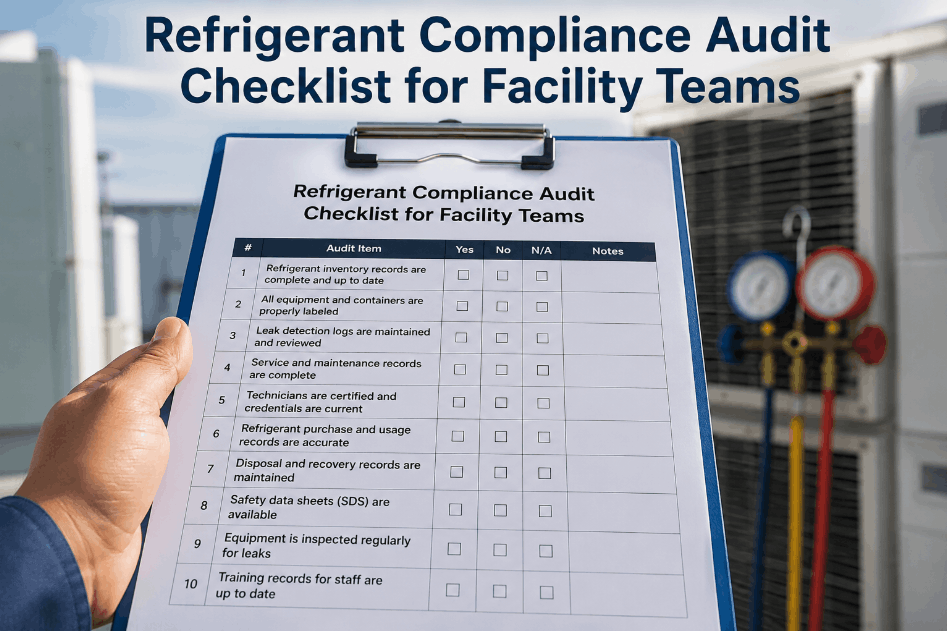
Your facility manager receives an OSHA inspection notice. The inspector asks for HVAC maintenance records. You scramble through emails, paper logs and scattered spreadsheets. Three hours later, you still can't prove your filters meet MERV 13 standards or show when they were last changed. The citation arrives: $16,550 for inadequate indoor air quality documentation. One digital checklist would have prevented it all.

OSHA Compliance 2026
HVAC Filter Compliance: Your Complete OSHA Checklist
$165K max penalty per violation
MERV 13+ recommended filter rating

Understanding OSHA's HVAC Filter Requirements

OSHA doesn't have a standalone HVAC filter standard—instead, compliance falls under the General Duty Clause, which requires employers to provide a workplace free from recognized hazards. Poor indoor air quality from inadequate filtration violates this mandate. OSHA references ASHRAE standards, recommending MERV 13+ filters for most commercial facilities. Facilities using digital compliance tracking with Oxmaint maintain audit-ready documentation and avoid costly violations.

General Duty Clause

Employers must protect workers from known hazards, including poor air quality from clogged, or inadequate filters

MERV 13+ Filters

ASHRAE and OSHA recommend minimum MERV 13 filtration for commercial facilities; HEPA filters for high-risk areas

Regular Maintenance

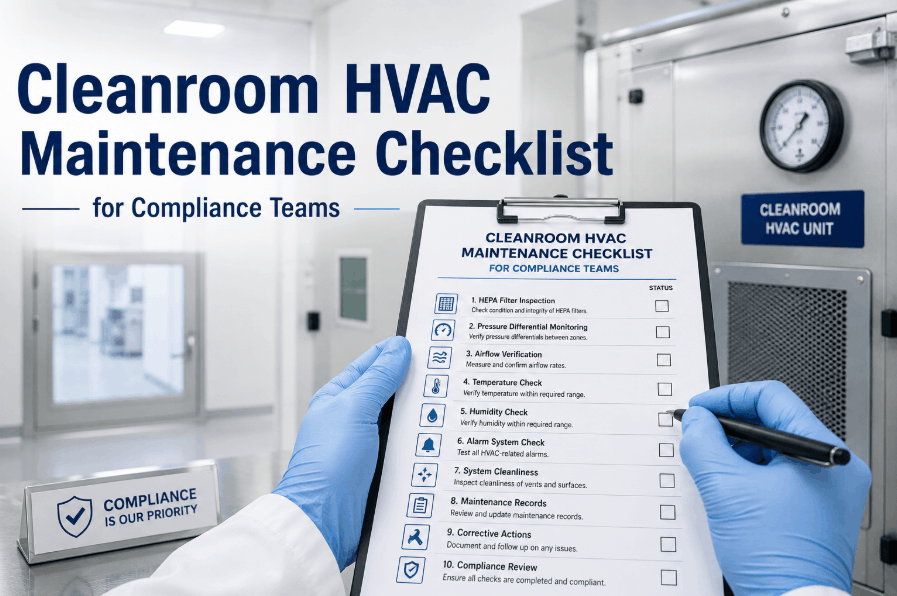
Filters must be changed per manufacturer specs (typically 30-90 days) with documented proof of completion

Audit-Ready Logs

Maintain 5+ years of records showing dates, filter specs, technician names, and inspection results

The Cost of Non-Compliance

OSHA violations aren't just paperwork—they're expensive. Serious violations start at $16,550 per citation. Willful or repeated violations can reach $165,514 each. And that's before legal fees, work stoppages or reputation damage. Facility managers who want to avoid these scenarios can book a demo to see automated compliance tracking in action.

Violation Penalties 2026

What Non-Compliance Actually Costs

Other-Than-Serious
Up to $16,550
Per violation for issues that could cause harm but aren't likely to result in death or serious injury
Serious Violation
$16,550
Per violation where there's substantial probability of death or serious physical harm
Willful/Repeated
$165,514
Per violation for intentional disregard or repeated failures to correct known hazards
Failure to Abate
$16,550/day
Daily penalty for each day beyond the abatement date that a violation remains uncorrected

Your HVAC Filter Compliance Checklist

Essential Compliance Tasks

Install MERV 13+ Filters
Upgrade to minimum MERV 13 rated filters across all HVAC units; use HEPA filters in healthcare or high-risk environments
Document Filter Specifications
Record MERV rating, manufacturer, model number, and installation date for every filter in your facility
Create Replacement Schedule
Follow manufacturer recommendations (typically 30-90 days); set automated reminders to prevent missed changes
Inspect for Filter Bypass
Check gaskets, seals, filter tracks, and sizing to eliminate air bypass that compromises even high-MERV filters
Provide PPE for Technicians
Ensure workers use N95 respirators, safety glasses, and disposable gloves when changing filters per ASHRAE guidelines
Maintain Digital Logs
Keep timestamped records of every filter change including date, technician name, filter specs, and any issues found
Conduct Quarterly Audits
Review all HVAC maintenance records quarterly to identify gaps, missed tasks, or documentation errors before inspections
Train Maintenance Staff
Provide regular training on OSHA requirements, proper filter installation, PPE usage, and documentation procedures
Stay OSHA-Compliant with Smarter HVAC Filter Management
Track HVAC filter inspections, replacements, and compliance records in one centralized system. Oxmaint helps you reduce compliance risk, avoid missed inspections, and stay audit-ready—without manual paperwork.

How Oxmaint Simplifies OSHA Compliance

Automated Compliance Tracking

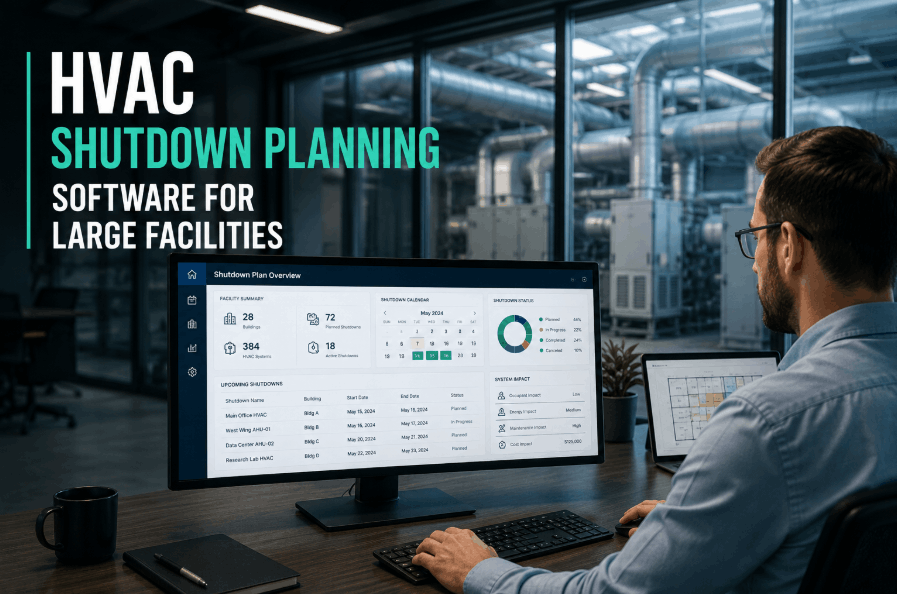
Every filter change automatically logs date, technician, filter specs, and photos. No manual paperwork. No missed documentation. Instant audit-ready reports at the click of a button.

Scheduled Reminders

Set filter replacement schedules based on manufacturer specs. Get automated alerts before filters are due, preventing missed changes and compliance gaps.

Digital Asset Registry

Maintain complete records for every HVAC unit: installation dates, filter types, MERV ratings, warranty info, and full service history—all searchable and exportable.

One-Click Audit Reports

Generate comprehensive compliance reports showing 5+ years of maintenance history, filter specifications, and inspection results. Export to PDF for OSHA inspectors in seconds.

Common OSHA Violations to Avoid

Inadequate Documentation

Missing or incomplete maintenance logs are the #1 citation. Digital systems eliminate this risk by auto-logging every task.

Low-Efficiency Filters

Using filters below MERV 13 in commercial settings violates ASHRAE recommendations and exposes workers to poor air quality.

Missed Replacement Schedules

Filters left in service beyond manufacturer specs reduce air quality and system efficiency, creating recognized hazards.

Lack of PPE Training

Technicians changing filters without proper respirators, gloves, or eye protection violate worker safety requirements.
Frequently Asked Questions

? Does OSHA require specific HVAC filter types?
OSHA doesn't mandate specific filter types but requires adequate indoor air quality under the General Duty Clause. They reference ASHRAE standards recommending MERV 13+ for commercial facilities and HEPA filters for healthcare or high-risk environments.
? How long must I keep HVAC maintenance records?
OSHA requires maintaining injury/illness records for 5 years. While not explicitly stated for HVAC logs, best practice is 5+ years of maintenance documentation to demonstrate ongoing compliance and due diligence during inspections.
? What happens during an OSHA HVAC inspection?
Inspectors review maintenance logs, check filter MERV ratings, verify replacement schedules are followed, inspect for bypass issues, and confirm workers use proper PPE. They may test air quality and interview staff about procedures.
? Can digital logs replace paper documentation?
Yes. OSHA accepts digital records as long as they're accurate, complete, and readily accessible during inspections. Digital systems often provide better audit trails with timestamps, photos, and technician verification that paper logs lack.
Stay Compliant. Avoid Penalties. Simplify Audits.
Join facility managers using Oxmaint to maintain audit-ready HVAC documentation, automate compliance tracking, and eliminate OSHA violations.

Share This Story, Choose Your Platform!