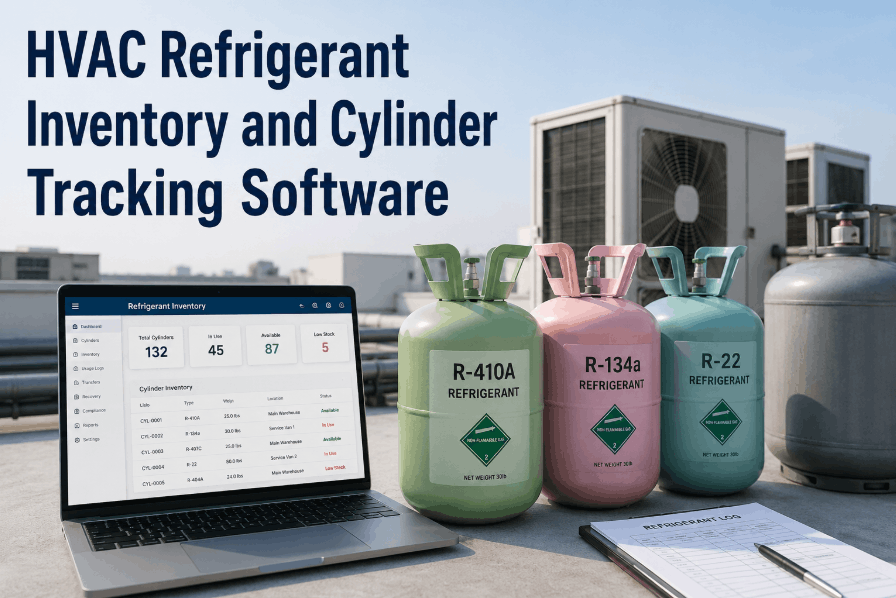
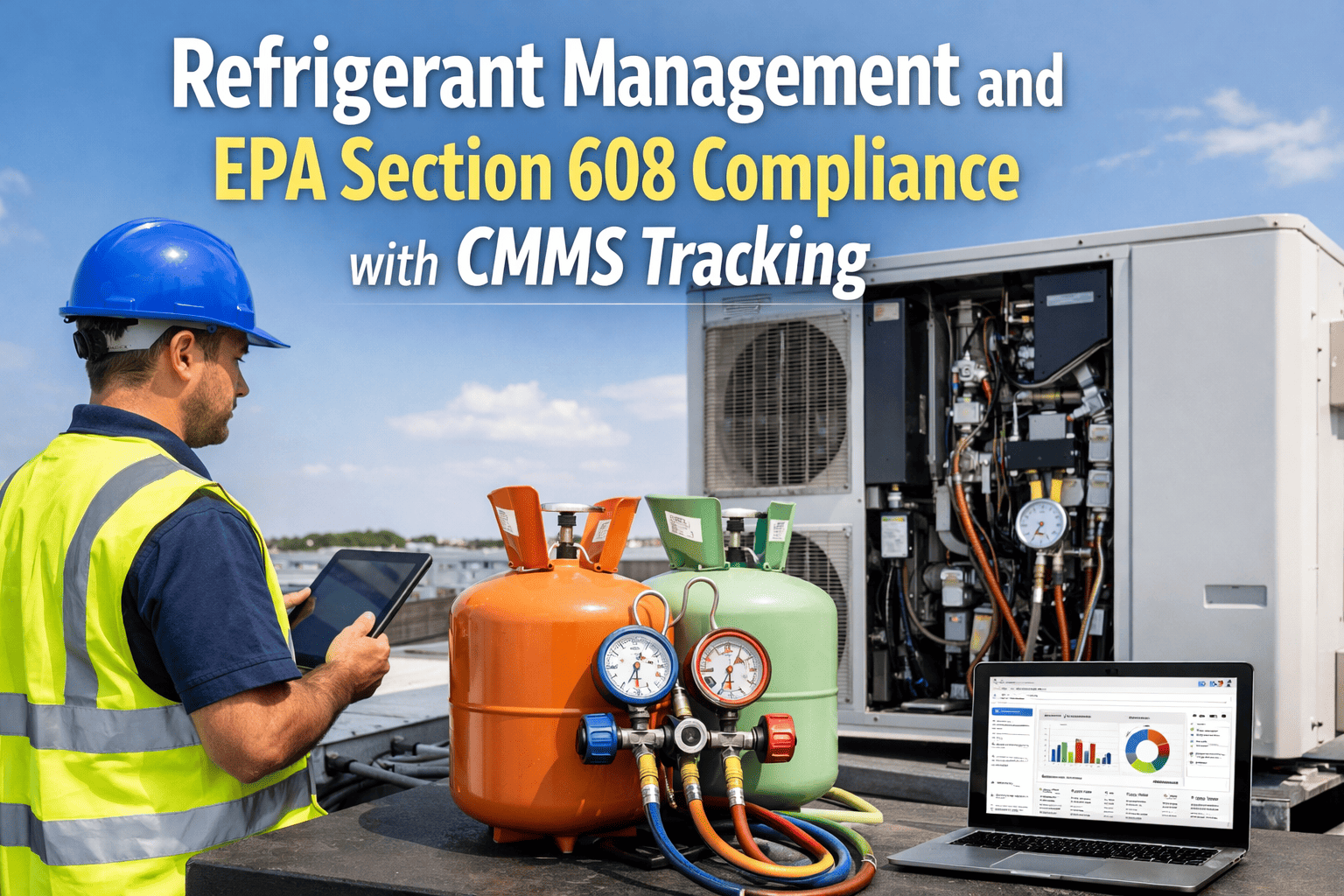
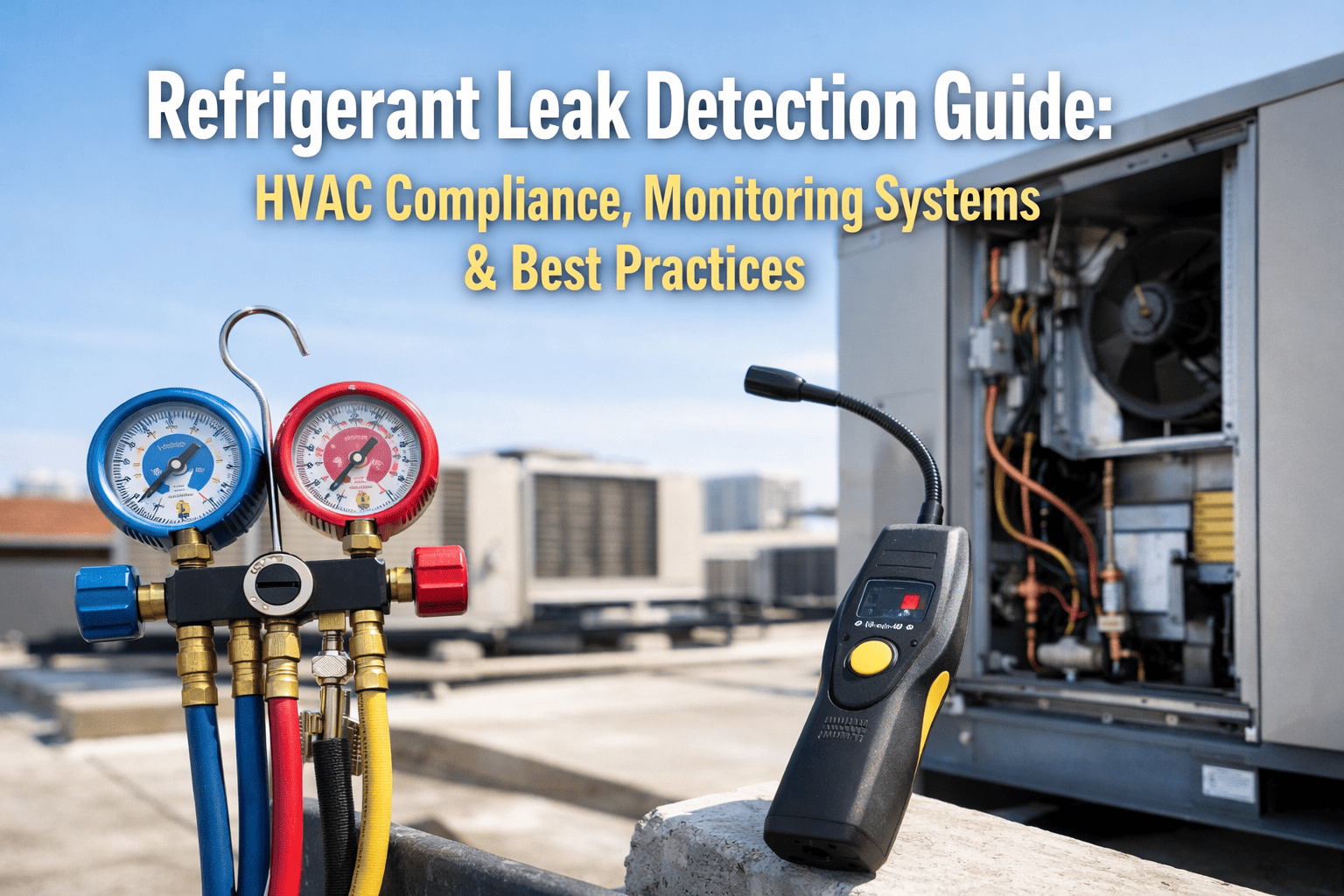
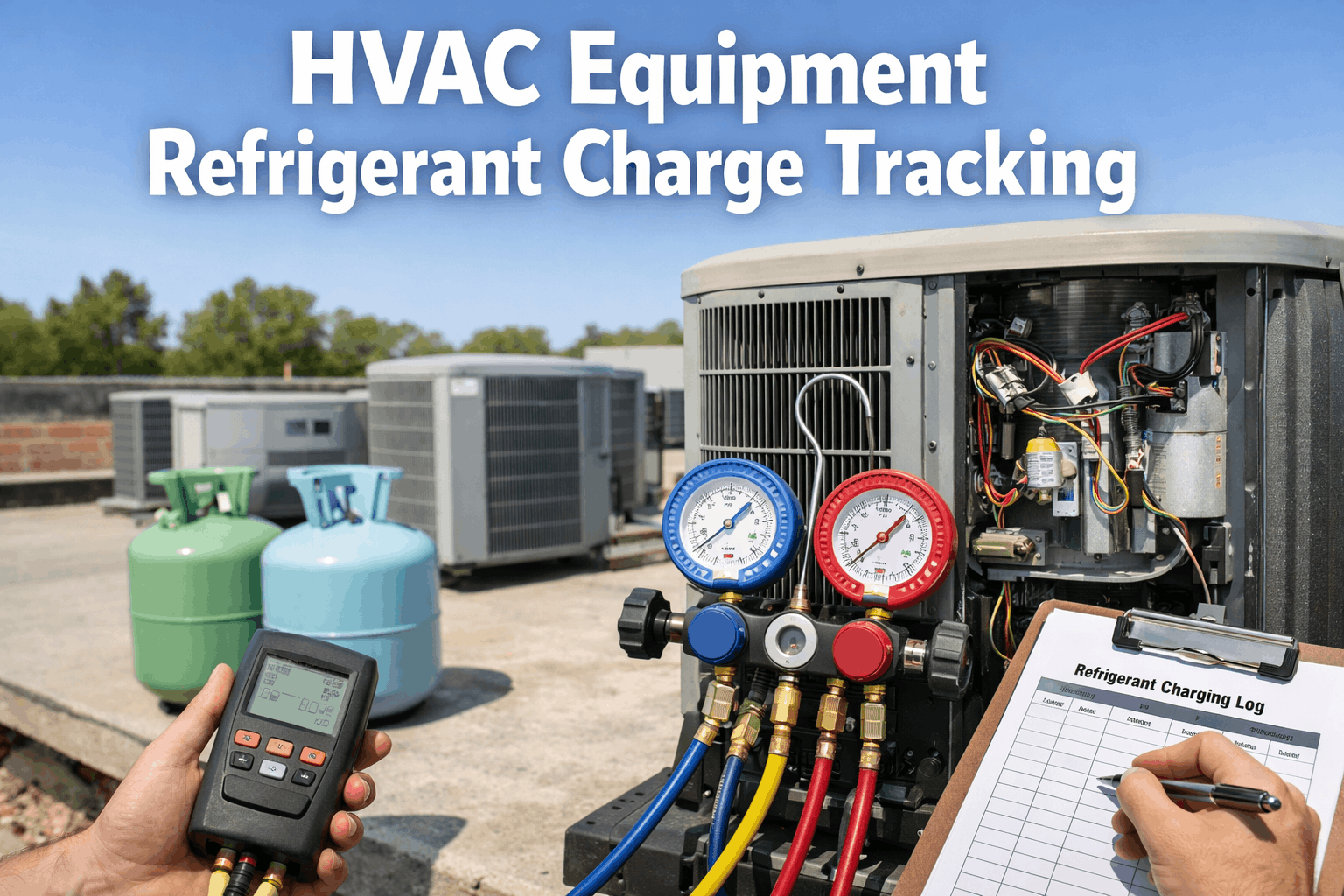
Every facility manager knows the panic of an EPA audit notification. Suddenly, you're scrambling through filing cabinets, spreadsheets, and service invoices trying to reconstruct three years of refrigerant history. One missing log entry could cost you $44,539 per day in federal penalties. But what if compliance wasn't a scramble? What if every ounce of refrigerant was tracked automatically from purchase to recovery, with leak rates calculated in real-time and EPA reports generated with a single click? Digital refrigerant management isn't just about avoiding fines—it's about transforming a compliance burden into a competitive advantage. Sign up today to see how automated tracking eliminates the audit anxiety for good.
The $44,539 Daily Risk Hiding in Your HVAC Portfolio
Federal penalties for refrigerant violations have increased 50% since 2024. Manual tracking is no longer just inefficient—it's a liability.
Why Traditional Refrigerant Management Is Failing Facilities
For decades, facilities have relied on paper service tickets, Excel spreadsheets, and technician memory to track refrigerant. This approach worked when regulations were lenient and portfolios were small. Today, with the EPA's AIM Act expanding leak tracking to systems with just 15 pounds of refrigerant and 25+ states adding their own HFC reporting requirements, the margin for error has vanished.
Consider this: A typical supermarket operates 50+ refrigeration systems across multiple locations. Each system requires tracking of purchase records, charge amounts, leak inspections, repair documentation, and technician certifications. Multiply that across a portfolio of 100 stores, and you're managing 5,000+ data points manually. Book a demo to discover how automation handles this complexity effortlessly.
The Hidden Costs of Manual Tracking
- TIME Facility managers spend 12+ hours monthly reconciling refrigerant records across sites
- RISK 67% of EPA violations stem from incomplete documentation, not actual leaks
- COST Emergency refrigerant purchases cost 40% more than planned inventory
- WASTE Unidentified chronic leakers consume 25% more refrigerant annually
The Digital Transformation: From Chaos to Compliance
Digital refrigerant management systems represent a fundamental shift from reactive record-keeping to proactive compliance automation. These platforms integrate directly with your maintenance workflows, capturing refrigerant data at the point of service and transforming it into actionable intelligence.
Purchase Tracking
Every cylinder scanned and logged upon receipt. Automatic linking to specific systems and technicians.
Charge Monitoring
Real-time tracking of refrigerant added to each system with GPS-verified location stamps.
Leak Detection
Automated leak rate calculations using EPA-approved Annualizing and Rolling Average methods.
Recovery Docs
Digital manifests for every recovery event with automatic reclamation facility verification.
The magic happens in the integration. When a technician adds refrigerant to a rooftop unit, the system instantly calculates the new leak rate. If that rate exceeds EPA thresholds—10% for comfort cooling, 20% for commercial refrigeration, or 30% for industrial process refrigeration—alerts trigger automatically. Get started now and never miss a compliance threshold again.
Understanding EPA Leak Rate Calculations
The EPA recognizes two methods for calculating refrigerant leak rates, and digital systems handle both automatically. Understanding these methods helps you appreciate why manual calculation is prone to error.
Method 1: Annualizing Method
This future-oriented approach projects annual loss based on recent additions. The formula is:
Example: Adding 10 lbs to a 100-lb system over 90 days = 40.6% annual leak rate. This method is useful for identifying urgent leaks but can fluctuate significantly.
Method 2: Rolling Average Method
This retrospective approach accounts for all additions over the past 365 days or since the last successful verification test:
Example: Adding 100 lbs to a 1000-lb system over a full year = 10% annual leak rate. This method provides a more stable, long-term view of system integrity.
Digital systems calculate both methods simultaneously, giving you the complete picture. More importantly, they maintain the 3-year audit trail required by EPA Section 608, with every calculation timestamped and technician-certified. See the calculations in action during a personalized walkthrough.
Ready to Eliminate Compliance Risk?
Join hundreds of facilities that have replaced spreadsheet chaos with digital confidence.
The Seven Data Elements of Complete Compliance
Whether you're reporting to EPA, CARB, or state environmental agencies, seven core data elements form the foundation of compliance. Digital refrigerant management systems capture all seven automatically:
Equipment Identification
Unique asset tags linking refrigerant type, full charge capacity, location, and installation date. No more guessing which "Unit 3" the technician serviced.
Refrigerant Quantity Tracking
Every addition, removal, and transfer logged with date, amount, reason code, and technician ID. Digital scales integrate directly for gram-level accuracy.
Leak Rate Calculations
Rolling 12-month calculations updated in real-time. Systems exceeding 10%, 20%, or 30% thresholds trigger immediate repair workflows.
Leak Repair Documentation
Date identified, repair description, completion date, verification test results, and follow-up inspection dates—all linked to the original leak event.
Technician Certification
EPA Section 608 certification tracking with automatic expiration alerts. No uncertified technician can log refrigerant activity in the system.
Recovery & Disposal Records
Digital manifests for recovered refrigerant including recovery equipment certification, quantities, and reclamation facility documentation.
GWP-Weighted Reporting
For state programs like CARB, automatic conversion of refrigerant pounds to CO2 equivalent using official Global Warming Potential values.
With all seven elements digitized and interconnected, generating EPA reports becomes a 30-second task instead of a 30-day ordeal. Start your free trial to experience the difference.
State-Level Compliance: Beyond Federal Requirements
While EPA Section 608 sets the federal baseline, states are rapidly expanding requirements. California's CARB program requires annual reporting for systems with 50+ pounds and uses a stricter 10% leak rate threshold for all equipment types. Washington, New York, Colorado, and Maryland have enacted similar HFC management frameworks.
The complexity multiplies when you operate across state lines. A system compliant in Texas might violate California standards. Digital platforms solve this by applying location-based rules automatically. When your technician logs activity in a Sacramento store, the system applies CARB calculations. In Houston, it follows federal guidelines. Book a demo to see multi-state compliance automation in action.
2026 Regulatory Changes You Can't Ignore
Starting January 1, 2026, the AIM Act requires automatic leak detection systems for commercial and industrial refrigeration systems with 1,500+ pounds of refrigerant. Systems installed after January 1, 2026 must comply within 30 days. Existing systems (2017-2026) have until January 1, 2027.
Digital refrigerant management platforms integrate with these detection systems, automatically logging alerts and triggering repair workflows within the required 30-day window.
The Business Case: ROI of Digital Refrigerant Management
Compliance is mandatory, but the business benefits of digital refrigerant tracking extend far beyond avoiding fines. Facilities implementing digital systems report:
Reduction in refrigerant purchases through early leak identification and repair
Reduction in time spent preparing EPA reports and compliance documentation
Audit readiness with 3-year digital record retention and instant report generation
When you factor in avoided penalties, reduced refrigerant costs, and reclaimed staff time, digital systems typically pay for themselves within the first audit cycle. Calculate your savings with our ROI calculator.
Implementation: From Spreadsheet to System in 30 Days
Transitioning from manual to digital refrigerant management doesn't require ripping and replacing your existing infrastructure. The best platforms offer phased implementation:
Week 1-2: Asset inventory and digitization. Scan equipment nameplates, import existing spreadsheets, and establish baseline refrigerant charges.
Week 3: Technician training and certification verification. Upload EPA certificates, configure mobile apps, and establish workflows.
Week 4: Go-live with parallel tracking. Run digital and manual systems simultaneously to verify accuracy, then switch fully to digital.
Throughout implementation, our team provides hands-on support to ensure your historical data migrates accurately and your team is confident with the new workflows.
Stop Dreading Audits. Start Welcoming Them.
With Oxmaint, every refrigerant ounce is tracked, every calculation is automated, and every report is one click away.
Frequently Asked Questions
What refrigerant records does the EPA require under Section 608
EPA Section 608 requires facilities to maintain records for all appliances containing 50 or more pounds of refrigerant. This includes the quantity of refrigerant added during each service event and the date, type of refrigerant in each system, full charge of each system, calculated leak rate based on rolling 12-month history, documentation of leak inspections and repair activities, results of verification tests confirming repairs were successful, amount of refrigerant recovered during maintenance, and EPA Section 608 technician certification records. All records must be retained for a minimum of three years.
How do I calculate the annualized leak rate for EPA compliance
The EPA recognizes two methods. The Annualizing Method calculates leak rate as (Lbs Added ÷ Full Charge) × (365 ÷ Days Since Last Charge) × 100. The Rolling Average Method uses (Total Lbs Added Over Period ÷ Full Charge) × (365 ÷ Number of Days in Period) × 100. Digital systems calculate both automatically every time refrigerant is added, ensuring accuracy and compliance with your chosen methodology.
What are the current EPA leak rate thresholds
Under EPA regulations, the maximum allowable leak rates are 10% per year for comfort cooling equipment, 20% for commercial refrigeration, and 30% for industrial process refrigeration. Exceeding these thresholds requires repairs within 30 days and may trigger reporting requirements if the system leaks 125% or more of its full charge in a calendar year.
Does California have different refrigerant reporting requirements than federal
Yes, California's CARB Refrigerant Management Program is significantly more stringent. It requires mandatory annual reporting for systems with 50+ pounds, uses a stricter 10% leak rate threshold for all system types, requires automatic leak detection for systems with 200+ pounds, mandates reporting in GWP-weighted metric tons of CO2 equivalent, and requires use of CARB's online reporting system. Facilities in California must comply with both federal and state requirements simultaneously.
What triggers the requirement to calculate leak rate
You must calculate the leak rate every time refrigerant is added to a system, with three exceptions: immediately following a system retrofit, installation of new equipment, or seasonal variance adjustments. Digital systems perform this calculation automatically upon service entry, eliminating manual computation errors and ensuring every addition is properly tracked.
How long must refrigerant records be kept
EPA Section 608 requires all refrigerant records to be maintained for a minimum of three years. These records must be available for EPA inspection upon request without advance notice. Digital systems maintain these records indefinitely in the cloud, ensuring you never lose documentation to floods, fires, or filing cabinet purges.
The transition from manual to digital refrigerant management isn't just about keeping up with regulations—it's about getting ahead of them. As the EPA expands requirements under the AIM Act and states enact stricter HFC regulations, facilities with automated systems will adapt seamlessly while others scramble to catch up. Join the digital compliance revolution today and turn refrigerant management from your biggest liability into your strongest asset.