Service plans are the foundation of predictable HVAC revenue, but the real profit acceleration happens when technicians systematically upgrade customers to higher-tier plans and add complementary services. Companies with structured upselling and cross-selling programs see 30-50% higher revenue per customer compared to those relying on passive order-taking. The challenge is arming your team with the right tools — real-time visibility into customer equipment age, automated upgrade prompts, and instant access to tier comparisons — without slowing down field operations or overwhelming customers with choices.
Upselling and cross-selling software transforms every service interaction into a revenue opportunity. It surfaces upgrade recommendations based on equipment condition, flags customers eligible for tier upgrades, and provides technicians with digital tools to present options professionally. Oxmaint CMMS equips HVAC businesses with intelligent selling tools — from equipment age alerts and automated upgrade workflows to mobile presentation tools that help technicians confidently move customers from Basic to Premium plans while adding IAQ solutions, surge protection, and extended warranties.
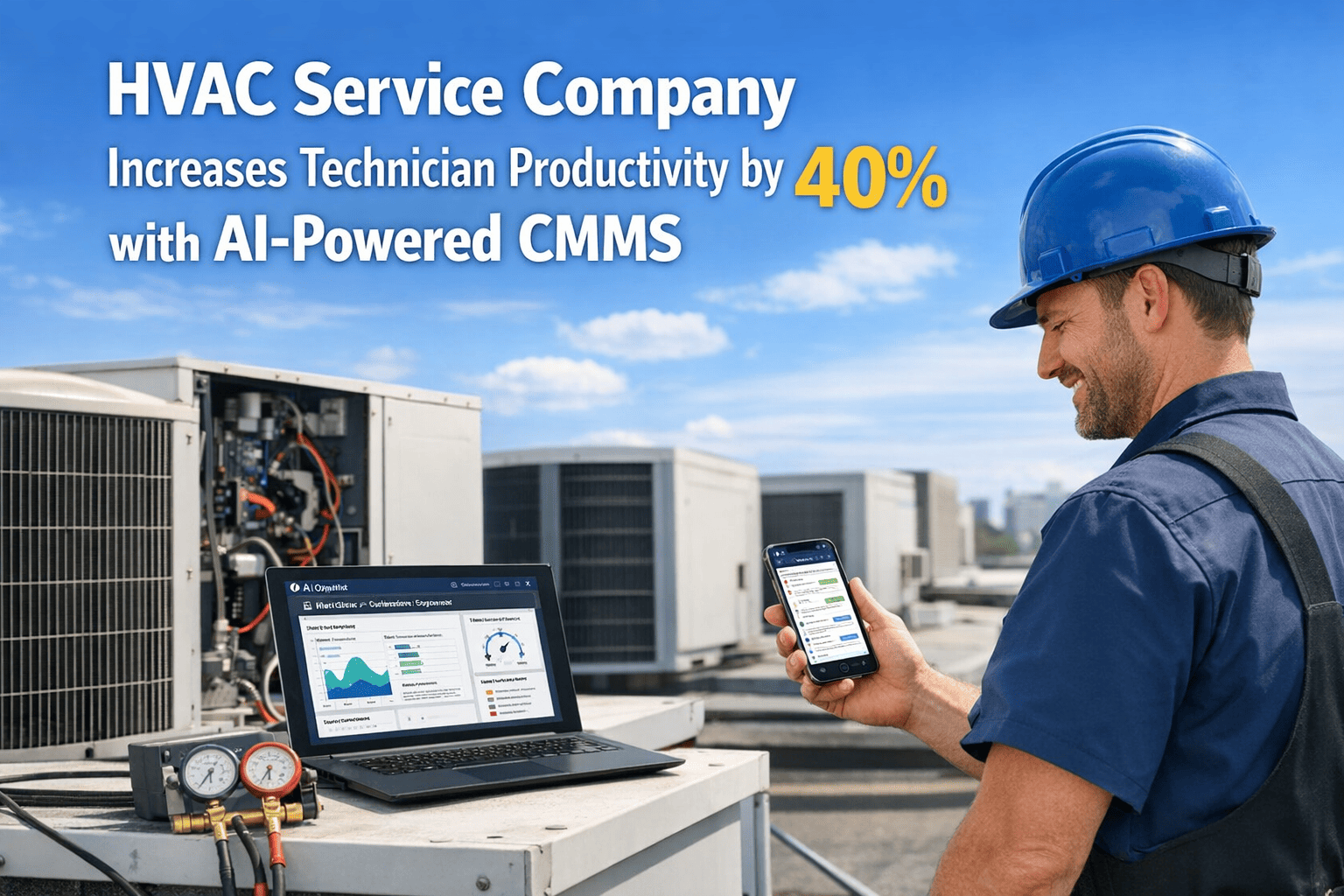
Technicians who use structured upselling tools generate 40% more revenue per visit than those who don't. The difference isn't talent — it's having instant access to customer history, equipment insights, and upgrade recommendations at the point of service.
The Upselling Lifecycle: Where Software Drives Revenue
Every customer touchpoint is an opportunity to increase value. Software ensures your team never misses the moment:
Pre-Visit Intelligence
Technicians review customer profile before arrival — current plan tier, equipment age, service history, past upgrade declines, and automated recommendations. System flags customers with equipment 10+ years old, frequent repair history, or expiring warranties as priority upsell targets.
On-Site Assessment Triggers
Mobile app prompts technicians to evaluate upsell indicators during routine maintenance — refrigerant condition, ductwork efficiency, indoor air quality readings, electrical load. Automatic alerts when equipment approaches replacement age or efficiency thresholds.
Digital Plan Comparison
Technicians present tier upgrades and add-on services using mobile-friendly comparison tools — side-by-side benefits, pricing, and ROI calculations. Visual equipment photos with annotated recommendations. Instant digital quotes and signature capture.
Automated Follow-Up Sequences
Customers who decline upgrades enter automated nurture campaigns — seasonal efficiency tips, equipment aging alerts, and limited-time upgrade offers. System tracks "not now" responses and resurfaces opportunities at optimal intervals.
Performance Analytics
Dashboard tracks upsell conversion rates by technician, service type, and customer segment. Identify which upgrade offers resonate, which techs need coaching, and which equipment profiles predict highest upgrade success.
Equip Your Technicians to Sell Confidently
Oxmaint gives your field team instant access to customer intelligence, automated upgrade recommendations, and professional digital presentation tools — turning routine maintenance into revenue growth opportunities.
Upsell Opportunities: Tier Upgrades vs. Add-On Services
Effective upselling targets two distinct revenue streams. Your software must support both:
Plan Tier Upgrades
Add 1-2 visits annually, increase repair discount from 10% to 20%, add coil cleaning service, eliminate overtime charges. Target: customers with 5+ year old equipment or frequent repair calls.
Add quarterly filter delivery, 24/7 emergency priority, extended parts warranty, annual duct inspection. Target: high-value homes, customers with multiple systems, or those expressing comfort concerns.
Convert residential premium to light commercial coverage for home offices, rental properties, or small businesses. Multi-system discounts and tax-deductible service benefits.
Add-On Services
Air purifiers, UV lights, humidifiers, and dehumidifiers. Target: customers with allergies, respiratory concerns, or homes in high-humidity regions. Attach rate highest during spring maintenance.
Surge protectors for HVAC systems, condensate overflow switches, safety float switches. Target: customers with finished basements, expensive flooring, or previous water damage incidents.
Smart thermostats, zoning systems, remote monitoring sensors. Target: tech-savvy homeowners, vacation property owners, or customers with inconsistent comfort between rooms.
What Fails Without Upselling Tools
Manual upselling attempts waste opportunities and damage customer relationships:
Missed Upgrade Moments
Technicians complete maintenance without checking equipment age or plan tier. A customer with a 12-year-old furnace on a Basic plan gets no upgrade offer — then calls a competitor when it fails in January. Lost $800 annual contract + $6,000 replacement.
Inconsistent Messaging
Each technician describes plan tiers differently. One emphasizes discounts, another focuses on visit frequency, a third mentions priority scheduling. Customers receive conflicting information and defer decisions. No standardized value proposition means no scalable sales process.
Delayed Quotes Kill Deals
Technician spots opportunity but must call office for pricing. Customer waits 24-48 hours for email quote. By then, urgency fades and the "repair vs. upgrade" decision defaults to cheapest option. 60% of delayed quotes never close.
No Follow-Up System
Customer says "let me think about it" — and never gets another touch. No automated nurture sequence, no reminder when equipment ages further, no seasonal trigger. The 40% of customers who need multiple contacts before upgrading are lost to competitors who stay in touch.
Untrained Technicians
Techs know HVAC systems but lack sales training and tools. They feel "pushy" mentioning upgrades, so they stay silent. Without scripted prompts, visual aids, and clear incentive structures, technical staff avoid selling entirely — leaving millions in potential revenue unrealized.
Blind Cross-Selling
Office staff randomly suggest IAQ products to every customer regardless of need. Low relevance means low conversion and annoyed customers. Without data-driven targeting based on home age, location, or previous purchases, cross-selling feels like spam rather than service.
Stop Losing Revenue to Missed Opportunities
Oxmaint surfaces upgrade opportunities automatically, equips technicians with professional presentation tools, and ensures every "maybe later" gets followed up — maximizing revenue from your existing customer base.
Essential Upselling & Cross-Selling Features
Your software must do more than store customer data — it must actively drive revenue growth:
Intelligent Upgrade Alerts
System automatically flags customers for upgrade opportunities based on equipment age (10+ years), repair frequency (3+ calls annually), plan tier mismatches, or warranty expiration dates. Priority scoring helps technicians focus on highest-probability conversions during busy seasons.
Mobile Plan Comparison Presenter
Technicians display side-by-side tier comparisons on tablet or phone — current plan vs. upgrade options with visual checkmarks for included services. Interactive ROI calculators show energy savings and repair cost avoidance. One-tap digital quotes and signature capture eliminate paperwork delays.
Add-On Service Recommendations
AI-driven suggestions for IAQ products, protection plans, and smart home upgrades based on home profile, equipment type, geographic location, and season. Integration with inventory ensures technicians only recommend products in stock. Bundle pricing automatically calculated for multi-product sales.
Technician Performance Coaching
Leaderboards and conversion rate tracking by individual technician, upgrade type, and customer segment. Identify top performers' techniques through call recording integration. Automated coaching prompts for techs below target conversion rates. Gamification with spiffs and recognition for upsell achievements.
Automated Nurture Campaigns
Customers who decline upgrades enter segmented email/SMS sequences — equipment aging alerts, seasonal efficiency tips, limited-time upgrade incentives. System resurfaces opportunities when triggers occur (warranty expiration, major repair, extreme weather). Tracks engagement and alerts sales team when prospects show interest.
Revenue Attribution Analytics
Complete visibility into upsell revenue by source — which technicians, which service types, which equipment profiles generate highest conversion. Track attach rates for add-on products. Measure campaign ROI for nurture sequences. Forecast upgrade pipeline based on aging equipment database.
Key Upselling Metrics to Track
Monitor these indicators to optimize your revenue growth engine:
Tier Upgrade Conversion
Percentage of eligible customers who accept plan upgrades when presented. Below 20% indicates pricing misalignment or weak value communication. Above 35% suggests underpricing or overly aggressive sales tactics.
Average Upsell Value
Additional revenue generated per service call through tier upgrades and add-ons. Top-performing technicians achieve $150+ through systematic presentation of relevant options.
IAQ Product Sales
Percentage of maintenance visits resulting in air quality product attachment. Requires on-site demonstration tools (particle counters) and technician confidence in product benefits.
Quote-to-Sale Conversion
Percentage of digital quotes presented that result in immediate or within-7-day sales. Below 30% suggests pricing, presentation, or follow-up issues.
Digital vs. Verbal Close Rate
Technicians using digital presentation tools close upgrades at 3× the rate of those relying on verbal explanations. Visual comparison and instant quotes eliminate friction.
Delayed Conversion Rate
Percentage of initially declined upgrades that convert within 6 months through automated follow-up. Captures customers who needed time, budget approval, or additional information.
Frequently Asked Questions
What are HVAC service plan upselling tools?
HVAC service plan upselling tools are software features that help technicians and sales teams increase customer value by upgrading maintenance plan tiers and adding complementary services. These tools include intelligent alerts that flag customers with aging equipment or mismatched plan levels, mobile apps with side-by-side plan comparison presentations, automated quote generation, and digital signature capture. Advanced systems use customer data — equipment age, repair history, home profile — to recommend specific upgrades and add-ons with highest probability of acceptance.
How do technicians upsell without being pushy?
The key to non-pushy upselling is consultative positioning and data-driven recommendations. Technicians should lead with equipment condition findings — "Your furnace is 11 years old and showing efficiency decline" — rather than jumping to sales language. Software tools support this by providing visual evidence: photos of worn components, efficiency readings, and air quality measurements. Presenting three tier options (including their current plan) with clear benefit comparisons lets customers self-select rather than feeling pressured. The most effective approach ties upgrades to specific customer pain points mentioned during the visit — allergies (IAQ products), inconsistent temperatures (zoning), previous water damage (protection plans).
What add-on services have highest attachment rates?
Attachment rates vary significantly by service type and presentation method. Indoor air quality (IAQ) products — particularly whole-home air purifiers and UV lights — achieve 20-25% attachment when technicians use portable particle counters to demonstrate air quality issues on-site. Surge protectors for HVAC systems attach at 30-40% when presented as insurance against $3,000+ compressor damage from electrical storms. Smart thermostats convert at 15-20% when technicians demonstrate remote access and scheduling features during the visit. Protection plans (condensate overflow switches, safety float switches) achieve highest attachment (35-45%) when tied to specific risk scenarios — "This $200 switch prevents the $15,000 basement flood that happened to your neighbor."
How do you track technician upselling performance?
Comprehensive upselling tracking requires monitoring multiple metrics at individual technician and team levels. Primary indicators include: upgrade conversion rate (percentage of eligible customers presented with upgrades who accept), average upsell revenue per service call, attach rate by product category (IAQ, protection plans, smart thermostats), and quote-to-close ratio for major upgrades. Software dashboards should display these metrics in real-time with filtering by date range, service type, and customer segment. Secondary metrics include presentation rate (are technicians actually offering upgrades to eligible customers?), follow-up completion rate for declined offers, and customer satisfaction scores post-upgrade (ensuring sales don't damage relationships).
What's the best timing for upgrade offers?
Optimal upselling timing depends on customer readiness and seasonal factors. During routine maintenance visits, the best moment is after technicians have demonstrated value — typically 15-20 minutes into the service call after identifying equipment conditions or efficiency issues. Spring and fall tune-ups present natural upgrade opportunities as customers focus on system readiness for extreme weather. Equipment age triggers (10+ years for furnaces, 12+ years for AC units) create urgency regardless of season. Post-repair scenarios offer strong conversion potential — customers who just paid $400 for a repair are receptive to plans that prevent future breakdowns. For commercial clients, budget cycle alignment is critical — presenting upgrades 3-4 months before fiscal year end when remaining budget must be spent.
Maximize Revenue From Every Customer Relationship
Join HVAC companies using Oxmaint to systematically grow average customer value — with intelligent upgrade alerts, professional presentation tools, and automated follow-up that converts "maybe later" into revenue today.