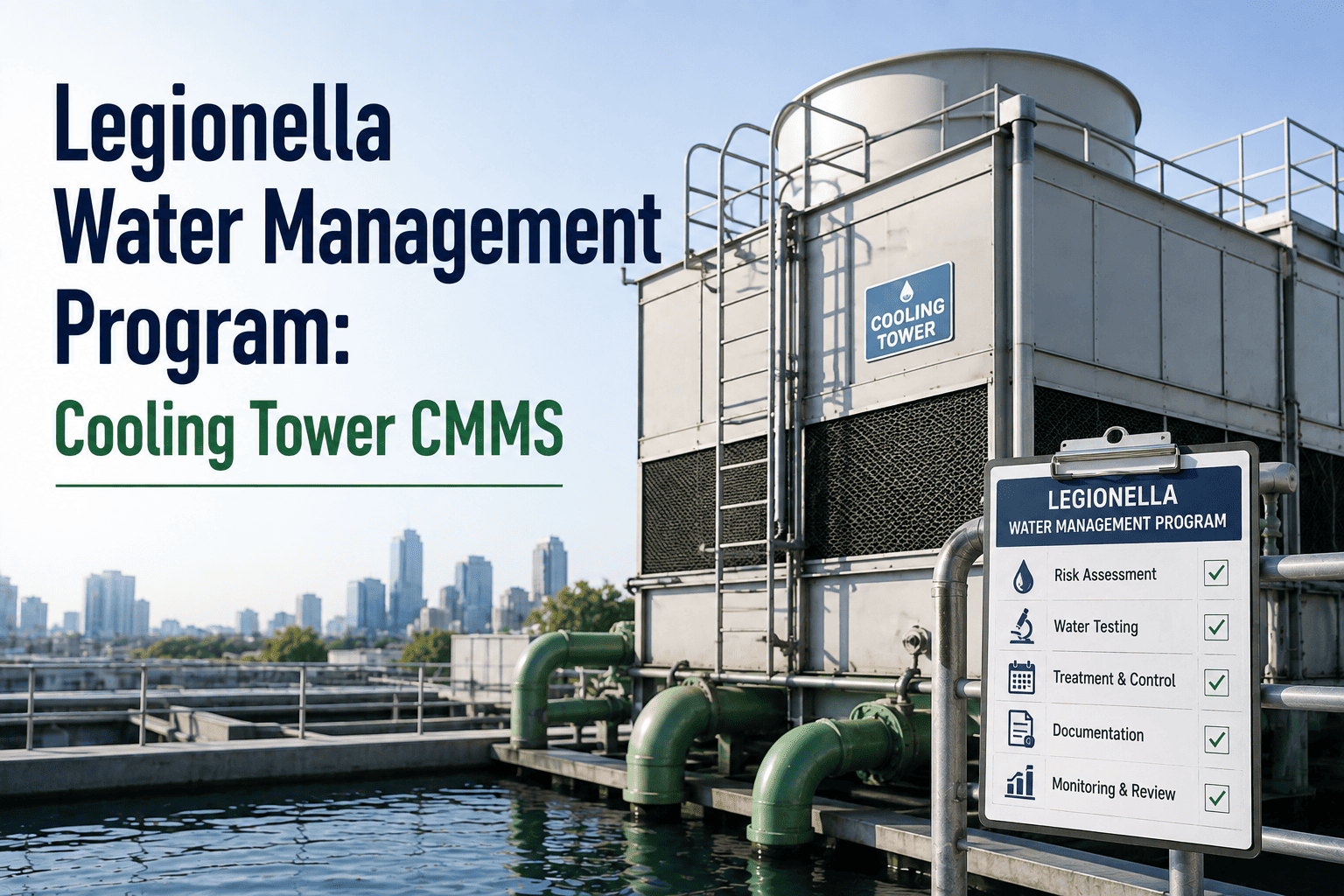
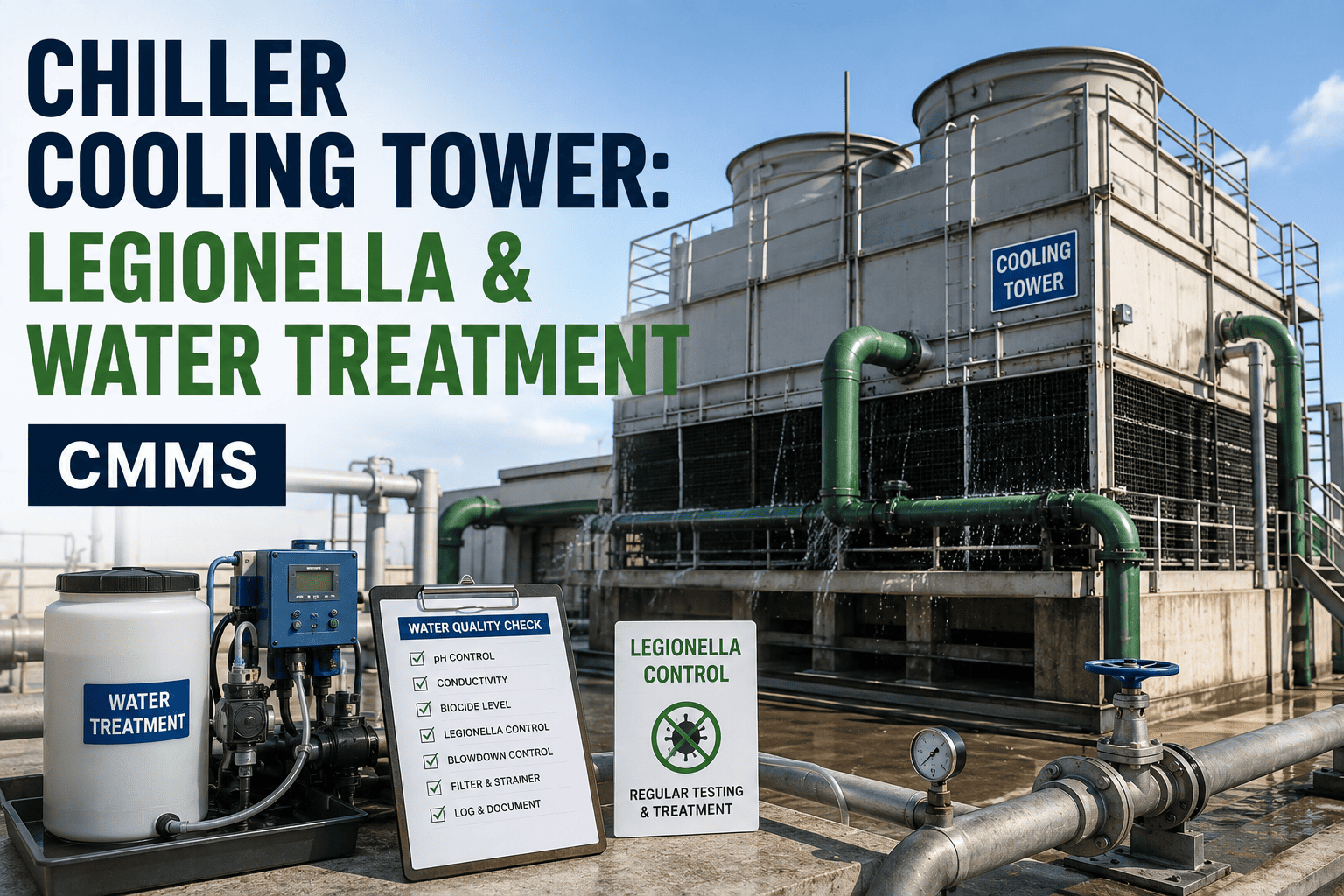
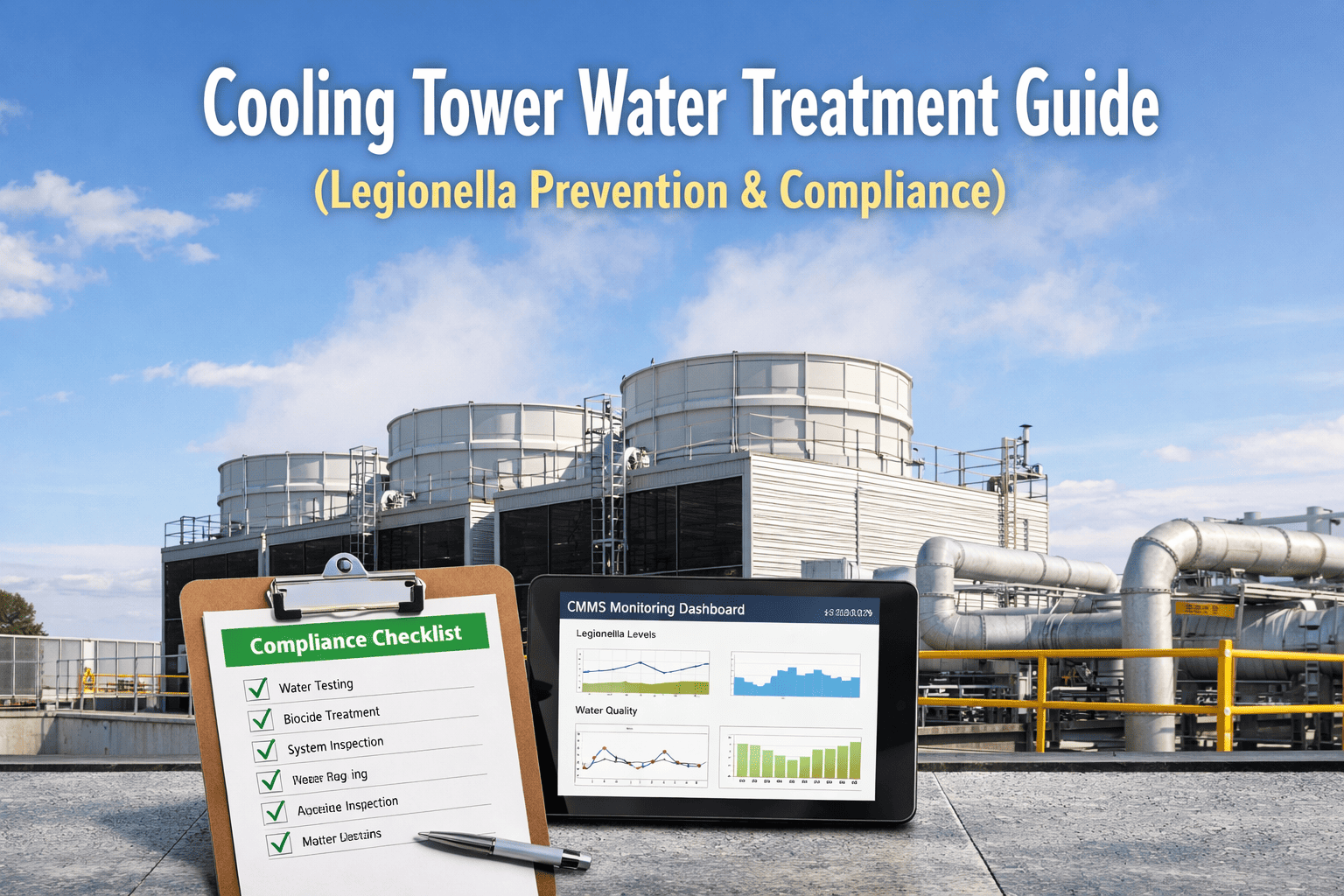
Legionella bacteria represent one of the most significant yet underappreciated risks in modern facility management, lurking silently in cooling towers, evaporative condensers, and domestic hot water systems until an outbreak triggers catastrophic consequences. The financial exposure alone should command every facility director's attention—single Legionnaires' disease outbreaks have resulted in settlements and judgments exceeding $10 million, not counting the irreparable reputational damage and regulatory scrutiny that follows. Beyond the liability exposure lies a fundamental duty of care: this preventable pneumonia claims thousands of lives annually, many traced directly to poorly maintained building water systems. ASHRAE Standard 188 has transformed what was once recommended practice into enforceable protocol, mandating comprehensive water management programs that demand rigorous documentation, continuous monitoring, and evidence-based intervention. Digital transformation has emerged as the critical enabler for compliance, replacing error-prone manual processes with automated tracking, real-time alerts, and audit-ready documentation that demonstrates due diligence to regulators, insurers, and stakeholders.
The $10 Million Microorganism
Why Legionella Compliance Cannot Be Left to Chance
Understanding the Legionella Threat in HVAC Infrastructure
Legionella pneumophila thrives in engineered water systems precisely because these environments replicate the natural habitats where the bacteria evolved—warm, stagnant waters with sediment and biofilm support. Cooling towers present ideal amplification sites: large volumes of recirculating water maintained at 85-115°F, abundant nutrients from airborne debris, and aerosol generation that distributes bacteria over vast distances. Sign up to implement monitoring protocols that catch risks before they escalate. The bacteria colonize biofilms that protect them from standard disinfection measures, requiring systematic management rather than simple chemical treatment. HVAC systems become vectors when contaminated aerosols enter ventilation intakes or when cross-connections allow contaminated cooling water into domestic systems. Understanding these transmission pathways is essential for designing effective control strategies that address the full complexity of building water ecology.
ASHRAE 188: The New Compliance Reality
The 2015 publication of ASHRAE Standard 188 fundamentally changed the regulatory landscape, establishing minimum legionellosis risk management requirements for building water systems. Unlike previous guidelines, Standard 188 is now referenced by the International Mechanical Code and adopted by numerous jurisdictions as enforceable law. Book a demo to see how digital platforms automate ASHRAE 188 compliance workflows. The standard mandates a comprehensive water management program encompassing a team with defined roles, system surveys identifying risk points, control measures with specific performance criteria, monitoring procedures, corrective actions, and rigorous documentation. Cooling towers, evaporative condensers, and domestic hot water systems receive particular scrutiny, requiring temperature management, disinfection protocols, and routine testing that many facilities struggle to implement consistently without digital support.
Program Team
Designate responsible personnel with defined authority
System Survey
Identify all water systems and risk factors
Control Measures
Establish limits for temperature, disinfection, flow
Monitoring
Track control measure performance routinely
Corrective Action
Respond to excursions with defined protocols
Documentation
Maintain records demonstrating program operation
Critical Control Points in Cooling Tower Management
Effective Legionella prevention requires systematic attention to multiple control points throughout the cooling water circuit. Biocide treatment represents the primary chemical defense, requiring continuous or alternating oxidizing and non-oxidizing agents that penetrate biofilms without accelerating corrosion. Sign up to automate your treatment monitoring and dosing verification. Temperature management demands particular vigilance during shoulder seasons when ambient conditions reduce heat rejection and allow water temperatures to climb into bacterial growth zones. Scale and corrosion control prevent the sediment accumulation that shelters Legionella colonies, while filtration removes particulates that deplete biocide residuals and provide attachment surfaces. Each control point requires specific monitoring parameters, acceptable ranges, and corrective actions that digital platforms can track automatically, alerting personnel only when interventions are actually required.
Make-up Water
- Hardness monitoring
- Pre-treatment verification
- Source quality assessment
Recirculation
- Temperature logging
- Biocide residual testing
- pH control
Blowdown
- Conductivity control
- Cycle concentration limits
- Discharge compliance
Aerosol Control
- Drift eliminator inspection
- Plume abatement
- Setback distances
Transform Compliance from Burden to Competitive Advantage
Digital water management doesn't just prevent outbreaks—it demonstrates operational excellence that insurers, tenants, and regulators recognize and reward.
The Sampling Strategy Imperative
Environmental sampling for Legionella provides the ultimate verification that control measures are effective, but sampling without strategy wastes resources and creates false confidence. Culture-based methods remain the gold standard despite 7-14 day turnaround times, while PCR testing offers rapid screening that requires culture confirmation. Book a demo to design sampling protocols matched to your risk profile. Sampling locations must represent worst-case scenarios—sumps, dead legs, and areas with historical problems—rather than convenient access points. Frequency depends on system criticality, with healthcare facilities requiring monthly testing and commercial buildings typically sampling quarterly. Digital platforms manage the complex logistics of sampling schedules, chain-of-custody documentation, and result tracking, automatically flagging trends that indicate deteriorating control before concentrations reach dangerous levels.
Digital Water Management: Beyond Spreadsheets
The complexity of modern water management programs has exceeded the capacity of manual tracking systems. Paper logs disappear, Excel spreadsheets contain formula errors, and critical tasks get overlooked during staff transitions. Sign up to eliminate the documentation gaps that expose facilities to liability. Digital platforms provide centralized databases accessible to authorized personnel anywhere, automated scheduling that prevents missed inspections, mobile data entry that captures field observations instantly, and integration with building automation systems for real-time parameter monitoring. Most importantly, they create defensible documentation trails that timestamp every action, demonstrate consistent program implementation, and generate the compliance reports that inspectors and legal counsel require.
Automated Scheduling
Never miss a treatment, test, or inspection with calendar integration and escalation alerts
Real-time Monitoring
Connect sensors for continuous temperature, pH, and conductivity tracking with instant alerts
Chain of Custody
Digital sample tracking eliminates transcription errors and ensures defensible lab results
Trend Analysis
Identify deteriorating conditions before they trigger outbreaks or regulatory action
Remediation Protocols and Emergency Response
Despite best prevention efforts, occasional Legionella detection requires rapid, protocol-driven response to prevent amplification and exposure. Remediation ranges from shock chlorination for low-level contamination to system decontamination, cleaning, and recommissioning for high concentrations or outbreak-associated cases. Sign up to access remediation workflows that ensure nothing is overlooked during crisis response. Digital platforms guide personnel through step-by-step remediation protocols, document treatment concentrations and contact times, track clearance sampling, and manage communication with health departments. This structured approach prevents the panic-driven mistakes that often worsen situations—insufficient contact times, inadequate system cleaning, or premature return to service that allows rapid recolonization.
Insurance and Legal Considerations
The insurance marketplace has recognized Legionella exposure, with many general liability policies now excluding microbial contamination or requiring specific water management programs as conditions of coverage. Book a demo to understand how compliance documentation affects your insurability. Underwriters increasingly request evidence of ASHRAE 188 implementation, sampling records, and corrective action documentation when pricing coverage or processing claims. From a legal perspective, premises liability doctrine holds property owners responsible for maintaining safe conditions, and failure to implement recognized standards like ASHRAE 188 creates presumptive negligence. Digital documentation systems provide the evidence of reasonable care that defends against claims and supports insurance recovery when incidents occur despite proper precautions.
Protect Your Facility, Your Occupants, and Your Reputation
Join the facilities that have replaced Legionella anxiety with confidence through systematic digital water management.
Frequently Asked Questions
What is ASHRAE Standard 188 and who must comply?
ASHRAE 188 is a consensus standard that establishes minimum legionellosis risk management requirements for building water systems. While originally voluntary, it is now incorporated by reference into the International Mechanical Code and adopted by many states and municipalities as enforceable regulation. Facilities with cooling towers, evaporative condensers, whirlpool spas, or large complex domestic hot water systems should implement compliant water management programs.
How often should cooling towers be tested for Legionella?
Testing frequency depends on facility type and risk factors. Healthcare facilities typically require monthly testing due to vulnerable patient populations. Hotels, commercial buildings, and industrial facilities generally test quarterly. However, any detection of Legionella should trigger increased monitoring until the source is eliminated and consecutive negative samples confirm control.
What temperature kills Legionella bacteria?
Legionella dies rapidly at temperatures above 122°F (50°C), which is why maintaining hot water above 140°F at the heater and ensuring recirculation loops maintain 124°F at the farthest fixture is recommended. Conversely, cold water should be maintained below 68°F to prevent growth. The danger zone of 68°F-122°F supports bacterial proliferation and must be avoided in system design and operation.
Can digital platforms integrate with existing building automation systems?
Yes, modern water management platforms offer API integration and protocol support (BACnet, Modbus) that allows direct data exchange with building automation systems. This enables automatic import of temperature readings, flow rates, and equipment status while maintaining digital platforms as the system of record for compliance documentation and workflow management.
What documentation is required to prove compliance during an inspection?
Inspectors typically request: water management team roster with qualifications, system survey documentation identifying all water systems and risk points, control measure specifications with acceptable ranges, monitoring records showing actual readings against limits, corrective action logs for any excursions, sampling results with chain of custody, and training records for personnel. Digital platforms generate these reports instantly rather than requiring days of document gathering.
How quickly can Legionella colonize a new cooling tower system?
Given favorable conditions (temperature 85-115°F, nutrients present, inadequate biocide), Legionella can establish detectable populations within 2-4 weeks of system startup or treatment interruption. This rapid colonization potential makes continuous treatment essential and explains why startup protocols and seasonal commissioning require particular attention to disinfection and verification sampling.