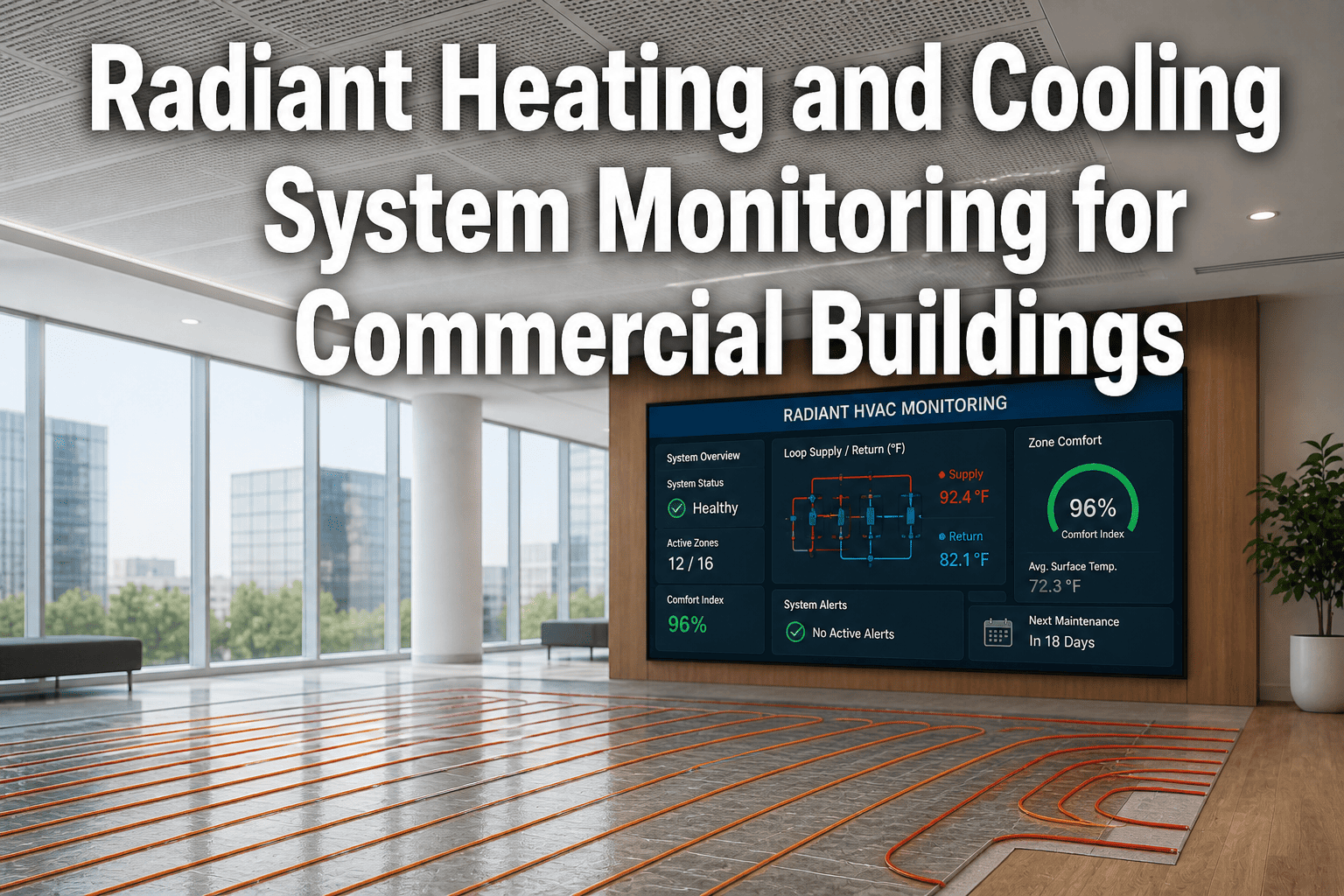
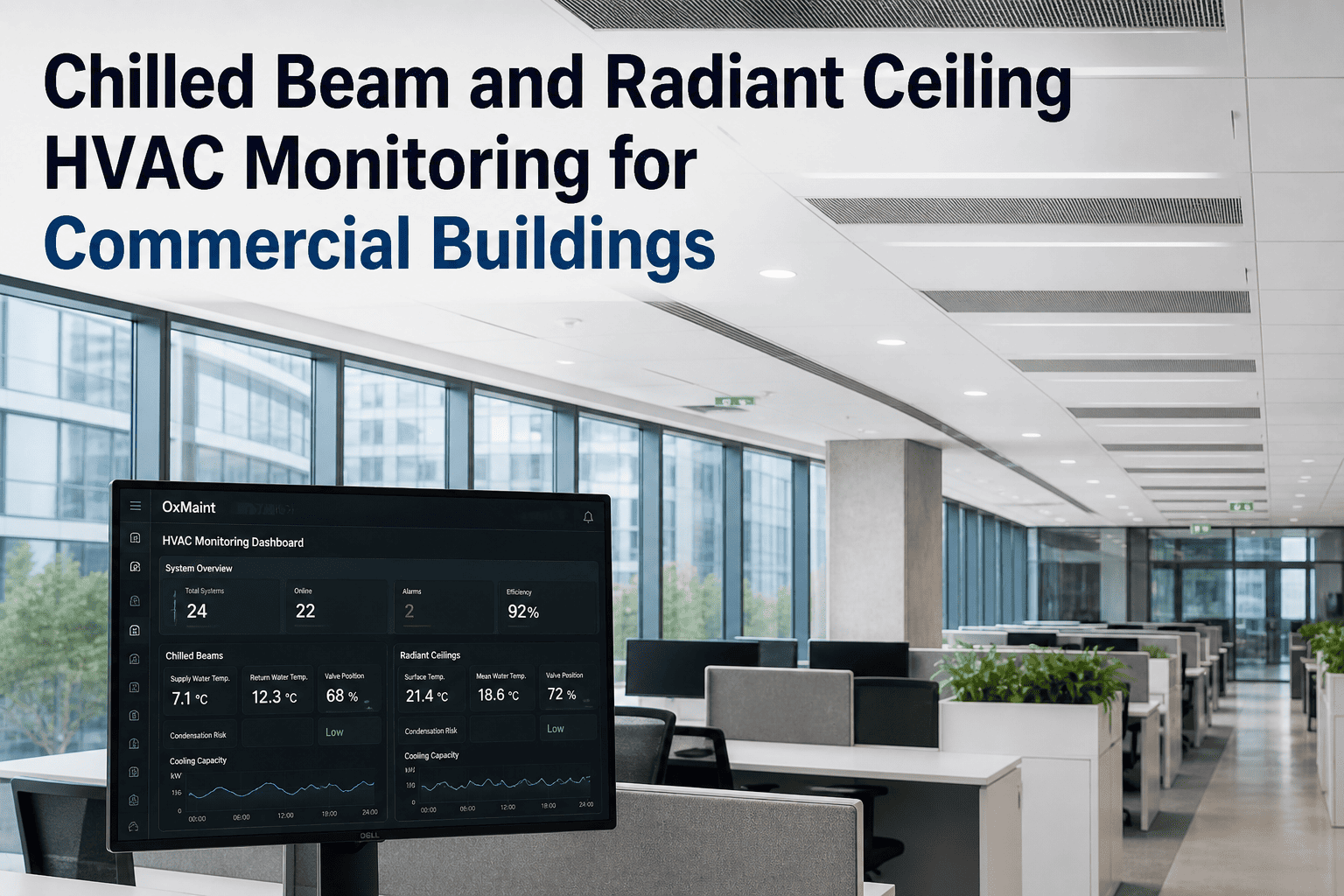
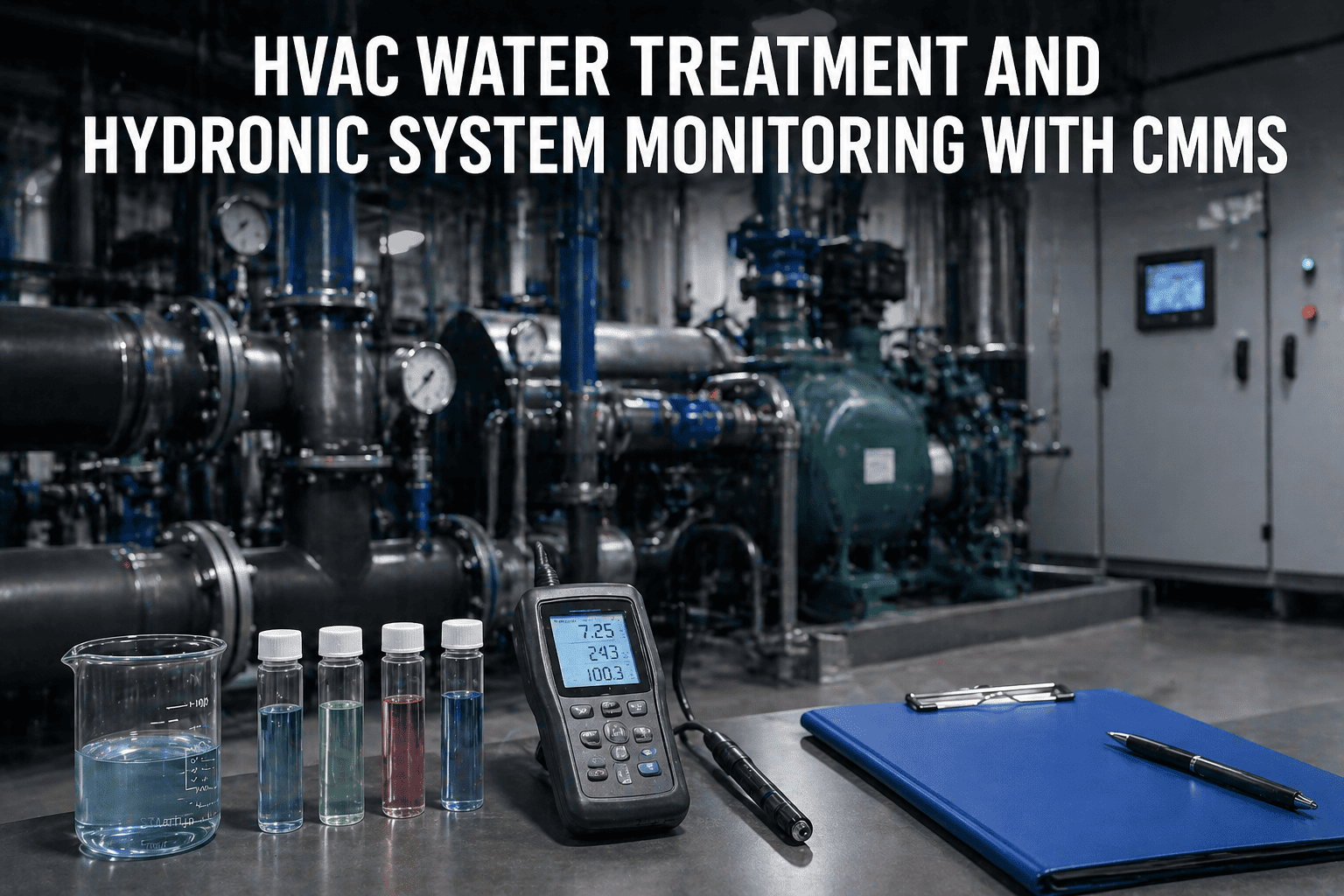
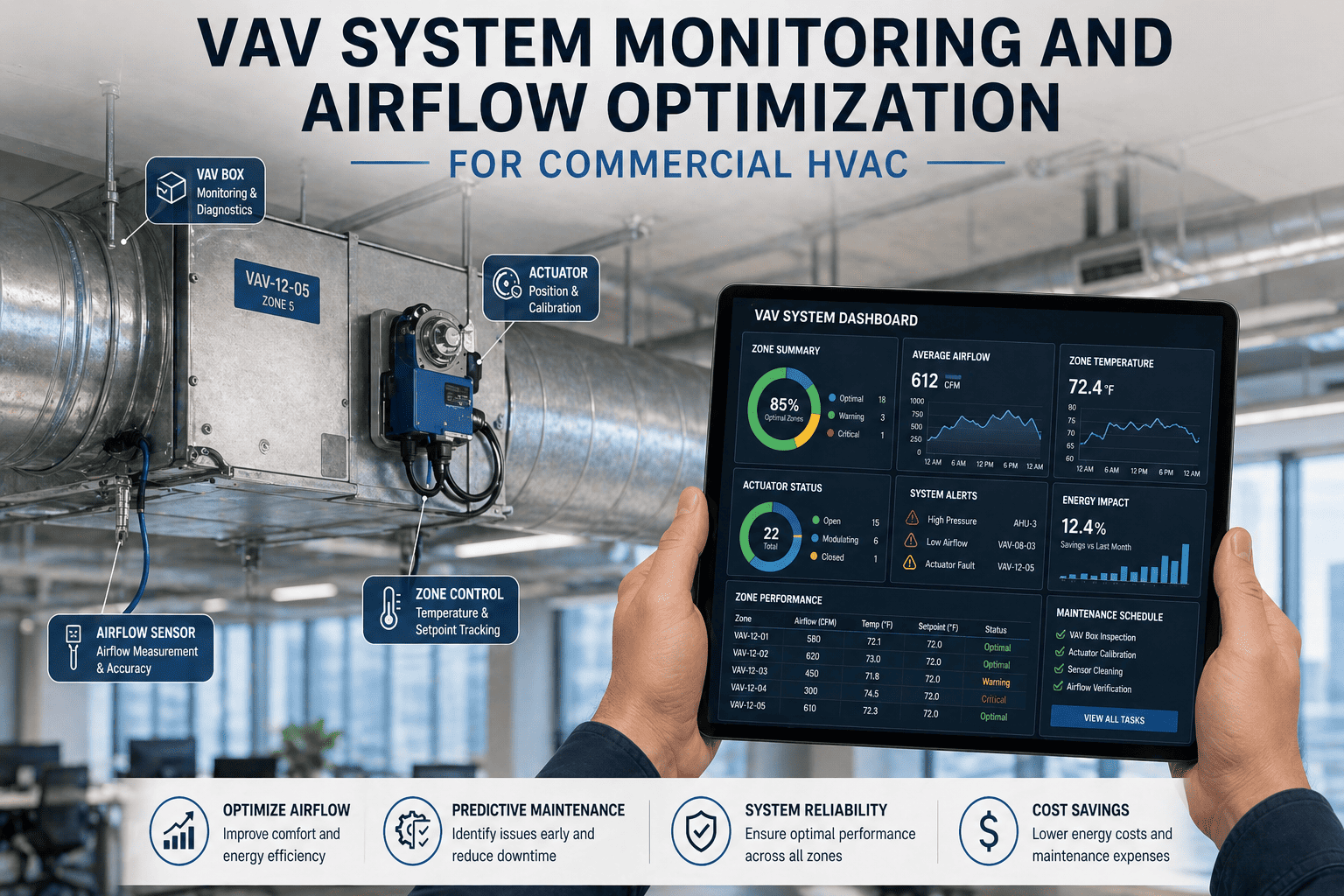
Radiant heating and cooling systems deliver the highest occupant comfort ratings of any HVAC technology — but they are also the most difficult to troubleshoot without real-time monitoring. Embedded hydronic loops, slow thermal response times, and hard-to-access components mean that failures develop gradually, often across weeks, before becoming visible as comfort complaints or energy spikes. OxMaint's preventive maintenance platform gives commercial building teams the scheduling, inspection workflows, and performance analytics to manage radiant and chilled beam systems as confidently as they manage any other mechanical asset. Start a free trial or book a walkthrough with our commercial HVAC specialists.
System Types Covered
Radiant HVAC: Four Technologies, One Platform
01
Radiant Floor Heating
Hydronic tubing embedded in slab. Highest thermal mass — slowest response, highest comfort. Leak detection and zone valve monitoring are critical maintenance priorities.
Heating
02
Radiant Ceiling Cooling
Chilled water panels or capillary mats embedded in ceiling. Condensation risk monitoring and dew point control are essential — no margin for error in humid climates.
Cooling
03
Active Chilled Beams
Primary air induces room air across a cooling coil. Nozzle fouling and coil fouling are the leading failure modes. Pressure drop monitoring predicts cleaning needs.
Cooling
04
Passive Chilled Beams
Convection-only cooling — no primary air connection. Simpler monitoring needs, but coil fouling impacts are proportionally higher since there is no supplemental airflow to compensate.
Cooling
Monitoring Framework
What OxMaint Tracks — By Component
| Component |
Key Monitoring Parameter |
Failure Mode Detected |
PM Frequency |
| Hydronic Loop |
Supply/return delta-T, flow rate, pressure |
Partial blockage, pump degradation, leak |
Monthly |
| Zone Control Valves |
Actuator position, valve authority, Cv drift |
Stuck open/closed, failed actuator |
Bi-annual |
| Radiant Panels / Tubing |
Surface temperature uniformity, thermal imaging |
Air locks, blockage, leak at fitting |
Annual + after events |
| Chilled Beam Coils |
Pressure drop across coil, coil cleaning log |
Dust fouling, capacity degradation |
Annual |
| Dew Point / Humidity Sensors |
Zone dew point vs. chilled water supply temp |
Condensation risk — surface mold, water damage |
Continuous / Weekly review |
| Expansion Vessel |
System pressure, vessel pre-charge |
Waterlogged vessel, pressure instability |
Annual |
| Primary Air System (ACB) |
Primary air pressure, nozzle flow |
Nozzle fouling, duct leakage |
Bi-annual |
Critical: Condensation Risk in Radiant Cooling Systems
Radiant ceiling cooling systems can cause surface condensation and mold if chilled water supply temperature drops below the room dew point. OxMaint can integrate with humidity sensors to trigger automatic alerts and work orders when dew point margin falls below a 2°F safety buffer — preventing water damage that averages $85,000 per incident in commercial interiors.
Performance Benchmarks
Radiant System Performance: Monitored vs. Unmonitored
2.1 yrs
Avg time to first major failure — unmonitored radiant systems
6+ yrs
Time to first major failure with structured preventive monitoring
34%
Energy savings vs. conventional HVAC — when sequences are maintained
$0
Condensation damage incidents in monitored facilities with dew point alerting
Protect Your Radiant Investment with Structured Monitoring
Radiant and chilled beam systems represent significant capital investment and high occupant satisfaction potential — but only when maintained correctly. OxMaint gives your team the preventive tools to capture that value reliably.
PM Checklist
Radiant System Annual Inspection Checklist
Hydronic Side
1Record system supply and return temperatures at design load and part load
2Pressure test all accessible fittings for evidence of weeping or staining
3Check expansion vessel pressure and bladder condition
4Flush and re-inhibit if inhibitor concentration is below spec
5Verify zone valve actuator travel and authority — replace seized actuators
Distribution and Controls
6Thermal image all accessible radiant panel zones — identify cold spots indicating air locks
7Measure coil pressure drop on all active chilled beams — document and compare to baseline
8Clean beam coils where pressure drop exceeds 110% of commissioning value
9Calibrate dew point and humidity sensors in cooling zones — verify alarm thresholds
10Document and file all readings in OxMaint asset history for trend analysis
Expert Review
What Radiant HVAC Specialists Say
Radiant cooling systems are unforgiving of poor monitoring. A dew point exceedance event that goes undetected for 48 hours can produce surface condensation damage that costs more to remediate than the entire system installation. The monitoring investment is never optional — it is part of the system design.
Dr. Stefan H.
Mechanical Systems Engineer · High-Performance Buildings, 20 yrs
Chilled beam maintenance is underestimated across the industry. Most facilities schedule cleaning on a calendar basis with no measurement of actual coil fouling. Pressure drop monitoring tells you when cleaning is actually needed — and in some climates, that is every 18 months; in others, it is every 6. You cannot guess this without data.
Yasmin O.
Commissioning Agent · LEED Platinum Portfolio, 14 yrs
Frequently Asked Questions
Radiant HVAC Monitoring: Common Questions
Make Radiant Comfort Reliable — Not Just Designed
Radiant and chilled beam systems underperform not because the technology is flawed but because maintenance programs aren't built for their specific failure modes. OxMaint gives you the tools to monitor what matters, schedule what prevents failures, and document what protects your investment.