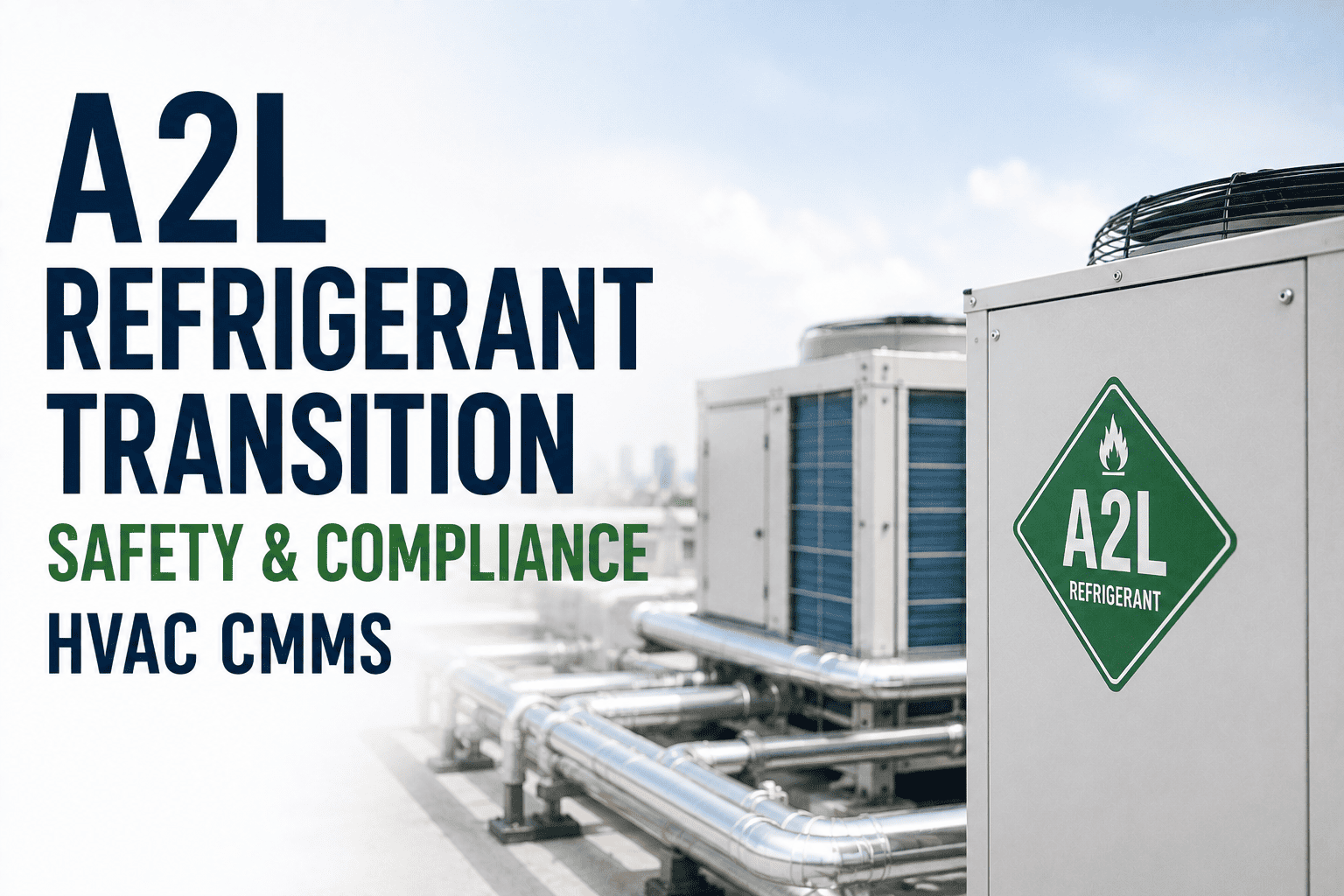
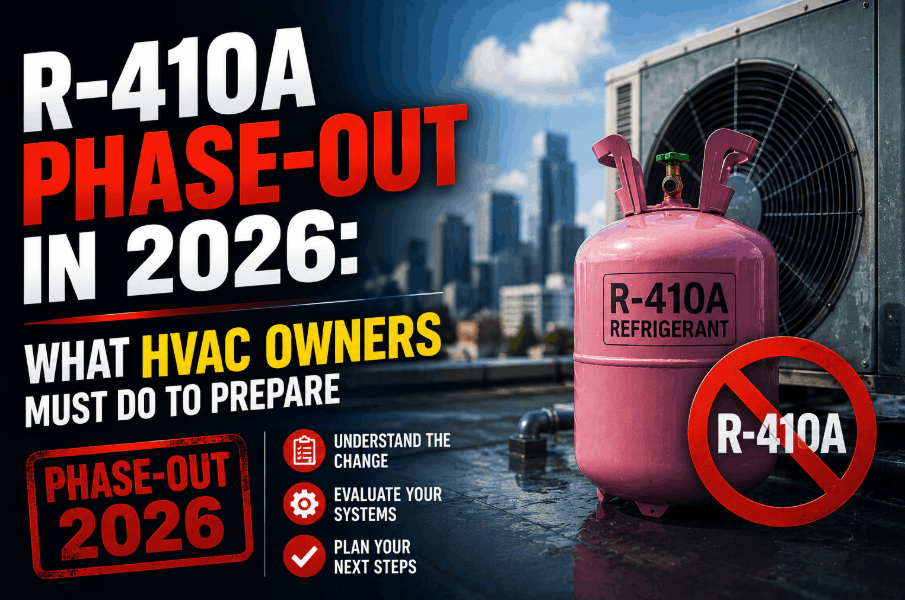
Refrigerant phase-out readiness planning starts with a basic question most HVAC owners cannot answer quickly: which refrigerant type is running in every unit across the facility, and how exposed is that equipment to upcoming regulatory deadlines. Without a documented equipment inventory, service risk and replacement budgets are planned blind as legacy refrigerants become harder to source and more expensive to service. Sign Up Free to start building a refrigerant-aware asset registry inside Oxmaint AI. Oxmaint tracks refrigerant type, service history, and compliance deadlines per HVAC unit, giving facility teams the audit trail and replacement roadmap that phase-out regulations require. Book a Demo to see refrigerant readiness tracking inside Oxmaint AI.
Know Exactly Which Units Are Exposed to Refrigerant Phase-Out Rules
Oxmaint AI builds a documented equipment inventory with refrigerant type, service risk, and regulatory deadlines per unit — giving facility teams a clear, auditable readiness plan instead of a last-minute scramble.
Gap #1
Refrigerant Type Inventory Incomplete
Many facilities cannot produce a complete list of which refrigerant type runs in each HVAC unit, making it impossible to assess exposure to upcoming phase-out rules.
Gap #2
Regulatory Deadlines Untracked
Phase-out and phase-down deadlines are set at the regulatory level but rarely mapped against specific equipment, so facilities discover exposure only when service options shrink.
Gap #3
Service Risk Rising Unnoticed
As legacy refrigerants become harder to source, service cost and repair lead time increase gradually — a trend that is invisible without service cost data tracked over time.
Gap #4
Replacement Options Not Evaluated
Units running phased-out refrigerant types are rarely flagged for replacement evaluation until they fail, eliminating the option to plan a phased equipment transition.
Gap #5
No Budget Tied to Compliance Timeline
Capital budgets for HVAC replacement are usually built around equipment age, not regulatory deadlines, so compliance-driven replacement competes for funding without urgency.
Gap #6
Audit Trail Missing for Regulators
When regulators or auditors request proof of refrigerant management practices, many facilities have no centralized record of equipment, refrigerant type, and service history to provide.
01
Equipment and Refrigerant Registry
Build a complete asset registry in Oxmaint recording refrigerant type, capacity, and installation date for every HVAC unit on site.
→
02
Compliance Deadline Mapping
Regulatory phase-out timelines are mapped against each refrigerant type in the registry, flagging which units carry near-term compliance exposure.
→
03
Service Risk Scoring
Service cost and repair history are tracked per unit, surfacing rising service risk on legacy refrigerant equipment before failure occurs.
→
04
Replacement and Budget Planning
Exposure data feeds a documented replacement roadmap that aligns capital planning with actual regulatory deadlines rather than equipment age alone.
Asset Inventory Layer
Refrigerant type and capacity recorded per HVAC unit
Installation date and equipment age tracked in registry
Location and criticality linked to each asset record
Compliance Tracking
Phase-out deadlines mapped against refrigerant type
Units flagged automatically as deadlines approach
Compliance documentation centralized for audit requests
Replacement Planning
Service cost trend tracked per unit over time
Replacement candidates ranked by exposure and risk
Purchase requests linked to replacement roadmap items
Operational Outcome
Full refrigerant exposure visible across the facility
Replacement budget aligned to actual compliance deadlines
Audit-ready record available for regulators on request
1000+
Teams using Oxmaint AI to manage asset records and compliance documentation across facilities
48hrs
Typical time from Oxmaint setup to a complete HVAC equipment and refrigerant registry
62%
Less unplanned downtime reported by teams tracking asset health and service history in Oxmaint
1plan
Single documented replacement roadmap covering every unit flagged for phase-out exposure
Standard CMMS — No Phase-Out Visibility
Refrigerant type is not consistently recorded against the equipment registry
Regulatory deadlines are tracked separately from the assets they actually affect
Rising service cost on legacy refrigerant equipment goes unnoticed until failure
Replacement evaluation happens reactively, after a unit can no longer be serviced
Capital budgets are built around equipment age, not compliance exposure
No centralized record exists to respond quickly to a regulatory audit request
Oxmaint AI — Readiness Documented Per Unit
Refrigerant type and capacity are recorded against every HVAC asset record — Sign Up Free
Phase-out deadlines are mapped directly to the units affected, with automatic flags
Service cost trend is tracked per unit, surfacing rising risk before failure occurs
Replacement candidates are ranked by exposure, supporting a proactive transition plan
Capital planning is informed by a documented compliance timeline per unit
Centralized records are ready to produce for regulators or auditors on request
These KPIs give HVAC owners measurable evidence of how exposed their equipment fleet is to refrigerant phase-out rules and how prepared the replacement plan actually is. Book a Demo to see Oxmaint track all six automatically.
KPI 01
Percentage of HVAC units with refrigerant type confirmed and recorded in the asset registry. Incomplete inventory is the first barrier to any readiness plan.
Data Foundation
KPI 02
Number of units running refrigerant types facing a regulatory deadline within a defined window. This is the core exposure metric for readiness planning.
Compliance Exposure
KPI 03
Change in service cost over time for units running legacy refrigerant types. Rising trends confirm growing service risk ahead of equipment failure.
Service Risk
KPI 04
Percentage of exposed units with a documented replacement plan and budget assigned. Low coverage indicates readiness gaps that need capital planning attention.
Plan Readiness
KPI 05
Average time remaining between the current date and the nearest regulatory deadline across exposed units. Shrinking lead time should accelerate replacement priority.
Time to Deadline
KPI 06
Completeness of documentation available to produce on regulator or auditor request, covering equipment, refrigerant type, and service history records.
Audit Preparedness
Facility Management
Facility management teams use Oxmaint to build a refrigerant-aware asset registry across multiple buildings, ranking replacement priority by compliance exposure. Sign Up Free for your portfolio.
Food and Beverage
F&B manufacturers use Oxmaint to track refrigerant type across cold storage and process refrigeration units, documenting compliance readiness for regulatory reporting. Book a Demo for your facility.
Healthcare
Healthcare facilities use Oxmaint to maintain an auditable refrigerant inventory for climate-control equipment, supporting both facility compliance and patient safety standards.
Property Management
Property managers use Oxmaint to track refrigerant type and service risk across HVAC units in managed properties, planning capital replacement ahead of phase-out deadlines.
Don't Wait for a Refrigerant Deadline to Find Out You Weren't Ready
Oxmaint AI documents refrigerant type, service risk, and compliance deadlines per HVAC unit. Book a Demo to see how facility teams build a readiness plan instead of a last-minute scramble.
It is the process of identifying which refrigerant types are in use across a facility's HVAC equipment and preparing a documented plan to manage service risk and replacement ahead of regulatory deadlines.
Oxmaint stores refrigerant type and capacity directly on each asset record in the equipment registry, making it visible alongside service history, age, and location for every unit.
Yes. Oxmaint maps phase-out timelines against refrigerant type in the registry and flags units approaching a deadline so replacement planning can start with time to spare.
Service cost trends and compliance exposure are tracked per unit, helping teams rank replacement candidates and tie capital budgets to actual regulatory timelines rather than equipment age alone.
Yes. Oxmaint centralizes equipment, refrigerant type, and service history records, giving facility teams a ready audit trail to provide when a regulator or auditor requests documentation.
Build Your Refrigerant Phase-Out Readiness Plan Today
Oxmaint AI gives HVAC owners a documented equipment inventory, compliance deadline tracking, and replacement roadmap — so phase-out exposure is managed proactively, not discovered too late.