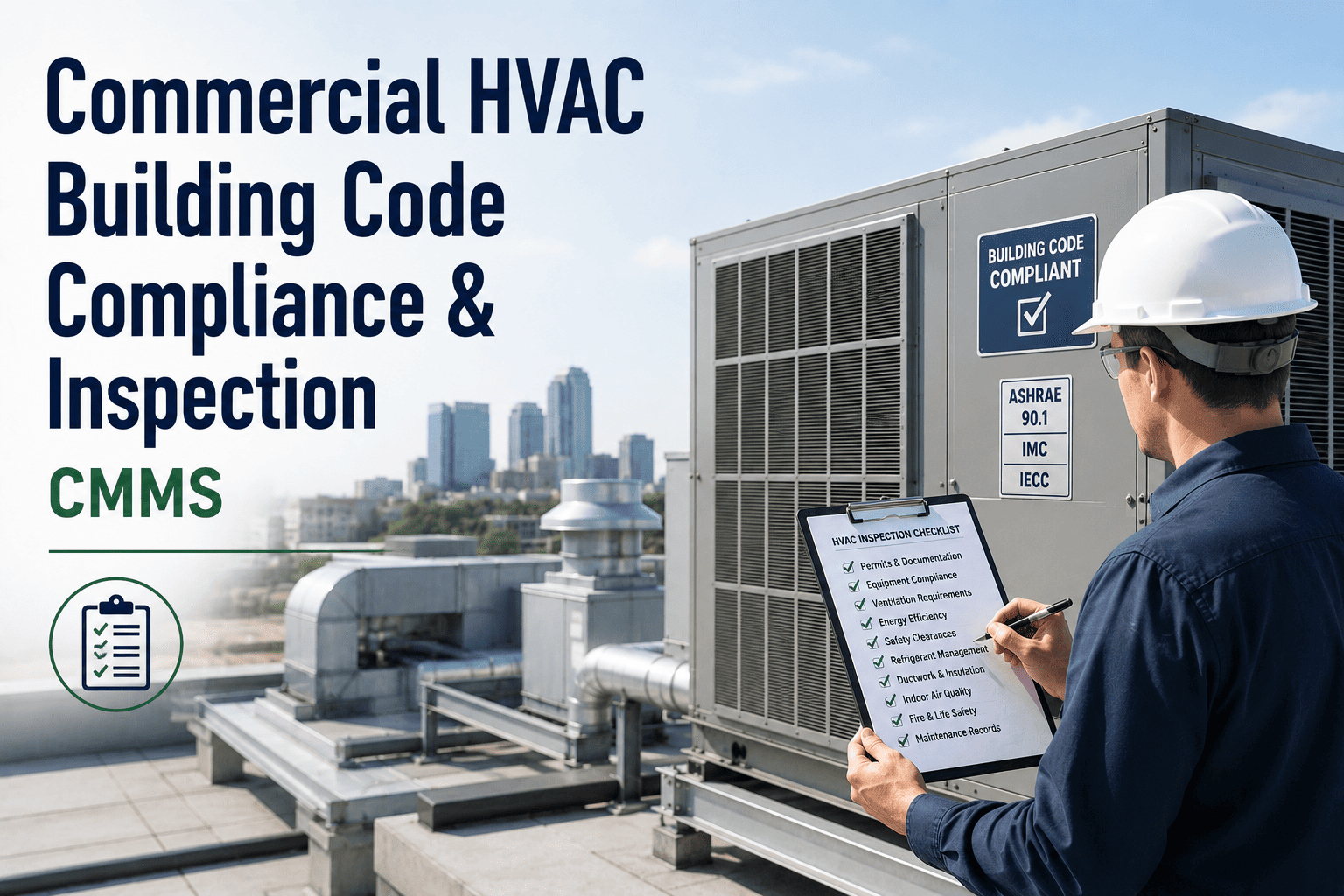
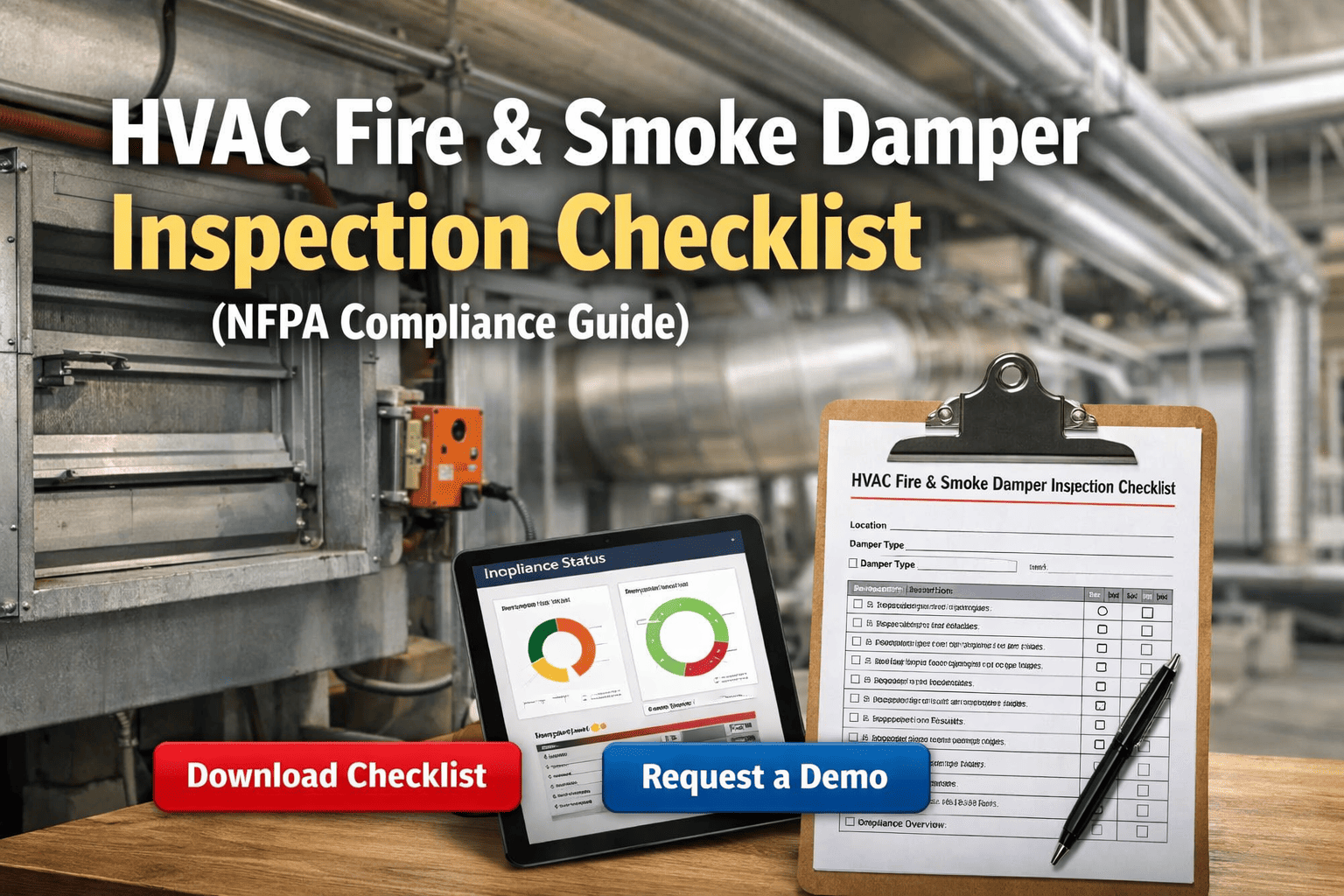
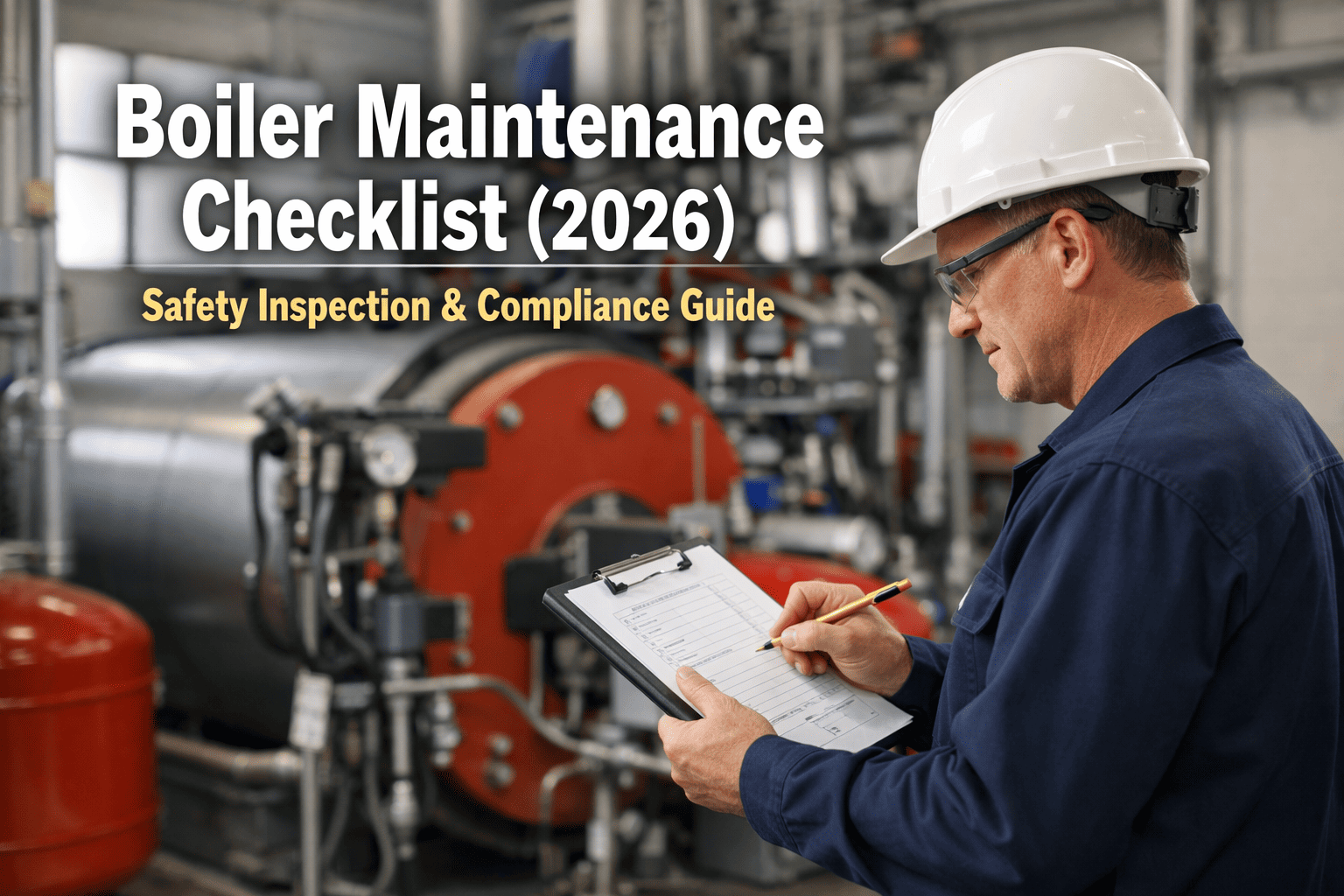
How to Stay Audit-Ready with HVAC Inspections in Commercial Facilities
By Riley Quinn on February 13, 2026
The auditor arrives Monday morning. They ask for filter change records from the past 12 months, refrigerant handling logs, and equipment inspection documentation. You know the maintenance happened—but can you prove it? Facilities that scramble during audits typically have one problem: their documentation lives in scattered spreadsheets, filing cabinets, and technicians' memories. Audit-ready facilities have a different system—one where compliance evidence generates automatically as work gets done.
Audit Readiness
What Auditors Actually Look For
HVAC compliance isn't about perfect systems—it's about proving you maintain them properly
Maintenance Records
Inspection Reports
Technician Certifications
Refrigerant Logs
Corrective Actions
The Documentation Gap That Fails Audits
Most compliance failures aren't about poor maintenance—they're about poor documentation. EPA penalties reach $59,114 per violation per day as of January 2025. National HVAC Service paid over $1.3 million in settlements. The difference between compliant and non-compliant facilities: can you prove the work happened?
Documentation Gaps
Paper records lost or misfiled
Inconsistent logging formats
Missing timestamps and signatures
No photo verification of work
Records scattered across systems
Audit-Ready System
Digital records with timestamps
Standardized inspection templates
Automatic technician attribution
Photo documentation attached
Centralized searchable database
Facilities that sign up for digital HVAC inspection tracking generate audit-ready documentation automatically as technicians complete work orders—no additional effort required.
The HVAC Audit Readiness Framework
Staying audit-ready requires systematic documentation across four compliance categories. Each category has specific record requirements that auditors verify during inspections.
Audit readiness isn't a one-time project—it's an ongoing workflow built into daily operations. Facilities that pass audits consistently follow a documented cycle.
Schedule
Automated PM triggers based on calendar or runtime
Execute
Digital checklist guides inspection with required fields
Document
Photos, readings, and notes captured with timestamps
Report
Compliance reports generate on-demand for auditors
HVAC systems can lose up to 30% efficiency due to hidden faults that proper inspections would catch. Facilities using standardized digital checklists sign up for inspection automation that ensures every required field gets completed.
Key Compliance Standards to Track
Different auditors examine different standards depending on your facility type and location. Understanding which regulations apply helps prioritize documentation efforts.
The most audit-ready facilities share a common characteristic: documentation happens automatically during normal work. When a technician completes a filter change, the timestamp, technician ID, and photo evidence capture without extra steps. When auditors ask for records, they're available in seconds. OXmaint provides the digital infrastructure that makes this automatic documentation possible.
Be Ready When Auditors Arrive
Join facility managers using OXmaint to generate compliance-ready documentation automatically with every work order.
What documentation do HVAC auditors typically request?
Auditors request maintenance records, refrigerant handling logs, technician certifications (EPA 608), equipment safety inspections, and corrective action documentation. Records should include timestamps, technician identification, and equipment serial numbers.
How long must HVAC compliance records be retained?
EPA Section 608 requires refrigerant records for at least 3 years. ASHRAE recommends 3+ years for maintenance records. Many facilities retain records for 5+ years to cover warranties and liability.
What are the penalties for HVAC compliance violations?
EPA penalties reach $59,114 per violation per day as of January 2025. California Title 24 violations range from $500-$2,000 per day. Non-compliance can also result in permit denials and stop work orders.
How does a CMMS help with HVAC audit readiness?
A CMMS generates timestamped documentation automatically, stores records in searchable databases, tracks equipment history, attaches photo verification, and generates compliance reports on demand.
What HVAC inspection frequency do regulations require?
Filter changes are typically required every 30-90 days. ASHRAE recommends annual comprehensive inspections. Many facilities schedule quarterly professional inspections with monthly in-house checks.