A stalled injection molding press doesn't just stop one machine — it stops the cycle that everything downstream depends on. An injection-molding plant running multiple high-cycle presses kept losing production time to bearing failures that were only discovered once a press stalled mid-shift. Maintenance was reactive: technicians responded after a fault code appeared, not before a bearing's vibration signature started drifting out of range. The plant needed a way to catch mechanical degradation early enough to schedule a repair instead of reacting to a failure. Sign Up Free to see how Oxmaint's predictive maintenance connects vibration data to early intervention — or Book a Demo with a reliability specialist.
Predictive Maintenance · Vibration Monitoring · Press Uptime
Catch a Failing Bearing Before It Stalls the Press
Sensor-fed predictive maintenance, automated work order generation, and equipment health scoring — Oxmaint helps injection molding plants move from reactive repairs to early intervention.
Plant Profile
The Operation: High-Cycle Presses Running on Reactive, Fault-Code Maintenance
Plant Overview
IndustryInjection molding — high-cycle, continuous press operation
Asset Count22 injection molding presses across two production lines
Team14 maintenance technicians, 2 reliability engineers
Prior SystemFault-code-triggered repairs, periodic manual inspections, no continuous sensor data
Oxmaint FeaturesPredictive Maintenance · PLC Sensor Integration · Work Order Management · Asset Management · Analytics & Reporting
Baseline Pressure Points
19
Unplanned press stoppages over the prior quarter traced back to bearing or drivetrain wear
3.1×
Average downtime length for an unplanned bearing failure versus a scheduled bearing replacement
62%
Of mechanical failures were detected only after a fault code stopped the press mid-cycle
Root Cause Analysis
Why Bearing Failures Kept Reaching the Point of Stoppage
A review of maintenance logs, fault-code history, and press downtime records identified four gaps preventing early detection of mechanical wear. The presses themselves were well built — the plant simply had no continuous signal telling it a bearing was degrading until the press itself reported a fault. Sign Up Free to identify which of your own assets are running on fault-code maintenance — or Book a Demo to see how Oxmaint applies vibration monitoring to rotating press components.
35%
No Continuous Vibration Data on Press Drivetrains
Bearings and drivetrain components had no ongoing vibration monitoring, so wear progressed silently until it reached a level that triggered a stoppage.
29%
Manual Inspections Spaced Too Far Apart to Catch Early Drift
Periodic walk-around inspections occurred on a fixed schedule that often missed the window between early degradation and full failure.
22%
No Health Scoring to Prioritize At-Risk Presses
All 22 presses were treated as equal risk, so technicians had no data-driven way to flag which machines were closer to a mechanical fault.
14%
Work Orders Created Only After a Fault Code Appeared
Maintenance work orders were generated reactively from PLC fault codes, by which point the press had already stopped production.
The Solution
How Oxmaint Connected Vibration Data to Early Intervention
The plant connected its presses to Oxmaint through PLC sensor integration, streaming vibration, runtime, and temperature data continuously into the platform's predictive maintenance engine. Each press received a health score that updated as drivetrain vibration signatures shifted, and Oxmaint automatically generated and assigned a work order once a bearing's signature crossed an early-warning threshold — well before a fault code would have appeared. Book a Demo to see how the platform connects to your own press sensors and PLCs.
01
Continuous Vibration and Sensor Data Streamed From Each Press
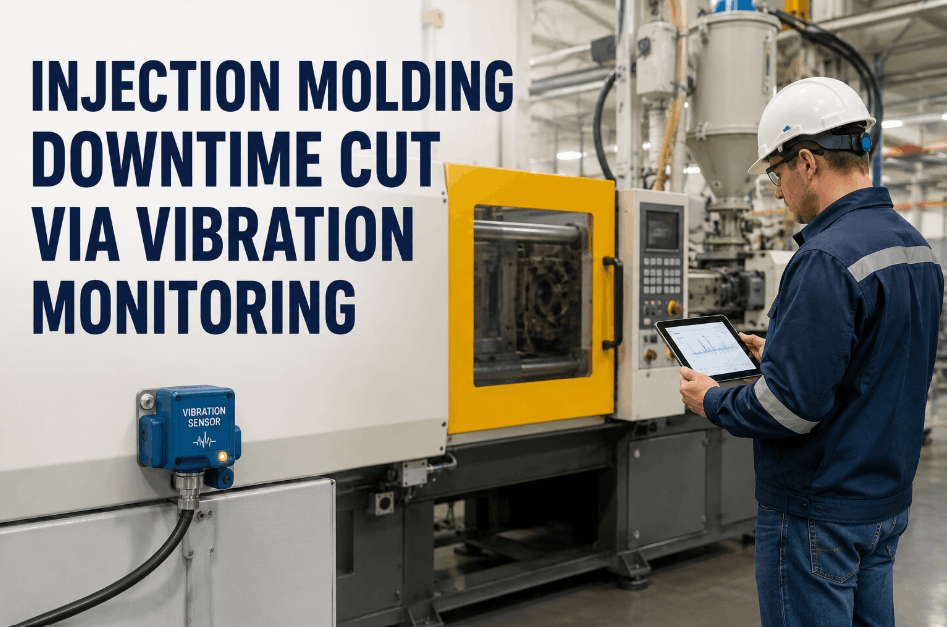
PLC sensor integration streams vibration, temperature, and runtime data from each press drivetrain directly into Oxmaint, replacing periodic manual checks with continuous monitoring.
02
Predictive Health Scoring for Every Bearing and Drivetrain
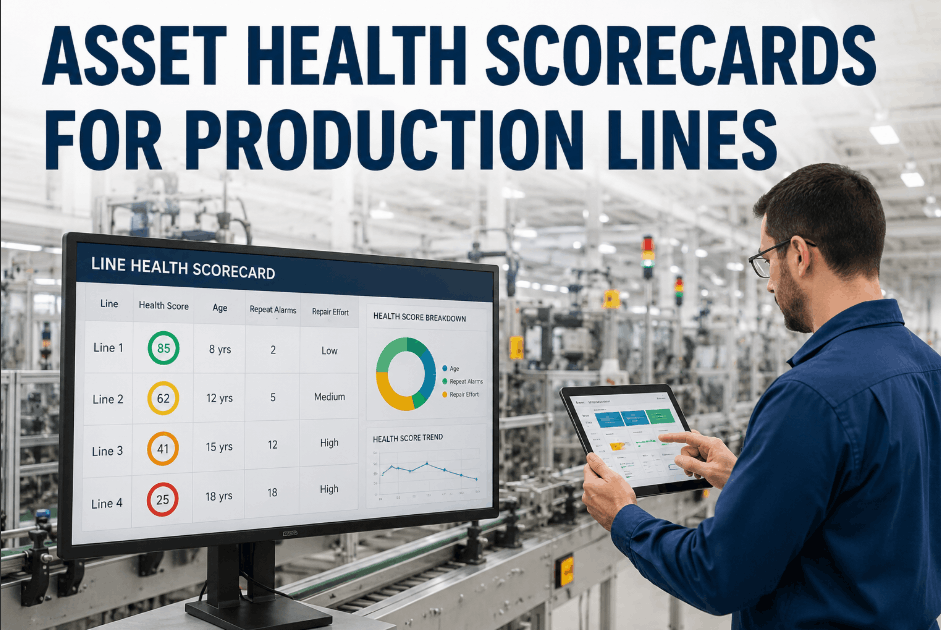
Each press is assigned a live health score based on its own vibration trend, letting technicians see which machines are drifting toward failure days or weeks in advance.
03
Automated Work Order Generation Before a Fault Code Fires
When a vibration signature crosses an early-warning threshold, Oxmaint auto-creates a work order and assigns it to the nearest available technician — ahead of any stoppage.
04
Asset-Level History for Faster Root Cause Diagnosis
Each press's full maintenance and sensor history is tracked in Asset Management, helping technicians diagnose recurring issues faster instead of starting from scratch each time.
Results at 90 Days
What Press Uptime Looked Like Three Months After Deployment
Downtime and maintenance records were compared against the 90-day pre-deployment baseline across all 22 presses. Book a Demo to see how this same comparison could apply to your own production line.
54%
Reduction in unplanned press stoppages from bearing or drivetrain wear
68%
Of mechanical issues caught by vibration alert before a fault code occurred
2.6×
Shorter average repair time when intervention is scheduled versus reactive
37%
Reduction in overall press downtime hours across the two lines
44%
Faster diagnosis time using asset sensor and maintenance history
4.1×
ROI on platform cost within 90 days from avoided downtime and shorter repairs
| Metric |
Before Oxmaint |
90 Days After |
Change |
| Unplanned stoppages (bearing/drivetrain) |
19 per quarter |
9 per quarter |
-54% |
| Issues caught before fault code |
~12% |
68% |
+68% |
| Average repair duration |
Baseline (reactive) |
-62% vs baseline |
-62% |
| Total press downtime hours |
Baseline |
-37% vs baseline |
-37% |
| Mean diagnosis time per fault |
2.3 hrs avg |
1.3 hrs avg |
-44% |
| Work orders auto-generated from sensor data |
0% |
71% |
+71% |
Key Business Impact
What Vibration-Based Prediction Means for High-Cycle Production Lines
For plants running presses on tight production schedules, the value isn't just fewer breakdowns — it's the ability to plan around them. Sign Up Free to start streaming sensor data from your own presses, or Book a Demo to see vibration-based prediction applied to your equipment mix.
"In high-cycle production environments like injection molding, the gap between a healthy bearing and a stalled press is measured in days, not months. By the time a fault code fires, the failure has already happened — all that's left is the cleanup. Continuous vibration monitoring changes the question from 'why did this press stop' to 'which press is closest to needing attention this week.' That shift, from reacting to a stoppage to scheduling around an early warning, is what actually protects a tightly scheduled production line."
Raj Pillai, Manufacturing Reliability Engineer
15 years in plastics and precision manufacturing maintenance · Former reliability lead, multi-line injection molding operation · Specialist in condition monitoring and predictive maintenance for high-cycle equipment
Sensor Data · Health Scoring · Automated Work Orders
Move From Fault-Code Repairs to Early Intervention
PLC sensor integration, continuous vibration monitoring, and automated work order generation — Oxmaint gives injection molding plants the lead time they need to schedule repairs before a press stalls.
FAQs
Frequently Asked Questions
How does Oxmaint use vibration monitoring to predict press failures?
Oxmaint streams continuous vibration and sensor data from press drivetrains and applies predictive analytics to flag early signature drift before it reaches a fault-code stoppage.
Can Oxmaint connect directly to our press PLCs and sensors?
Yes. PLC sensor integration allows Oxmaint to ingest live vibration, temperature, and runtime data directly from existing press controllers and sensors.
Does Oxmaint create work orders automatically from sensor alerts?
Yes. When a press's health score crosses an early-warning threshold, Oxmaint automatically generates and assigns a work order to a technician.
How does asset health scoring help prioritize maintenance across many presses?
Each press receives an individual health score based on its own sensor trend, letting planners focus attention on the machines closest to failure rather than treating every press the same.
How long until vibration-based predictive maintenance shows results?
Sensor integration and baseline calibration typically take two to three weeks, with measurable reductions in unplanned stoppages visible within 90 days.
Every Early Alert Is a Stoppage Avoided
Give Your Presses a Continuous Health Signal
Oxmaint brings PLC sensor integration, predictive health scoring, and automated work order generation to injection molding operations — turning reactive fault-code repairs into scheduled, early intervention.