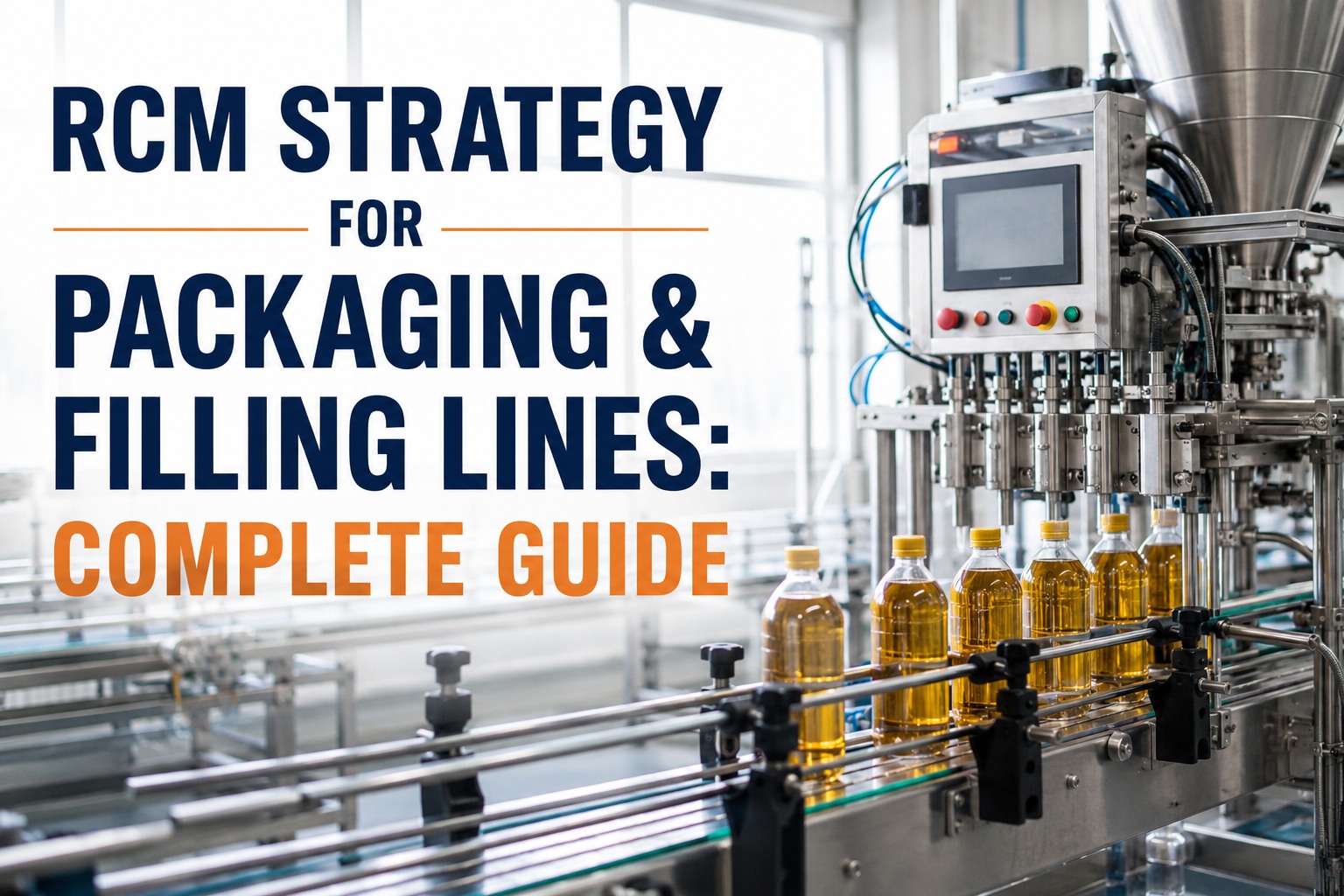
Production packaging lines run 16–20 hours daily in most facilities — and a single filler jam, sealer misalignment, or labeler glitch can halt 400 units per minute of throughput instantly. The average packaging line experiences 47 unplanned stops per week, costing manufacturers $22,000 per hour in lost production, labor waste, and missed delivery windows. Sign in to OxMaint to schedule preventive maintenance on fillers, sealers, labelers, cartoners, and palletizers with automated work orders, mobile checklists, and parts inventory tracking that keeps packaging equipment running at design speed. Book a demo to see how food, beverage, pharma, and consumer goods manufacturers are reducing packaging line downtime by 68% and extending equipment lifespan by 3–5 years through systematic maintenance protocols.
$22K
Cost per hour of packaging line downtime including lost production, labor, and expedited shipping to meet customer commitments
47
Average weekly unplanned stops on high-speed packaging lines from jams, sensor faults, and mechanical wear
68%
Reduction in packaging equipment downtime achievable through preventive maintenance and condition monitoring programs
400/min
Units lost per minute during packaging line stoppages on high-speed bottling and filling operations
Equipment Breakdown
The Five Critical Packaging Machines and Their Failure Modes
Every packaging line combines multiple machines in sequence. A breakdown in any single unit stops the entire flow. Understanding each machine's vulnerabilities is the first step to preventing unplanned downtime.
Volumetric, piston, gravity, or pump fillers that dispense precise product quantities into containers. Common failures include nozzle clogging, seal wear, servo motor drift, and product contamination from dirty fill heads.
Clean nozzles daily, replace seals quarterly, calibrate fill volumes weekly, inspect check valves monthly
Heat sealers, induction sealers, and ultrasonic sealers that close containers or packages. Failures include inconsistent seal strength from worn heating elements, misaligned jaws, contaminated sealing surfaces, or pressure control issues.
Verify seal temperature and pressure daily, clean sealing jaws after every shift, replace heating elements annually, test seal integrity hourly
Pressure-sensitive, shrink sleeve, or glue-applied labeling machines. Failures occur from label roll misalignment, applicator head wear, sensor fouling, adhesive buildup, and timing belt slippage causing registration errors.
Clean sensors and applicators daily, check label tension and alignment at startup, lubricate pivot points weekly, replace worn rollers quarterly
Machines that erect, load, and close cartons for secondary packaging. Jams from carton blank misfeeds, glue nozzle clogging, tucker blade misalignment, and vacuum cup failure stop the line instantly.
Adjust carton magazine guides daily, clean glue system weekly, inspect tucker blades for wear monthly, replace vacuum cups on PM schedule
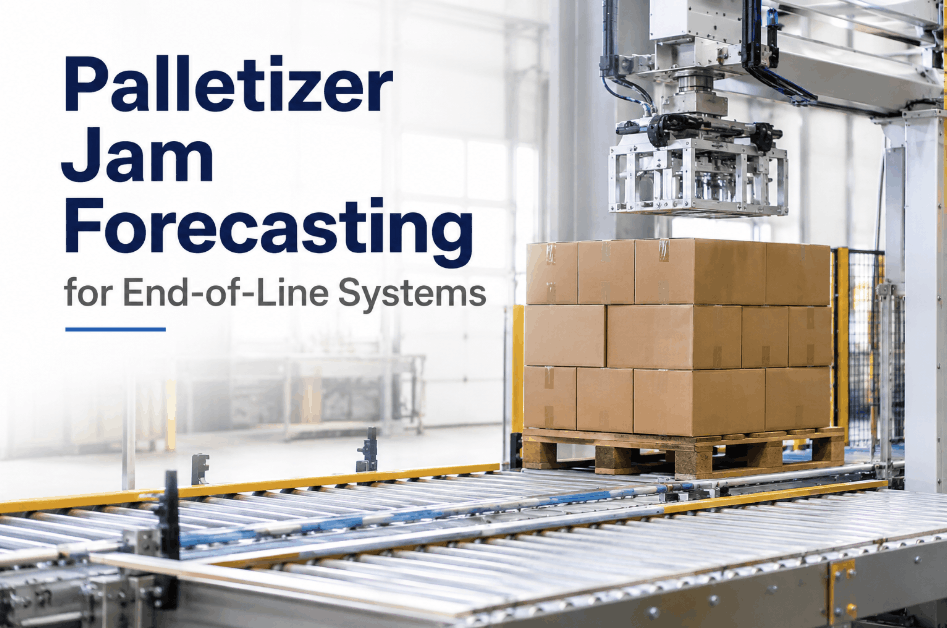
Robotic or conventional palletizers that stack cases onto pallets for shipping. Gripper failures, layer formation errors, safety fence trips, and conveyor jams reduce throughput and create product damage risk.
Inspect grippers and suction cups daily, verify pallet pattern programming weekly, lubricate robotic joints per manufacturer spec, check safety interlocks monthly
Maintenance Intervals
Preventive Maintenance Schedule by Equipment Type
Daily Tasks
Visual inspection of all moving parts for wear, debris, or misalignment
Clean fill nozzles, sealing jaws, and labeler heads to prevent product buildup
Check fluid levels in pneumatic and hydraulic systems
Verify sensor operation and clean optical sensors on all machines
Test emergency stops and safety interlocks before production start
Weekly Tasks
Lubricate chains, bearings, and pivot points per manufacturer specifications
Inspect and adjust belt tension on conveyors and drive systems
Clean or replace air filters on pneumatic systems
Calibrate fill weights and seal temperatures to maintain quality specs
Check and tighten all mounting bolts and fasteners
Monthly Tasks
Replace worn seals, gaskets, and O-rings in filling and sealing equipment
Inspect electrical connections for corrosion or looseness
Clean and calibrate scales and load cells for weight verification
Test backup systems including power supplies and air compressors
Review and update critical spare parts inventory levels
Quarterly Tasks
Complete disassembly and deep cleaning of fill heads and pump assemblies
Replace heating elements, thermocouples, and temperature sensors in sealers
Inspect and replace worn conveyor belts, timing belts, and drive chains
Recalibrate vision systems and barcode scanners for accuracy
Conduct vibration analysis on motors and gearboxes to detect bearing wear
Preventive Maintenance Prevents Breakdowns — But Only If It Actually Happens
OxMaint schedules daily, weekly, monthly, and quarterly PM tasks automatically with mobile checklists that guide technicians through each procedure. Completion is tracked, delays trigger alerts, and maintenance history is documented for every machine. No more missed PMs, no more guessing when the last service happened.
Common Problems
Packaging Line Troubleshooting Guide by Symptom
Filler dispensing incorrect volumes
Possible Causes:
Worn piston seals or check valves allowing product bypass
Servo motor calibration drift or encoder failure
Air in fill lines or supply tank running low
Product viscosity change from temperature variation
Recalibrate fill weight, replace worn seals, purge air from lines, verify product temperature within spec range
Sealer producing weak or incomplete seals
Possible Causes:
Insufficient heat from worn heating element or low power supply
Incorrect dwell time or pressure settings
Product contamination on sealing surface
Misaligned sealing jaws or damaged seal bars
Replace heating element, adjust temperature and pressure, clean sealing surfaces, realign jaws to manufacturer tolerance
Labeler applying crooked or missing labels
Possible Causes:
Label roll tension too loose or too tight
Product registration sensor dirty or misaligned
Applicator timing belt slipping or worn
Adhesive buildup on applicator head or rollers
Adjust label tension, clean and realign sensors, replace timing belt, clean applicator with approved solvent
Cartoner jamming on carton feed
Possible Causes:
Carton blanks out of specification or damaged
Magazine guide clearance incorrect for carton size
Vacuum cups losing suction from wear or air leaks
Tucker blade timing or position misaligned
Inspect carton quality, adjust magazine guides, replace vacuum cups, recalibrate tucker blade position and timing
Palletizer dropping cases or forming unstable loads
Possible Causes:
Gripper pressure too low or suction cup failure
Pallet pattern program incorrect for case size
Case orientation sensor malfunction
Layer formation conveyor speed mismatch
Increase gripper pressure, replace failed suction cups, verify pallet pattern in HMI, clean orientation sensor, synchronize conveyor speeds
Packaging line running below rated speed
Possible Causes:
Single machine bottleneck from mechanical drag or wear
Conveyor accumulation zones backing up from timing issues
Operator intervention required for frequent adjustments
Safety interlocks triggering from misaligned guards
Identify slowest machine with cycle time analysis, balance line timing, automate adjustments, realign safety guards and reset interlocks
Performance Metrics
Key Packaging Line Reliability Indicators to Track
Overall Equipment Effectiveness
Target: 85%+
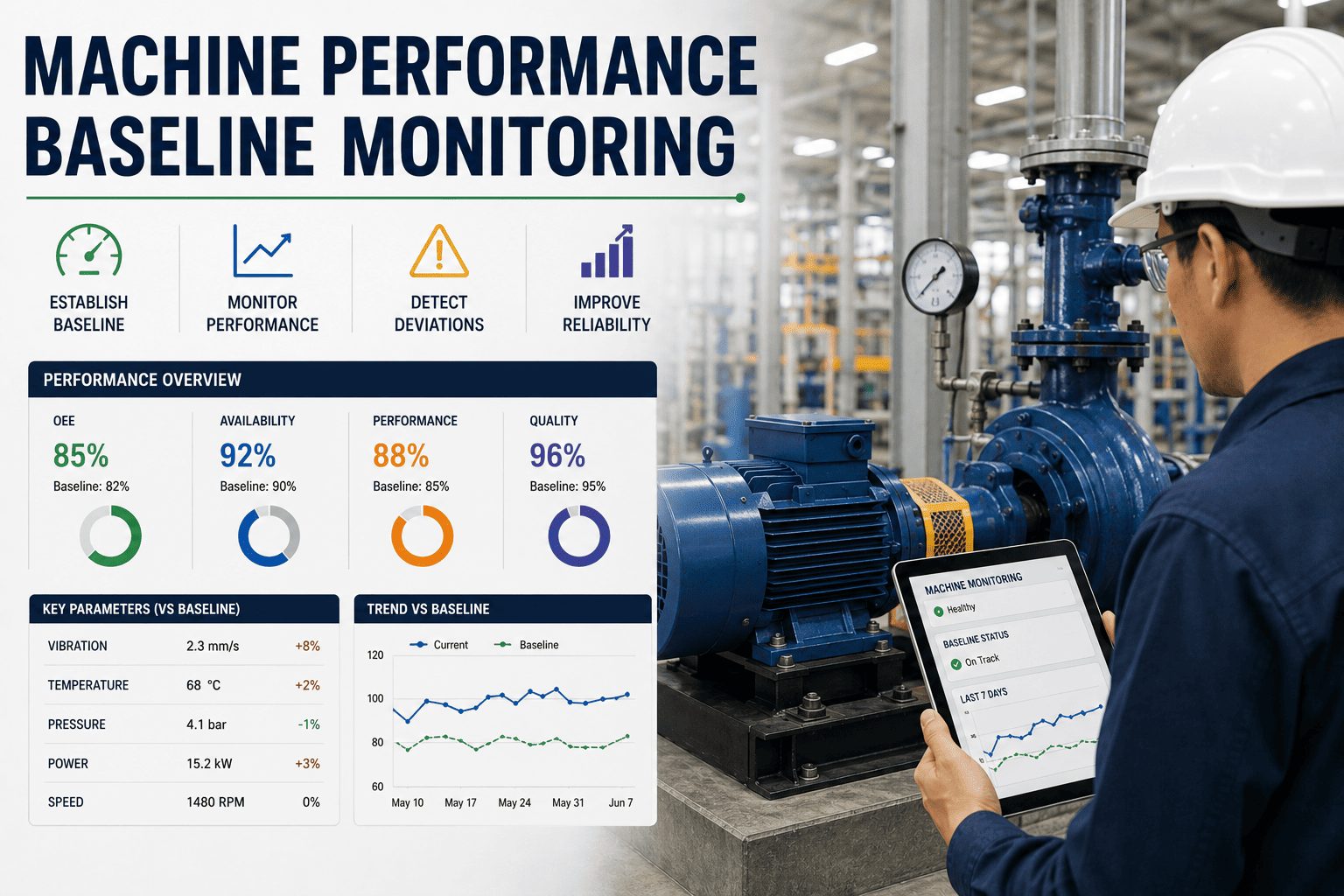
OEE combines availability, performance, and quality into a single metric. World-class packaging lines achieve 85% or higher. Below 70% indicates systematic maintenance or operational problems requiring immediate attention.
Mean Time Between Failures
Target: 200+ hours
MTBF measures average operating time between unplanned stops. High-speed packaging equipment with proper PM programs should run 200+ hours between failures. Declining MTBF signals preventive maintenance gaps.
Mean Time to Repair
Target: Under 30 min
MTTR tracks how quickly your team restores equipment to service after breakdowns. Long repair times indicate parts availability issues, technician skill gaps, or documentation problems that OxMaint solves with work order history and parts tracking.
Changeover Time
Target: SKU dependent
Time required to switch between product formats or package sizes. Reducing changeover time through SMED methodology and standardized procedures increases productive runtime without capital investment in additional lines.
Track What Matters — OEE, MTBF, MTTR Calculated Automatically
OxMaint captures downtime events, repair times, and performance data from your packaging line. OEE, MTBF, and MTTR are calculated automatically and displayed in real-time dashboards. You see reliability trends before they become production crises, not after monthly reports are compiled.
Critical Spares
Essential Spare Parts Inventory for Packaging Equipment
Packaging line downtime extends from minutes to hours when critical spare parts are not in stock. The right inventory balance prevents both stockouts and excess capital tied up in slow-moving parts.
| Equipment Type |
Critical Spares to Stock |
Lead Time Risk |
Recommended Quantity |
| Fillers |
Piston seals, check valves, nozzles, O-ring kits |
2–4 weeks for specialty seals |
2–3 complete seal kits per filler |
| Sealers |
Heating elements, thermocouples, seal bars, Teflon tape |
1–2 weeks for heating elements |
1 element per sealer + 1 spare |
| Labelers |
Applicator rollers, timing belts, sensors, adhesive nozzles |
3–6 weeks for custom rollers |
1 set of rollers + 2 timing belts |
| Cartoners |
Tucker blades, vacuum cups, glue nozzles, drive belts |
2–3 weeks for tucker assemblies |
2 sets tucker blades, 10 vacuum cups |
| Palletizers |
Gripper pads, suction cups, proximity sensors, drive chains |
1–3 weeks for robotic grippers |
1 complete gripper assembly + 20 cups |
| All Equipment |
Motors, drives, PLCs, HMI screens, pneumatic valves |
4–8 weeks for programmable components |
1 spare motor per critical machine |
OxMaint for Packaging Lines
How OxMaint Manages Multi-Machine Packaging Equipment
PM
Automated PM Schedules for Every Machine
Configure daily, weekly, monthly, and quarterly maintenance tasks for each piece of packaging equipment. OxMaint generates work orders automatically, assigns them to technicians, and tracks completion with mobile checklists.
Sign in to set up your packaging line PM program.
DT
Downtime Tracking and Root Cause Analysis
Log every packaging line stoppage with reason codes, duration, and affected equipment. OxMaint aggregates downtime data to identify chronic problems — the filler that jams every Tuesday, the sealer that drifts out of spec overnight.
Book a demo to see downtime analytics.
INV
Spare Parts Inventory with Auto-Reorder Alerts
Track critical spare parts consumption per machine. When seal kits, heating elements, or vacuum cups reach minimum stock levels, OxMaint triggers reorder alerts before you run out during a breakdown.
WO
Work Order Management from Request to Completion
Operators report issues via mobile app, maintenance receives work orders instantly with asset history and troubleshooting guides, repairs are completed and documented in one workflow. No more lost paper tickets or delayed responses.
KPI
OEE, MTBF, MTTR Dashboards by Line and Machine
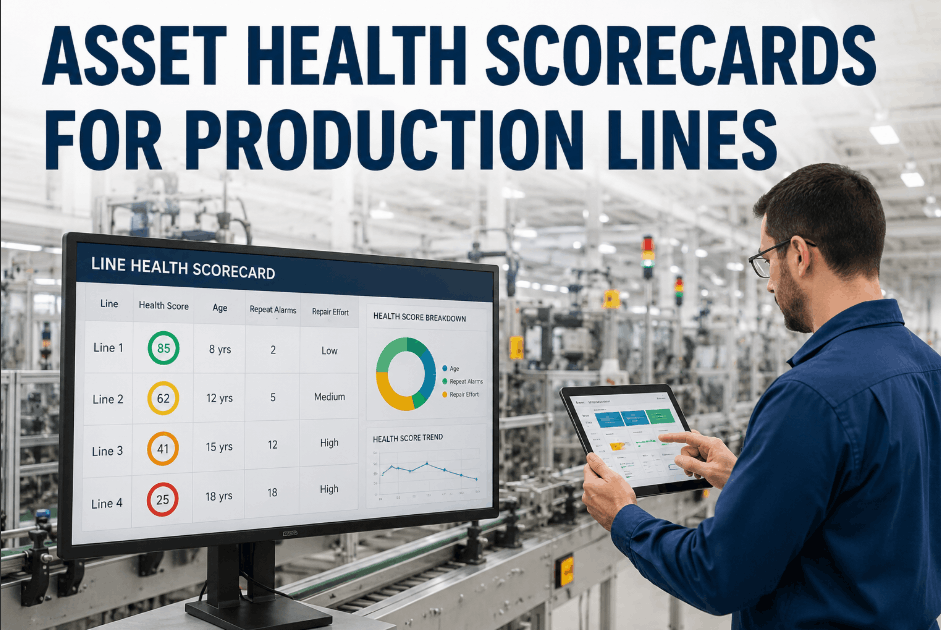
Real-time reliability metrics for every packaging line and individual machine. See which equipment drags down overall performance, where maintenance efforts deliver the highest ROI, and how reliability trends over time.
Sign in to view packaging line dashboards.
DOC
Equipment Manuals and SOPs Accessible on Mobile
Store manufacturer manuals, troubleshooting guides, and standard operating procedures in OxMaint. Technicians access documentation from their phones during repairs — no more searching file cabinets or outdated binders.
Common Questions
Packaging Line Maintenance Questions from Production Managers
Packaging Lines Stop When Maintenance Is Reactive — They Run When Maintenance Is Predictable
The difference between 60% OEE and 85% OEE is not newer equipment. It is scheduled preventive maintenance that actually happens, spare parts that are in stock when needed, and downtime data that identifies problems before they become chronic. OxMaint makes packaging line maintenance predictable, documented, and continuously improving. Free trial with full feature access. Implementation support included.