The gap between a work order marked "complete" and a job that's actually complete is where power plants accumulate risk they can't see. Technicians sign off work orders on paper or in legacy systems with no visual evidence of what was actually done — leaving maintenance managers to assume, not verify. When a component fails six months after a completed work order with no photographic evidence, tracing the root cause becomes a guessing game that your engineering team, insurer, and regulator all lose patience with quickly. OxMaint's AI Vision Camera transforms maintenance closeout from a paperwork exercise into a verified, visual record — capturing before-and-after photos, AI-assisted defect tagging, and condition scoring that builds a searchable visual asset history over time. Every work order closed in OxMaint becomes evidence of what was done, not just a log entry that it was. This is the closeout quality your maintenance program should have been delivering all along — start your free trial or book a 30-minute demo to see the AI photo evidence workflow live.
Closeout Without Photo Evidence Isn't Closeout. It's a Signature on an Assumption.
OxMaint's AI photo evidence system captures before-and-after images at every maintenance closeout, automatically detects and tags defects using computer vision, and builds a searchable visual history that makes every future inspection, audit, and investigation faster and more accurate.
What Actually Happens When Technicians Close Out Work Orders Without Photo Evidence
A technician replaces a bearing but notices a hairline crack in the adjacent housing. Without a required photo, that observation exists only in their memory — and never reaches the engineer who would schedule a follow-up inspection. The crack grows until the next unplanned outage.
Without before-and-after photos at each maintenance event, there's no visual baseline to compare against. Surface condition, corrosion progression, seal compression, insulation degradation — all of these trend invisibly until failure, because no one captured the state at each service interval.
When a component fails within warranty and you need to demonstrate that maintenance was performed correctly, a work order entry is rarely sufficient. Manufacturers and insurers want photographic evidence of component condition at installation and at each subsequent inspection — evidence that most maintenance systems never collect.
Post-incident forensics without visual maintenance history means investigators can only examine current damage — they cannot compare it to pre-incident condition, cannot determine when a defect first appeared, and cannot establish whether a missed maintenance item contributed to the failure.
Four Capabilities That Change What Maintenance Closeout Means
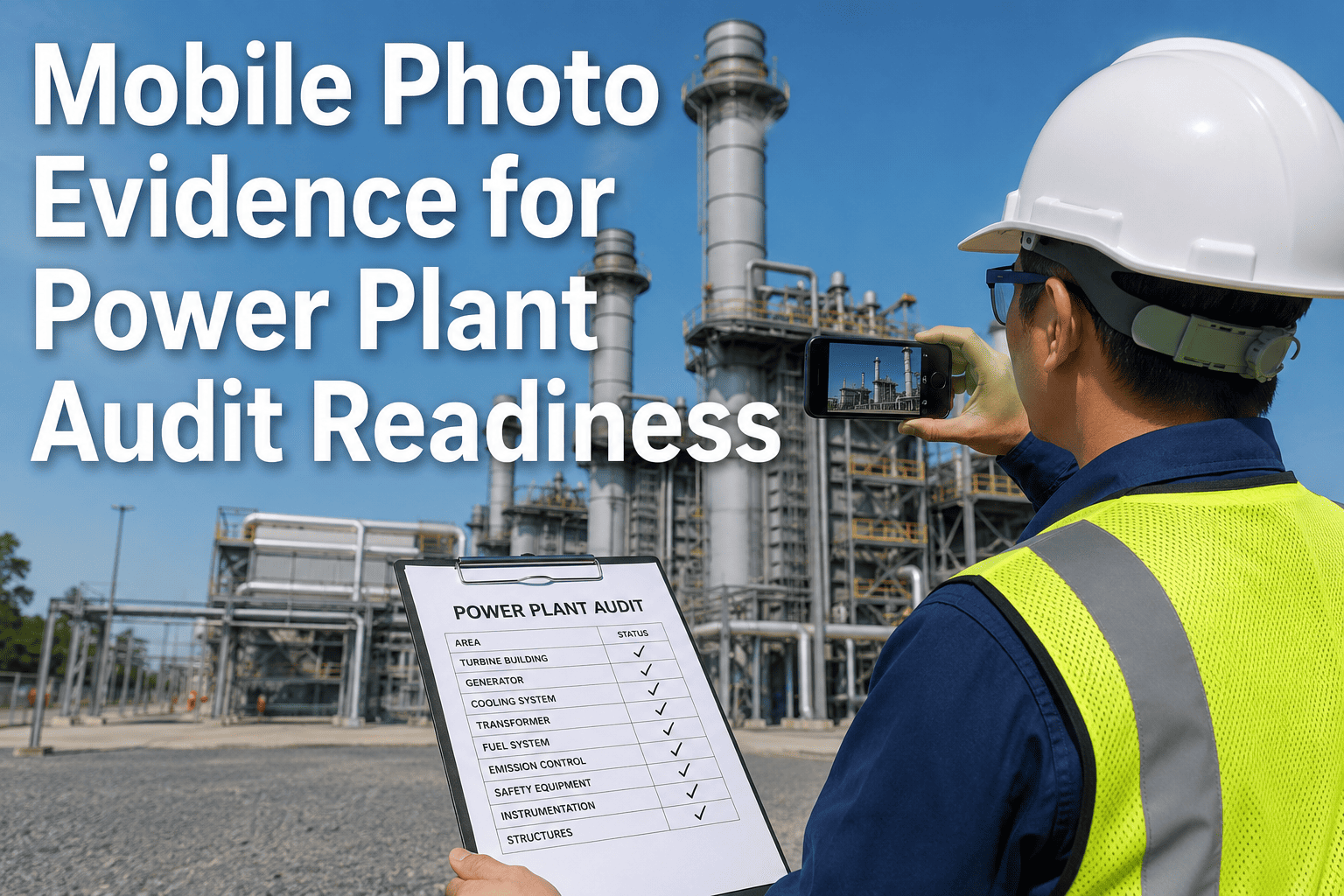
Technicians must upload a before photo to activate a work order and an after photo to close it. OxMaint's mobile app guides the capture sequence and prevents closeout without both photos linked to the work order. Before-and-after comparison is available instantly in the asset record for any stakeholder.
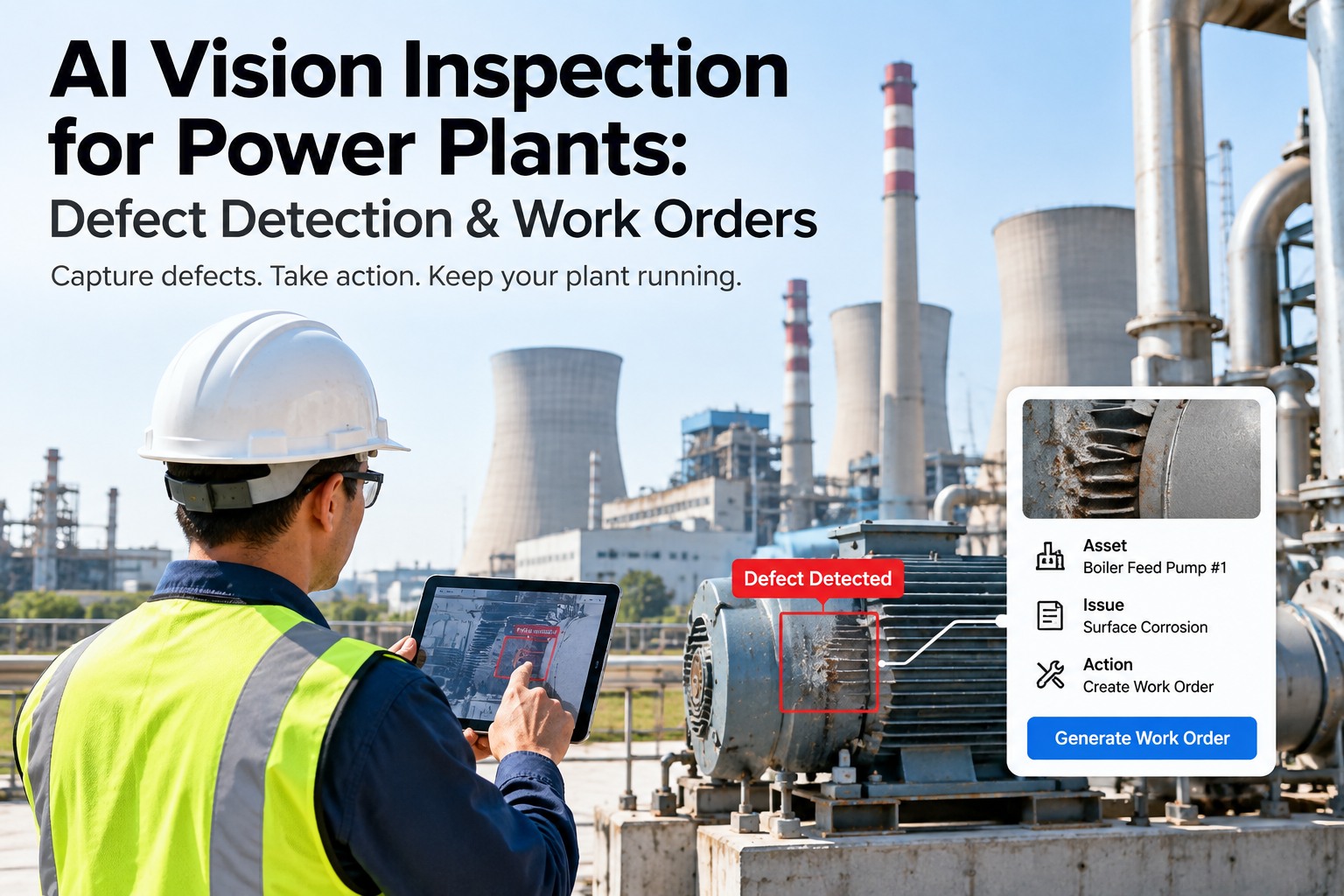
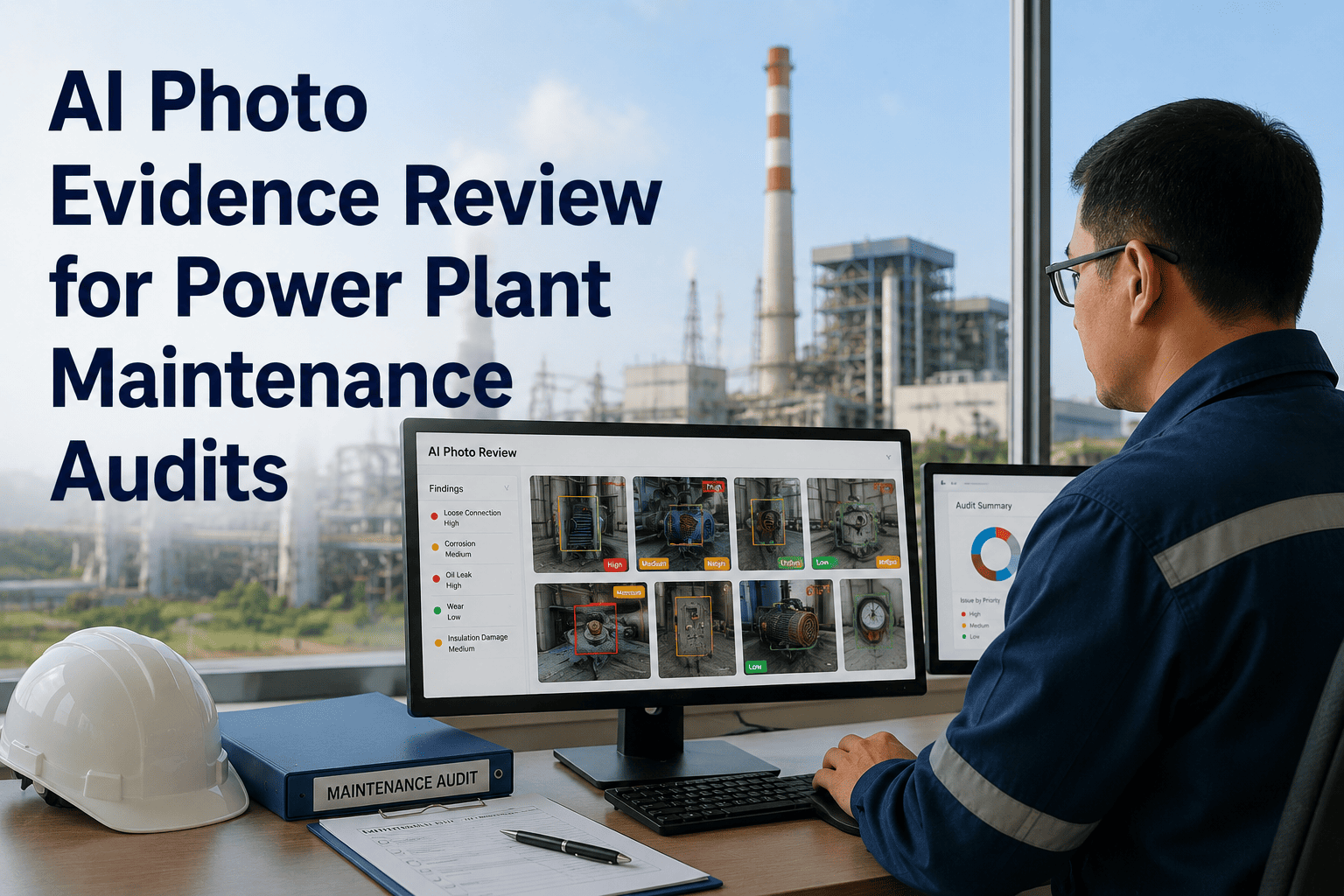
OxMaint's AI analyzes uploaded photos for common defect categories — corrosion, cracking, fouling, wear, leakage, and misalignment — and tags detected anomalies with bounding boxes and severity scoring. Technicians confirm or correct AI tags, creating a human-verified visual defect record that feeds directly into the asset history.
Every photo is indexed to the specific asset, work order, date, technician, and defect tags — creating a searchable visual timeline. Engineers can query "show me all photos of this valve over the last three years" and see condition progression across every maintenance event, without opening individual work orders one by one.
When AI tags a defect above the severity threshold or a technician flags an anomaly during photo review, OxMaint automatically creates a follow-up work order — assigned to the appropriate technician, prioritized by severity, and linked to the originating photo evidence. Nothing slips through because of a missed verbal handoff.
See How AI Photo Evidence Transforms Your Maintenance Closeout Quality
In a 30-minute live demo, watch OxMaint's AI Vision Camera capture before-and-after photos, automatically detect and tag defects, and build a searchable visual asset history — all from a technician's mobile device at the work site.
What the AI Photo Evidence Workflow Looks Like for Your Maintenance Team
OxMaint prompts for a before photo linked to the specific asset. The camera interface guides framing with reference to the previous inspection photo for consistent angle and coverage.
Computer vision processes the image and highlights any detected anomalies — corrosion zones, wear patterns, or fouling — with suggested severity tags before maintenance work begins, so the technician knows what to watch for during the job.
Closeout is blocked until the technician uploads an after photo from the same reference angle. The app displays the before photo as reference to ensure consistent framing and complete coverage of the work area.
OxMaint's AI compares both images, identifies changes in condition — new defects, repaired areas, residual concerns — and generates a condition summary. The technician reviews and confirms before the work order is marked complete.
Completed photos, AI tags, technician confirmations, and any generated follow-up work orders are indexed to the asset record. Engineers and managers can search, compare, and export the full visual history at any time, from any device.
Power Plant Maintenance Areas Where AI Photo Evidence Has the Highest Impact
Visual progression tracking for blade erosion, seal wear, and bearing housing condition across multiple inspection cycles — essential for trending analysis and OEM warranty substantiation.
Before-and-after documentation of weld repairs, corrosion treatment, and insulation condition — creating the visual record regulators expect during statutory inspection reviews.
Photographic evidence of bushing condition, contact surfaces, and cooling equipment at every PM interval — critical for insurance compliance and post-fault investigation.
Visual documentation of fill material condition, basin fouling, and drift eliminator degradation — supporting water chemistry optimization and regulatory permit compliance.
Crack mapping, spalling documentation, and corrosion progression tracking on structural components — building a searchable visual baseline that supplements formal engineering inspection records.
Photographic closeout for sensor replacements, transmitter calibrations, and control panel work — creating evidence that supports root cause analysis when instrumentation contributes to a trip or failure event.
What Power Plant Maintenance Closeout Looks Like With AI Photo Evidence
| Closeout Area | Without Photo Evidence | With OxMaint AI Vision |
|---|---|---|
| Defect Capture | Observations stay in technician's head — no structured way to document visual findings at closeout | AI detects and tags defects from photos — every anomaly becomes a searchable, timestamped record |
| Asset Condition Trending | No visual baseline across inspection cycles — condition deterioration invisible until failure | Before-and-after photo comparison at every PM builds a visual progression timeline per asset |
| Follow-Up Work Orders | Verbal handoffs that get forgotten — defects noticed at closeout never generate action | AI-tagged defects auto-escalate to follow-up work orders — no verbal handoff required |
| Warranty and Insurance | Text-only work order records insufficient for most manufacturer and insurer evidence requirements | Photographic evidence at every service event — exportable for warranty claims and insurance review |
| Incident Investigation | No pre-incident visual data — investigators can only see current damage, not condition history | Full visual asset history available — investigators can review condition at every prior maintenance event |
AI Photo Evidence for Maintenance — What Power Plant Teams Ask Most
What types of defects can OxMaint's AI detect from maintenance photos?
Can technicians submit photos from any smartphone or is special hardware required?
How is the visual asset history organized and searched?
How does OxMaint handle photo evidence export for regulatory audits or warranty claims?
Can managers review and approve photo evidence before a work order is closed?
Stop Closing Work Orders on Faith. Start Closing Them on Evidence.
OxMaint's AI Photo Evidence system gives power plant maintenance teams the visual record they need to close out work with confidence, defend every maintenance decision with documented proof, and build an asset history that makes every future inspection, audit, and investigation faster and more accurate.