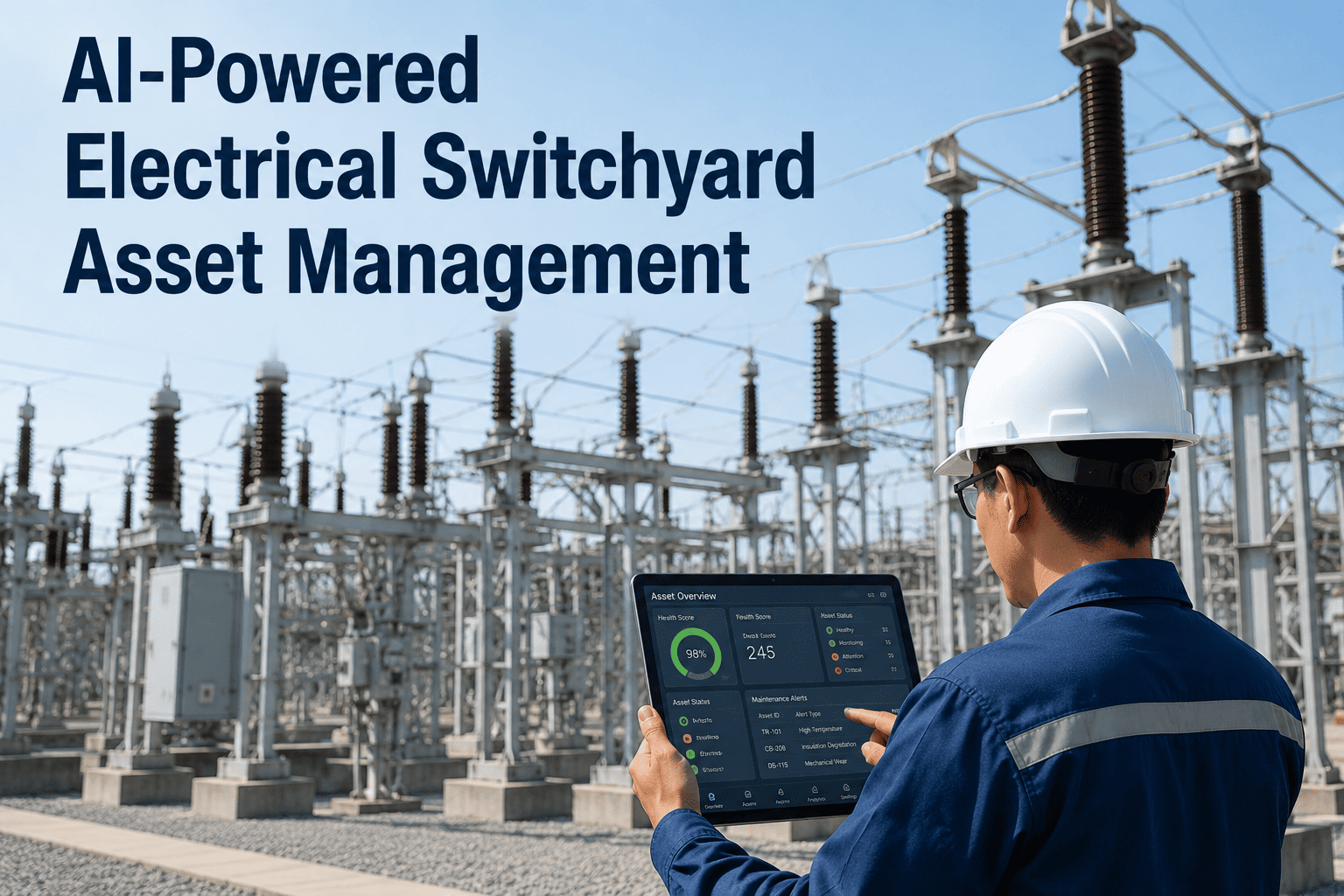
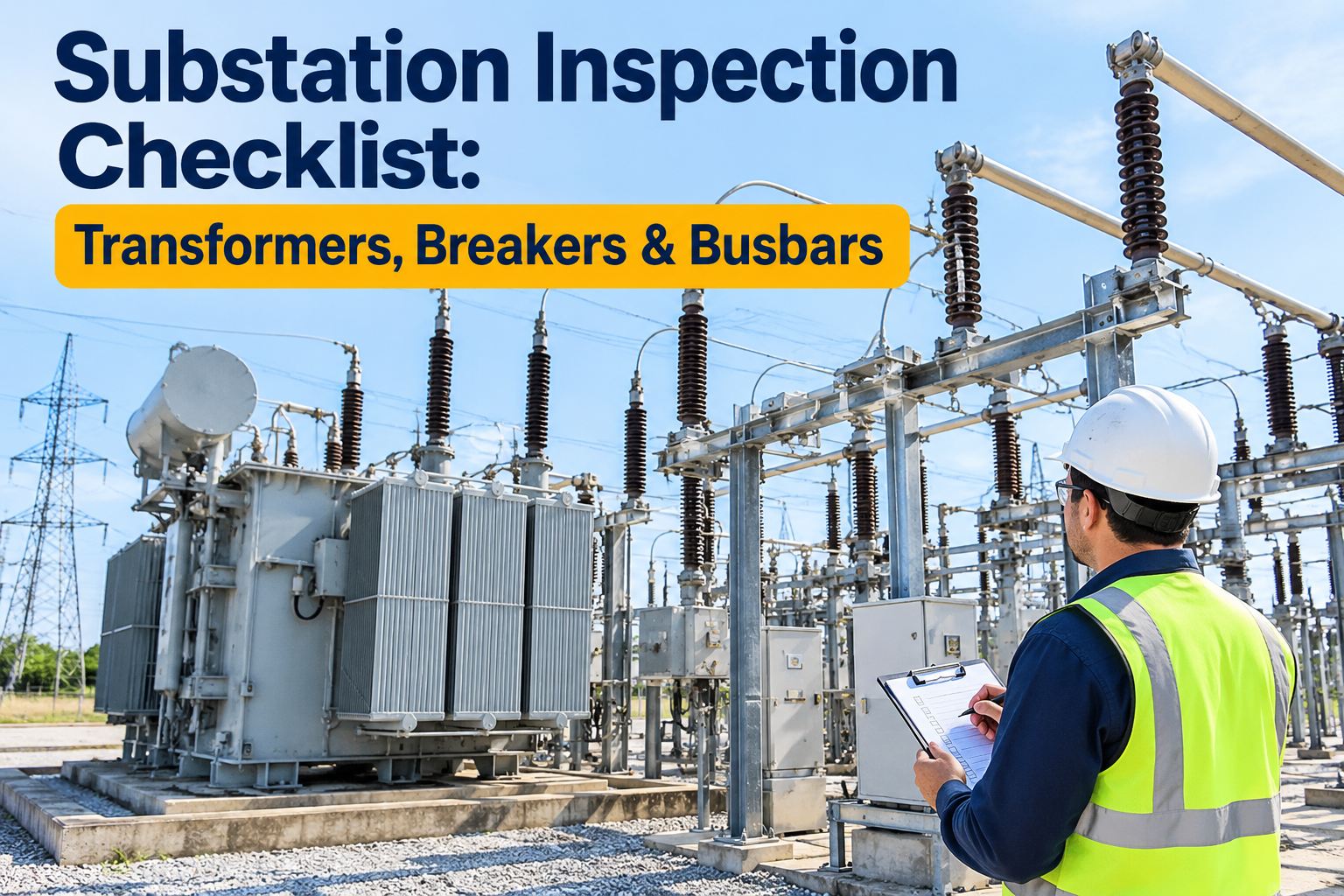
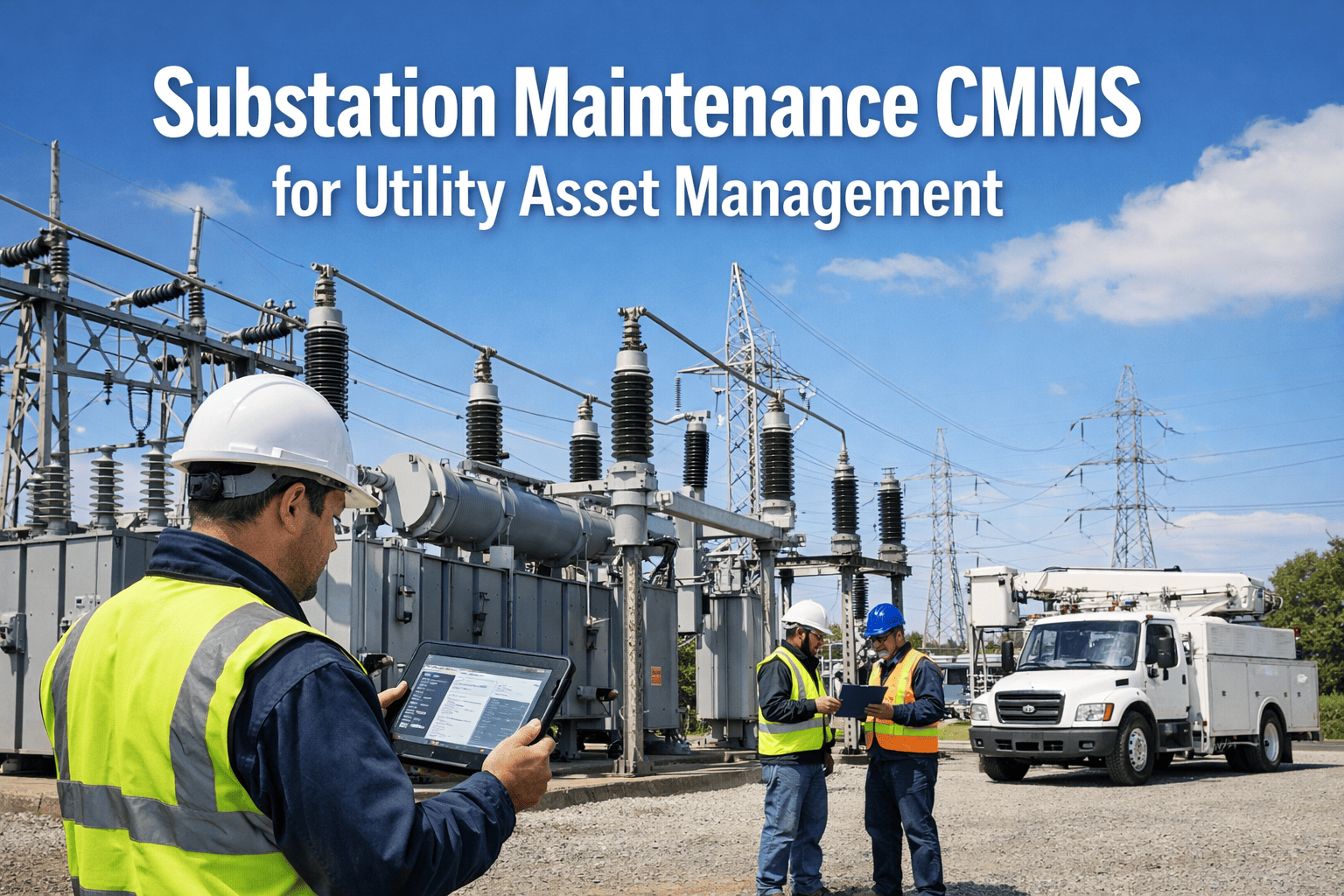
A switchyard holds some of the most consequence-heavy equipment on the entire site — circuit breakers, isolators, current transformers, surge arresters — yet most utilities still manage switchyard inspections through paper walkdown sheets and a maintenance calendar that treats every breaker bay the same regardless of loading, age, or fault history. When a breaker fails to operate correctly during a fault clearing sequence, the consequence is not a single equipment loss, it's a cascading protection failure that can take down an entire feeder or transformer bank. Sign in to OxMaint to centralize your switchyard inspection records and asset health data in one system built for exactly this equipment class.
OxMaint · Substation · Switchyard Asset Management
Every breaker bay in your switchyard is different. Your maintenance calendar treats them all the same.
AI-powered switchyard asset management ranks every circuit breaker, isolator, and CT by actual condition and criticality — so inspection effort goes where failure consequence is highest.
The Asset Classes a Switchyard Program Has to Track
A single switchyard bay contains multiple asset classes, each with its own failure mode, inspection method, and consequence profile. Managing them through one generic maintenance schedule is where most reliability gaps begin.
Circuit Breakers
Contact wear, SF6 or oil insulation condition, and operating mechanism timing all degrade independently. A breaker that looks fine externally can still fail to clear a fault within the required cycle time.
Isolators and Disconnect Switches
Contact alignment and blade pressure loss are the dominant failure modes, often invisible without thermal imaging during an actual load-carrying condition.
Current and Voltage Transformers
Insulation aging inside CTs and VTs progresses silently until a flashover event, making periodic insulation resistance and dissolved gas testing essential rather than optional.
Surge Arresters
Leakage current drift is the earliest sign of arrester degradation, and it is only caught through scheduled leakage current measurement, not visual inspection.
Busbars and Connections
Loose or corroded connections generate localized heating that thermal imaging catches early, well before the connection point reaches failure temperature.
Protection and Control Panels
Relay settings drift, wiring degrades, and battery backup systems age — all requiring functional testing on a schedule independent of the primary equipment they protect.
Inspection Frequency: Calendar-Based vs Criticality-Based
A calendar-based program applies the same inspection interval across an asset class regardless of loading or age. A criticality-based program adjusts frequency to match actual risk — the difference below.
| Asset |
Calendar-Based Interval |
Criticality-Based Interval |
| High-fault-duty circuit breaker |
Annual inspection, same as low-duty breakers |
Quarterly timing test based on actual operation count |
| Aging isolator (20+ years) |
Annual visual inspection only |
Semi-annual thermal imaging under load |
| CT feeding critical protection |
Standard 3-year insulation test cycle |
Annual insulation test given protection criticality |
| Surge arrester near coastal exposure |
Standard annual leakage current check |
Semi-annual check given accelerated contamination risk |
Scroll right to view full comparison on mobile
A criticality-based inspection program does not mean inspecting everything more often — it means directing inspection effort where it prevents the highest-consequence failures.
What AI-Powered Switchyard Asset Management Adds to Your Existing Program
OxMaint layers directly onto your existing inspection and protection maintenance workflow, adding the analysis capability that turns raw inspection data into prioritized action.
1
Unified Asset Register Across Bays
Every breaker, isolator, CT, VT, and arrester across every bay is tracked in one register with full history, replacing scattered spreadsheets maintained bay by bay or engineer by engineer.
2
Digital Thermal and Visual Inspection Capture
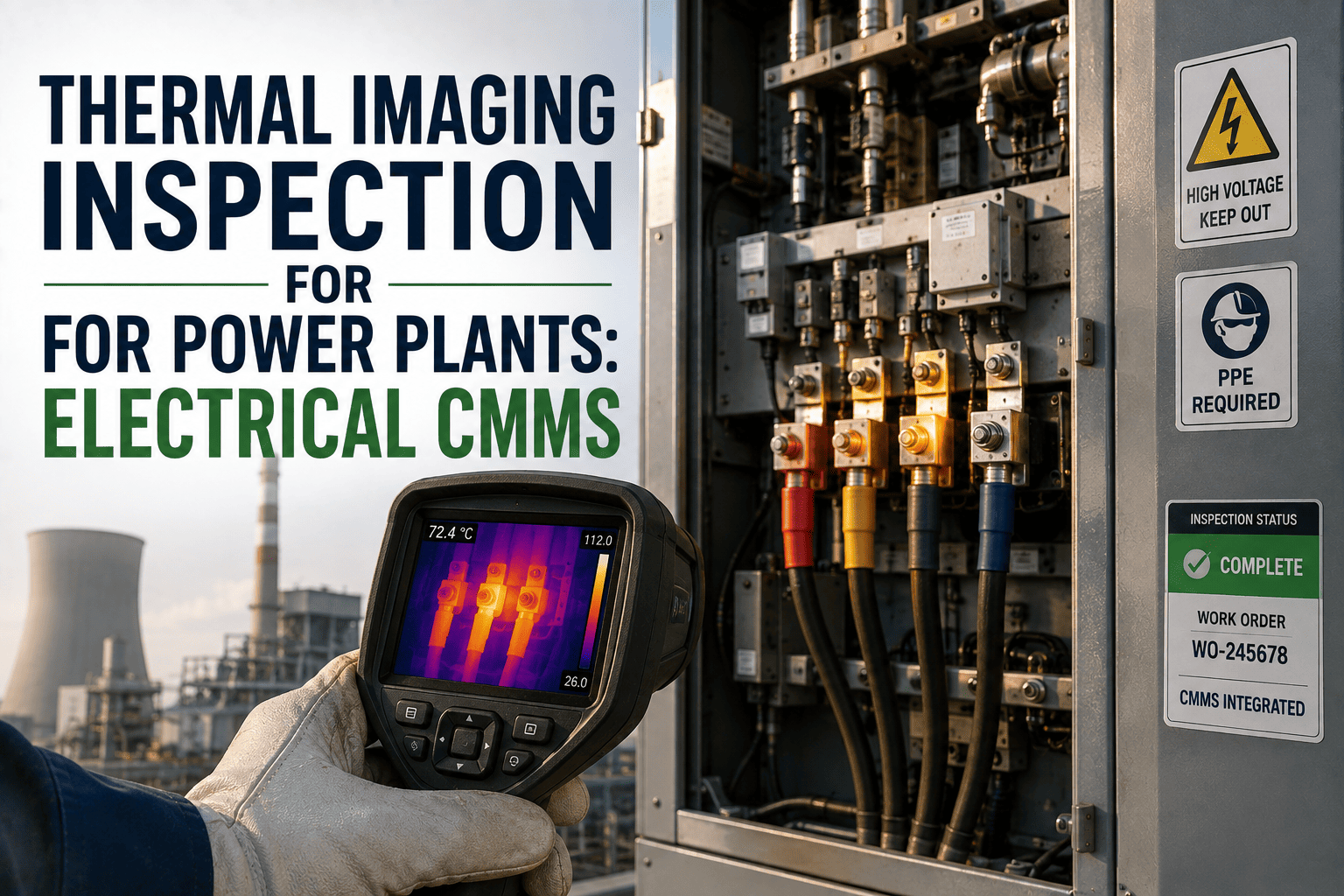
Field teams log thermal images and visual findings directly against each asset record, with automatic flagging when a reading exceeds the threshold set for that specific connection point or component.
3
Criticality-Weighted Risk Scoring
Each asset's risk score combines its operation count, age, fault duty history, and latest inspection findings, ranking the entire switchyard by where the next failure is most likely to cause the highest-consequence outcome.
4
Protection Coordination Awareness
Asset criticality accounts for the protection role each device plays, so a breaker or CT feeding a critical protection scheme is weighted higher than an equivalent device in a less consequential position.
Root Causes Behind Most Switchyard Equipment Failures
Switchyard failures rarely come from a single dramatic event. Most trace back to one of a small number of root causes that criticality-based inspection is specifically designed to catch earlier.
1
Contact Erosion from Repeated Operations
Breaker and isolator contacts erode a small amount with every operation. Without operation-count tracking, this erosion goes unmeasured until a routine timing test fails or, worse, until the device fails to clear a fault.
2
Connection Point Loosening from Thermal Cycling
Daily heating and cooling from load variation gradually loosens bolted connections at busbar joints, a slow process that only becomes visible through consistent thermal imaging over time, not a single annual scan.
3
Environmental Contamination on Insulators
Dust, salt spray, and industrial pollution accumulate on insulator surfaces over months, reducing flashover margin well before a visual inspection would flag it as a concern.
4
SF6 or Oil Insulation Leakage
Slow gas or oil leaks in breaker interrupting chambers reduce dielectric strength gradually, a trend that pressure and level monitoring catches long before the loss reaches an alarm threshold.
Frequently Asked Questions — AI-Powered Switchyard Asset Management
OxMaint · Substation · Switchyard Asset Management
Every breaker bay carries different risk. Your inspection program should reflect that.
Unified asset register. Digital thermal inspections. Criticality-weighted risk scoring. Protection-aware prioritization — built for switchyards where every failure has a cascading consequence.