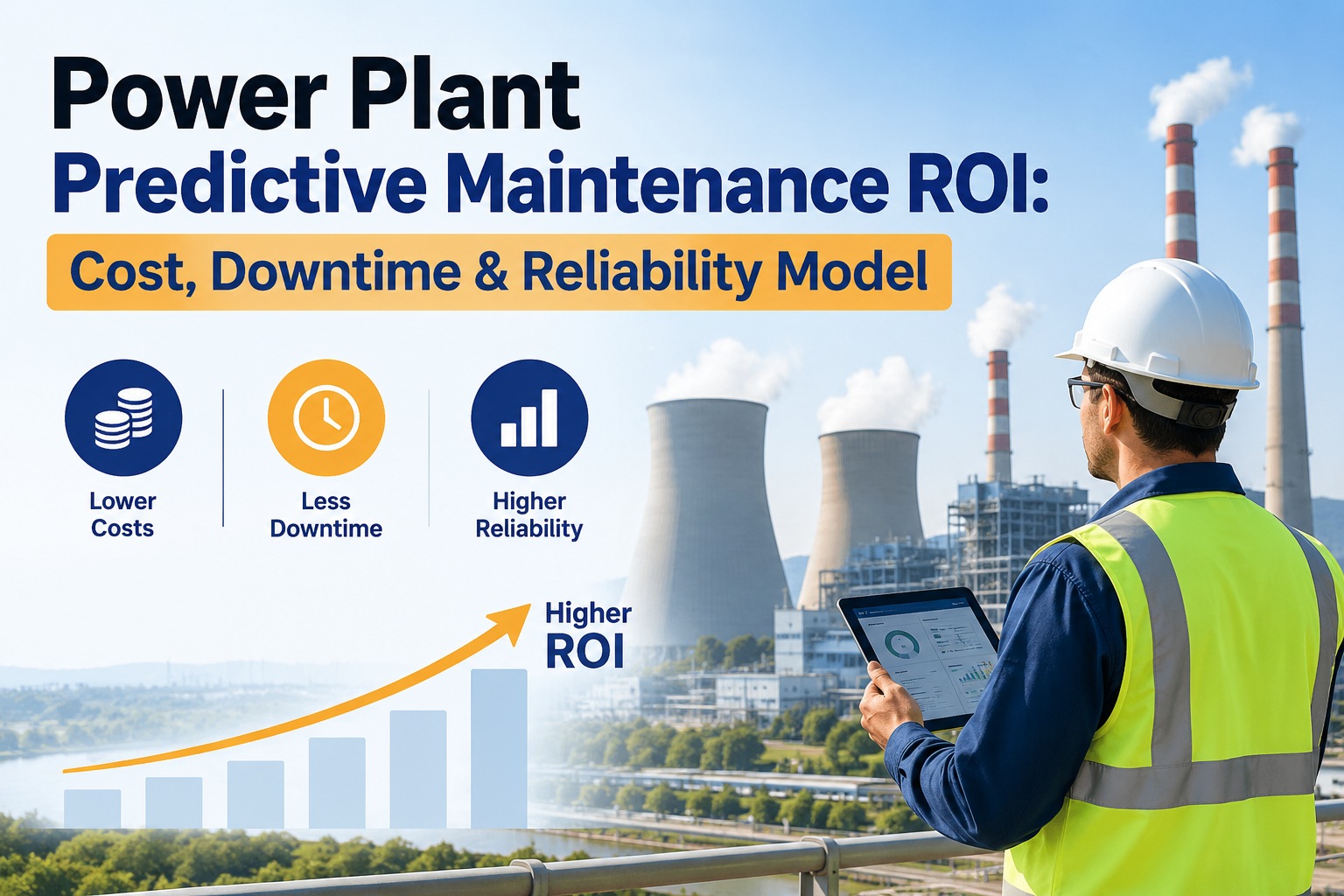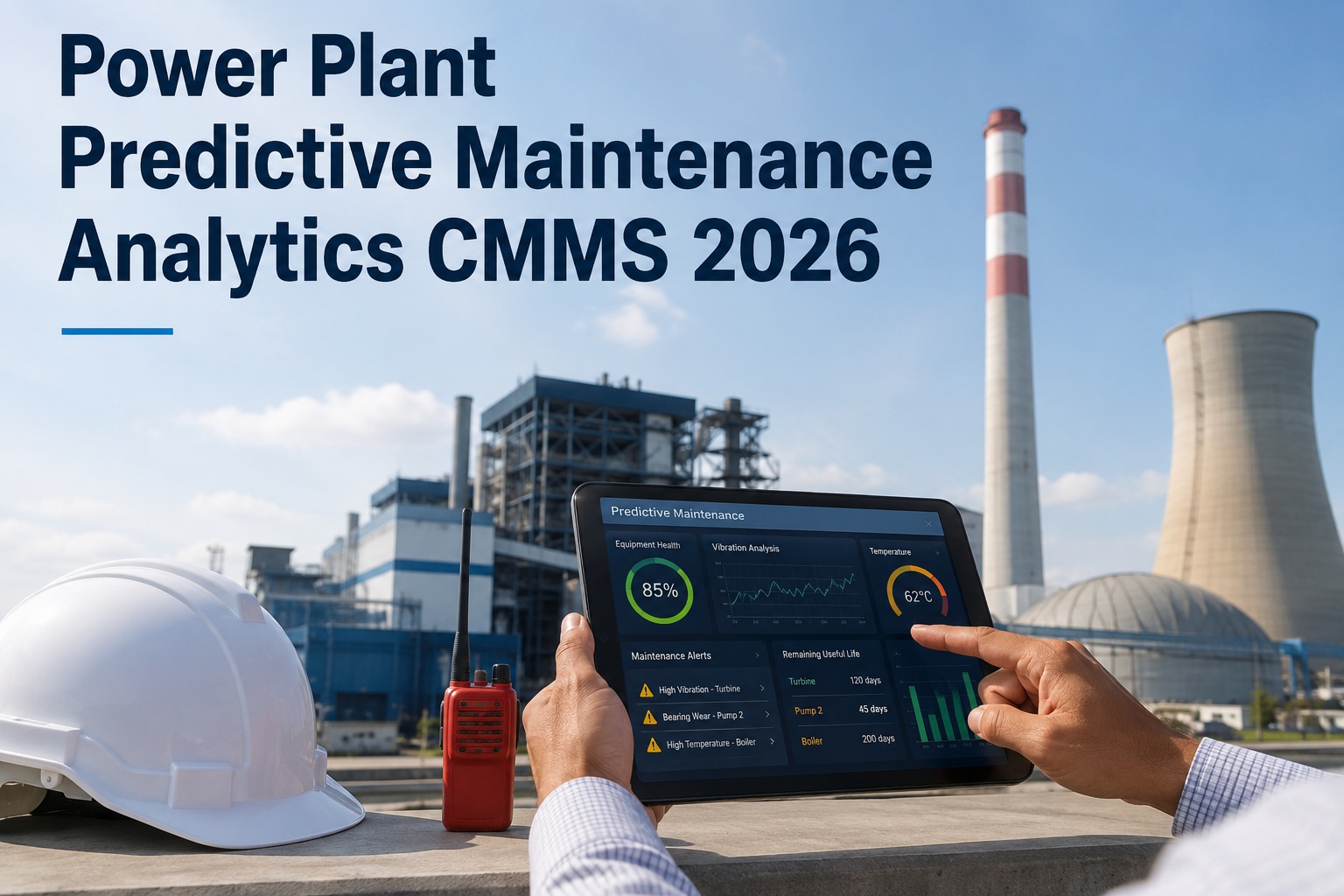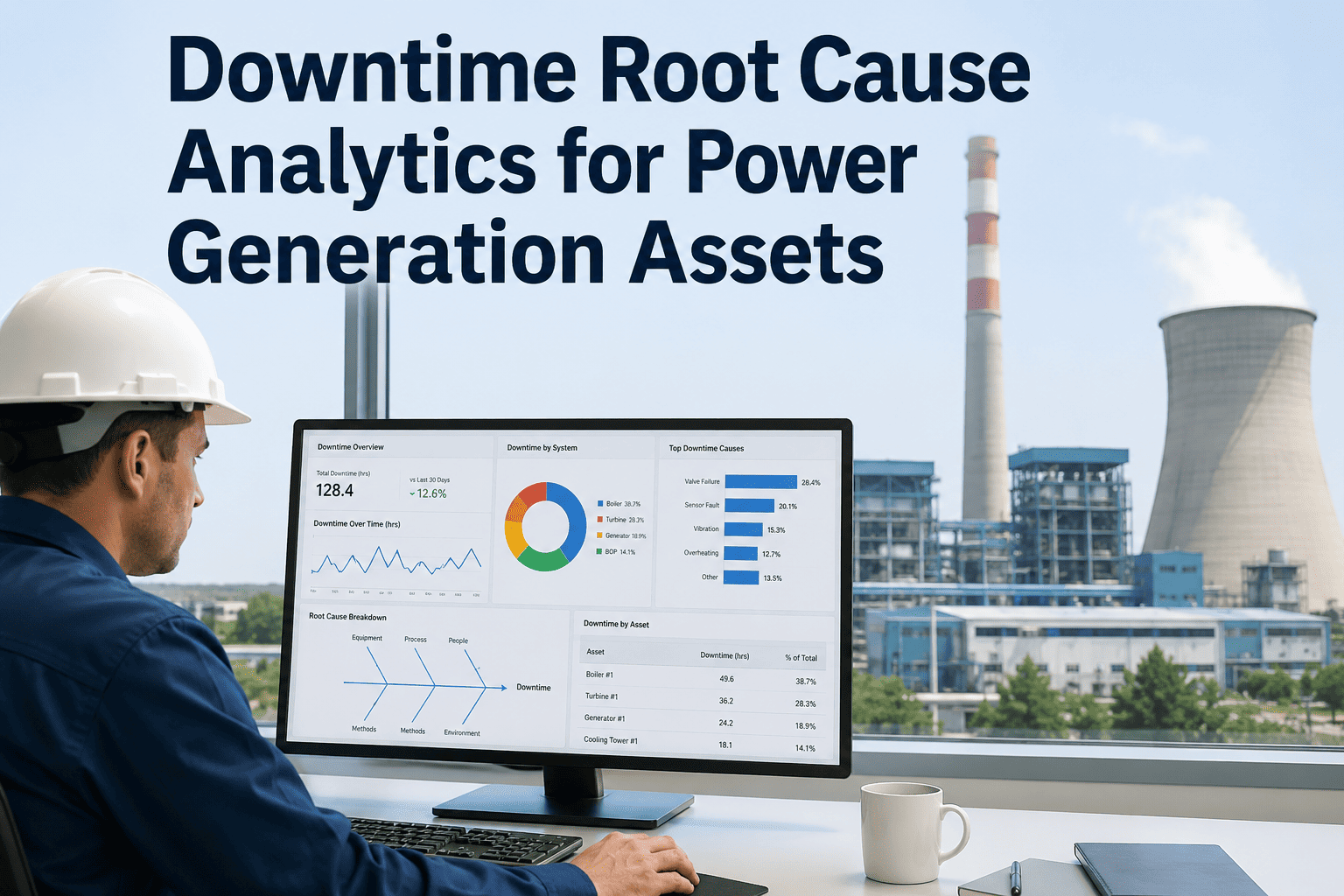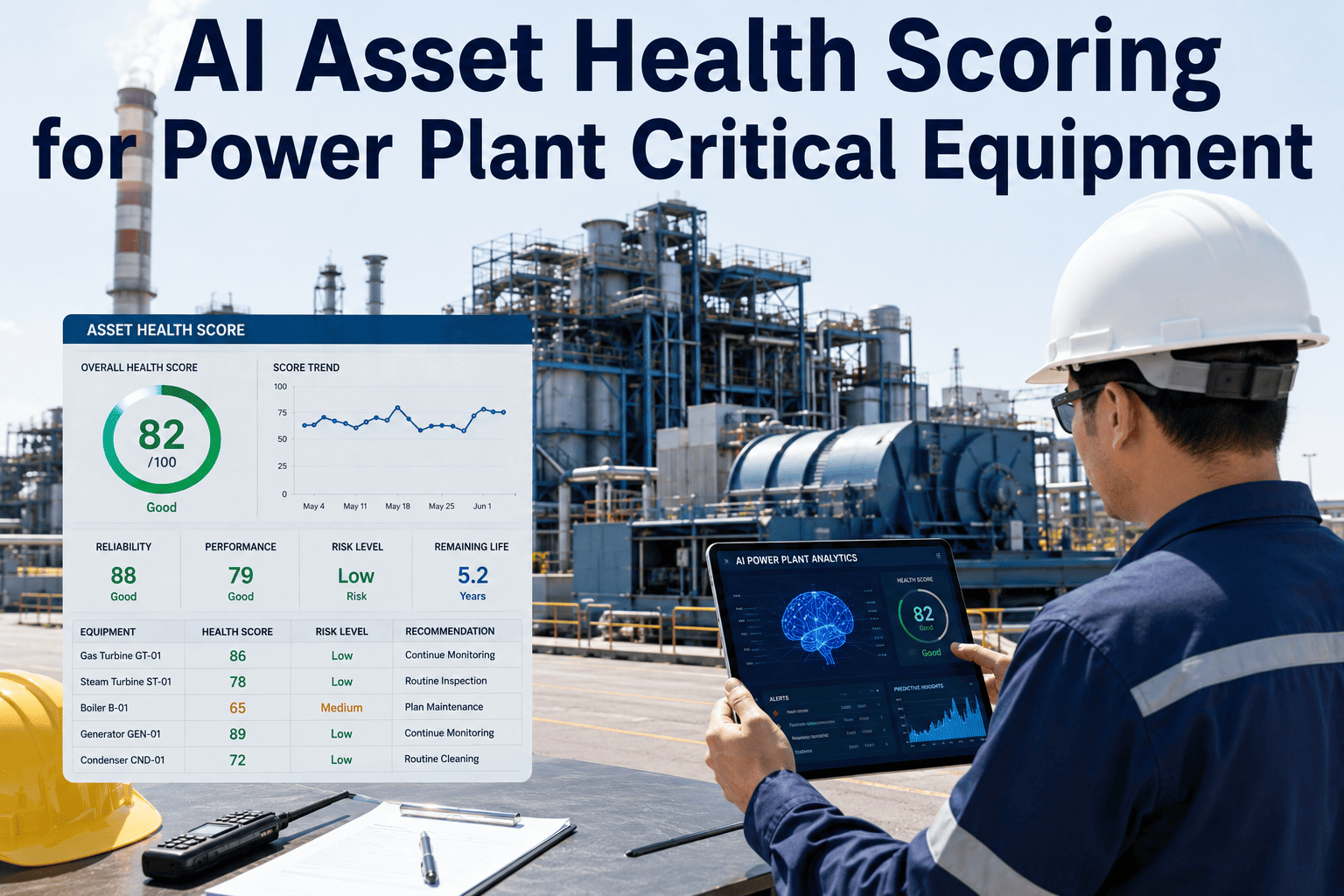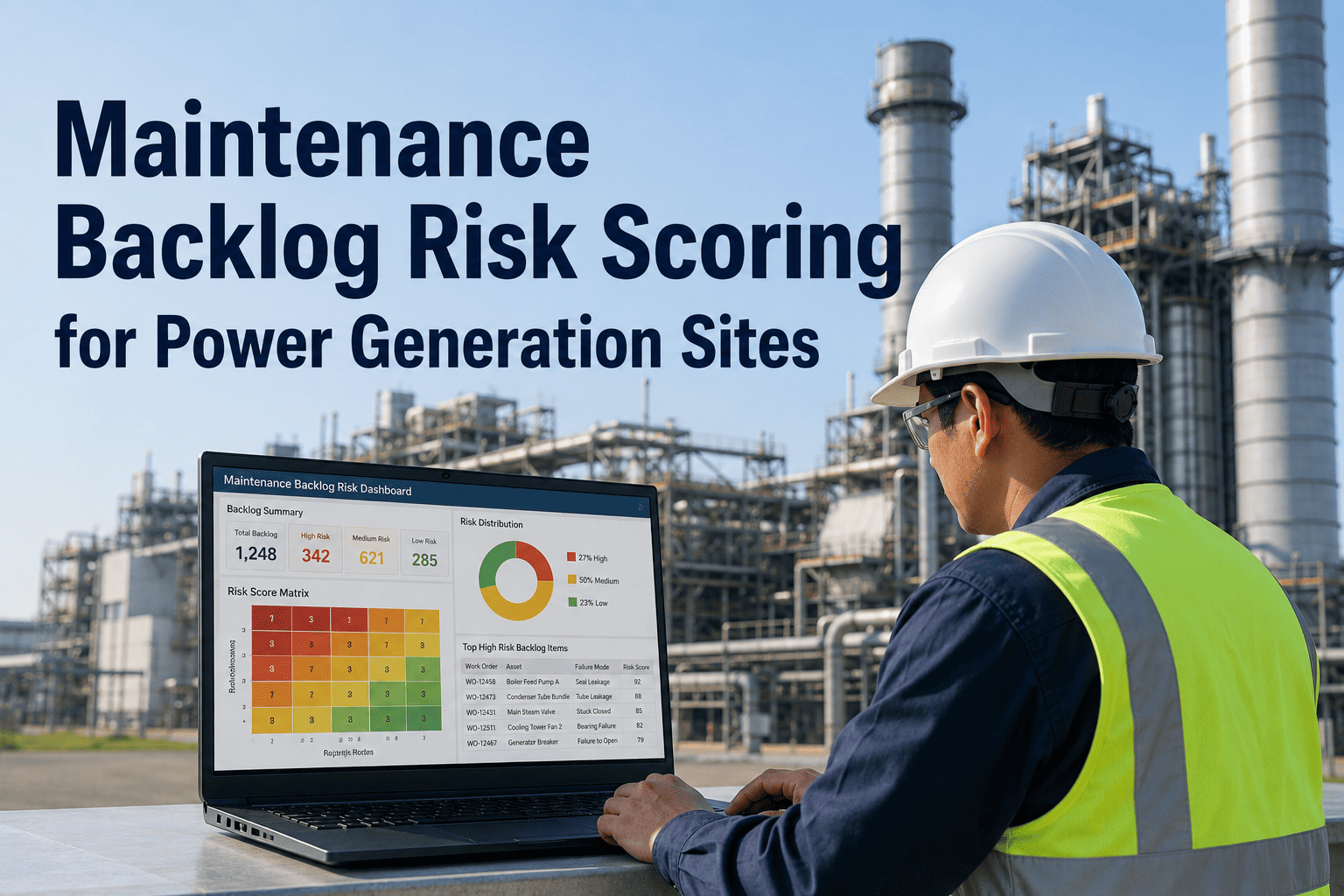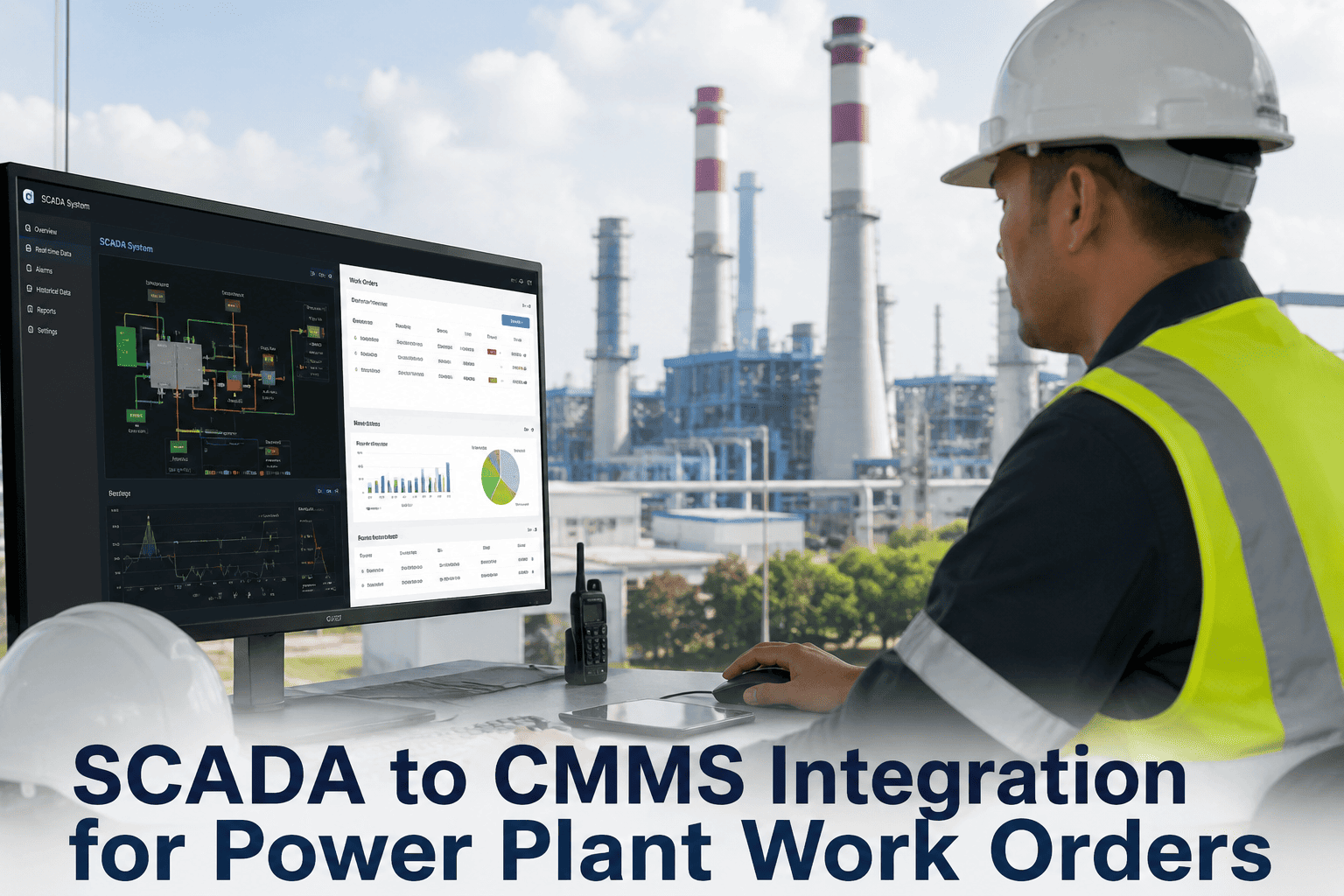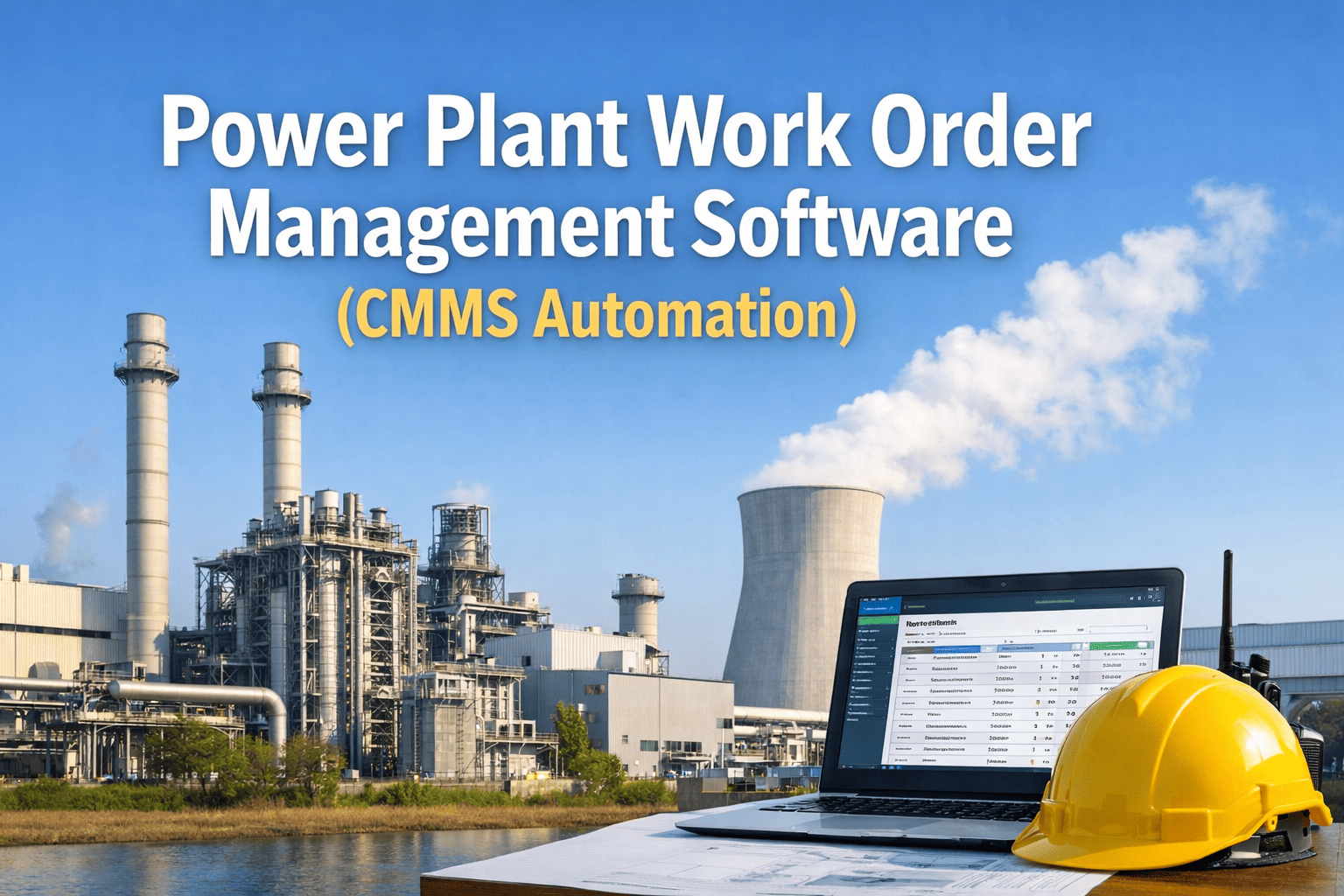
Transformer failures are among the most costly events in power generation — a single unexpected outage can mean millions in lost generation, emergency procurement, and unplanned outage costs. AI-driven health scoring changes the equation by continuously evaluating DGA results, thermal performance, load history, and inspection data against failure prediction models, surfacing risk signals weeks before a transformer reaches a critical threshold. OxMaint's CMMS gives power generation teams the platform to act on those signals — linking health scores directly to work order creation, inspection scheduling, and asset history so your reliability team responds in time. Sign Up Free to connect your transformer data to a structured maintenance workflow, or Book a Demo to see how OxMaint supports AI-driven transformer reliability programs.
What AI Transformer Health Scoring Actually Measures
A health score is only as reliable as the inputs feeding it. Modern AI scoring models draw from multiple data streams — each capturing a different failure mechanism.
The Health Score Tiers: What Each Level Means for Your Team
OxMaint-connected health scoring classifies transformers into action tiers — removing ambiguity from the "should we act on this?" decision.
How OxMaint Closes the Loop Between Health Score and Maintenance Action
Knowing a transformer's health score has no value if it doesn't drive a maintenance response. OxMaint provides the workflow layer that converts AI predictions into scheduled, tracked, and completed work.
When a transformer's health score drops below a configured threshold, OxMaint auto-generates a priority work order assigned to the responsible technician or reliability engineer — eliminating manual review lag.
The work order is dispatched with full asset history — previous DGA results, last inspection findings, maintenance records, and parts history — so the technician arrives informed, not starting from scratch.
Field teams complete structured inspection checklists on the OxMaint mobile app — capturing bushing condition, oil levels, thermal readings, and tap changer checks with photo documentation and timestamped sign-off.
Completed inspection data, parts replaced, and corrective actions taken are logged back to the asset record — feeding the next AI scoring cycle with updated condition data and continuously improving prediction accuracy.
OxMaint links AI-generated risk signals to work orders, inspection checklists, and asset history — so your reliability program responds before failures happen, not after.
Transformer Health Scoring vs. Traditional Maintenance Approaches
Understanding where AI health scoring delivers value versus conventional methods helps reliability teams prioritize investment and justify program expansion to leadership.
| Dimension | Time-Based PM Only | DGA Monitoring Alone | AI Health Scoring + OxMaint |
|---|---|---|---|
| Failure Prediction Lead Time | None | Days to weeks (single variable) | Weeks to months (multi-variable) |
| False Alarm Rate | N/A | Moderate (single-variable thresholds) | Low (correlated multi-input model) |
| Work Order Integration | Manual scheduling | Manual (alert to action gap) | Automated via CMMS integration |
| Asset Life Optimization | Interval-based, not condition-based | Partial | Full — score-driven interval extension |
| Spares Planning Support | Calendar-driven | Limited | Risk-based procurement trigger |
| Audit Trail for Compliance | Paper or basic CMMS records | Monitoring logs only | Full inspection and work order history |
Frequently Asked Questions
OxMaint gives power generation reliability teams the asset management foundation to connect AI health scores to work orders, inspections, and performance tracking — so transformer risk never stays invisible until it's too late.