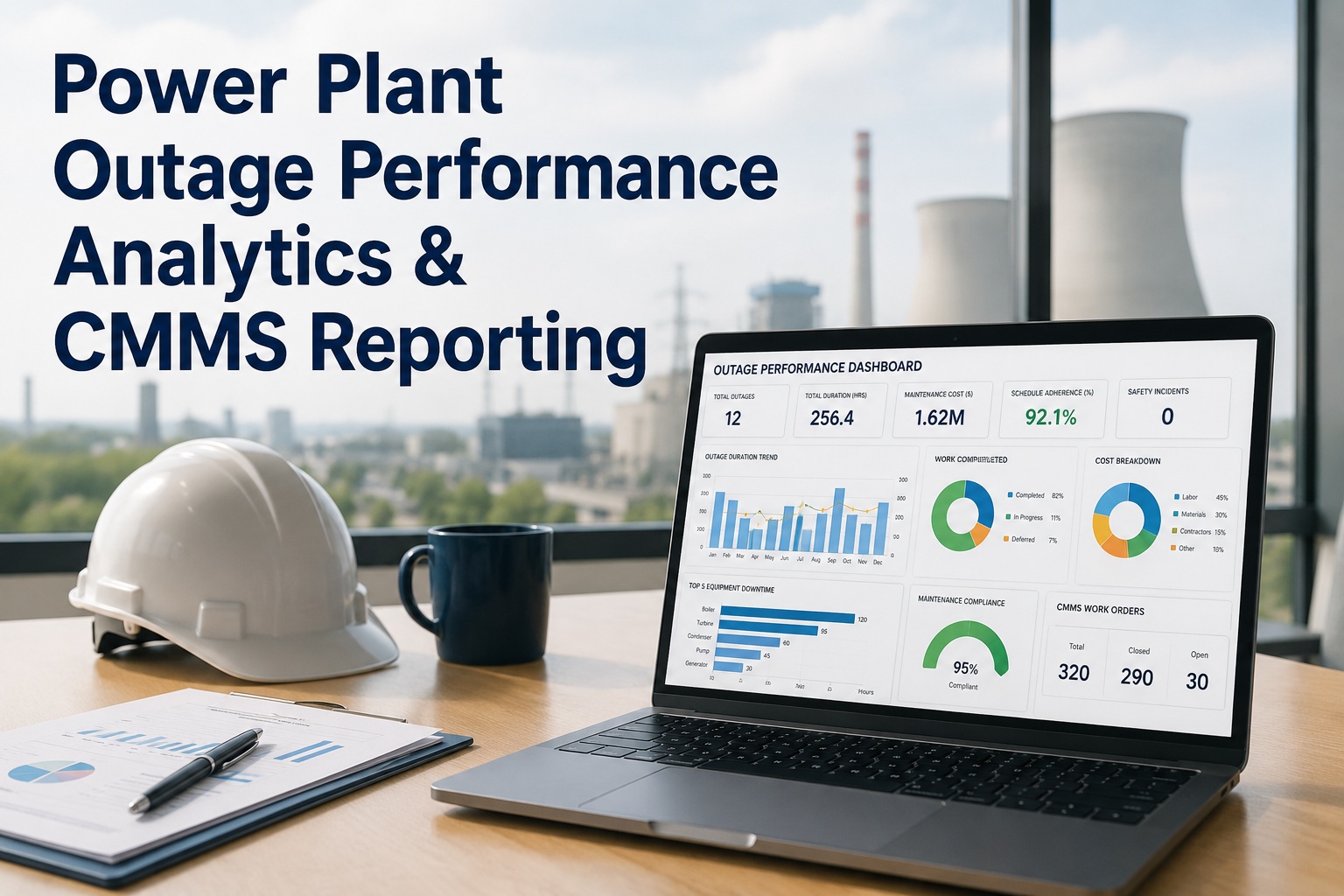
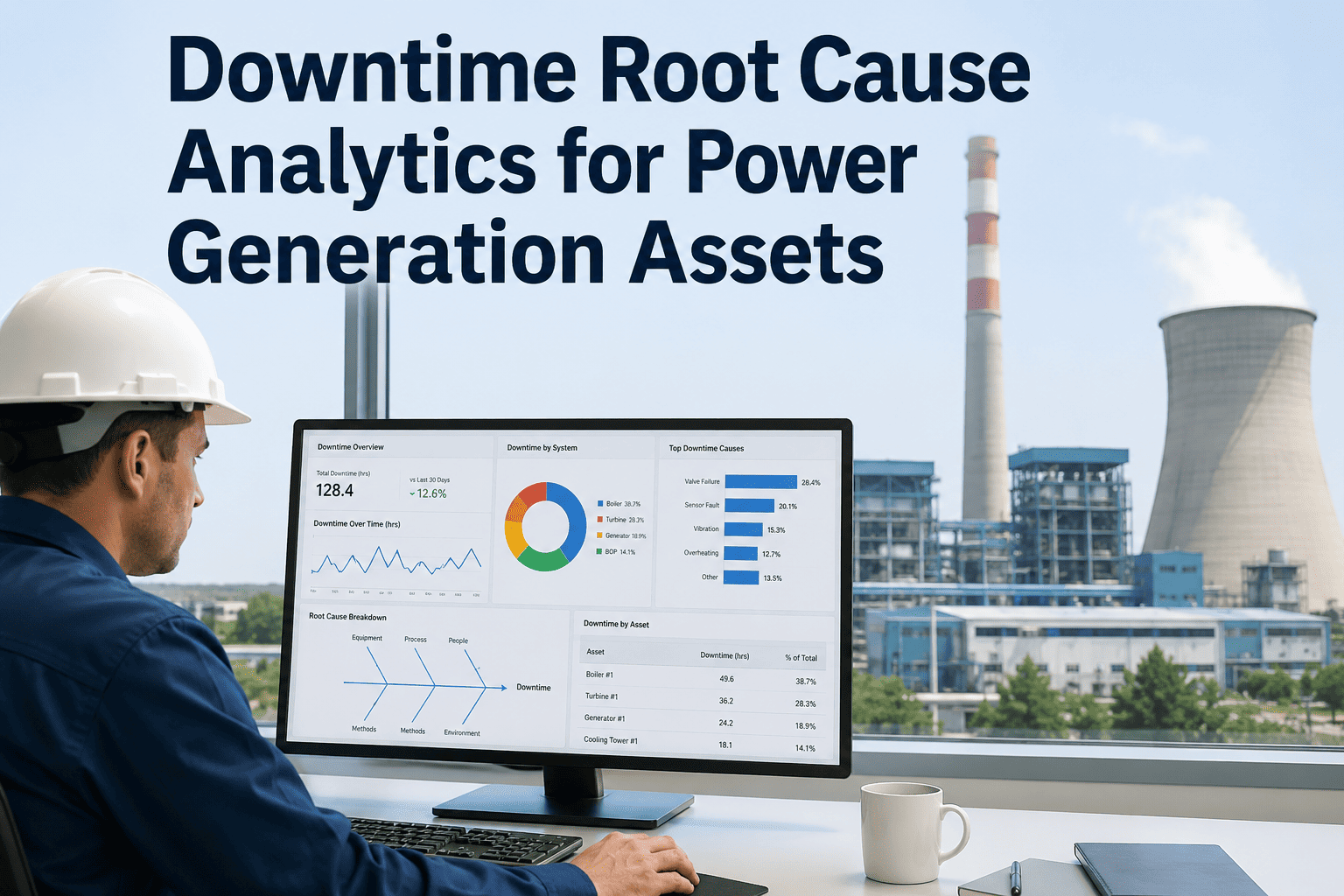
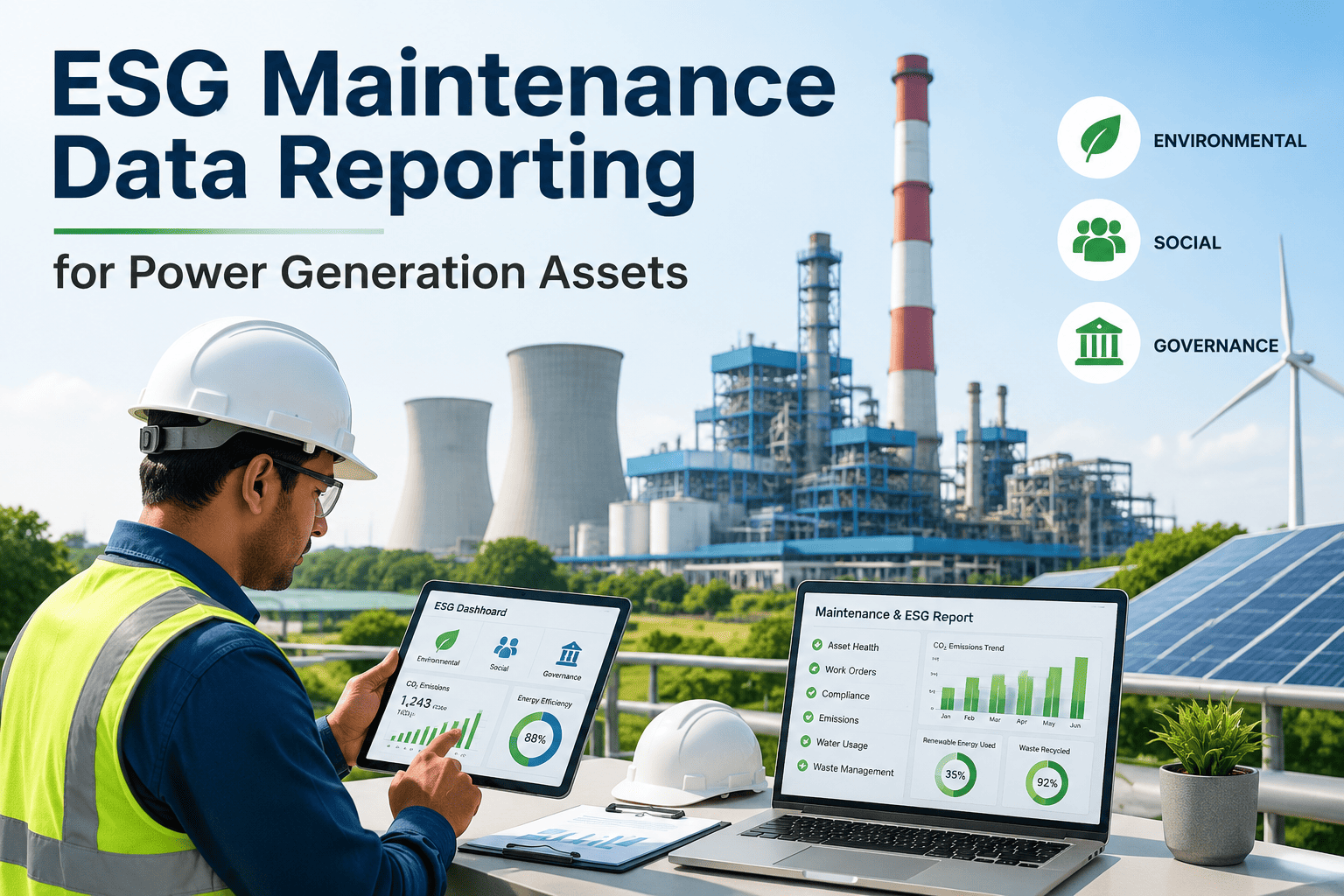
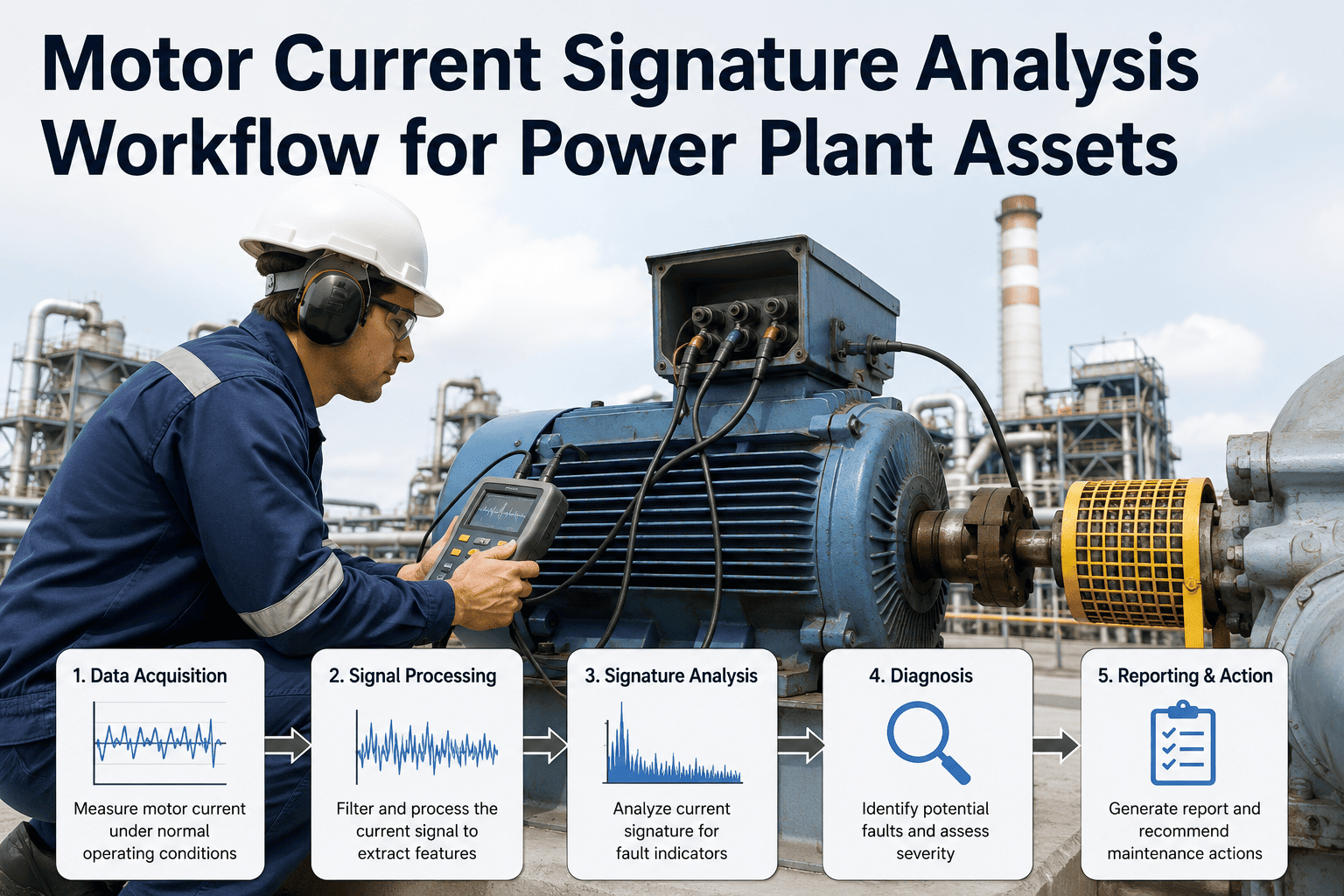
Power plant outages used to be predicted mostly from equipment age and run-hours — but climate volatility has added a second risk layer that most maintenance teams still track on instinct rather than data. A transformer that survived twenty mild summers can fail in its first week of a heat dome; a cooling water intake that's never seen a flood warning can be offline within hours when one arrives. Reliability teams that map climate exposure against asset condition catch these compounding risks before they turn into forced outages, while teams relying on historical failure patterns alone are repeatedly surprised by "unprecedented" weather that arrives every other season now. Sign Up Free to start building a climate-aware outage risk view for your plant's most exposed assets.
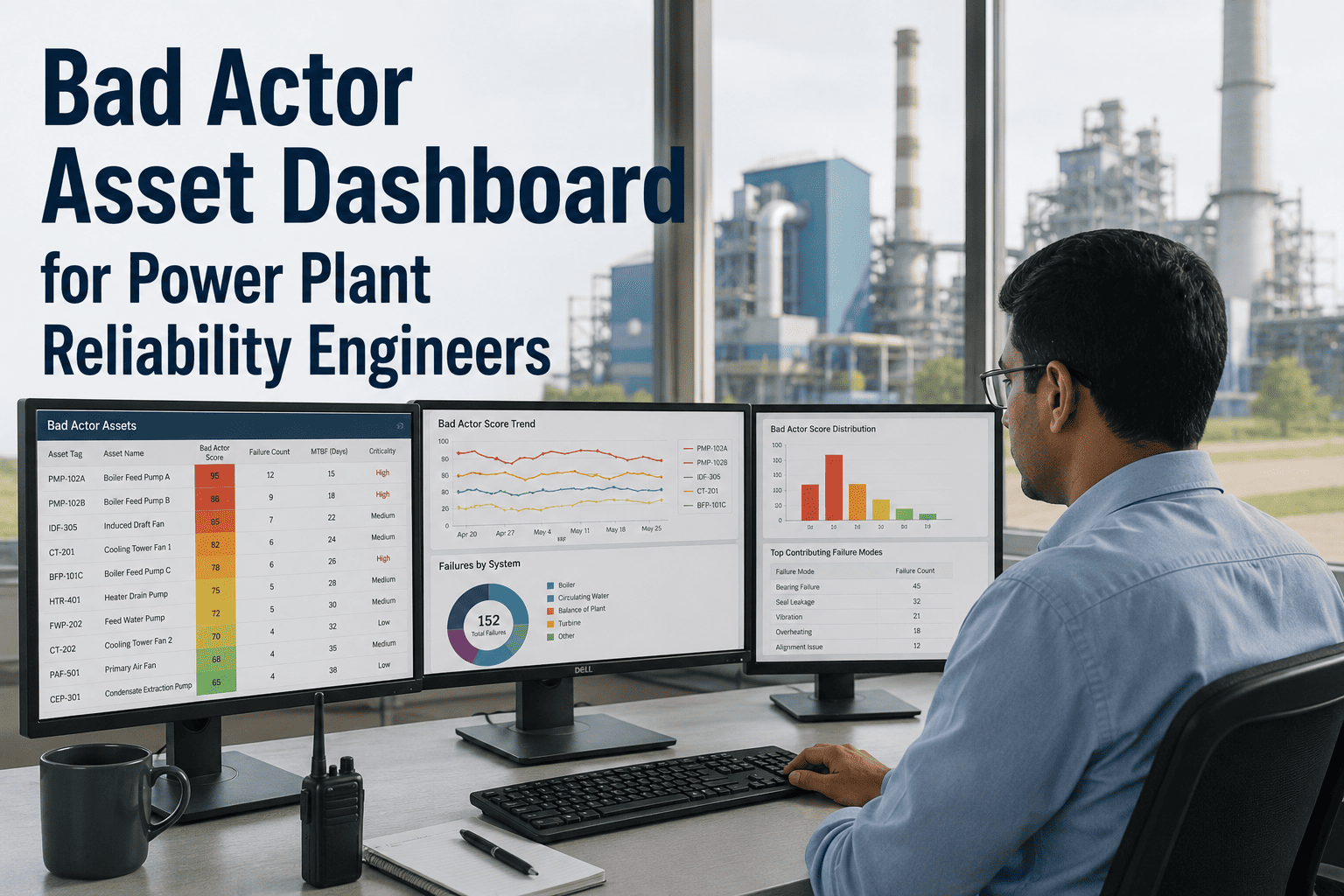
Climate-Driven Outage Risk Dashboard for Power Plant Assets
See which assets carry the highest combined risk from climate exposure and maintenance condition — before a forecast turns into a forced outage.
Climate Risk Exposure by Factor — What the Data Shows
Not every climate factor affects every asset class equally. Heat stresses transformers and switchgear; flooding threatens intakes and basement-level auxiliaries; wildfire smoke clogs filtration and cooling systems; cold snaps strain instrumentation and freeze-prone piping. The visual below shows the relative outage-risk contribution of each factor based on industry incident analysis.
Reactive Weather Response vs. Risk-Dashboard Driven
Most plants already respond to severe weather warnings — the question is whether that response is targeted using current asset condition data, or applied uniformly across the site regardless of which assets are actually at elevated risk. Book a Demo to see how a risk dashboard changes pre-event preparation.
Know Which Assets Carry Climate Risk Before the Forecast Changes.
OxMaint combines asset condition data with climate exposure tagging so reliability teams can act on risk before it becomes downtime.
Inside the Climate-Driven Outage Risk Dashboard
The dashboard combines three layers of information that are usually kept apart — current asset condition, climate exposure characteristics, and forecast severity — into a single risk view maintenance planners can act on the same day a watch or warning is issued.
Two summers ago we lost a main transformer during a heat dome that hit three days in a row. It had an open thermal anomaly finding sitting in our backlog for weeks. Now our outdoor electrical assets are tagged for heat exposure, and anything with an open finding gets pulled into a pre-event check the moment a heat advisory is issued.
Frequently Asked Questions
Turn Weather Forecasts Into Maintenance Action.
OxMaint's climate-driven outage risk dashboard highlights the assets that need attention before severe weather arrives — not after the outage report is filed.