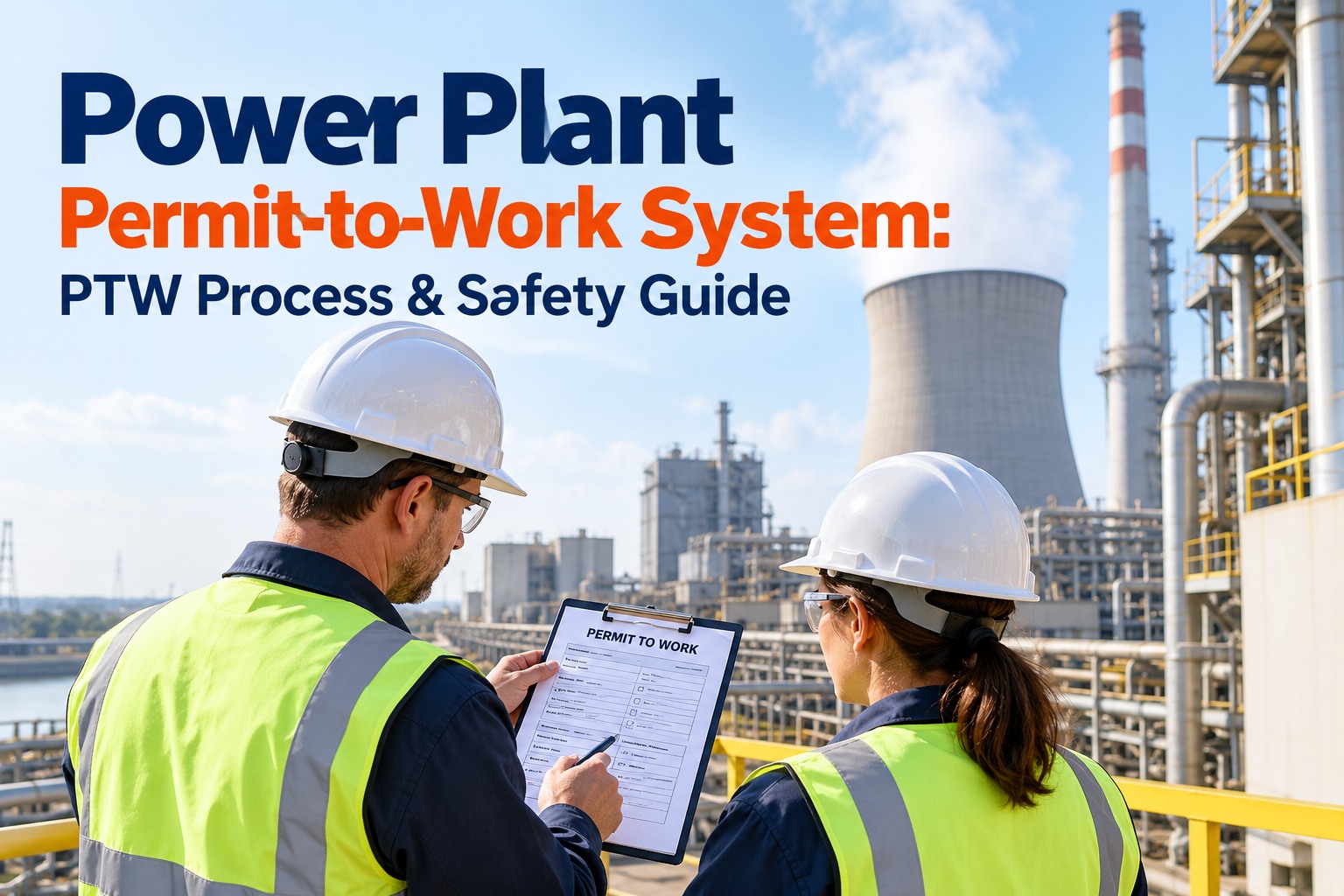
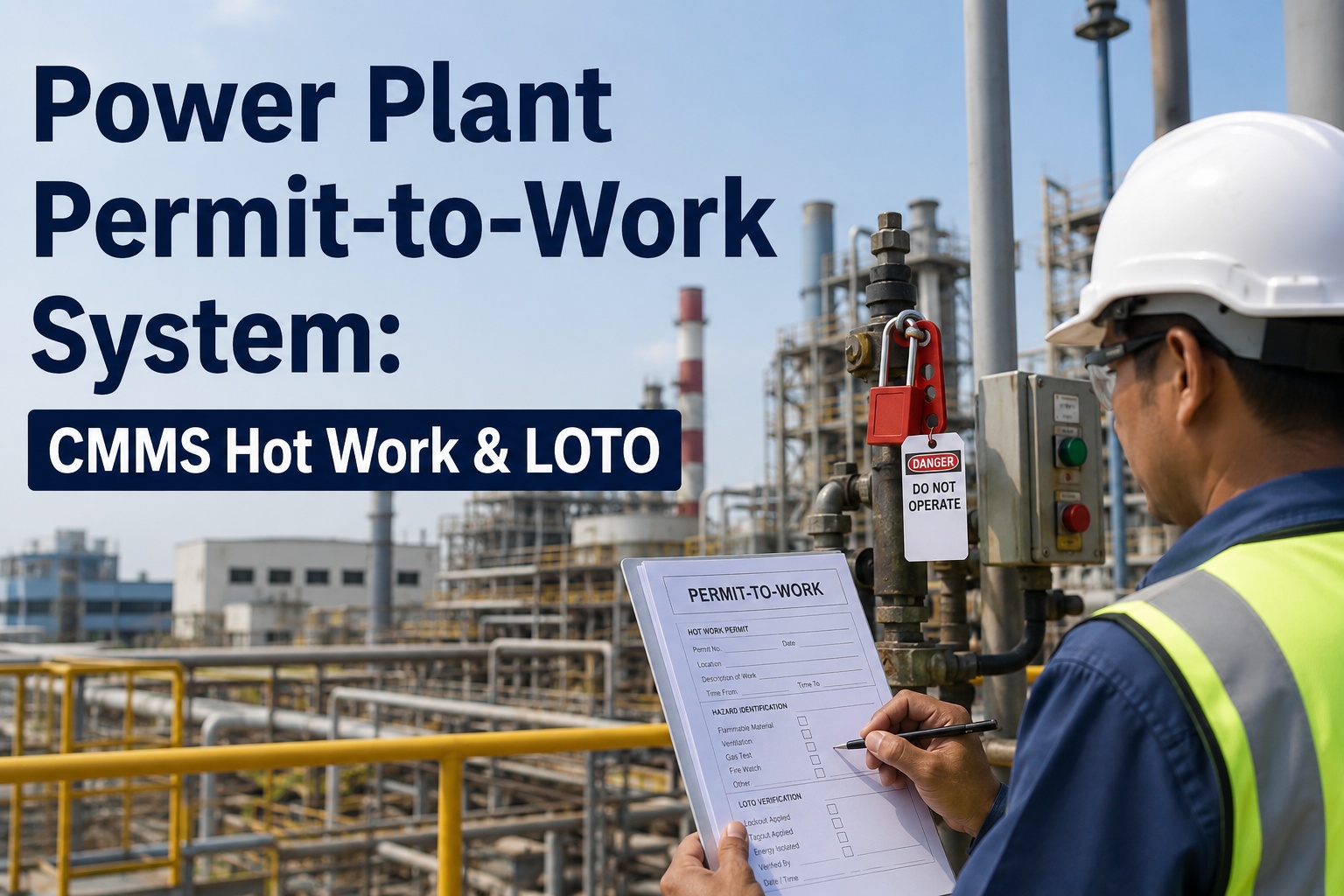
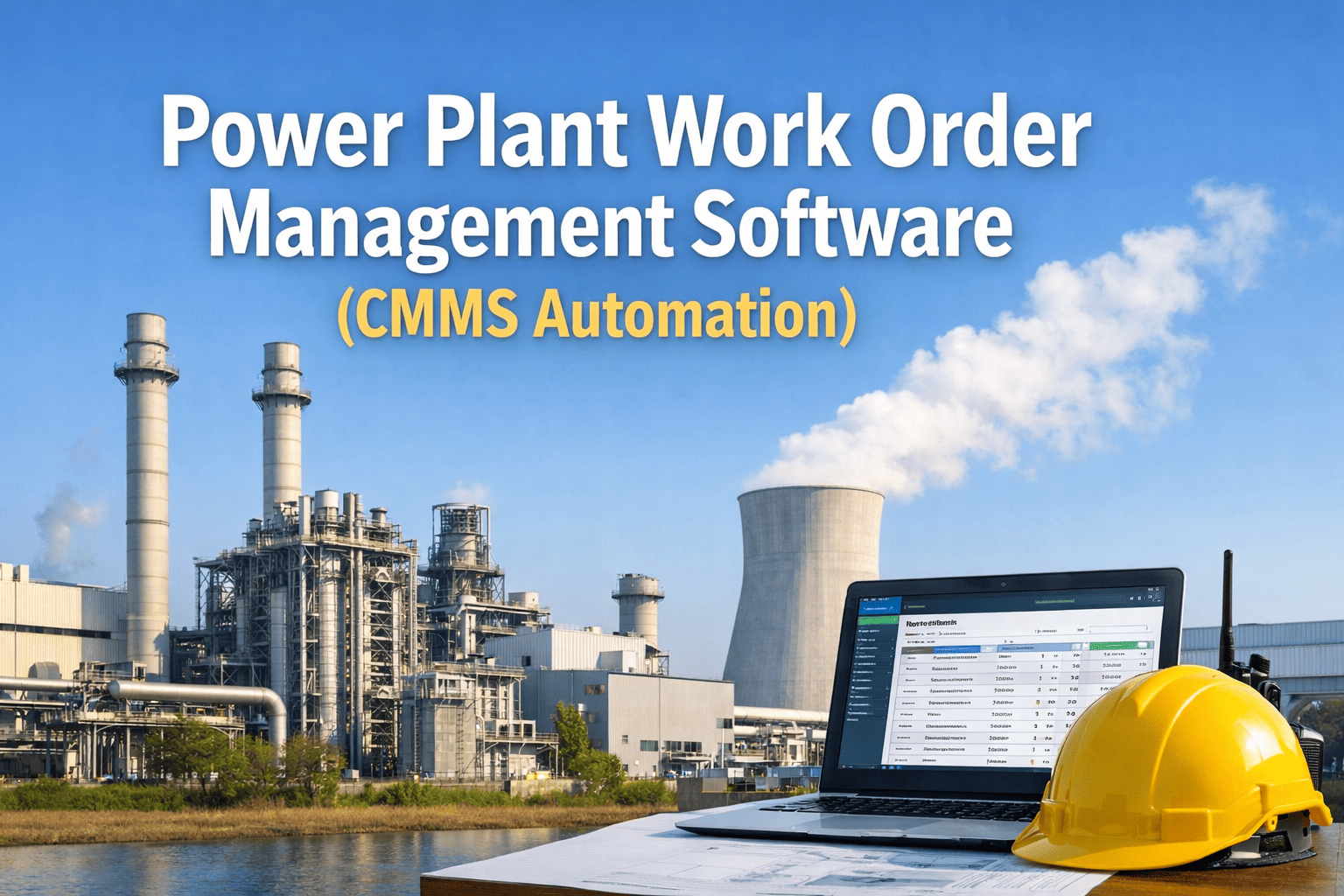
In a power plant, a single ignored near-miss report, an expired work permit signed off under pressure, or an environmental exceedance that nobody logged can escalate into a regulatory violation, a serious injury, or a public incident within hours. Oxmaint's EHS management platform gives power plant safety teams a unified, mobile-ready system to manage permit-to-work workflows, incident reporting, safety audits, LOTO procedures, and environmental compliance tracking — so every hazard is visible, every permit is defensible, and every regulatory deadline is met before the inspector asks.
The Safety Stakes Are Higher in Power Generation
86%
reduction in total recordable injury rate reported by organizations that fully digitized their EHS incident workflows
40+
paper-based EHS processes typically automated when a digital platform replaces manual systems in a single facility
15%
of all industrial workplace fatalities are machinery-related — power plants sit at the highest-risk end of this category
78%
average incident rate reduction achieved by facilities that moved from paper logs to structured digital incident management
Power plants operate high-voltage systems, confined spaces, rotating machinery, pressurized vessels, and hazardous energy sources simultaneously — often with contractor crews who are unfamiliar with site-specific hazards. Managing EHS through spreadsheets, paper forms, and siloed binders does not match the risk profile of the environment.
Five EHS Pillars Every Power Plant Must Manage Digitally
Without Digital PTW
Paper permits get lost, signed without proper isolation verification, or remain open after work is completed. Overlapping permits on shared equipment create simultaneous hazardous energy exposure. Contractor crews start work before permits are authorized.
With Oxmaint
Every permit — hot work, confined space, electrical isolation, work at height — follows a structured digital workflow from request through authorization to closure. Active permits are visible on a live dashboard. Conflicting permits on the same equipment are flagged automatically before work begins.
Without Digital Reporting
Near-misses go unreported because paper forms are cumbersome and workers fear documentation will trigger blame. Incident data lives in siloed spreadsheets. Root cause analysis is never formalized. The same incident recurs in a different shift or at a different unit.
With Oxmaint
Workers report incidents and near-misses in under 30 seconds via mobile — with QR code access, no login required at the point of reporting. Every submission automatically initiates a structured investigation workflow, CAPA record, and closure tracking with time-stamp evidence for regulatory submissions.
Without Digital LOTO
Isolation point lists live in paper procedure binders that are out of date or not available at the point of work. Technicians improvise isolation sequences on complex multi-energy systems. OSHA 1910.147 compliance is not verifiable after the fact because no electronic record exists.
With Oxmaint
LOTO procedures are stored per asset with step-by-step isolation point checklists that technicians complete on mobile before any maintenance begins. Each step requires a digital sign-off, creating a verifiable, timestamped OSHA 1910.147 compliance record for every maintenance event on every protected asset.
Without Digital Audits
Safety walkthrough findings are recorded on paper, transcribed into spreadsheets, and emailed to supervisors — a process that takes days and ensures nothing urgent gets immediate attention. Repeat findings across audits are invisible because there is no aggregated data.
With Oxmaint
Inspectors conduct audits on mobile with configurable checklists for electrical safety, housekeeping, PPE compliance, fire suppression, and more. Findings trigger immediate corrective action assignments. Trend analysis across all audits reveals repeat deficiencies before they become incidents.
Without Digital Tracking
Emissions monitoring deadlines, waste disposal records, water discharge permit limits, and environmental permit renewal dates are tracked in separate spreadsheets owned by different people. One missed deadline creates a reportable violation that triggers agency scrutiny and potential fines.
With Oxmaint
Environmental obligations — permit expiry dates, monitoring submission windows, discharge log requirements — are tracked as scheduled tasks in Oxmaint with escalating alerts. Records are stored with timestamps and responsible party signatures, giving you audit-ready environmental compliance evidence at any point in time.
See All Five EHS Pillars Working Together in Oxmaint
Most power plants manage these five workflows across three to five disconnected tools — or on paper. Oxmaint brings all of them into one platform, connected to your maintenance work orders and asset records. Start with a free account or see a live walkthrough built around your plant's safety requirements.
The Permit-to-Work Lifecycle — How Oxmaint Controls It End to End
A permit-to-work system is only as strong as its weakest handoff point. Most incidents attributed to PTW failures happen not because the process was wrong, but because a single step was skipped, undocumented, or invisible to the person who needed to see it. Oxmaint enforces every step with digital gates that cannot be bypassed.
1
Request & Hazard Assessment
Work requestor submits permit with task description, equipment involved, and initial hazard identification. Risk score is calculated from pre-configured criteria — determining permit type and required controls automatically.
2
Isolation & LOTO Verification
The asset-specific LOTO procedure is pulled from Oxmaint and linked to the permit. Each isolation point is confirmed and signed off digitally before the permit can advance to authorization. No isolation confirmation — no permit approval.
3
Authorization & Issuance
Permit routes to the designated authorizing officer via mobile notification. Authorization requires digital signature with timestamp and user identity. Any conflict with an existing active permit on the same equipment is flagged before sign-off can proceed.
4
Active Work Monitoring
Live permit dashboard shows every open permit on site — who authorized it, what equipment is under isolation, expiry time, and current status. Supervisors get automatic alerts for permits approaching expiry without completion sign-off from the work team.
5
Closure & De-isolation
Work team confirms task completion on mobile. De-isolation checklist must be completed before permit closure is accepted. Equipment status is automatically updated. Full permit record — every step, every signature, every timestamp — is stored against the asset and retrievable for any regulatory review.
Regulatory Standards Oxmaint Helps You Maintain
EHS Performance Metrics That Matter
TRIR
Total Recordable Incident Rate
The primary benchmark regulators and insurers use to assess your safety program. Oxmaint tracks every recordable incident automatically and calculates TRIR in real time — no end-of-month spreadsheet assembly required.
PTW
Permit Compliance Rate
The percentage of high-risk jobs completed with a fully documented, closed permit. Best-in-class facilities run at 100%. Oxmaint's dashboard shows open, expired, and closed permits in real time across all work areas and shifts.
NMFR
Near-Miss Frequency Rate
A rising near-miss rate is a leading safety indicator — it means your workforce is reporting, which is exactly what you want. A falling rate after an incident spike means reporting has stopped, which is worse. Oxmaint tracks both and trends them by location and work type.
CAPA
Corrective Action Close-Out Rate
Industry data shows facilities using disconnected systems close CAPA at 59% completion rates. Facilities with integrated EHS platforms report rates at 98%. Oxmaint automates CAPA assignment, escalation, and evidence-required closure to close that gap.
Frequently Asked Questions
Does Oxmaint support multiple permit types — hot work, confined space, electrical, and work at height?
Yes.
Oxmaint supports configurable permit templates for any work type — hot work, confined space entry, electrical isolation, work at height, excavation, and more. Each template enforces the specific preconditions, checklist steps, and authorization requirements for that permit type. You can build templates to match your site's existing safety procedures exactly, so the digital system reinforces your current safe work rules rather than replacing them with generic ones.
How does Oxmaint handle contractor workers who are unfamiliar with the platform?
Contractor workers can submit near-miss reports and access assigned permits via QR code on mobile without needing an account or app download.
Oxmaint stores contractor qualification records, trade licenses, and site induction status in the system — and permit authorization can be blocked for contractors whose qualifications have expired. This ensures external crews meet the same safety documentation standard as your own workforce before any high-risk work begins.
Can Oxmaint integrate EHS data with our existing maintenance CMMS workflows?
This is one of Oxmaint's core differentiators. Safety and maintenance are managed in the same platform — so a LOTO permit is linked directly to the maintenance work order it protects, and an incident report on a piece of equipment automatically flags the related asset record for inspection. Most EHS-only tools operate in complete isolation from maintenance data.
Book a demo to see the connected workflow between permit issuance, LOTO procedures, work order execution, and incident tracking in one live view.
How does Oxmaint help with environmental compliance tracking and permit management?
Oxmaint schedules environmental monitoring tasks, permit renewal deadlines, and regulatory submission windows as recurring work orders with escalating alerts. Monitoring records, discharge logs, and emission readings are stored with timestamps and responsible party sign-offs against the relevant environmental permit. When an agency inspector or internal auditor requests records, you retrieve them in minutes with a full audit trail — not hours spent searching email threads and shared drives.
How fast can our safety team get Oxmaint set up for our plant?
Most power plant safety teams are capturing live incidents, running permit workflows, and scheduling safety audits within two to three weeks of starting with
Oxmaint. Permit templates, audit checklists, and LOTO procedures are configured during onboarding to match your existing safe work documents — so your team is not learning a new safety system, they are digitizing the one they already use.
Book a 30-minute session to see a deployment plan scoped to your facility size.
Every Unlogged Near-Miss Is a Future Incident Waiting to Happen
Paper permits, siloed incident forms, and LOTO binders that no one checks are not a safety program — they are a liability waiting to be discovered during the next OSHA inspection or incident investigation. Book a live demo and see how Oxmaint manages your complete EHS workflow in one connected platform — or create a free account and start building your permit templates and incident forms today.