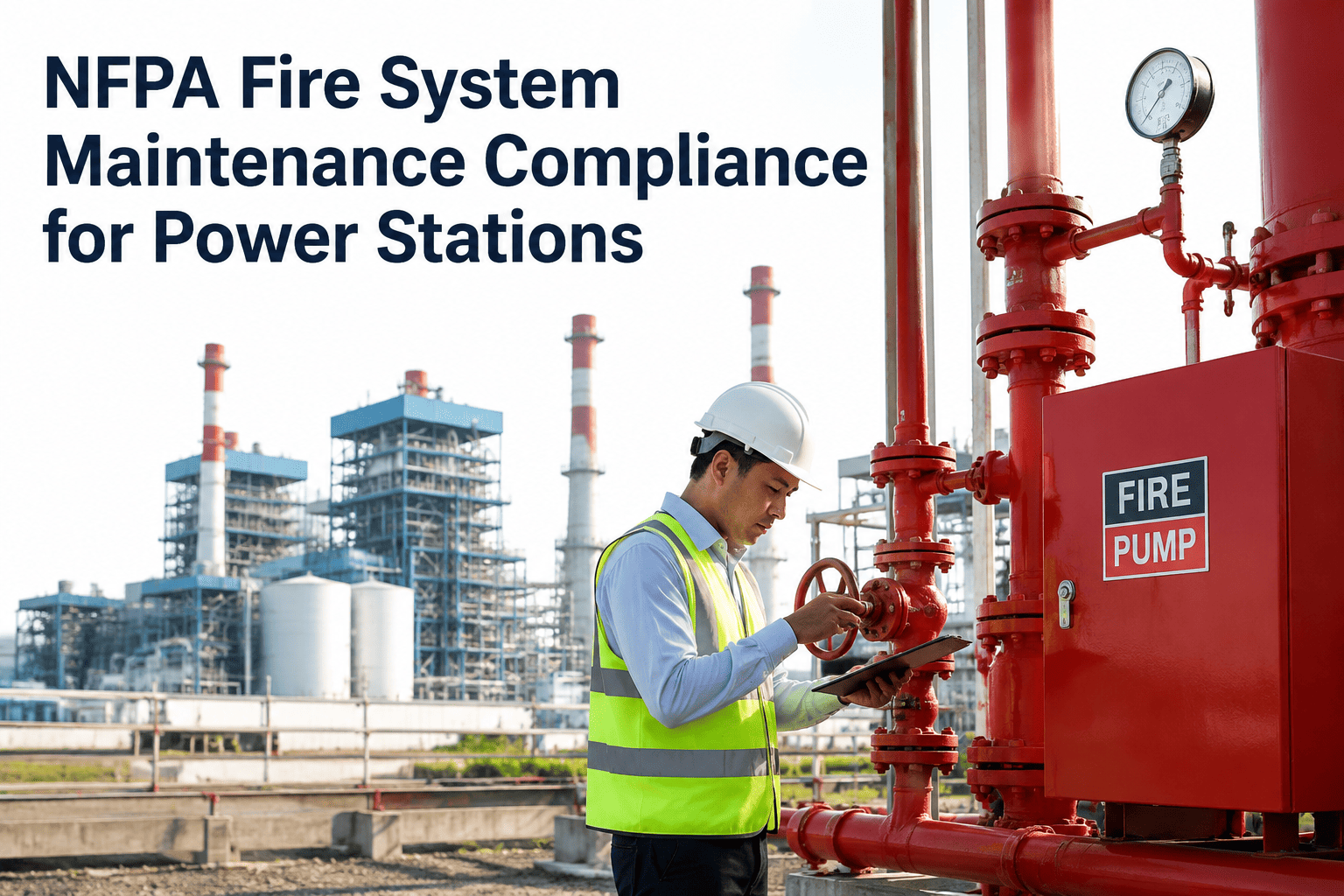
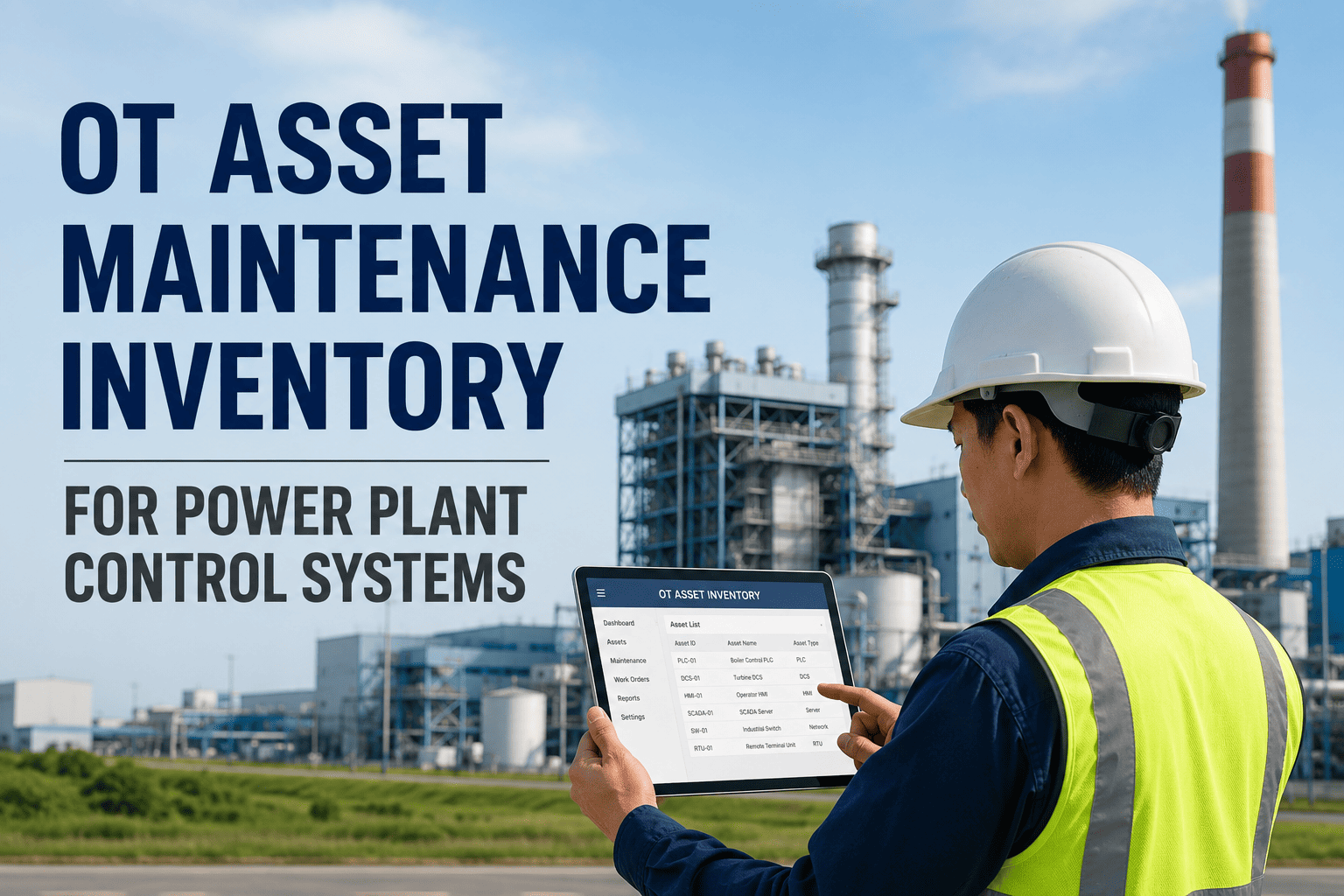
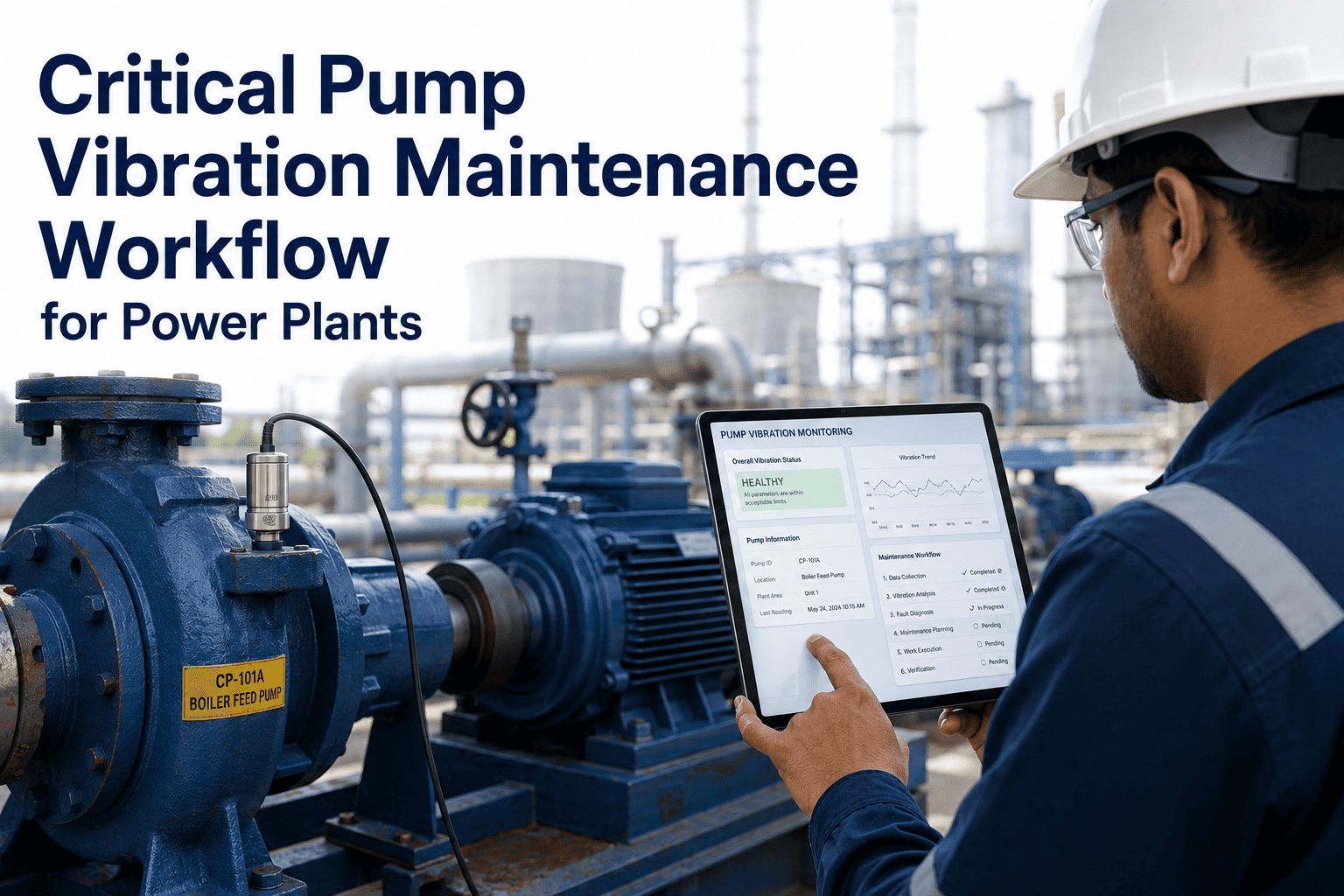
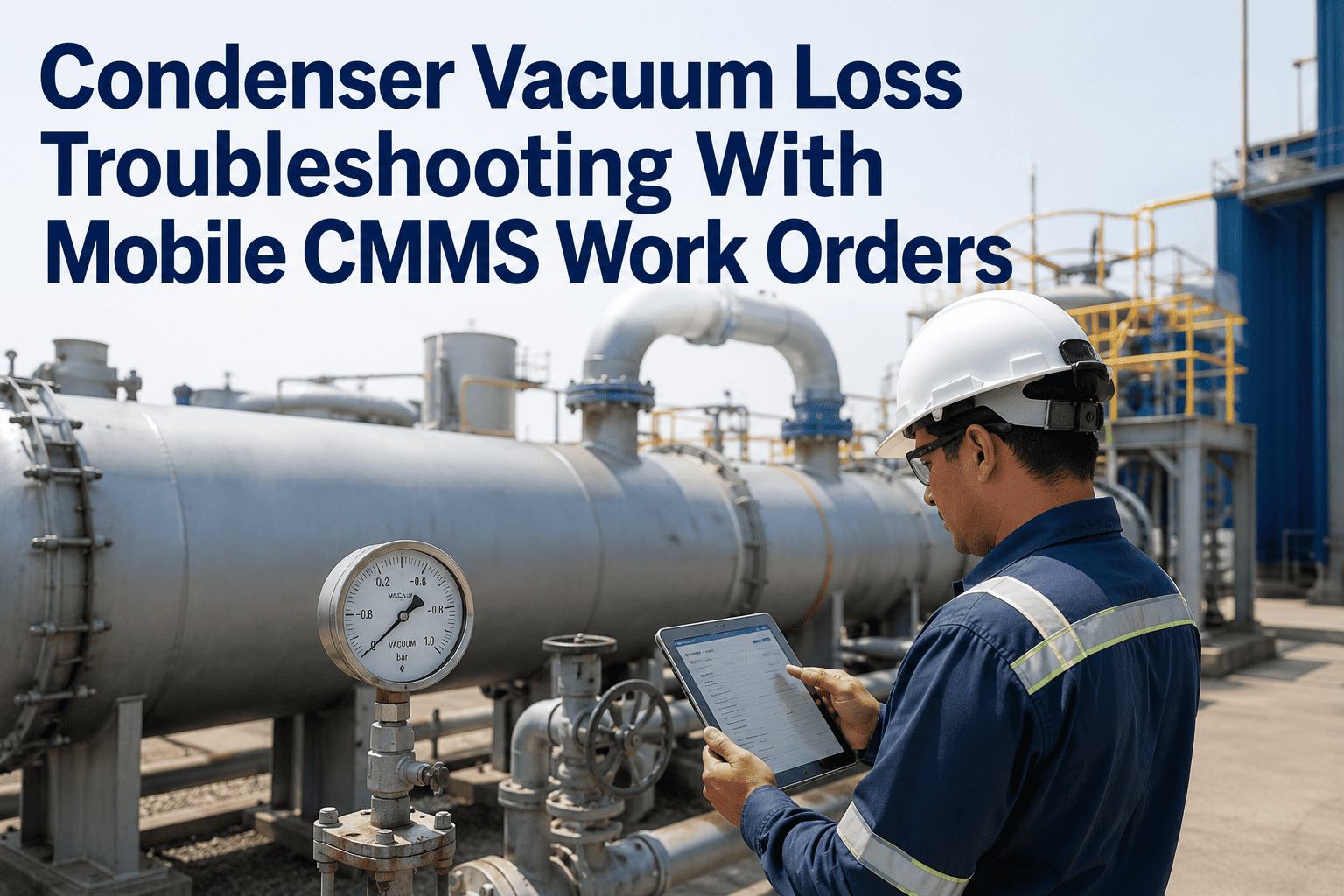
A fire pump that fails to start in a power station emergency is not a maintenance failure — it is a catastrophic safety event. Power stations present one of the highest fire risk profiles of any industrial facility: transformer oil banks holding tens of thousands of litres of mineral oil, hydrogen-cooled generators, cable tunnels carrying high-voltage feeders, and turbine lube oil systems operating at temperatures above auto-ignition threshold. NFPA 25, NFPA 20, and IEC 62271 collectively govern fire suppression system maintenance obligations for power stations, and insurance underwriters increasingly require digital maintenance records as a condition of coverage. Industry data shows that 68 percent of fire pump failures during actual emergencies trace back to missed preventive maintenance tasks that were required under NFPA 25. OxMaint's Preventive Maintenance module automates your entire fire suppression maintenance schedule — weekly churn tests, monthly inspections, quarterly valve checks, and annual flow tests — with digital records that satisfy both NFPA 25 documentation requirements and insurance auditors. Book a demo to see fire pump PM workflows for power stations in OxMaint.
Checklist · Power Station Fire Safety · NFPA 25 / NFPA 20 · Preventive Maintenance
Fire Pump and Suppression System Maintenance for Power Stations
Weekly churn tests, monthly pump room inspections, quarterly control valve checks, and annual flow testing — the complete NFPA 25 maintenance framework structured for transformer bays, turbine halls, cable tunnels, and hydrogen-cooled generator protection systems.
68%
Of fire pump failures during emergencies traced to missed NFPA 25 preventive maintenance tasks
NFPA 25
Standard requiring weekly, monthly, quarterly, and annual fire pump inspection and testing cycles
$47K+
Average NFPA 25 violation penalty per incident when AHJ finds undocumented inspection records
4 Frequencies
Weekly, monthly, quarterly, and annual — all required under NFPA 25 with distinct test scope at each frequency
High-Risk Fire Zones in Power Stations — Suppression System Requirements
CRITICAL RISK
Main Power Transformer Bay
High-velocity water spray (HVWS) or foam-water deluge system
Oil volume up to 80,000 litres — fire in seconds after fault; NFPA 15 water spray application rate minimum 10.2 L/min/m²
CRITICAL RISK
Turbine Hall and Lube Oil System
Wet pipe sprinkler + underfloor deluge detection
Lube oil at 60–80°C — auto-ignition on hot surfaces; spray detection required under turbine floor plates per IEC 62271
HIGH RISK
Cable Tunnel and Tray Areas
Deluge system with linear heat detection or FM-200 in confined tunnels
Cable fire propagation extremely rapid; suppression response window under 90 seconds critical to prevent spread
HIGH RISK
Hydrogen-Cooled Generator
CO2 or FM-200 total flooding — water exclusion required
Hydrogen at explosive concentration in seal oil failure; clean agent only — no water suppression; seal area pre-action system for surrounding structure
MEDIUM RISK
Control Room and Battery Room
FM-200 or Novec 1230 clean agent total flooding
Electronic equipment protection requires agent that leaves no residue; battery rooms require H2 detection integrated with suppression control
MEDIUM RISK
Fuel Oil Storage and Pump Room
Foam-water sprinkler or AFFF deluge system
Diesel and fuel oil spill fire risk; foam application rate per NFPA 11; bund drainage and foam drain capture required
NFPA 25 Inspection Frequency Framework for Power Station Fire Systems
Weekly
Fire pump churn run — 30 minutes minimum no-flow operation
Controller power indicator and transfer switch status
Pump room ambient temperature above minimum (4°C)
Suction and discharge pressure gauge readings recorded
Diesel fuel level and battery charger status for diesel pumps
Monthly
Full pump room inspection — oil level, cooling water, packing glands
Alarm panel reset and test mode operation confirmed
No-flow controller test — automatic start on pressure drop simulation
Bearing temperature measurement during run
Visual inspection of all suction piping, strainer, and OS&Y valve position
Quarterly
All sprinkler and deluge control valves inspected and confirmed open
Supervisory device and tamper switch function test
Sprinkler head visual inspection for damage or corrosion
Water flow alarm test at inspector's test connection
Clean agent system cylinder pressure check vs rated pressure
Annual
Full flow performance test at rated capacity and pressure
Main drain flow test — record static and residual pressure
Internal pipe inspection for MIC corrosion and tuberculation
All detector testing — heat, smoke, and flame detectors per zone
Foam concentrate sample test for quantity and quality
Weekly Churn Test
Fire Pump Weekly Inspection and Churn Test Checklist
The weekly churn test is the most important routine task in the fire pump maintenance programme. Running the pump under no-flow conditions for a minimum of 30 minutes per NFPA 25 Section 8.3.1 confirms that the pump starts reliably on automatic signal, runs without vibration or unusual noise, and that all gauges, pressure-limiting valves, and circulation relief valves are functional. For diesel-driven fire pumps in power stations — which are common as backup to electrically-driven primaries — the test also confirms engine oil pressure, coolant temperature, and battery charge state.
Weekly Fire Pump Checklist
NFPA 25 Sec. 8.3.1 — Every 7 Days
Pump room ambient temperature recorded and above minimum — room temperature measured with calibrated thermometer; minimum 4°C (40°F) required to protect sprinkler heads and pump components from frost damage; if below minimum, heating failure must be rectified before weekly test; temperature reading documented on inspection record
Record: Room temperature on weekly inspection form · Role: Fire Safety Technician
Pre-start static pressures recorded — suction gauge reading (minimum pressure per system design), discharge gauge reading, and casing relief valve set point confirmed before start; unusual pressure deviation from prior week requires investigation before pump run; both gauges verified serviceable — fogged, cracked, or stuck gauges must be replaced
Record: Suction and discharge static pressures · Role: Fire Safety Technician
Pump started in automatic mode — controller placed in automatic/run position; pump started by lowering system pressure below start setpoint using test connection; time from pressure drop to pump start recorded; automatic start must occur within 10 seconds of reaching start setpoint; delayed start requires controller investigation before returning to service
Record: Auto-start confirmed, time-to-start on form · Role: Fire Safety Technician
30-minute no-flow run completed — pump run for minimum 30 minutes; bearing temperature measured at 15 and 30 minutes; no unusual vibration or noise; packing gland drip rate acceptable (one drop per second normal for mechanical packing); diesel pump oil pressure and coolant temperature within normal operating range throughout run
Record: Run duration, bearing temps, vibration notes · Role: Fire Safety Technician
Alarm transmission verified — confirm fire pump running alarm transmitted to building fire alarm control panel and to monitoring centre; controller alarm indication checked and reset after test; any alarm transmission failure requires immediate notification to facility safety officer and monitoring centre; failure documented and corrective action initiated
Record: Alarm transmission confirmed on form · Role: Fire Safety Technician + Monitoring Centre
OxMaint auto-schedules your weekly fire pump churn tests, monthly inspections, quarterly valve checks, and annual flow tests — sending mobile notifications to assigned technicians with digital forms that capture all readings and auto-generate the NFPA 25 audit report.
Annual Flow Test
Annual Fire Pump Performance Test Checklist
The annual performance test is the definitive proof that your fire pump will deliver rated flow at rated pressure when an actual fire event occurs. NFPA 25 Section 8.3.3 requires that the pump be tested at 100% rated flow, 150% rated flow, and churn (0% flow) — three points that together confirm the pump is performing to its original acceptance curve. Any pump delivering less than 95% of rated capacity at rated pressure fails the performance test and must be repaired or replaced before the test can be accepted. Notify the Authority Having Jurisdiction, local fire department, and building occupants at least 48 hours before test.
Annual Performance Test Checklist
NFPA 25 Sec. 8.3.3 — Annually with AHJ Notification
AHJ notification completed — Authority Having Jurisdiction, local fire department, and facility occupants notified minimum 48 hours before test; downstream suppression system isolation confirmed to prevent accidental discharge during flow test; calibrated flow meter, pressure gauges, and RPM meter confirmed available and within calibration period
Record: AHJ notification confirmation · Role: Facility Safety Manager
Churn point (0% flow) tested first — static suction and discharge pressures recorded before pump start; pump run at shutoff for 5 minutes; churn pressure recorded and compared to nameplate shutoff pressure; acceptable: within 5% of nameplate value; RPM measured and confirmed within 2% of rated speed; pressure-limiting valve operation verified if equipped
Record: Churn pressure, nameplate pressure, RPM · Role: Qualified Fire Pump Technician
Rated flow point (100%) tested — flow increased to rated capacity using calibrated flow meter; suction and discharge pressure recorded at stable flow; net pressure calculated and compared to rated duty point on factory acceptance curve; delivery must be at least 95% of rated net pressure at rated capacity; any shortfall triggers investigation and repair before test acceptance
Record: 100% flow, suction pressure, discharge pressure, net pressure · Role: Qualified Fire Pump Technician
Overload point (150% flow) tested — flow increased to 150% rated capacity; discharge pressure and suction pressure recorded; pump must deliver minimum 65% of rated net pressure at 150% flow per NFPA 20; motor current recorded for electric pump to confirm within service factor limits; diesel engine oil and coolant temperature checked at this maximum load point
Record: 150% flow, pressures, motor current (electric) · Role: Qualified Fire Pump Technician
Test report completed and submitted to OxMaint — all three test points recorded with flow, suction pressure, discharge pressure, net pressure, RPM, and time; results compared to factory acceptance curve and to prior year test results for trend analysis; test report signed by qualified technician and retained in OxMaint asset record with permanent timestamp; results degrading more than 5% from prior year trigger investigation
Record: Full test report in OxMaint asset record · Role: Qualified Fire Pump Technician + Safety Manager
NFPA 25 Documentation Requirements — Power Station Fire Systems
| System / Component |
Required Test |
Frequency |
NFPA Reference |
OxMaint Feature |
| Electric fire pump |
No-flow churn run — 30 min minimum |
Weekly |
NFPA 25 Sec. 8.3.1.2 |
Auto-scheduled weekly WO with mobile form |
| Diesel fire pump |
No-flow churn run — 30 min; fuel, oil, coolant check |
Weekly |
NFPA 25 Sec. 8.3.1.3 |
Diesel-specific PM template in OxMaint |
| Sprinkler control valves |
Visual inspection — confirmed open and supervised |
Quarterly |
NFPA 25 Sec. 13.3.2.2 |
Quarterly inspection route in OxMaint |
| Sprinkler heads |
Visual inspection for damage, corrosion, paint |
Annual |
NFPA 25 Sec. 5.2.1.1 |
Annual inspection checklist per zone |
| Fire pump (all types) |
Full flow performance test at 0%, 100%, 150% rated |
Annual |
NFPA 25 Sec. 8.3.3 |
Annual flow test WO with test curve storage |
| Clean agent systems |
Cylinder pressure and quantity verification |
Semi-annual |
NFPA 2001 / NFPA 12 |
Semi-annual PM with weight/pressure record |
Frequently Asked Questions
How often must fire pumps be tested in a power station under NFPA 25?
NFPA 25 requires weekly no-flow churn tests, monthly controller inspections, quarterly full pump room inspections, and annual flow performance tests at rated, 150% rated, and shutoff conditions. Power stations with diesel backup pumps have additional requirements for fuel quality testing and engine service intervals.
OxMaint auto-generates all four frequency schedules from a single fire pump asset setup.
What happens if a power station fire pump fails the annual performance test?
A pump delivering less than 95% of rated net pressure at rated flow has failed the NFPA 25 performance test and requires repair or replacement before the test can be closed. The AHJ must be notified, an impairment tag placed on the system, and an impairment coordinator designated per NFPA 25 Chapter 15 until the system is restored to full performance.
OxMaint tracks impairment status and notifies stakeholders automatically.
Are transformer bay deluge systems covered by NFPA 25?
Transformer deluge systems are water-spray fixed systems governed by NFPA 25 Chapter 10, which requires quarterly inspections of detection devices and water supply, and annual functional testing of all spray nozzles and deluge valve operation. Many power station policies also require NFPA 15 compliance for design verification during transformer replacements. OxMaint maintains separate PM schedules for transformer bay systems distinct from the main building sprinkler programmes.
How does OxMaint help with NFPA 25 audit documentation for power stations?
OxMaint stores every inspection record, test reading, and technician sign-off against the specific fire system component and generates NFPA 25 compliance reports showing inspection history by system, zone, and frequency tier. When the AHJ or an insurance auditor requests documentation, the report can be exported in under 10 minutes.
Start a free trial to explore the compliance reporting module.
OXMAINT PREVENTIVE MAINTENANCE · POWER STATION FIRE SAFETY
Never Miss a Fire Pump Inspection — Automated, Documented, Audit-Ready
OxMaint auto-schedules every NFPA 25 inspection frequency for your power station fire systems — from weekly churn tests to annual flow tests — with digital forms, automatic escalation for overdue tasks, and instant audit report export for AHJ and insurance reviews.