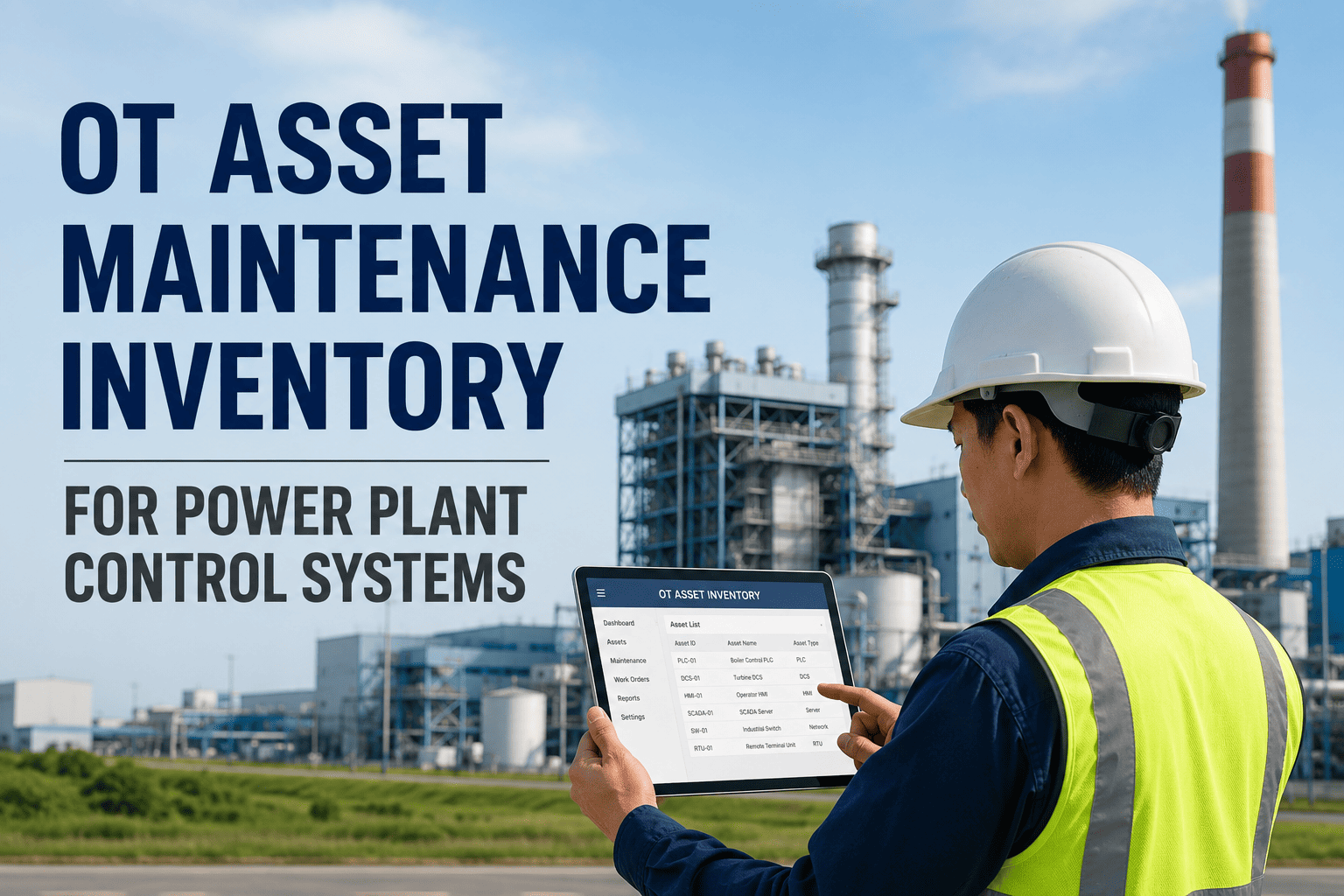
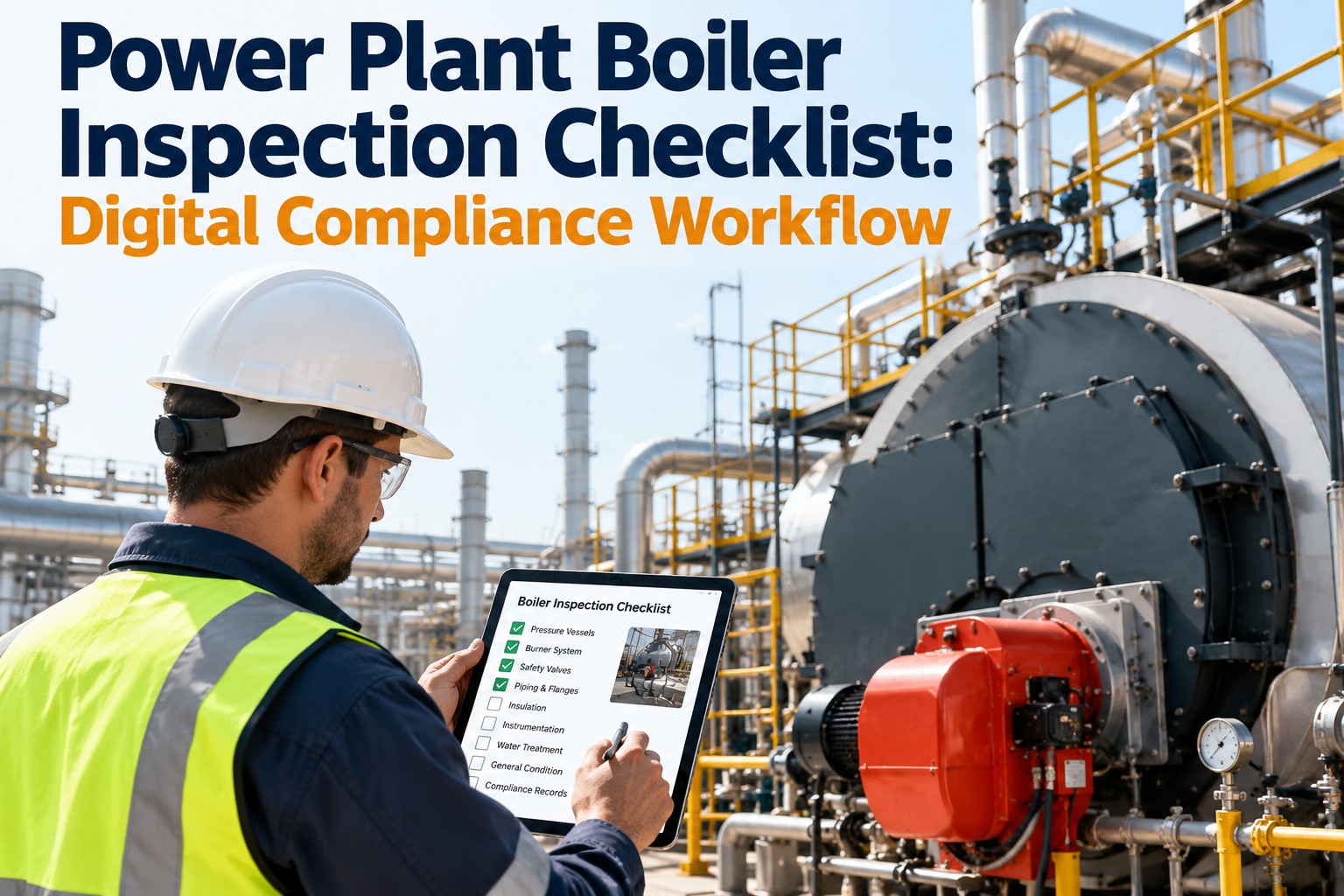
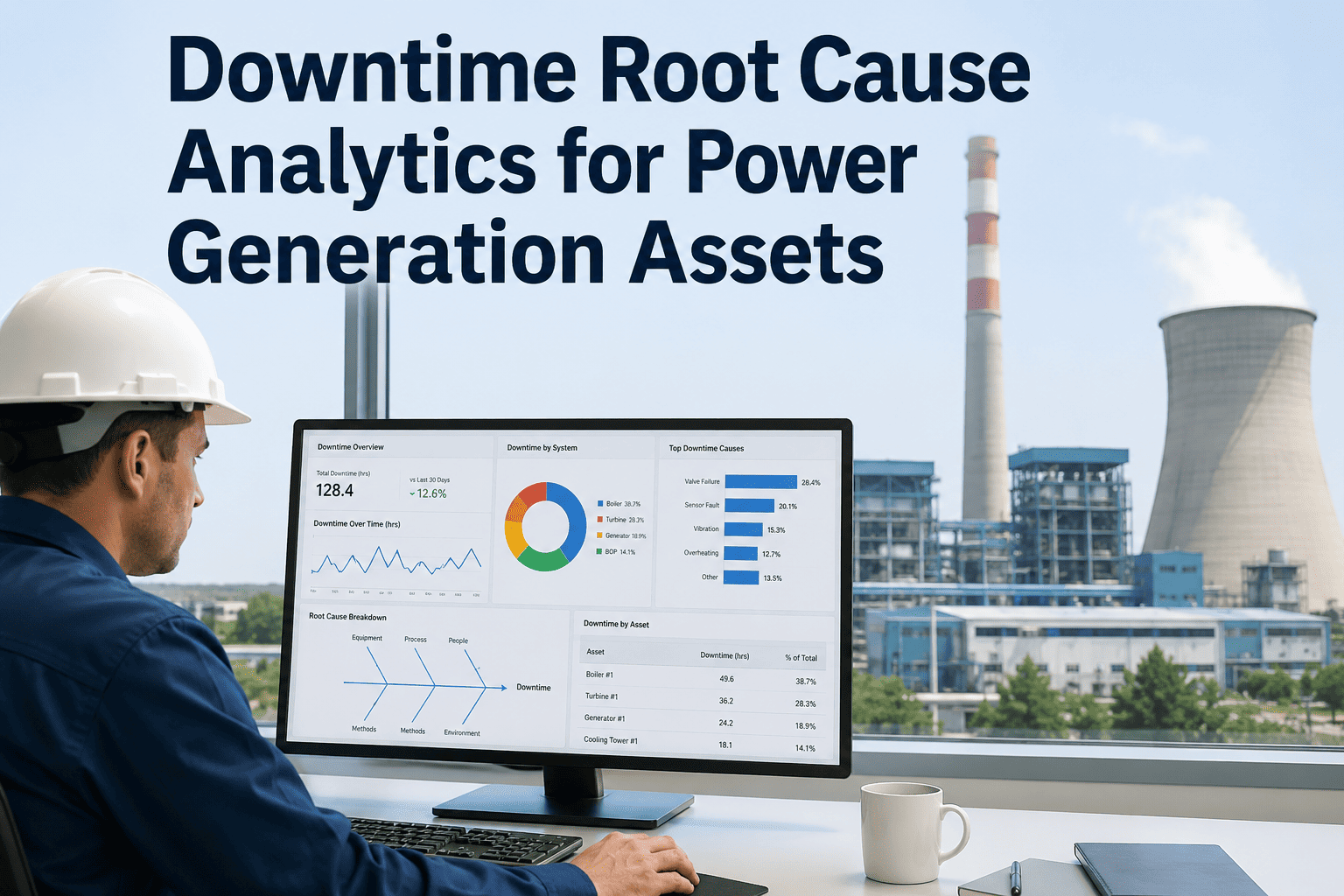
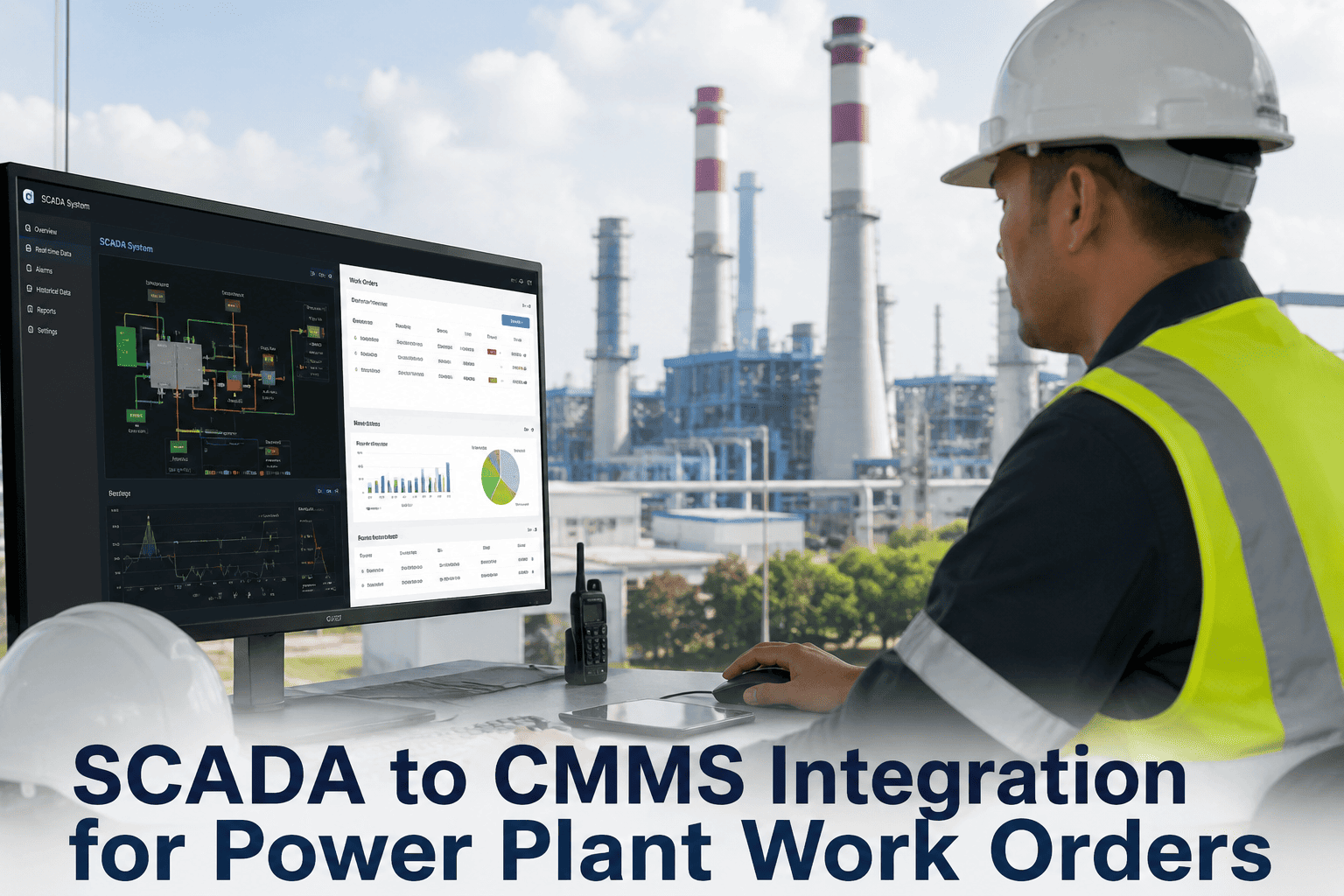
Power plant control systems — distributed control systems, programmable logic controllers, safety instrumented systems, and the network infrastructure tying them together — represent billions of dollars in installed equipment that determines whether your plant runs, trips, or causes a reportable incident. Yet most facilities manage this inventory in aging spreadsheets that have no connection to maintenance history, spare parts stock, or calibration due dates. A purpose-built OT asset maintenance inventory closes that gap, giving operations teams real-time visibility into asset condition, compliance status, and upcoming maintenance obligations for every device on the control network. OxMaint's asset management module tracks the full lifecycle of every OT asset — from commissioning record to decommissioning — across every unit, switchgear room, and substatio in your facility. Start your free trial and build your complete OT asset inventory in days, not months.
OT Asset Management · Power Generation · 2025
OT Asset Maintenance Inventory for Power Plant Control Systems
Every DCS controller, PLC rack, and safety relay in your plant deserves a complete maintenance record. One platform. Every asset. Zero gaps.
Asset Visibility
After OxMaint
PM Compliance
After OxMaint
Operational visibility and PM compliance improvements reported by OxMaint customers
Asset Scope
What Belongs in a Power Plant OT Asset Maintenance Inventory
OT asset inventories that only list the primary control systems miss the full picture. A complete inventory captures every device that touches the control network — including field instruments, communication gateways, and serial converters that are routinely overlooked until they cause a trip. The following categories represent the minimum scope for a defensible OT maintenance inventory in a power generation facility.
Control Layer
DCS controllers and I/O modules
PLC racks and processor cards
Safety instrumented system logic solvers
Turbine control units
Protection Layer
Numerical protective relays
Bus protection panels
Generator protection systems
Auto-reclosers and sectionalizers
Network Layer
Industrial managed switches
OT firewalls and data diodes
Serial-to-Ethernet converters
Communication gateways and routers
HMI and SCADA Layer
Operator workstations and HMI panels
Historian servers
Engineering workstations
Remote access infrastructure
Asset Record Structure
Every OT Asset Record Should Contain These Five Layers
A bare-bones asset register with only tag number and manufacturer creates a false sense of inventory completeness. A maintenance-ready OT asset record links nameplate data, maintenance history, configuration baseline, spare parts, and compliance obligations into a single accessible view. Here is what each layer adds to your operational picture.
1
Nameplate and Identity Data
Manufacturer, model, serial number, firmware version, install date, physical location, network address, and NERC CIP classification. This is the foundation that every other record layer references.
Asset ID
Firmware Baseline
CIP Classification
2
Maintenance and Work Order History
All preventive maintenance completions, corrective work orders, inspections, and failures linked directly to the asset. Engineers see a complete maintenance timeline without searching multiple systems.
PM History
Failure Records
MTBF Trends
3
Configuration and Change Log
Every firmware update, setting change, and software modification linked to the asset record with timestamps, approvals, and pre-change baselines. Enables instant rollback context during troubleshooting.
Change History
Approval Chain
Baseline Versions
4
Spare Parts and Replacement Cross-Reference
Compatible spare modules, cross-reference numbers, current stock levels, and lead times linked to the asset. When a controller card fails at 2 AM, technicians see immediately whether the spare is on the shelf.
Spare Parts
Stock Levels
Lead Times
5
Compliance and Calibration Obligations
Upcoming calibration due dates, PM schedules, NERC CIP review cycles, and regulatory deadlines attached to each asset. Nothing falls through the cracks because the compliance calendar is embedded in the asset record itself.
Calibration Due
PM Schedule
NERC CIP Cycle
Asset Management · OT Inventory · Free Trial
Every Control System Asset. Complete History. One Platform.
OxMaint builds the five-layer OT asset record your operations team needs — nameplate data, maintenance history, change logs, spare parts, and compliance obligations — all linked and searchable from any device in the plant or the office.
Operational Impact
What a Complete OT Asset Inventory Changes in Daily Operations
The value of a structured OT asset inventory is not visible on the day you build it. It surfaces during a forced outage at midnight, during a NERC CIP audit, or when planning a major overhaul and realizing you cannot identify which firmware versions are installed across thirty PLCs. These are the daily operational improvements that a complete inventory delivers.
Before OxMaint
Technician spends 45 minutes calling multiple people to find out if a spare DCS I/O card is in stock before starting corrective maintenance.
→
After OxMaint
Spare part availability, compatible part numbers, and bin location appear on the work order automatically when the asset is selected.
Before OxMaint
NERC CIP auditor requests a list of all BES Cyber Systems with firmware versions. Preparation takes two to three days of manual spreadsheet assembly.
→
After OxMaint
Asset inventory filtered by CIP classification and exported as a formatted report in under five minutes, including firmware baseline for each device.
Before OxMaint
Outage planning team cannot determine which PLC firmware versions need updates during the next scheduled outage without manually auditing each panel.
→
After OxMaint
Dashboard shows all assets with firmware below target baseline, sortable by unit and criticality, with direct link to create outage work orders.
Frequently Asked Questions
Questions About OT Asset Inventory Management in Power Plants
How is an OT asset inventory different from a standard equipment register or CMDB?
A standard equipment register captures physical nameplate data. A CMDB tracks IT configuration items. An OT asset maintenance inventory combines both: physical identity, network and firmware configuration, maintenance history, and compliance obligations in one record. The maintenance layer is what separates an operational inventory from a simple list.
See how OxMaint structures OT asset records.
Can existing asset data from spreadsheets or ERP systems be imported into OxMaint?
Yes. OxMaint supports CSV bulk import for asset records including tag numbers, location data, manufacturer information, and maintenance schedules. API connections are available for organizations needing ongoing synchronization with SAP, Oracle, or other ERP platforms.
Discuss your data migration requirements in a demo.
How does OxMaint handle assets that span multiple units or shared systems like plant-wide networks?
OxMaint supports flexible location hierarchies and asset-to-asset relationships. A shared OT network switch can be associated with multiple units while maintaining a single asset record. Maintenance activities on shared assets are visible in the maintenance history of each associated unit.
Does OxMaint support NERC CIP asset classification fields in the asset record?
Yes. Asset records include configurable fields for BES Cyber System classification (high, medium, low impact) and Electronic Security Perimeter assignment. These classifications drive automated compliance task generation and filter inclusion in CIP audit reports.
Start building your CIP-compliant asset inventory.
How do we keep the OT asset inventory accurate as assets are replaced or upgraded over time?
OxMaint maintains a full asset lifecycle record. When an asset is replaced, the old record is archived with full history intact and a new record created for the replacement. Upgrade work orders automatically prompt for firmware and configuration updates to keep the inventory current without manual reconciliation cycles.
Power Plant CMMS · OT Asset Management · Free Trial
Your Control Systems Are Your Plant. Know Every One of Them — Completely.
OxMaint turns a disconnected collection of spreadsheets, PDFs, and tribal knowledge into a living OT asset inventory where every control system has a complete maintenance record, compliance status, and spare parts profile. Start with your highest-criticality assets and expand at your own pace.