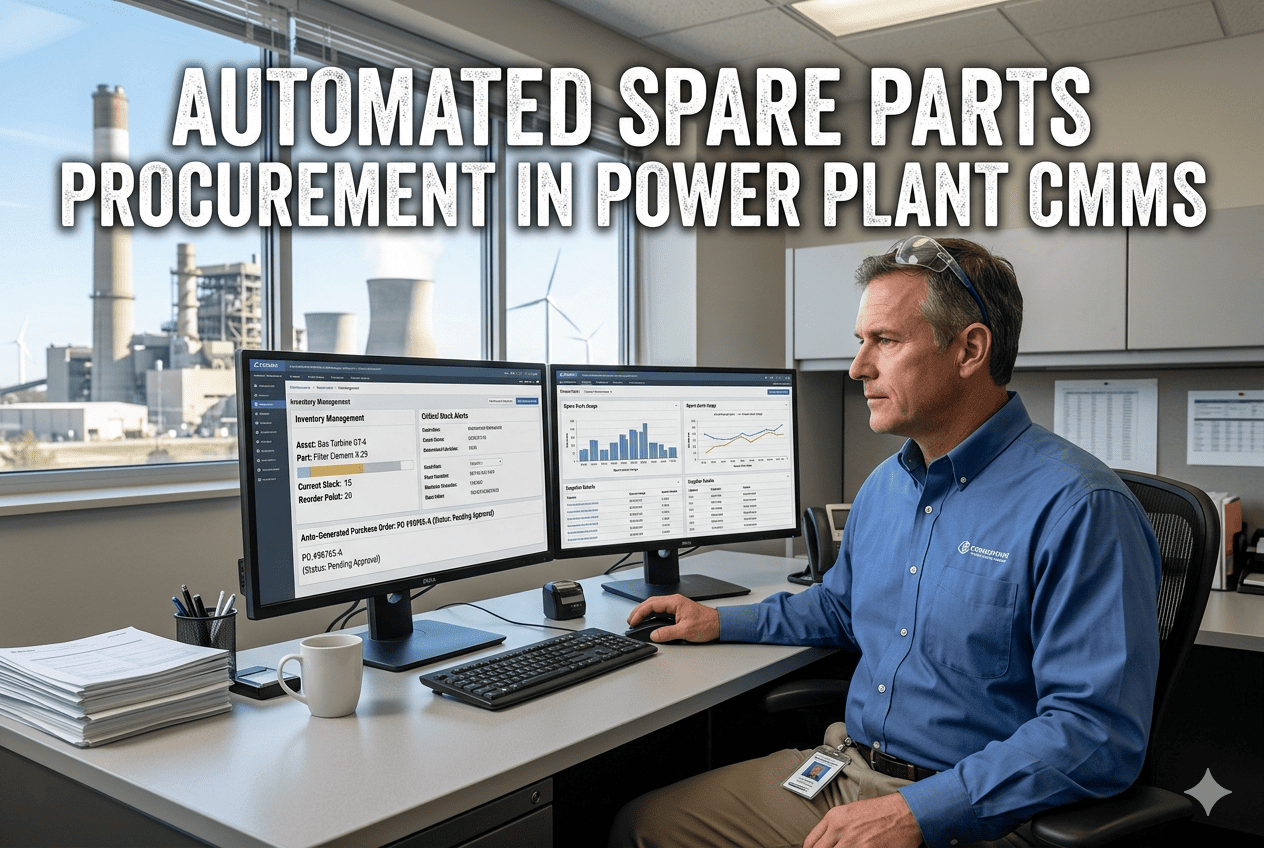
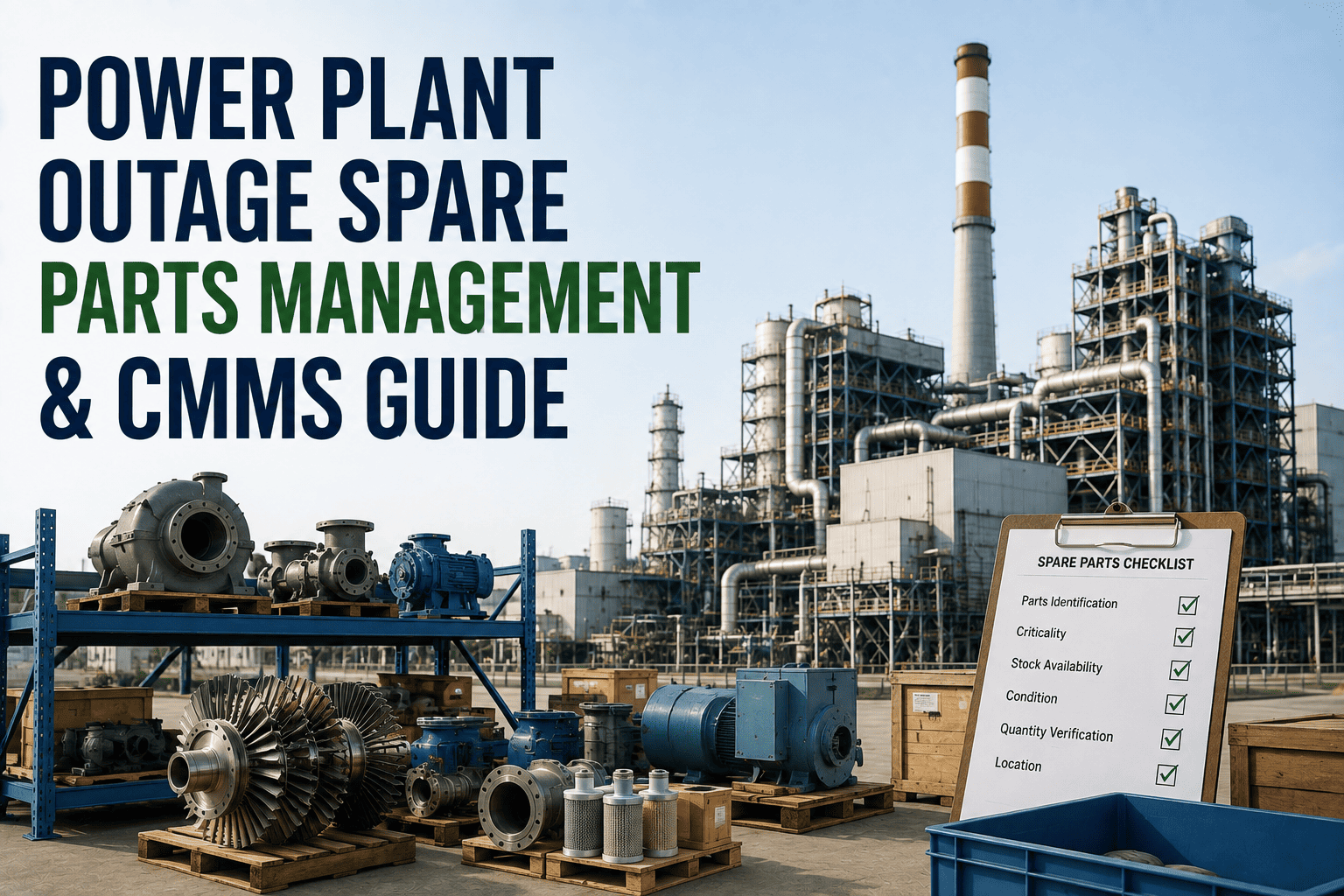
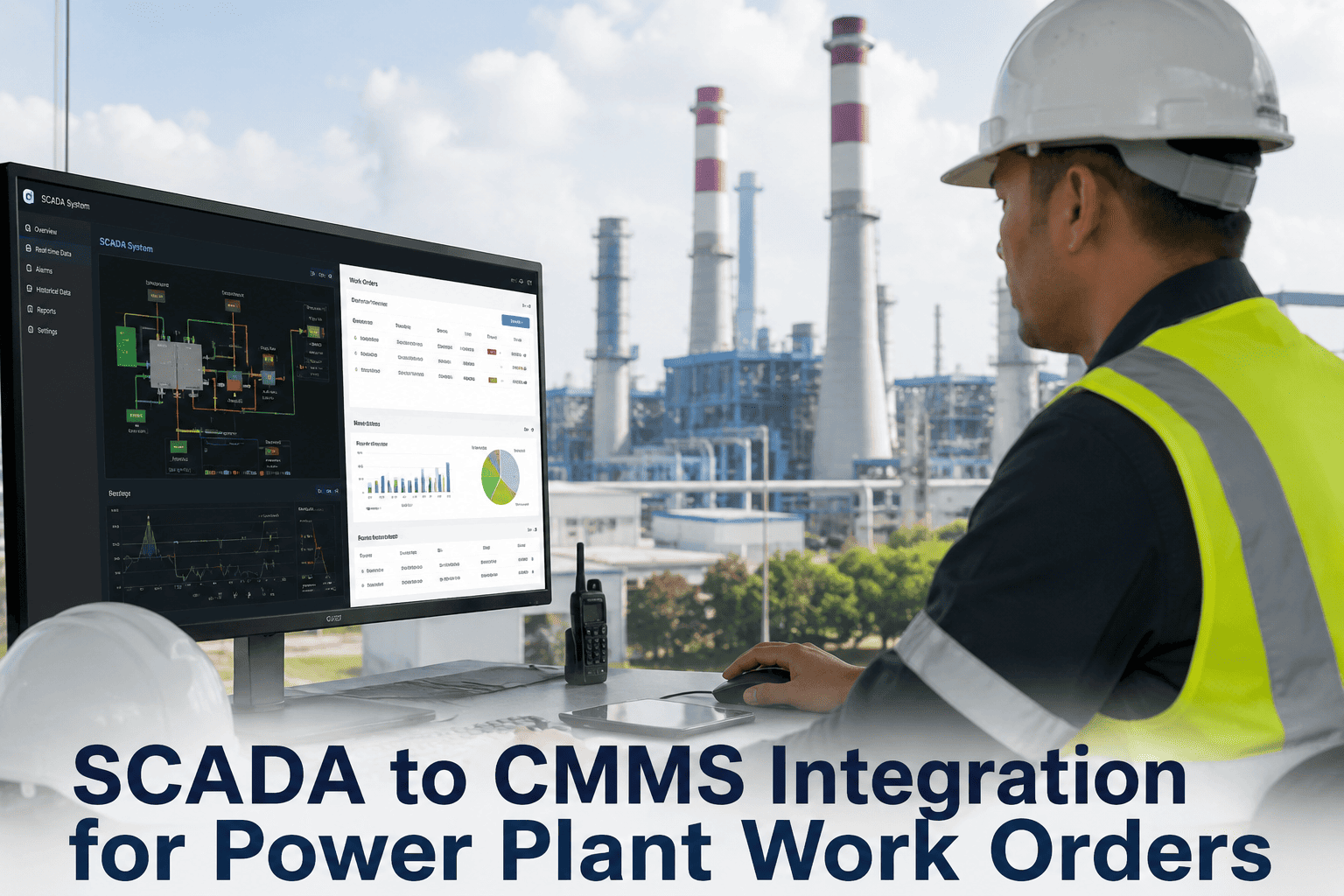
Every unplanned shutdown that drags past its first hour is usually a parts problem — not a failure problem. When critical stock runs dry, your maintenance crew is grounded, emergency freight costs spike, and the clock keeps running on lost generation revenue. Asset-heavy power plants still routing spare parts requests through email threads and manual purchase orders are leaving real money on the table. Oxmaint CMMS closes that gap by connecting your inventory thresholds directly to your procurement workflow — auto-generating purchase orders the moment stock falls below reorder points, no manual intervention required. If you'd rather see it live first, book a 30-minute demo with our team.
47%
of unplanned downtime traced to parts unavailability
3–5×
higher cost for emergency vs. planned procurement
$280K
average annual savings per plant after procurement automation
92%
reduction in stockout events at 12 months post-deployment
The Core Problem
Why Manual Spare Parts Procurement Breaks Down in Power Plants
Power plant maintenance stores carry thousands of SKUs — bearings, seals, gaskets, control modules, relay boards, valve actuators — each with its own lead time, criticality tier, and reorder logic. Managing that inventory manually means someone must remember to check the shelf, raise a requisition, get approval, send a PO, and track delivery. In practice, that chain breaks constantly.
01
Parts Discovered Missing at Job Start
Technicians pull a work order, walk to the storeroom, and find zero stock. The job stops. An emergency order goes out at 3–5× the planned unit price. Downtime accumulates while freight catches up to the schedule.
02
Procurement Lead Times Ignored in Planning
Calendar-based PM schedules don't communicate parts requirements to procurement in advance. Long-lead components — turbine seals, specialized bearings, OEM control parts — get ordered after the maintenance window opens, not before it.
03
Approval Chains That Outlast the Urgency
Manual requisitions route through 3–5 approval levels before a PO reaches a vendor. For routine replenishment, that cycle takes days. For critical spares needed this shift, the process simply doesn't work at the required speed.
04
Over-Stocking of Non-Critical Parts
Without consumption-based reorder logic, stores overstock easy-to-remember parts and understock the components that actually fail. Tied-up capital in slow-moving inventory masks stockout risk on the items that matter most.
How It Works
CMMS-Driven Procurement: From Inventory Alert to Purchase Order
Procurement automation in a CMMS isn't a separate module — it's an extension of the same asset and work order data your team already captures. Here's how the loop closes automatically.
1
Part Consumed on Work Order Closure
When a technician closes a work order and logs parts used, the CMMS updates on-hand quantity in real time. No manual bin count. No spreadsheet reconciliation.
2
Reorder Point Threshold Triggered
When on-hand quantity drops to or below the configured reorder point, the system flags the part automatically — no manual review required. Thresholds are set by criticality class and historical consumption rate.
3
Purchase Order Auto-Generated
A draft PO is created with the preferred vendor, reorder quantity, and delivery address pre-populated from the parts master record. The approver receives a notification — not a blank requisition form.
4
One-Click Approval and Vendor Dispatch
Approvers review and confirm from desktop or mobile. Critical-tier parts bypass standard approval routing for direct dispatch to vendor. The PO timestamp, approver identity, and vendor confirmation are captured automatically.
5
Receipt Logged, Inventory Updated
When parts arrive, the receiving technician logs receipt against the open PO. On-hand quantity updates instantly. The asset's spare parts availability score adjusts accordingly — and the cycle repeats.
Stop Discovering Stockouts at Job Start
Oxmaint connects your inventory thresholds directly to automated PO generation — so your storeroom replenishes itself before your next PM window opens. Deployments are live in 8–12 weeks.
Platform Capabilities
What Automated Procurement Inside a CMMS Actually Looks Like
The capabilities below are built into Oxmaint's maintenance platform — not bolted on as an add-on module. Every feature operates from the same parts master, work order, and asset hierarchy data your team uses daily.
Consumption-Based Reorder Logic
Reorder points calculated from rolling 12-month consumption history, not guesswork. High-turn parts reorder earlier; slow-moving spares hold smaller safety stock. The system recalibrates quarterly as usage patterns shift.
Lead Time Awareness by Part Class
Parts with 8–12 week OEM lead times trigger reorder alerts earlier than off-the-shelf bearings. Lead time parameters are set per vendor and part number — so procurement happens before the maintenance window, not during it.
Preferred Vendor and Pricing Records
Primary and secondary vendors are attached to each part record with negotiated unit pricing. Auto-generated POs use the primary vendor by default, and escalate to secondary if response time exceeds threshold — no manual vendor lookup.
Criticality-Tiered Approval Routing
Tier-1 critical spares bypass multi-level approval for direct dispatch. Tier-2 and Tier-3 parts route through standard procurement sign-off. Critical path items never wait in an inbox queue while a turbine sits idle.
Work Order Parts Reservation
When a planned work order is created 30, 14, or 7 days in advance, required parts are soft-reserved in inventory. If reserved stock would drop below safety threshold, a procurement alert fires immediately — not the night before the job.
Spend and Inventory Analytics
Parts spend by asset class, vendor fill rate, average lead time actuals vs. targets, and stockout frequency — all visible from the maintenance analytics dashboard without manual reporting. Evidence for budget justification built automatically.
Performance Data
Before and After: Procurement Automation Benchmarks
The following figures reflect power generation facilities that transitioned from manual, email-based spare parts procurement to CMMS-driven automated PO generation over a 12–18 month period.
| Metric |
Manual Process |
With CMMS Automation |
| Stockout events per year |
28–42 per plant |
2–4 per plant |
| Emergency PO premium cost |
18–24% of parts budget |
Under 4% of parts budget |
| Average PO cycle time |
4–7 business days |
Under 4 hours for critical parts |
| Storeroom carrying cost |
Overstocked: 22–28% of inventory value idle |
12–15% idle — right-sized by class |
| Parts-related maintenance delays |
34% of planned jobs delayed |
Under 6% of planned jobs delayed |
| Procurement staff time on admin |
60–70% on manual requisition handling |
Under 20% — focus shifts to vendor management |
$280K
Average annual savings from eliminated emergency freight and reduced stockout downtime
92%
Reduction in stockout events within 12 months of CMMS procurement automation deployment
6 weeks
Typical payback period from first prevented emergency procurement event alone
Frequently Asked Questions
Spare Parts Procurement Automation: Common Questions
Your Storeroom Should Replenish Itself. Now It Can.
Oxmaint CMMS connects inventory thresholds, work order parts consumption, and procurement workflows into a single automated loop — so your maintenance team spends time fixing assets, not chasing purchase orders. Live in under 12 weeks, no ERP replacement required.