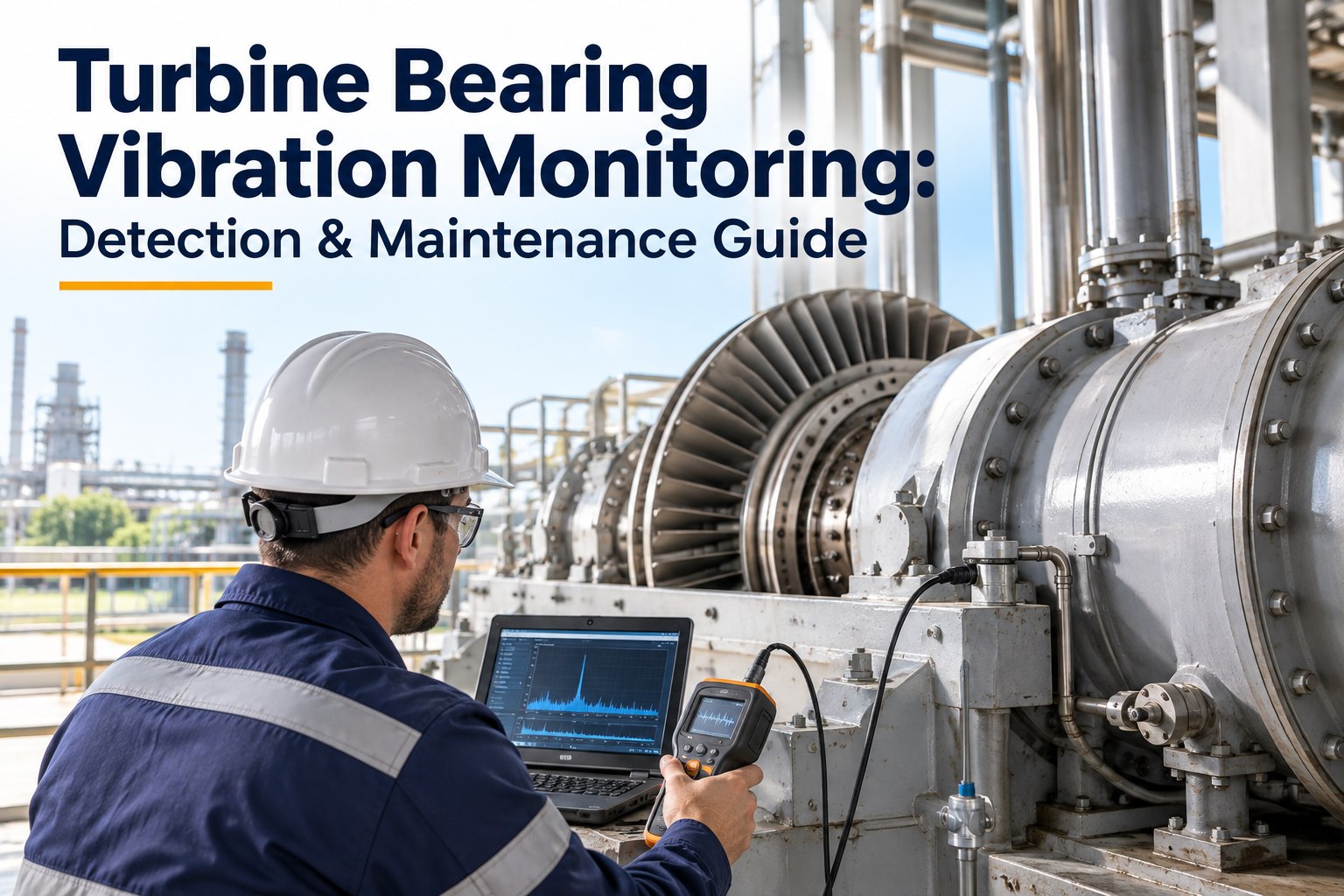
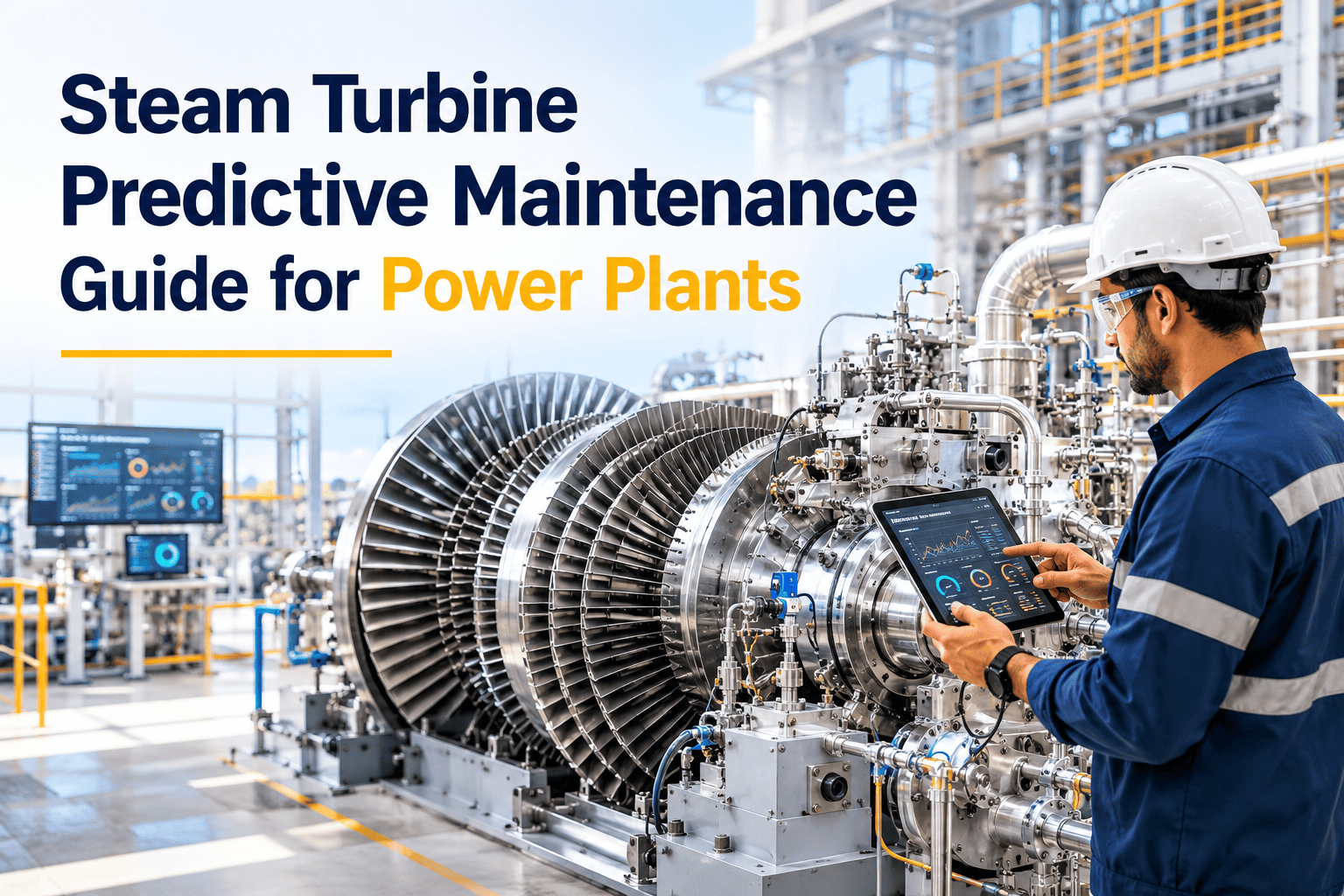
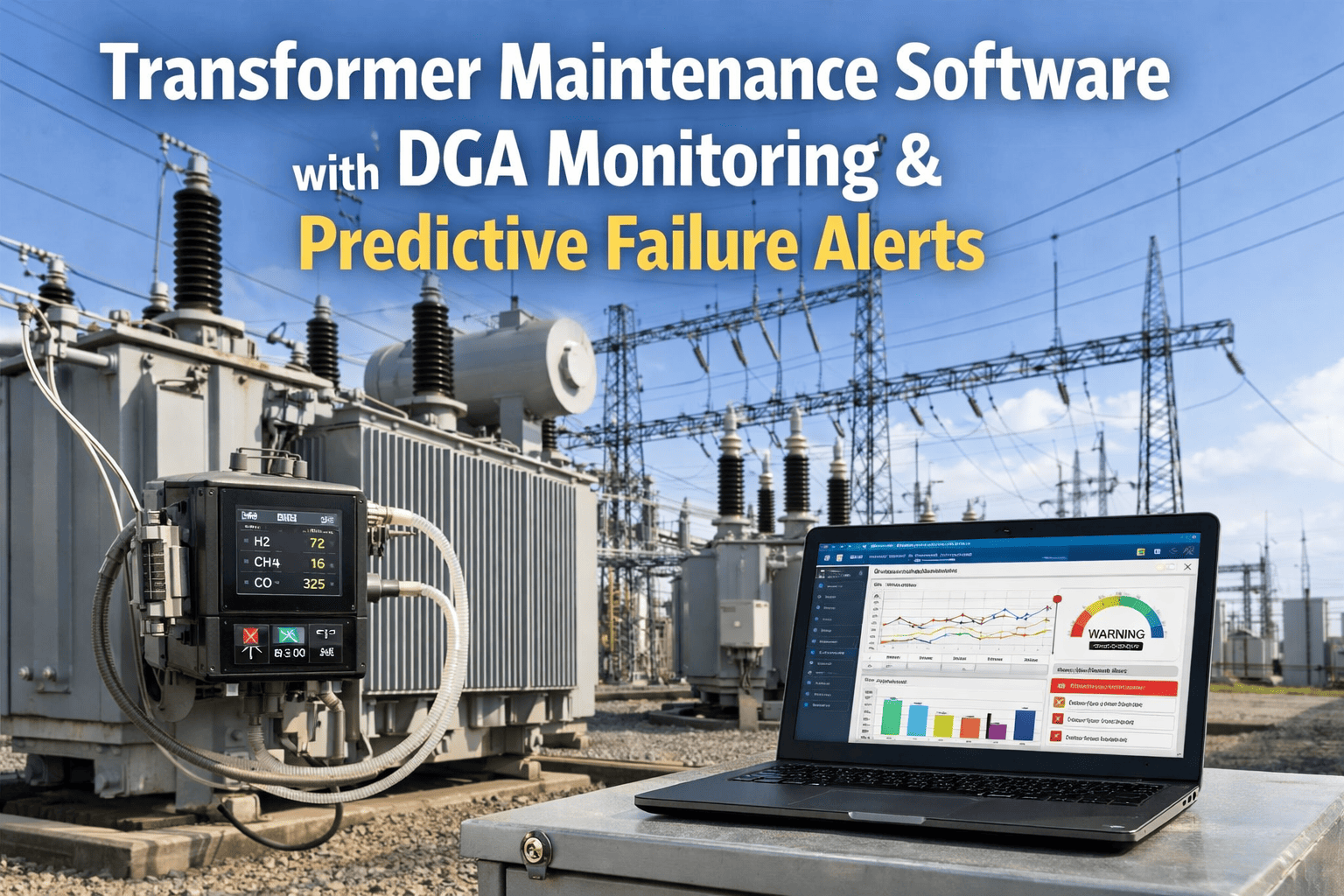
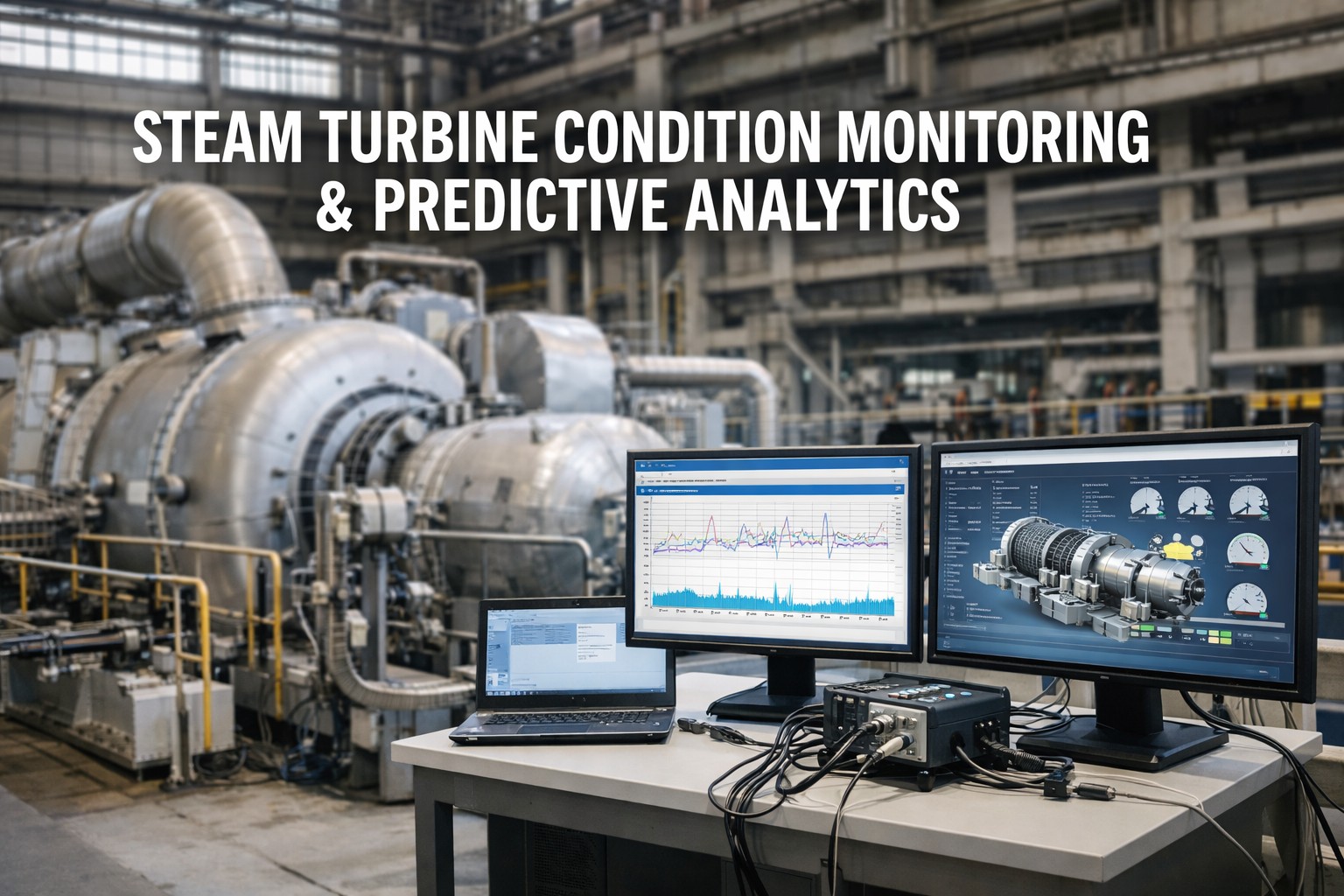
Turbines are the highest-value, highest-risk assets in power generation — and the hardest to maintain on a fixed schedule. A single unplanned gas turbine failure costs $500K to $2M in direct losses, and the average utility experiences multiple turbine-related forced outages every year. The problem isn't that turbines fail without warning — it's that the warning signs appear weeks before failure in vibration patterns, bearing temperatures, and blade performance data that traditional alarm systems are never configured to catch. AI-powered turbine predictive maintenance changes that: continuous monitoring from shaft to blade tip detects degradation 4–12 weeks ahead of failure, converting emergency shutdowns into planned repair windows that cost 60–75% less. This case study guide shows how it works on gas turbines, steam turbines, and wind turbines — and what real plants are reporting after deployment on Oxmaint. Start monitoring your turbines free or talk to a specialist about your specific fleet.
Why Turbines Fail Expensively
The Turbine Failure Problem No Inspection Schedule Can Solve
Calendar-based inspection misses the signals that matter. Vibration anomalies, micro-cracking, and bearing wear follow predictable trajectories — but only AI sees them at the scale and frequency required.
Weeks 8–12 Before
Micro-vibration shift
Bearing wear begins creating subtle frequency changes. No alarm triggered. No visible symptom. AI detects amplitude drift of 0.02mm/s — well below standard thresholds.
AI catches this
Weeks 4–6 Before
Temperature rise begins
Bearing friction increases, generating thermal signature. Still within "normal" range for scheduled inspections. AI flags combined vibration-temperature trend as high-risk trajectory.
AI catches this
Days 7–14 Before
Rapid degradation
Degradation accelerates. Performance drift detectable in output data. Alarm thresholds breached. Emergency response initiated — but damage is already extensive.
Alarm triggers here — too late
Failure Event
Forced outage
Turbine trips. Secondary damage to adjacent components. Emergency parts at 2.4× cost. Estimated loss: $500K–$2M direct, plus reputation and regulatory exposure.
$500K–$2M event
Don't Wait for the Alarm
See how early Oxmaint AI detects turbine degradation in your specific fleet — before the next scheduled inspection.
Book a 30-minute session and we'll map your turbine asset profile, identify current monitoring gaps, and show live AI detection in action.
What Oxmaint Monitors
Complete Turbine Health Monitoring — Gas, Steam, and Wind
Different turbine types have different failure modes — but all of them produce measurable degradation signals weeks before catastrophic failure.
Vibration analysis (shaft, bearing)
4–12 weeks lead
Blade tip clearance drift
6–10 weeks lead
Combustion dynamics / pressure oscillation
2–8 weeks lead
Exhaust temperature spread
3–6 weeks lead
Compressor fouling / surge margin
Continuous
Emergency cost: $500K – $2M per event
Differential expansion monitoring
4–8 weeks lead
Rotor bow detection
3–6 weeks lead
Steam path efficiency degradation
Continuous
Seal and gland performance
2–5 weeks lead
Bearing temperature trending
3–8 weeks lead
Emergency cost: $300K – $1.2M per event
Gearbox vibration signatures
6–12 weeks lead
Generator bearing temperature
3–8 weeks lead
Blade imbalance / pitch control
4–10 weeks lead
Main shaft bearing wear
4–12 weeks lead
Tower resonance frequency shift
Continuous
Emergency cost: $120K – $500K per event
Case Study Results
What Turbine Monitoring Delivers: Real Operator Results
U.S. Utility Fleet — 67 Generation Units
$60M
Annual savings after AI deployment across gas and steam turbine fleet
Outage reduction:36%
Implementation scale:67 units
1,200MW Combined Fleet — Southeast U.S.
47%
Year-one outage reduction against a 30% target. Emergency parts orders cut by 65%.
Typical ROI — Single Major Outage Prevented
10–20×
One prevented turbine failure at $500K–$2M typically covers the full annual platform cost. The rest is compound benefit.
The ROI Breakdown
Turbine Predictive Maintenance: Cost Comparison by Repair Type
| Repair Scenario |
Emergency (Reactive) |
Planned (AI-Triggered) |
Savings |
MTTR Reduction |
| Gas Turbine Major Overhaul |
$500K – $2M |
$180K – $500K |
60–75% |
35–50% |
| Bearing Replacement (GT/ST) |
$60K – $200K |
$20K – $60K |
63–70% |
40–55% |
| Blade Inspection / Repair |
$120K – $400K |
$45K – $130K |
63–68% |
30–45% |
| Rotor Rebalancing |
$80K – $250K |
$30K – $80K |
63–68% |
25–40% |
| Steam Path Refurbishment |
$200K – $600K |
$80K – $200K |
60–67% |
20–35% |
FAQs
Turbine Predictive Maintenance: Technical Questions
How far in advance does AI detect turbine bearing failures?
Vibration-based AI detects bearing wear signatures 10–30 days before failure with 80–90% accuracy. Combined with temperature trending, Oxmaint typically provides 4–12 weeks of actionable lead time on gas turbine bearings — enough to schedule planned maintenance at standard cost rather than emergency response.
Start free to see baseline detection capability on your equipment.
Does AI monitoring require new sensors on our existing turbines?
Often, no. Oxmaint connects to existing vibration probes, thermocouples, and DCS historian data via OPC-UA and Modbus protocols. For older turbines without adequate sensor coverage, targeted sensor additions at $300–$800 per measurement point deliver significant ROI on the first prevented failure.
Book a demo to assess your current sensor coverage.
How does AI handle turbines operating under variable load conditions?
Oxmaint's models account for operating conditions by comparing sensor readings against expected baselines at each load point — not against fixed thresholds. This eliminates false positives from normal load variations and catches genuine degradation that load-compensated alarm systems miss entirely.
Can Oxmaint help with NERC or turbine compliance documentation?
Every sensor reading, anomaly flag, work order, and corrective action is automatically logged with timestamps, technician identity, and asset linkage. This creates an inspection-ready audit trail satisfying NERC CIP requirements and internal governance frameworks — without manual documentation effort from your maintenance team.
Your Turbines Are Sending Signals Right Now
AI Sees What Your Alarm System Misses — 4 to 12 Weeks Earlier
Every hour a turbine runs without AI monitoring is an hour of degradation that only shows up on the income statement after the failure. Start monitoring your critical assets free on Oxmaint — or talk to a turbine maintenance specialist today.