
Backflow preventer testing is one of the most critical — and most overlooked — compliance requirements for commercial property owners, facility managers, and plumbing professionals. When a backflow prevention device fails or goes untested, contaminated water can flow backward into the public drinking supply, creating serious public health hazards and significant legal exposure. Understanding backflow preventer testing requirements, maintaining a proper inspection schedule, and working with certified testers isn't optional — it's a regulatory obligation that protects your property, your occupants, and your community.
What Is a Backflow Prevention Device and Why Does It Need Testing?
A backflow prevention device is a mechanical assembly installed on a water supply line to stop contaminated or non-potable water from reversing direction and entering the clean water system. Common device types include reduced pressure zone (RPZ) assemblies, double check valve assemblies (DCVA), pressure vacuum breakers (PVB), and atmospheric vacuum breakers (AVB). Each type is rated for specific hazard levels and applications — and each has distinct backflow testing requirements under local water authority regulations.
These devices contain internal check valves, relief valves, and springs that degrade with normal use, mineral buildup, and pressure cycling. A device that passed inspection two years ago may have a failed internal check valve today, providing zero backflow protection while appearing visually intact. This is why annual backflow testing is mandated across virtually every jurisdiction in the United States — visual inspection is not sufficient; functional testing under pressure is required to verify actual performance.
Backflow Testing Requirements: What Commercial Properties Must Know
Backflow prevention compliance requirements vary by state, municipality, and water utility — but the core framework is consistent across jurisdictions. Commercial properties, multi-family residential buildings, irrigation systems, fire suppression systems, and any facility with a cross-connection risk are required to maintain tested and certified backflow prevention assemblies. Failure to comply can result in water service termination, fines, and liability exposure if a contamination event occurs.
Types of Backflow Prevention Assemblies and Their Testing Protocols
Not all backflow devices are tested the same way. Understanding which assembly type is installed on your property — and what the correct RPZ testing or DCVA testing procedure entails — helps property managers set realistic expectations for test duration, service interruptions, and pass/fail criteria.
| Assembly Type | Common Applications | Hazard Level | Test Frequency | Water Shutoff Required |
|---|---|---|---|---|
| Reduced Pressure Zone (RPZ) | Chemical processes, irrigation, fire systems | High | Annual | Yes |
| Double Check Valve Assembly (DCVA) | Commercial buildings, low-hazard irrigation | Medium | Annual | Yes |
| Pressure Vacuum Breaker (PVB) | Irrigation systems, hose connections | Medium | Annual | Yes |
| Atmospheric Vacuum Breaker (AVB) | Hose bibs, low-pressure applications | Low | Annual inspection | No |
| Spill-Resistant Vacuum Breaker (SVB) | Chemical dispensing, lab equipment | High | Annual | Yes |
How to Choose a Certified Backflow Tester for Your Property
Only a state-certified backflow prevention assembly tester (BPAT) is legally authorized to perform official backflow compliance testing and submit test reports to the water authority. Hiring an uncertified plumber — even a highly experienced one — to perform backflow tests produces results that are not legally recognized and creates compliance gaps that could result in your water service being flagged as non-compliant. Selecting the right certified tester is a decision that directly affects your compliance standing.
The Backflow Annual Test Procedure: Step by Step
Understanding what happens during a backflow inspection helps property managers prepare the site, minimize operational disruption, and interpret the test results correctly. The standard testing procedure for an RPZ or DCVA assembly follows a well-defined sequence that takes 20–45 minutes per device under normal conditions.
What Happens When a Backflow Device Fails Its Test?
A failed backflow valve maintenance inspection is not uncommon — internal components wear over time, and devices that have been in service for five or more years have a statistically higher failure rate. The critical factor is not that a device fails, but how quickly the failure is addressed and documented. Most water utilities allow a defined repair window — commonly 30 days — before escalating to a compliance notice or service interruption warning.
When a backflow assembly fails its test, the property owner has two options: repair or replace. Repairable failures — fouled check valves, worn O-rings, stuck relief valve seats — are addressed by a licensed plumber who replaces the failed internal components with manufacturer-approved repair kits. Non-repairable failures — cracked bodies, corroded ports, obsolete models with discontinued parts — require full device replacement. In either case, a post-repair test must be completed and reported before the device is considered compliant. Track repair timelines and compliance status with Oxmaint to ensure no failed device slips through the documentation gap.
Building a Backflow Testing Schedule for Multi-Device Properties
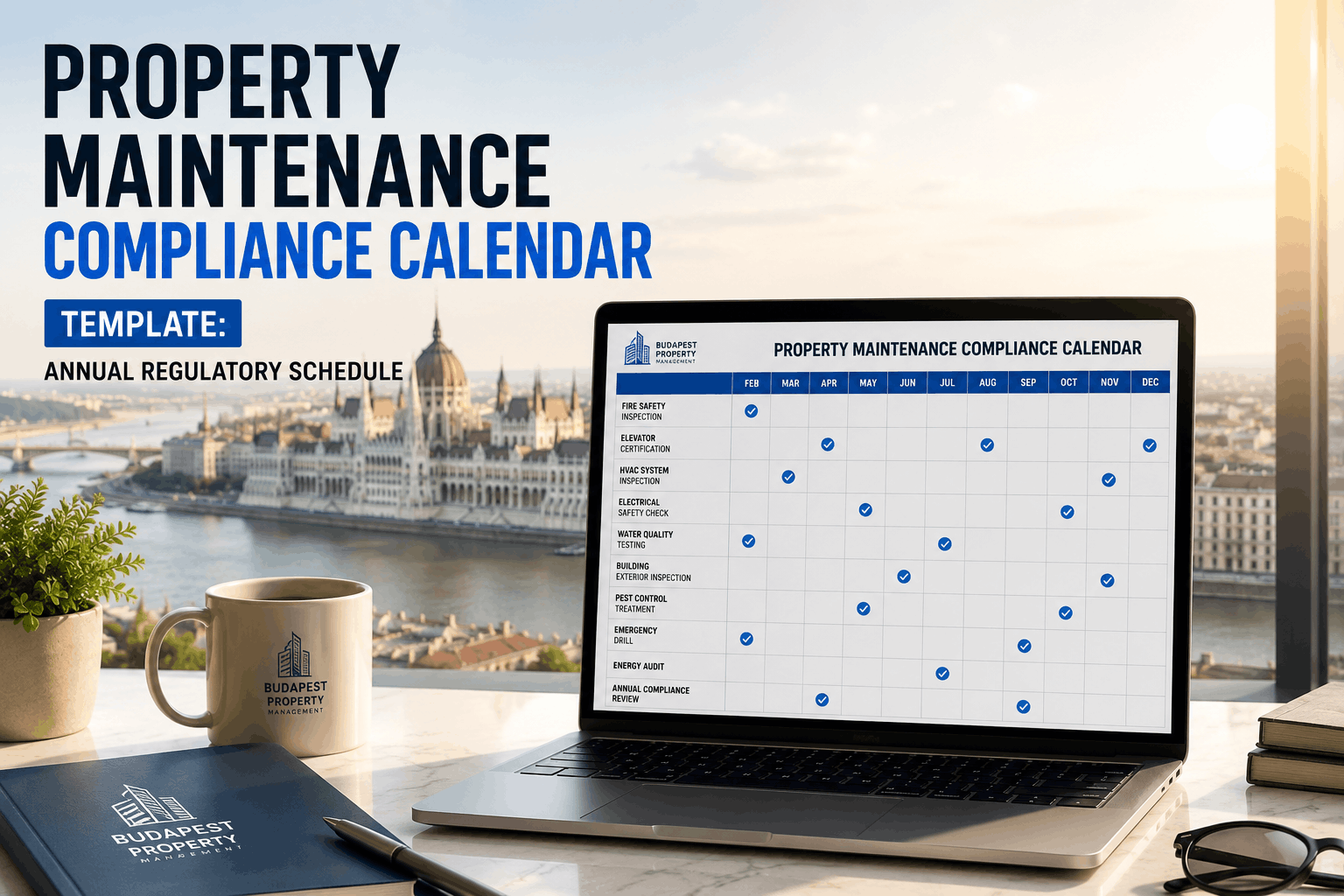
Commercial properties — office complexes, apartment communities, industrial facilities, healthcare campuses — often have multiple backflow prevention assemblies installed across different water service lines: domestic, irrigation, fire suppression, and process water. Managing a backflow testing schedule across a portfolio of devices requires a systematic approach that prevents compliance gaps from accumulating unnoticed.
Backflow Prevention Compliance Documentation: What to Keep and For How Long
Compliance documentation is the evidence that proves your property is meeting its backflow prevention compliance obligations. Without organized records, a property owner cannot demonstrate good-faith compliance during a water utility audit, an insurance review, or a legal proceeding following a contamination incident. The minimum documentation set for each backflow prevention assembly includes the original installation record, all annual test reports in chronological order, repair work orders and invoices, and any correspondence with the water utility regarding compliance notices or extensions.
Most water utility regulations require test records to be retained for a minimum of three to five years. However, retaining records for the lifetime of the device — from initial installation test through decommissioning — provides the most complete compliance evidence and is strongly recommended for commercial property owners managing long-term regulatory relationships with their water utilities. Book a demo with Oxmaint to see how digital compliance records eliminate the risk of lost paperwork during audits.
Cross-Connection Control: The Regulatory Framework Behind Backflow Testing
Backflow preventer testing requirements exist within a broader regulatory framework called cross-connection control. A cross-connection is any physical link between the public drinking water system and a potential source of contamination — a garden hose submerged in a bucket of pesticide, a chemical mixing tank connected to a water supply line, a fire suppression system containing antifreeze additives.Cross-connection control programs administered by water utilities identify these hazard points and require protective devices — backflow preventers — to be installed, maintained, and tested on a defined schedule.
Property owners are responsible under cross-connection control regulations not only for installing approved devices but for maintaining them in functional condition year-round. A device that passes its annual test but fails six months later due to a maintenance neglect issue does not provide a regulatory defense — the property owner bears continuous responsibility for the device's operational status between test cycles. This is why backflow valve maintenance between annual tests — periodic visual inspections, monitoring for relief valve discharge, checking for corrosion or physical damage — is a best practice that every facility manager should implement.
Common Backflow Preventer Problems and Maintenance Warning Signs
Between annual tests, trained facility staff can identify early warning signs of backflow prevention device problems that warrant immediate attention from a licensed plumber — before a minor issue becomes a failed test or an emergency replacement. Recognizing these indicators is a key part of a proactive backflow inspection program.
Backflow Preventer Testing Costs: What to Budget
Budgeting accurately for backflow annual test costs requires understanding the factors that drive price variation. Testing fees vary significantly based on device type, device size, geographic market, and whether repair work is required. For a single standard 1-inch RPZ assembly in a typical commercial property, testing fees generally range from $75 to $200 per device, with larger assemblies (2-inch and above) commanding higher rates due to the additional time and equipment involved. Properties with multiple devices can often negotiate reduced per-device rates through annual service agreements.
The more consequential budget consideration is repair cost contingency. Properties should budget for a repair rate of 15–25% of their device inventory annually — meaning that for every 10 devices tested, one to three are statistically likely to require some level of internal repair. Repair costs range from $150 for a simple O-ring kit replacement to $800 or more for a comprehensive overhaul of a large RPZ assembly. Devices older than 10–15 years should carry a replacement budget line, as parts availability diminishes for older models and full replacement often becomes more economical than continued repair investment.
Frequently Asked Questions: Backflow Preventer Testing and Compliance
Backflow preventer testing is not a bureaucratic formality — it is a direct investment in the safety of the drinking water your property depends on and distributes. The combination of a structured backflow testing schedule, a qualified certified tester, organized compliance documentation, and proactive device maintenance creates a program that protects your property, your occupants, and your regulatory standing year after year. The cost of compliance is predictable and manageable. The cost of a contamination event — measured in liability, remediation, and reputational damage — is not. Start your free trial with Oxmaint and bring structure, visibility, and automation to your backflow compliance program today.


.png)
