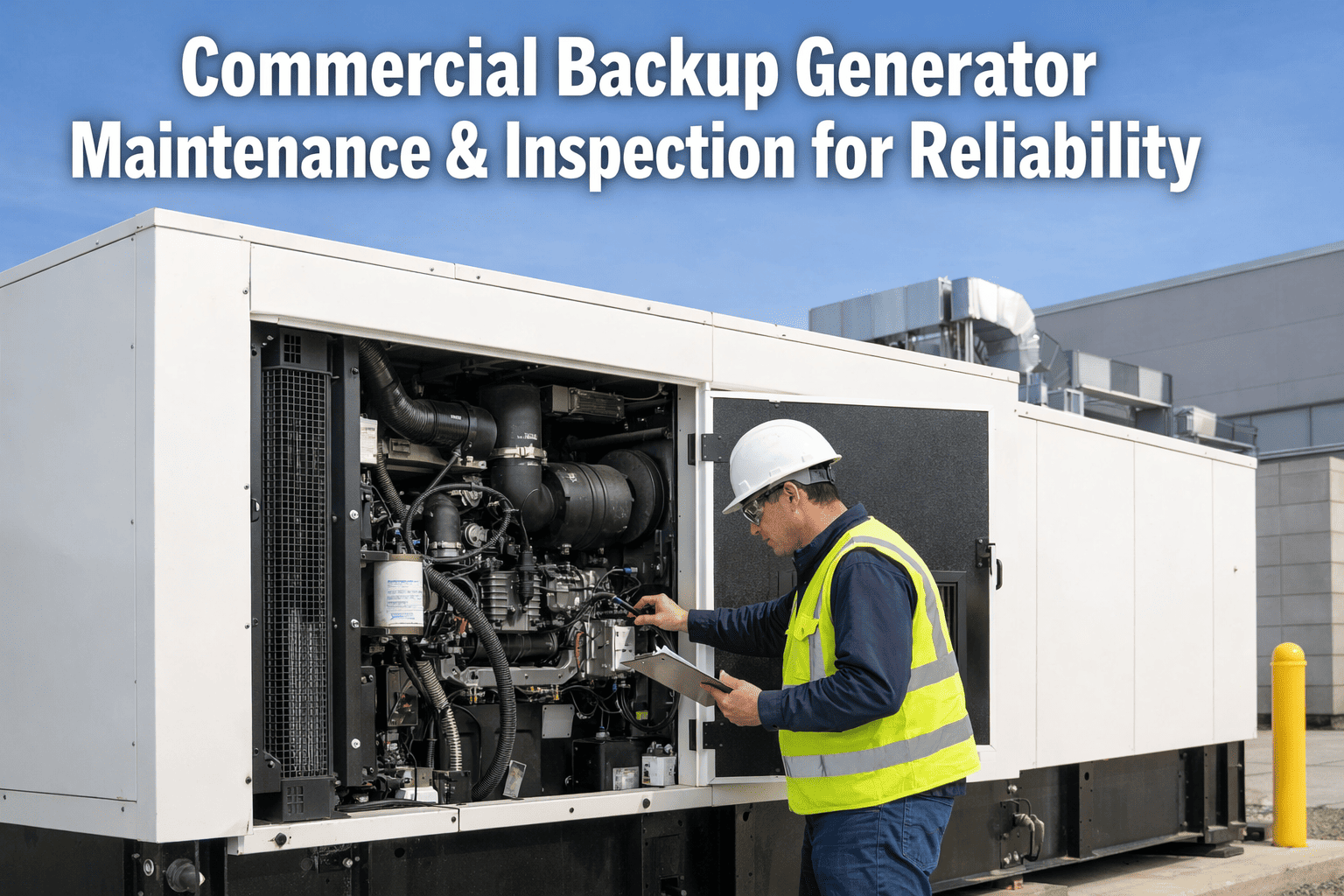
Backup generators serve as the critical last line of defense when utility power fails. Across North America, these emergency power systems protect hospitals, data centers, manufacturing facilities, and commercial buildings from catastrophic outages. A generator that sits idle for months without proper maintenance is a generator that may refuse to start when lives and business operations hang in the balance. Compliance with regulatory standards is not merely about avoiding penalties—it is the foundation of ensuring your Emergency Power Supply System performs flawlessly during every crisis.
North American compliance standards create a comprehensive framework governing backup generator maintenance, testing, and documentation. In the United States, NFPA 110 establishes baseline requirements for Emergency Power Supply Systems, while Canada follows CSA C282 standards. Healthcare facilities face additional scrutiny from The Joint Commission and NFPA 99. Understanding these overlapping requirements is essential for facility managers, maintenance professionals, and property owners responsible for emergency power reliability. Start free to digitize and automate your generator compliance program with Oxmaint CMMS.
Understanding North American Regulatory Framework
Generator compliance in North America involves multiple regulatory bodies with overlapping jurisdictions. The specific standards applicable to your facility depend on location, industry sector, and the criticality of operations supported by emergency power.
The National Fire Protection Association standard for Emergency and Standby Power Systems. Establishes minimum requirements for performance, maintenance, operation, and testing of all EPSS installations including weekly inspections, monthly load testing, annual fuel quality testing, and 36-month extended run tests.
Canadian Standards Association standard for Emergency Electrical Power Supply for Buildings. Applies to facilities required by the National Building Code of Canada to have emergency power systems. Covers design, installation, operation, maintenance, and testing with integration to CSA Z32 for healthcare facilities.
Accreditation standards for healthcare organizations across North America. EC.02.05.03 and EC.02.05.07 establish specific emergency power requirements including monthly tests at 20-40 day intervals, 30 minutes minimum under load, annual ATS testing, and 4-hour extended tests every 36 months.
NFPA 110 Classification System
NFPA 110 categorizes Emergency Power Supply Systems using three classification dimensions: Level, Type, and Class. Understanding these classifications determines your specific testing requirements and compliance obligations.
NFPA 110 requires fuel storage capacity of at least 133% of the system's class rating to ensure adequate reserve during extended outages. Schedule a demo to see how Oxmaint tracks classification requirements automatically.
Mandatory Testing Schedule
Compliance requires adherence to a structured testing schedule. Missing tests or conducting them outside required intervals results in compliance violations regardless of generator condition.
Common Compliance Failures
Understanding frequent compliance violations helps focus maintenance efforts on critical areas. These failures result in citations during inspections and increase the risk of generator failure during actual emergencies.
Testing below 30% nameplate rating leads to wet stacking, carbon buildup, and unreliable operation. If building load is insufficient, annual load bank testing becomes mandatory.
Diesel fuel degrades over time with water contamination and microbial growth. Annual fuel quality testing to ASTM standards is mandatory. Contaminated fuel causes many emergency failures.
Battery failure causes 80%+ of generator start failures. Weekly voltage checks essential. Replace batteries every 2-3 years regardless of apparent condition.
All activities must be documented with dates, personnel, load conditions, and issues found. Missing records constitute violations even when maintenance was performed correctly.
Monthly tests must occur at 20-40 day intervals. Testing too early or too late violates requirements. Automated scheduling ensures proper intervals are maintained.
ATS must be tested 12 times annually at proper intervals. Sticky contacts or slow transfers can cause power gaps during actual outages when seconds matter most.
Healthcare Facility Requirements
Healthcare facilities face the most stringent generator compliance requirements due to the life-critical nature of their operations. Joint Commission accreditation requires strict adherence to emergency power standards beyond base NFPA requirements.
Requires reliable emergency power source inventory including alarm systems, exit illumination, emergency communications, elevators, and equipment where failure could cause patient harm.
Mandates inspection, testing, and maintenance documentation. Monthly tests at 30% load for 30 minutes. ATS testing 12 times annually. 4-hour extended test every 36 months.
Health Care Facilities Code establishes essential electrical system requirements including life safety branch, critical branch, and equipment branch with specific transfer time requirements.
Permanent records must include test dates, load conditions, duration, personnel, issues identified, and corrective actions. Records must be available for AHJ and Joint Commission review.