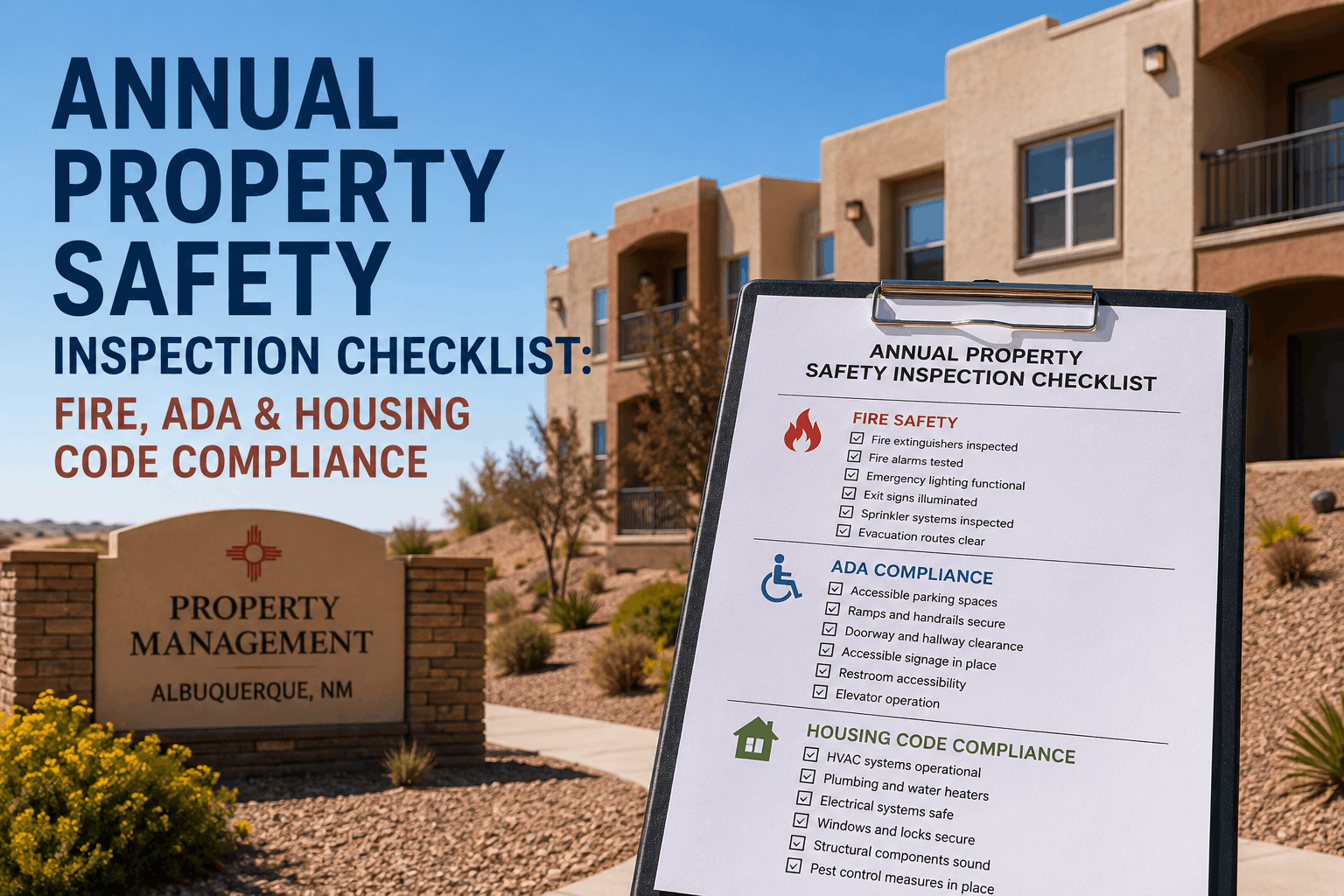
Commercial properties face an average of 4 to 7 regulatory inspections per year — covering fire safety, structural integrity, accessibility, energy compliance, and ESG documentation. Missing a single line item can cost thousands in fines, halt operations, or put tenants at risk. This complete checklist helps property managers and facility teams stay audit-ready 365 days a year.
73%
of compliance violations are repeat findings from prior inspections
$18K
average penalty per missed compliance violation
6 hrs
saved per inspection when using digital checklists vs. paper
Most compliance failures are not caused by dangerous buildings — they are caused by poor documentation, inconsistent inspection schedules, and siloed record-keeping. Inspectors cite missing logs more often than actual system failures. A digital, structured checklist framework closes that gap and transforms reactive scrambling into proactive audit readiness.
Outdated Paper Records
Inspectors reject paper logs that lack timestamps, signatures, or revision history — even if the work was completed.
Missed PM Intervals
Fire suppression, HVAC, and elevator systems require scheduled maintenance at fixed intervals — a missed service creates instant non-compliance.
No Cross-Team Visibility
When maintenance, operations, and management use separate tools, compliance gaps appear between departments — invisible to everyone until inspection day.
ESG Gaps
Investors and regulators increasingly require documented ESG data — energy benchmarking, carbon footprint, and sustainability audits that most properties cannot produce on demand.
The Complete Commercial Property Compliance Inspection Checklist
This master checklist is organized across six critical compliance domains. Each section reflects current OSHA, NFPA, ADA, and ESG reporting standards applicable to commercial real estate globally.
Fire Safety Compliance
NFPA 1, NFPA 72, NFPA 13 — Annual or semi-annual
Critical
Detection Systems
Smoke and heat detectors tested and functional
Manual pull stations verified operational
Fire alarm control panel shows no faults
Alarm audible throughout all occupied areas
Maintenance and test records current and accessible
Suppression Systems
Sprinkler heads unobstructed and undamaged
Fire extinguishers charged, tagged, and accessible
Extinguisher class appropriate for occupancy risk
Standpipe systems pressure-tested
Suppression system inspection logs on file
Egress and Exits
All exit doors unlocked and unobstructed
Exit signage illuminated and visible from all angles
Emergency lighting tested under simulated outage
Corridors, stairwells, and fire escapes clear of storage
Evacuation plans posted at all floors and entrances
Load-bearing walls and columns free of visible damage
Beams and floor systems checked for deflection
Roof structure inspected after major weather events
Building Envelope
Exterior facade — no spalling, cracks, or loose material
Roof membrane integrity confirmed, drains clear
Windows and glazing sealed and undamaged
Caulking and weatherproofing current
Interior Surfaces
Flooring secure with no trip hazards
Ceilings free of water staining or collapse risk
Stairways — handrails secure, treads in good condition
Elevator pit and mechanical spaces free of water intrusion
Electrical Systems
NEC, NFPA 70E — Annual inspection by licensed electrician
High
Panels and Distribution
Electrical panels labeled, accessible, and unobstructed
No double-tapped breakers or overloaded circuits
Ground fault circuit interrupters (GFCIs) tested
Panel schedule current and accurate
Wiring and Conduits
Exposed wiring protected and properly conduit-run
No spliced wiring outside of junction boxes
Emergency generator tested under load condition
Transfer switch operation verified
Mechanical / HVAC
HVAC filters replaced on schedule, logs current
Chiller, boiler, and cooling tower PM records on file
Refrigerant levels and leak detection documented
Ventilation rates meet local building code minimums
Inspection Frequency Reference
Different compliance domains require different inspection cycles. Missing these windows — even by a week — can trigger non-compliance findings. Use this reference to set automated reminders in your maintenance platform.
Compliance Domain
Required Frequency
Primary Standard
Risk if Missed
Fire Alarm Testing
Semi-Annual
NFPA 72
Immediate violation, potential closure
Sprinkler Inspection
Annual (+ quarterly visual)
NFPA 25
Insurance invalidation, fine
Elevator Certificate
Annual
Local AHJ
Elevator shutdown order
Electrical Thermographic
Annual
NFPA 70E
Fire risk, insurance penalty
ADA Accessibility Audit
Annual Review
ADA / Local codes
Legal exposure, DOJ complaint
Energy Benchmarking
Annual (some cities require quarterly)
ENERGY STAR / Local law
Disclosure violation, fine
HVAC Preventive Maintenance
Quarterly
ASHRAE, lease terms
Tenant claims, warranty void
How Property Teams Are Moving From Reactive to Audit-Ready
01
Paper Chaos
Inspections done manually, stored in binders — fails audit due to missing timestamps
→
02
Spreadsheet Era
Teams migrate to Excel — no automation, no alerts, constant version conflicts
→
03
Siloed CMMS
Single-site tools manage work orders but lack cross-property compliance tracking
✗Inspection reminders managed by calendar notes or email
✗Records stored in filing cabinets or email chains
✗No visibility into overdue compliance tasks across properties
✗ESG data manually compiled days before investor meetings
✗Violations discovered during external inspection — not before
Average: 4.2 compliance violations per property per year
VS
With Oxmaint Compliance Management
✓Automated reminders triggered 30, 14, and 7 days before due dates
✓All records in centralized, timestamped digital audit trail
✓Live compliance dashboard across every property in portfolio
✓ESG reports generated on demand — one click
✓Internal audits catch issues weeks before external inspectors arrive
Result: Zero compliance violations at 22-building portfolio in 12 months
Frequently Asked Questions
How often should a commercial property be fully inspected for compliance?
Most compliance domains require annual inspections, but critical life safety systems like fire alarms (NFPA 72) require semi-annual testing, and HVAC preventive maintenance typically runs on quarterly cycles. Properties in cities with energy benchmarking laws may have quarterly reporting obligations. A digital maintenance platform with automated scheduling eliminates the risk of missed intervals across all categories simultaneously.
What documentation do inspectors most commonly cite as missing?
The three most frequently cited documentation failures are: (1) missing or unsigned maintenance logs for fire and life safety systems, (2) corrective action records without completion evidence, and (3) outdated emergency action plans. Inspectors often cannot verify that compliant work was actually done if the records are incomplete — making documentation as critical as the physical systems themselves.
Does this checklist apply to properties outside the United States?
The checklist is structured around internationally applicable compliance categories — fire safety, structural integrity, accessibility, electrical systems, energy, and documentation. Specific standards vary by jurisdiction (ADA in the US, BS 8300 in the UK, EN 17210 in the EU, BCA in Australia), but the inspection domains and documentation requirements are consistent globally. Oxmaint supports compliance workflows across all major regulatory frameworks.
How does ESG compliance relate to standard building inspections?
ESG compliance is increasingly required by institutional investors, lenders, and local laws — and operates in parallel with traditional safety inspections. Energy benchmarking, carbon reporting, water metering, and certification maintenance (LEED, BREEAM) are now standard expectations for commercial portfolios. Many cities mandate annual energy disclosure tied to building permits, making ESG tracking a legal obligation, not just an investor preference.
What is the best way to manage compliance across multiple properties?
Multi-property portfolios require a centralized platform that tracks compliance status, schedules inspections, stores records, and generates audit-ready reports across all sites simultaneously. Spreadsheets and per-site CMMS tools create compliance blind spots between properties — a failure at one location becomes invisible to portfolio leadership until an inspector finds it. Purpose-built multi-site platforms like Oxmaint surface compliance gaps in real time and automate the documentation workflow that regulators require.
Compliance Management Platform
Stop Preparing for Inspections. Start Passing Them Automatically.
Oxmaint gives property teams a centralized compliance command center — automated inspection schedules, digital audit trails, cross-site compliance dashboards, and one-click ESG reporting. Whether you manage 1 building or 100, every compliance obligation stays visible, on schedule, and audit-ready at all times.
Zero
compliance violations at pilot properties in year one
58%
reduction in emergency maintenance costs
6 hrs
saved per inspection audit with automated documentation