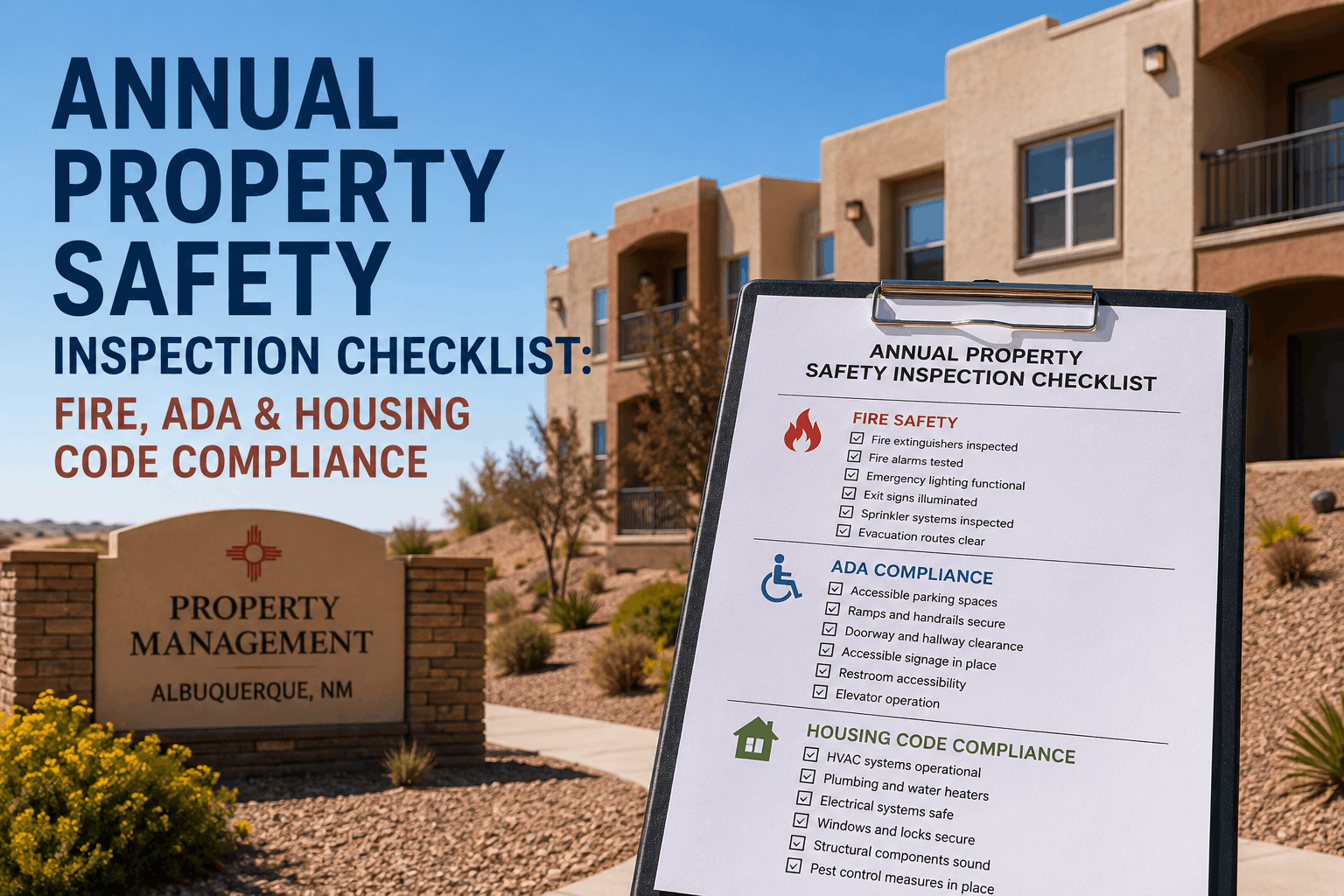
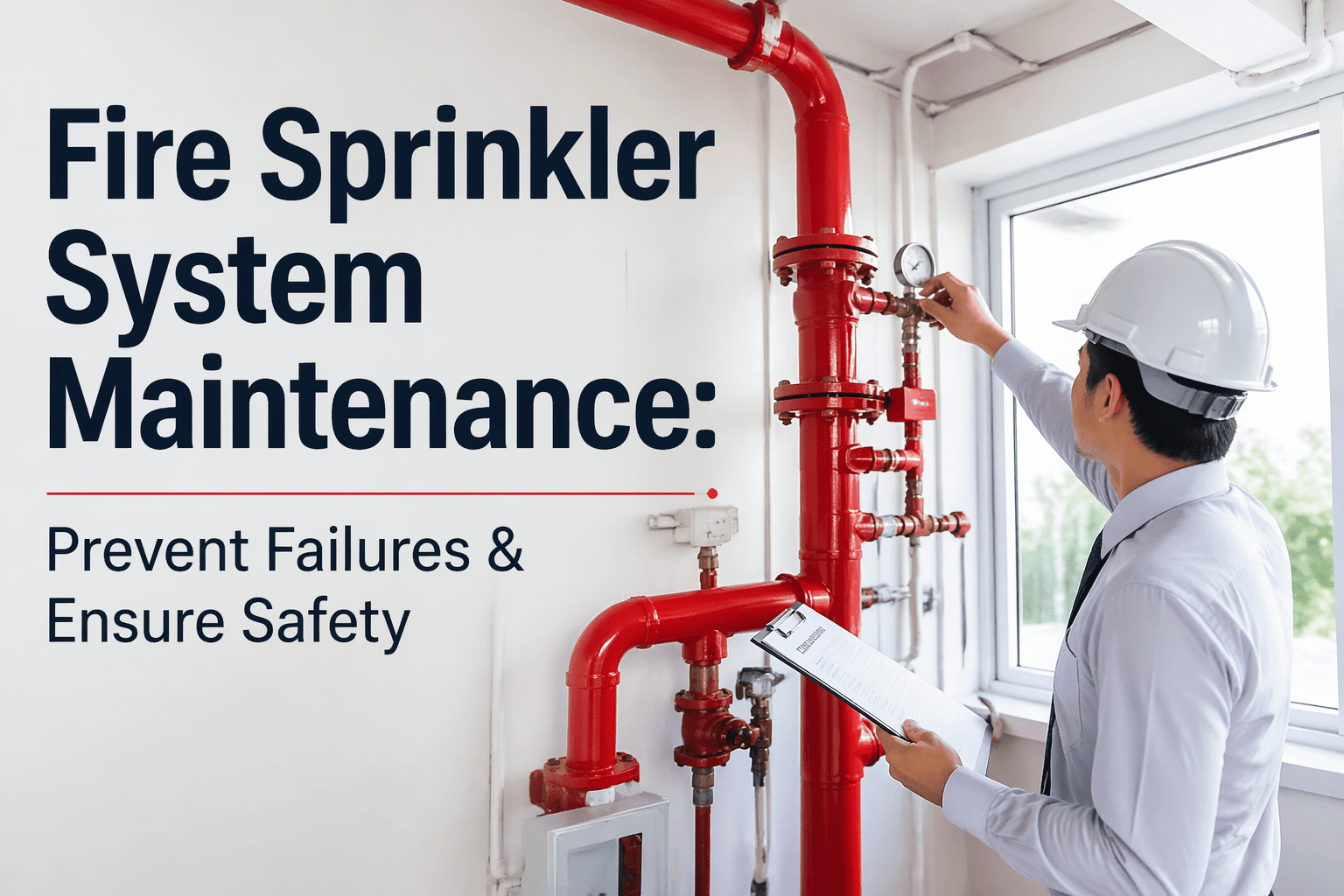
Fire system failures don't announce themselves—they lurk behind green indicator lights until the moment they're needed most. Traditional inspection schedules catch problems on a calendar, but corrosion, pressure drops, and sensor drift happen on their own timeline. Properties relying solely on manual inspections discover 60% of fire system deficiencies only during scheduled checks, leaving dangerous gaps between visits.
AI-powered predictive maintenance changes the equation entirely. By analyzing sensor data, inspection patterns, and environmental conditions, machine learning models detect early warning signs weeks before failures occur. Properties using predictive fire system maintenance reduce false alarms by 45%, cut emergency repairs by 50%, and achieve first-pass inspection rates above 95%. Start free to bring AI-driven fire safety to your portfolio.
Why Calendar-Based Fire Inspections Fall Short
Fire suppression systems are complex, multi-component networks where a single weak link—a corroded pipe, a drifting sensor, a degraded O-ring—can render the entire system ineffective. Traditional maintenance approaches create dangerous blind spots between inspections.
Silent Degradation
Sprinkler heads corrode, gaskets degrade, and pressure slowly drops between quarterly checks. By the time inspectors arrive, minor issues have become major failures.
Impact: System failure risk between inspectionsNuisance Alarms
Aging detectors trigger false alarms that desensitize occupants and drain maintenance budgets. Without trend analysis, it's impossible to predict which detectors will fail next.
Impact: $1,200+ per false alarm responseCompliance Gaps
NFPA 25 requires specific testing frequencies for different components. Manual tracking across hundreds of devices leads to missed tests and citation risk during AHJ inspections.
Impact: $10,000+ fines per violationPaper-Based Chaos
Inspection records scattered across binders, vendor reports, and filing cabinets. When the fire marshal arrives, assembling documentation becomes a frantic scramble.
Impact: 4-6 hrs assembling records per auditHow AI Detects Inspection Issues Before They Happen
Machine learning models analyze patterns across your fire protection ecosystem to identify anomalies invisible to periodic manual checks. Here's how predictive intelligence transforms fire system maintenance. Book demo to see AI fire detection in action.
Pressure Trend Analysis
AI monitors sprinkler system pressure readings over time, detecting micro-leaks and valve degradation weeks before they trigger low-pressure alarms.
Detector Drift Detection
Smoke and heat detector sensitivity shifts over time. ML models identify detectors trending toward false alarm thresholds or reduced sensitivity before failures occur.
Environmental Correlation
Humidity, temperature, and air quality data cross-referenced with system performance to predict corrosion risk, condensation issues, and environmental false alarm triggers.
Inspection Pattern Mining
Historical inspection data reveals recurring deficiency patterns—which equipment types fail at what intervals—enabling proactive replacement before the next check.
Anomaly Alerting
Real-time deviation from baseline behavior triggers intelligent alerts. Not just threshold alarms—contextual notifications that distinguish true anomalies from normal variance.
Risk Scoring
Each device and zone receives a dynamic risk score based on age, history, environment, and predicted failure probability. Focus resources where risk is highest.
Predict Fire System Issues Before They Happen
Stop discovering problems during inspections. Oxmaint's AI monitors your fire systems 24/7, alerting you to issues weeks before they become failures or violations.
Fire System Health Metrics
Track these KPIs to measure the effectiveness of your predictive fire system maintenance program.
Percentage of time all fire protection systems fully operational. Critical metric for life safety and code compliance.
Nuisance alarms per detector per year. AI-driven maintenance keeps detectors calibrated and trending issues resolved proactively.
All testing and inspection frequencies met per code requirements. Automated scheduling eliminates missed intervals.
Average advance notice before predicted failure. Enough time for planned repairs instead of emergency callouts.
Properties passing AHJ inspections without deficiency citations on first visit. Predictive maintenance resolves issues pre-inspection.
Time from AI alert to corrective action completion. Rapid response prevents escalation and maintains protection continuity.
AI-Powered Fire System Dashboard
See what predictive fire system management looks like—real-time risk visibility across your entire fire protection portfolio.
Benefits by Role
AI-powered fire system maintenance delivers targeted value to every stakeholder in the fire protection chain.
Property Managers
- Portfolio-wide fire system health at a glance
- Predictive alerts eliminate inspection surprises
- Budget forecasting with failure predictions
- Automated compliance documentation
Fire Protection Engineers
- Sensor trend data for informed decisions
- Environmental correlation insights
- Predictive risk scoring by zone
- Historical pattern analysis reports
Service Contractors
- AI-prioritized work orders with context
- Equipment history and risk data access
- Digital inspection forms and checklists
- Parts prediction for truck stocking
Fire Marshals / AHJ
- Complete digital inspection records
- Continuous monitoring evidence
- Deficiency tracking and resolution proof
- NFPA 25 compliance documentation
ROI of Predictive Fire System Maintenance
Calculate your potential savings from implementing AI-powered fire system management across a 5-building portfolio.
Typical Savings Sources
Bring AI to Your Fire Protection
Join property managers achieving 95%+ first-pass inspection rates and 50% fewer emergency repairs with predictive fire system maintenance.