In the United States, the line between landlord and property manager maintenance duties is legally defined but often confusing in practice. A landlord owns the property and bears ultimate legal responsibility for habitability, safety, and compliance with housing codes — even when a property manager handles day-to-day maintenance. Understanding who is responsible for what protects both parties and prevents costly disputes. With OxMaint's digital audit trails and compliance documentation, landlords and property managers can establish clear accountability records that satisfy legal requirements and reduce liability exposure during disputes or inspections.
Landlord vs Property Manager: Who Handles Maintenance & Legal Liability
Clear maintenance responsibility documentation protects property owners. OxMaint's compliance-ready CMMS creates audit trails that prove proper maintenance protocols are followed, reducing liability exposure during disputes or regulatory inspections.
Section 1: Core Legal Responsibility — Who Bears The Risk?
Under U.S. landlord-tenant law, the property owner (landlord) retains ultimate legal responsibility for the rental unit's condition, safety, and compliance with local housing codes — regardless of whether a property manager handles daily operations. This legal principle, known as "implied warranty of habitability," requires landlords to provide tenants with safe, sanitary, and functional housing. Violations can result in tenant lawsuits, regulatory penalties, and mandatory repairs at the landlord's expense. A property manager's role is operational — they execute maintenance tasks, coordinate repairs, and manage vendor relationships — but the landlord remains liable if those responsibilities are mishandled. For property managers, this distinction is critical: they act as the landlord's agent and must operate within clearly defined authorization limits. For landlords hiring managers, it means oversight is non-negotiable; even with a professional manager in place, the owner must verify that maintenance protocols are followed and compliance standards are met.
Section 2: Specific Maintenance Obligations By Property Type
Maintenance responsibilities vary based on whether the property is residential (apartments, single-family rentals) or commercial (office space, retail). Residential landlords must maintain structural integrity, plumbing, electrical systems, heating in winter, and pest-free conditions — typically covering 100% of costs. Commercial leases often shift some responsibility to tenants through triple-net (NNN) leases, where commercial tenants pay property taxes, insurance, and common area maintenance. However, a property manager employed by either landlord type must coordinate all work and document completion. The key distinction: residential tenants have stronger legal protections; commercial tenants typically have less. For property managers, this means your documentation protocols must be legally bulletproof. A missed repair request in residential housing can trigger a tenant repair-and-deduct claim (where the tenant repairs the problem and deducts the cost from rent) or code enforcement intervention. In commercial properties, disputes are more contractual but equally costly.
Section 3: Dispute Prevention Through Digital Documentation
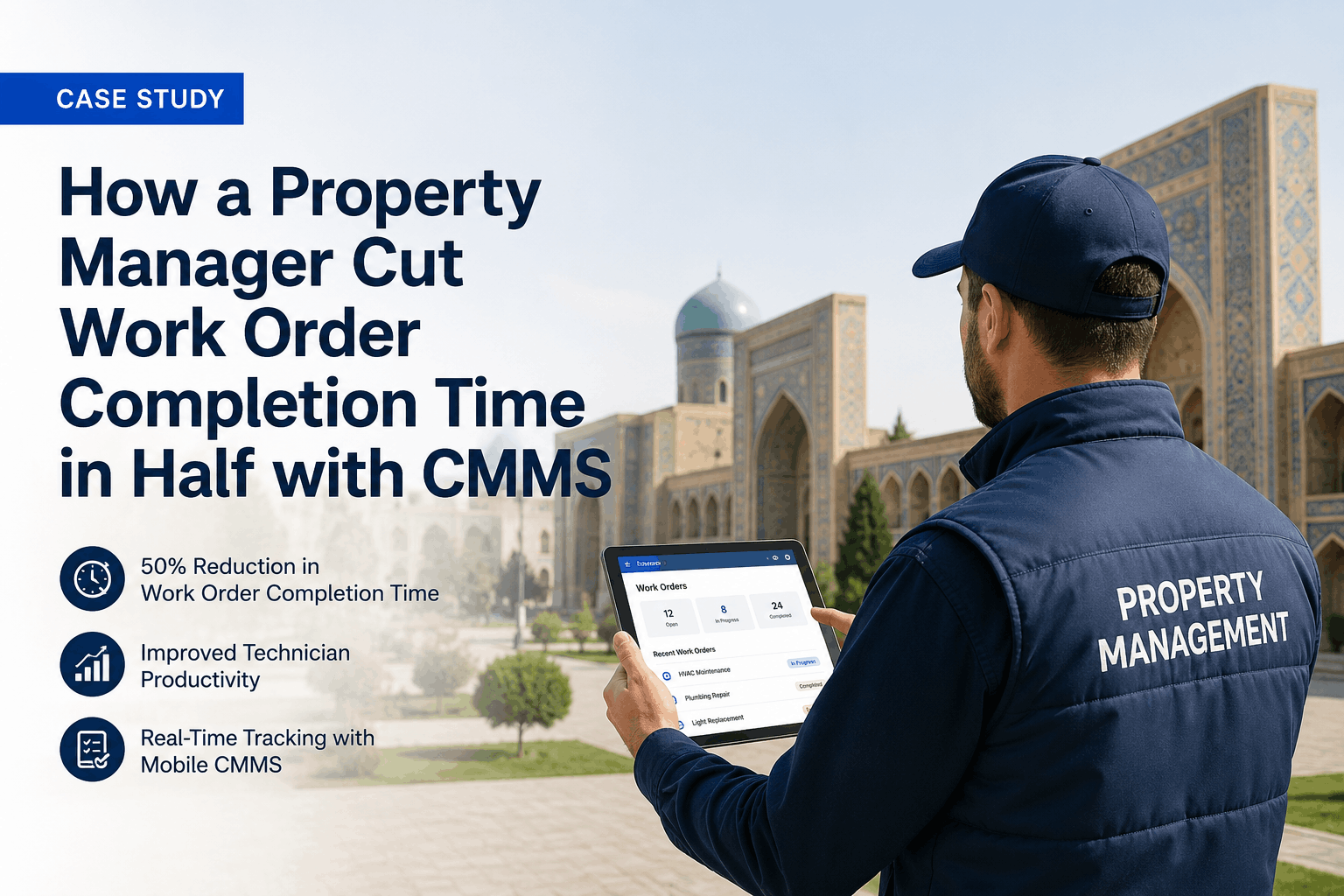
The single most costly mistake landlords and property managers make is failing to document maintenance decisions and completion. When disputes arise — whether it's a tenant claiming a repair was never made, a code inspector citing non-compliance, or a property manager claiming the landlord never approved a critical repair — the party with the documented evidence wins. Digital work order systems with timestamped approvals, vendor completion photos, and compliance records create an audit trail that protects both parties. OxMaint's CMMS allows landlords to review all maintenance activity in real-time, approve requests with digital signatures, and maintain compliance records automatically. Property managers access a mobile-ready interface to log work completion on-site, attach photos of repairs, and document inspection results. When disputes occur — and they will — both parties have proof of who authorized what, when work was completed, and whether standards were met. This documentation reduces dispute resolution time from weeks to hours and often prevents disputes from escalating to legal claims.
Section 4: Multi-Property Portfolio Oversight For Landlords
Landlords managing multiple properties (or multiple property managers across a portfolio) face a governance challenge: how do you verify that standards are being upheld across all locations when you're not on-site daily? A distributed portfolio means dozens of maintenance decisions happening simultaneously — repairs at Building A while inspections happen at Building C while a PM schedule review occurs at Building D. Without a centralized system, landlords lose visibility. Property managers who aren't coordinating with each other may duplicate work, miss critical repairs, or make decisions that create liability exposure. OxMaint's portfolio dashboard gives landlords a bird's-eye view of all properties: which ones have open maintenance requests, how quickly property managers are responding, which buildings have the highest maintenance costs, and which locations are falling behind on preventive maintenance schedules. When regulatory inspections occur, the compliance record is already compiled and ready. When tenant disputes emerge, the maintenance history is documented. This centralized oversight transforms property management from reactive firefighting to proactive portfolio management — and protects landlord liability across all locations simultaneously.
Frequently Asked Questions
Since implementing OxMaint, disputes over maintenance responsibility have dropped by 90%. Our property managers know exactly what they're authorized to approve, tenants see work orders move in real-time, and our landlords sleep better knowing every repair is documented. During our last compliance inspection, the auditor said our maintenance records were the most organized they'd seen from a 28-property portfolio.
Clear Maintenance Responsibility Starts With Digital Accountability
OxMaint's CMMS creates audit trails that clarify who is responsible for what — protecting landlords from liability and giving property managers authority to act independently within guardrails.