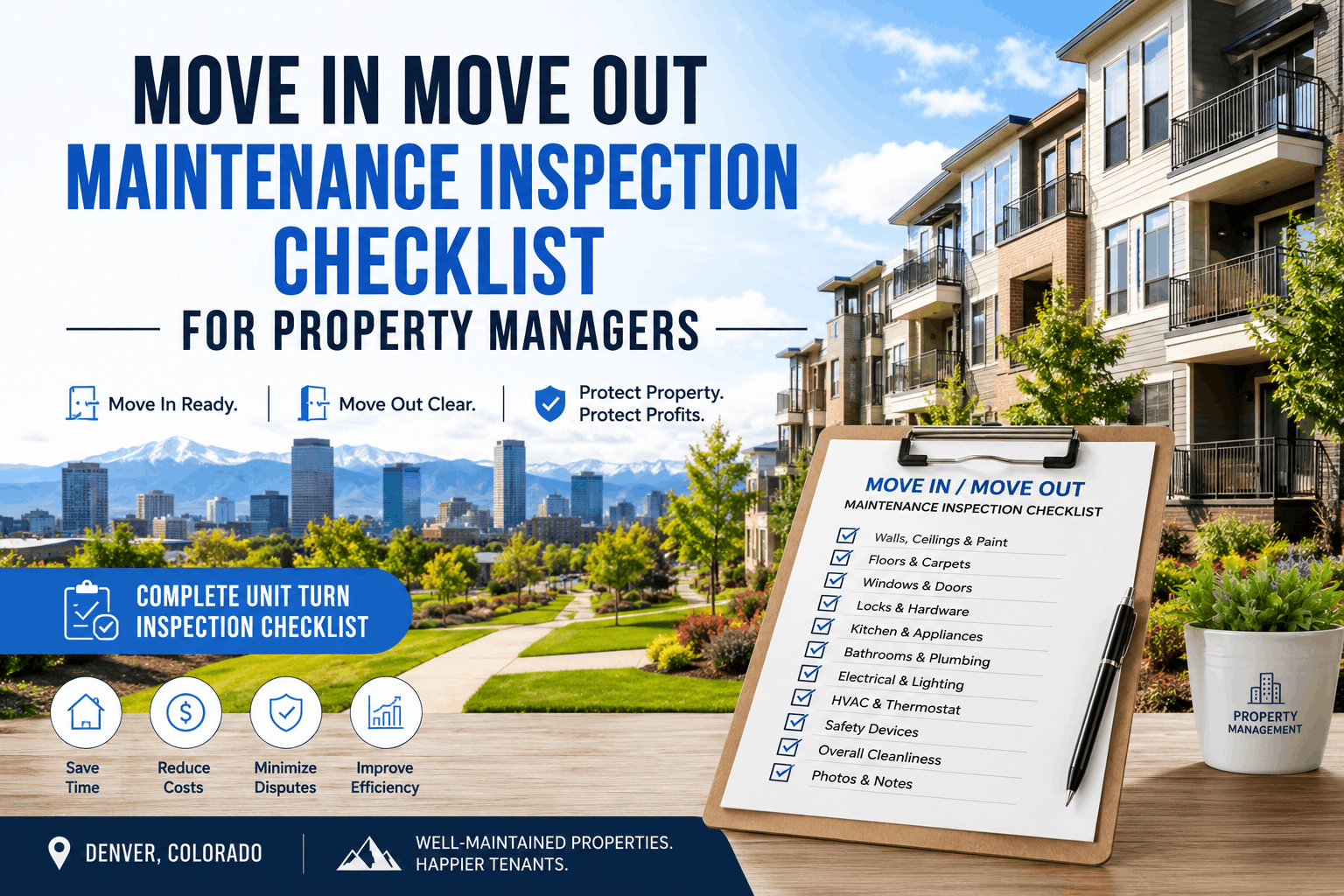
The move-out inspection is where security deposit disputes originate. Without systematic, photographic documentation of damage and comparison to move-in baseline photos, tenants challenge every deduction and win cases in small claims court even when damage is real. This comprehensive move-out checklist ensures you document all damage, normal wear-and-tear distinctions, and cost justifications before returning or deducting from the security deposit. Combined with Oxmaint's side-by-side photo comparison and automated damage assessment, you create legally defensible documentation that survives tenant challenges.
1. Move-Out Inspection Timing & Pre-Inspection Walkthrough
Timing of the move-out inspection impacts the defensibility of your deposit deductions. Most US states require inspections within 3-30 days of move-out, with detailed written notice of deductions following within 21-45 days. Delays weaken your legal position.
2. Room-by-Room Move-Out Damage Documentation
Systematic documentation of damage in each area prevents tenant claims of "damage wasn't there" or "that's normal wear and tear." Close-up, detailed photography is critical for establishing damage scope and cost justification.
3. Normal Wear and Tear vs. Tenant Damage
USA state laws distinguish between normal wear-and-tear (landlord responsibility) and tenant-caused damage (tenant responsibility). Courts scrutinize deposit deductions and will void them if you cannot prove damage exceeds normal wear thresholds. Understanding these distinctions is critical to winning deposit disputes.
Normal Wear & Tear (NOT Deductible)
- Slight carpet matting or fading from sun exposure
- Small paint scuffs or minor wall marks
- Faded paint from normal weathering
- Worn cabinet handles or hinges
- Small nail or picture hanging holes
- Light tile grout staining despite cleaning
- Worn appliance finish or minor dents
- Loose caulk from age/humidity cycles
- Worn door locks (age-related wear)
- Light carpet pilling or matting
Tenant Damage (Deductible)
- Large carpet stains or burns
- Holes in walls from nails beyond normal hanging
- Broken or missing cabinet doors or shelves
- Cracked or broken tile
- Water damage from tenant negligence
- Broken window or door locks (malfunction)
- Grease buildup on appliances (excessive)
- Missing cabinet hardware or fixtures
- Pet damage (scratches, stains, odors)
- Broken appliances (oven door, dishwasher)
- Large stains, burns, or odors in carpet
- Missing or damaged doors or doorframes
- Broken shower rods or towel bars
- Missing or damaged blinds
Cost Documentation Examples for Typical Damages
| Damage Type | Normal Wear? | Typical Deductible Cost (USA) | Cost Justification |
|---|---|---|---|
| Small wall scuff (2-inch) | ✓ Yes | Not deductible | Within normal use expectation |
| Hole in wall (3-inch+) | ✗ No | $75-150 | Drywall patch, spackle, paint labor |
| Light carpet staining | ✓ Yes | Not deductible | Professional cleaning removes light stains |
| Large carpet stain (6-inch+) | ✗ No | $200-600 | Carpet patch or full room replacement |
| Carpet burn mark | ✗ No | $150-500 | Patch or room replacement |
| Pet odor removal | ✗ No | $300-800 | Professional deodorization + carpet cleaning |
| Broken blinds | ✗ No | $80-200 | Replacement blinds + installation labor |
| Dirty oven/appliance | ? Borderline | $50-150 | Professional appliance cleaning |
| Broken door lock | ✗ No | $150-300 | Lock replacement + rekeying |
| Water damage (tenant caused) | ✗ No | $400-2000+ | Varies: drywall repair, mold remediation, flooring |
4. Move-Out Damage Assessment & Cost Justification
Every deposit deduction must be justified with cost quotes or actual invoices. Courts scrutinize deductions for excessive pricing or inflated labor rates. Document your costs in advance to defend against tenant challenges.
5. State-by-State Deposit Deduction & Return Timeline Requirements
USA states vary widely in deposit return timelines, itemization requirements, and deduction justification. Non-compliance with state law timelines and procedures voids your deductions and triggers statutory damages to tenants. Know your state's specific requirements.
Key State Deposit Rules (USA 2026)
California
Return Timeline: 21 days max. Itemization Required: Yes, with cost justification. Move-In Photos: Mandatory (AB 2801, for leases 1/1/2026+). Penalties: Return deposit + statutory damages up to 3x amount if deductions not itemized.
New York
Return Timeline: 30 days max. Itemization Required: Yes with supporting documentation. Move-In Inspection: Within 10 days, with written notice. Penalties: Damages up to 2x overdue deposit amount + interest.
Texas
Return Timeline: 30 days max. Itemization Required: Yes, with supporting documentation. Move-In Inspection: Not mandated. Penalties: If deductions not itemized, return full deposit + $100 minimum damages.
Florida
Return Timeline: 30 days max. Itemization Required: Yes with cost justification. Move-Out Inspection: Within 3 days of vacating. Penalties: Statutory interest (5% annually) + damages if deductions unjustified.
Illinois
Return Timeline: 45 days max. Itemization Required: Yes with supporting documentation. Move-In Inspection: Recommended but not mandated. Penalties: Double deposit amount if deductions improper or unjustified.
6. Move-Out Final Steps & Deposit Return Documentation
After completing the move-out inspection, follow state law timelines for deduction notification and deposit return. Missing deadlines or skipping itemization requirements invalidates all deductions and exposes you to statutory damages.