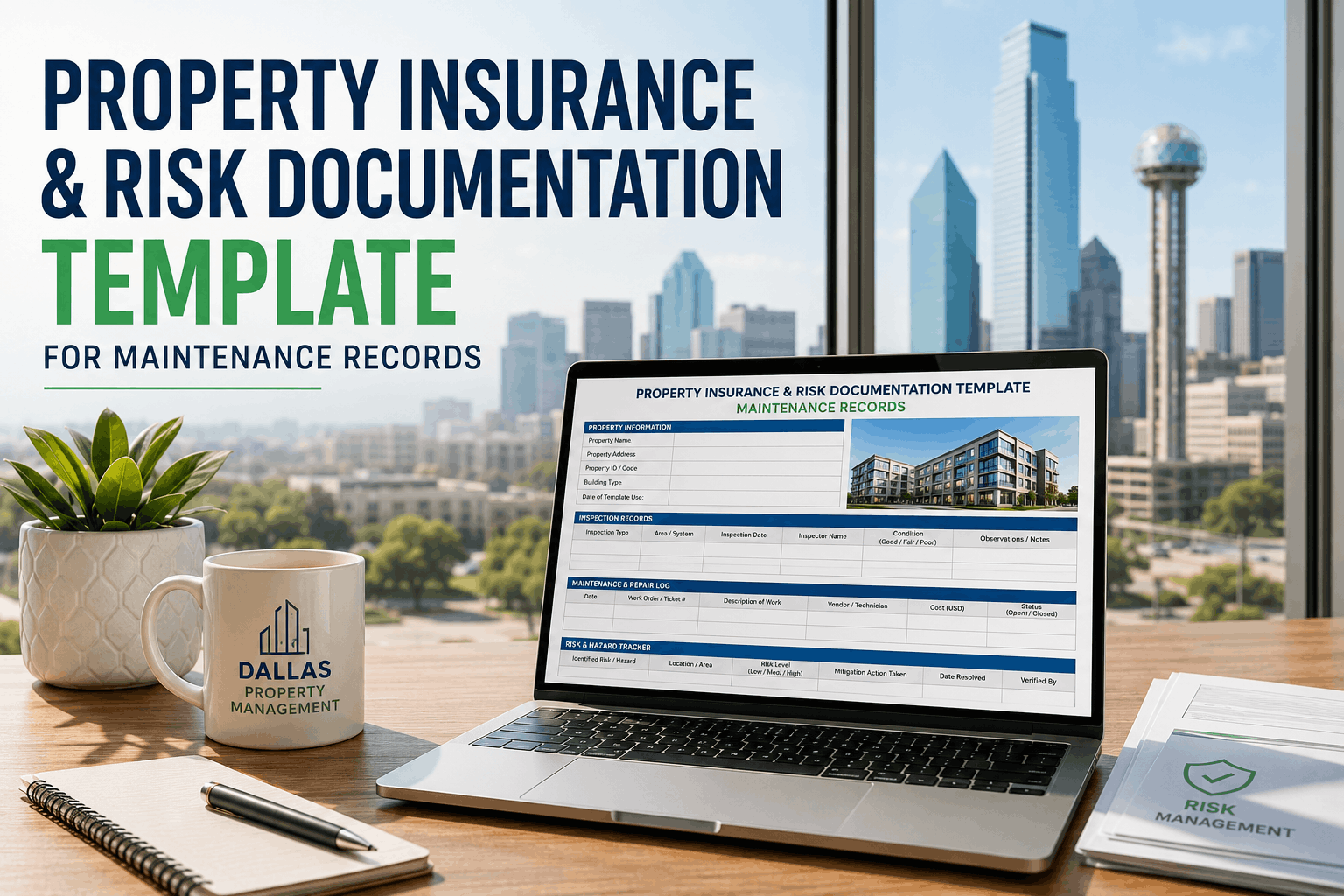
Property insurance claims are frequently denied because building owners cannot prove that maintenance was performed, compliance standards were met, or asset conditions were documented before damage occurred. When an insurance company investigates a claim, they ask: "Show us the inspection records proving the roof was maintained before the storm." "Provide repair logs showing when the HVAC was last serviced." "Document the plumbing system condition before the water damage." Without this documentation, insurers dispute claims, reduce payouts, or deny coverage entirely. Additionally, insurance underwriters adjust property premiums and coverage limits based on demonstrated maintenance practices—buildings with documented preventive maintenance programs pay 15-22% lower premiums than buildings operating reactively. Property insurance and risk documentation is not paperwork; it is financial protection. Building owners that maintain comprehensive maintenance records and compliance documentation recover faster from insured losses, face lower premium costs, and demonstrate professional risk management to lenders and investors. Oxmaint's insurance and risk documentation template systematizes inspection records, maintenance logs, compliance certifications, and damage evidence—creating an automated audit trail that insurers recognize and value. Start your free trial to build your property's insurance-ready documentation system.
Oxmaint's property insurance documentation template captures inspection records, maintenance logs, compliance certifications, and damage documentation in a centralized, audit-ready format. When claims occur, you have complete evidence that the property was maintained per insurance requirements—supporting claim approval and faster payouts.
Property insurance and risk documentation is the collection of records that prove your property is maintained to insurance standards, is compliant with safety regulations, and has been properly managed. Complete documentation includes inspection records (roof, foundation, mechanical systems), maintenance logs (work orders, service dates, contractor details), compliance certifications (electrical permits, gas safety, fire system inspections), insurance coverage verification (policy copies, coverage limits, endorsements, certificate of insurance from contractors), damage assessment records (pre-loss photographs, conditions before incidents), hazard mitigation records (corrective actions taken to reduce risk), and claim history (previous losses and settlements). When insurance claims occur, this documentation becomes critical evidence—it demonstrates that the loss resulted from unexpected events (not deferred maintenance), that preventive measures were in place, and that property management was professional. Insurance companies use this documentation to approve or deny claims and to adjust future premiums. Building owners without this documentation face claim denials, coverage disputes, and higher premiums.
Why Property Owners Need Insurance & Risk Documentation — Four Strategic Outcomes
Insurance is expensive—but insurance claims are catastrophically expensive when you cannot prove you maintained the property or met compliance requirements. Documentation transforms claims from "he said, she said" disputes into objective facts that insurers must acknowledge. It also demonstrates to underwriters that you manage risk professionally, qualifying you for premium discounts before claims even occur. Book a demo to see how Oxmaint documents maintenance and compliance for insurance purposes.
When property damage occurs, insurers investigate whether loss resulted from unforeseeable events (covered) or deferred maintenance (not covered). Documented maintenance records prove you maintained systems properly—supporting claim approval and faster payment rather than dispute or denial.
Insurance underwriters review maintenance documentation when underwriting policies. Properties with documented preventive maintenance are rated as "low-risk," qualifying for premium discounts (typically 15-22% lower annual costs). This saves $18,000-$44,000 annually on a $120,000 insurance bill.
Documented compliance records (permits, inspections, certifications) prove you met regulatory requirements, reducing liability exposure from code violations. In lawsuits or regulatory audits, this documentation is your defense against negligence claims.
Lenders and investors demand proof that property is maintained and insured properly. Complete documentation demonstrates professional management and reduces lender concern about property value protection. This supports refinancing approval and investor confidence.
When damage occurs, pre-loss photographs and condition documentation become critical evidence. Combined with maintenance records, they prove that damage resulted from the insured event, not deferred maintenance—supporting higher claim payout.
Documented mitigation actions (corrective repairs, hazard elimination, upgrades) show insurers you actively manage risk. This leads to expanded coverage options and policy endorsements that protect against specific exposures.
Build Your Insurance-Ready Documentation System — Automatically
Oxmaint captures inspection records, maintenance logs, compliance certifications, and damage evidence in a centralized, audit-ready format that insurers recognize and value. Book a demo to see how Oxmaint documents your property for insurance purposes.
Seven Critical Documentation Categories Every Property's Insurance File Must Include
Insurance claims succeed when you have complete documentation. These seven categories create the comprehensive evidence insurers require to approve claims, reduce premiums, and defend against coverage disputes.
How Oxmaint Organizes Insurance & Risk Documentation — Three-Layer System
Insurance documentation is only valuable if it's organized, searchable, and complete when claims occur. Oxmaint's documentation system automatically captures, organizes, and retrieves insurance-critical records in the format insurers expect.
Oxmaint captures inspection findings, maintenance work orders, and compliance certifications continuously—not as an afterthought. Every work order, inspection photo, and compliance document is automatically organized by system, property, and date. No hunting through file cabinets or email archives when insurers call.
When claims occur, Oxmaint generates insurance claim support reports—maintenance history, compliance documentation, condition assessments, and loss history. Reports are formatted the way insurers expect them: chronological, searchable, with photo evidence and work order details.
Oxmaint's documentation demonstrates to underwriters that property is maintained professionally and risk is managed proactively. This qualification supports premium negotiation and expanded coverage options before claims occur.
Our water damage claim was initially denied — the insurer said it resulted from deferred maintenance. We provided Oxmaint's maintenance records showing quarterly plumbing inspections, annual pressure tests, and immediate repair of any issues. The insurer reviewed our documentation, reversed the denial, and approved the $340,000 claim. Complete records made the difference between total loss and full recovery.
Frequently Asked Questions
Protect Your Property Value. Document Maintenance. Strengthen Insurance Claims.
Oxmaint automatically captures and organizes the inspection records, maintenance logs, and compliance documentation that insurers require for claim approval and premium negotiation.
-request-template-for-building-owners.png)