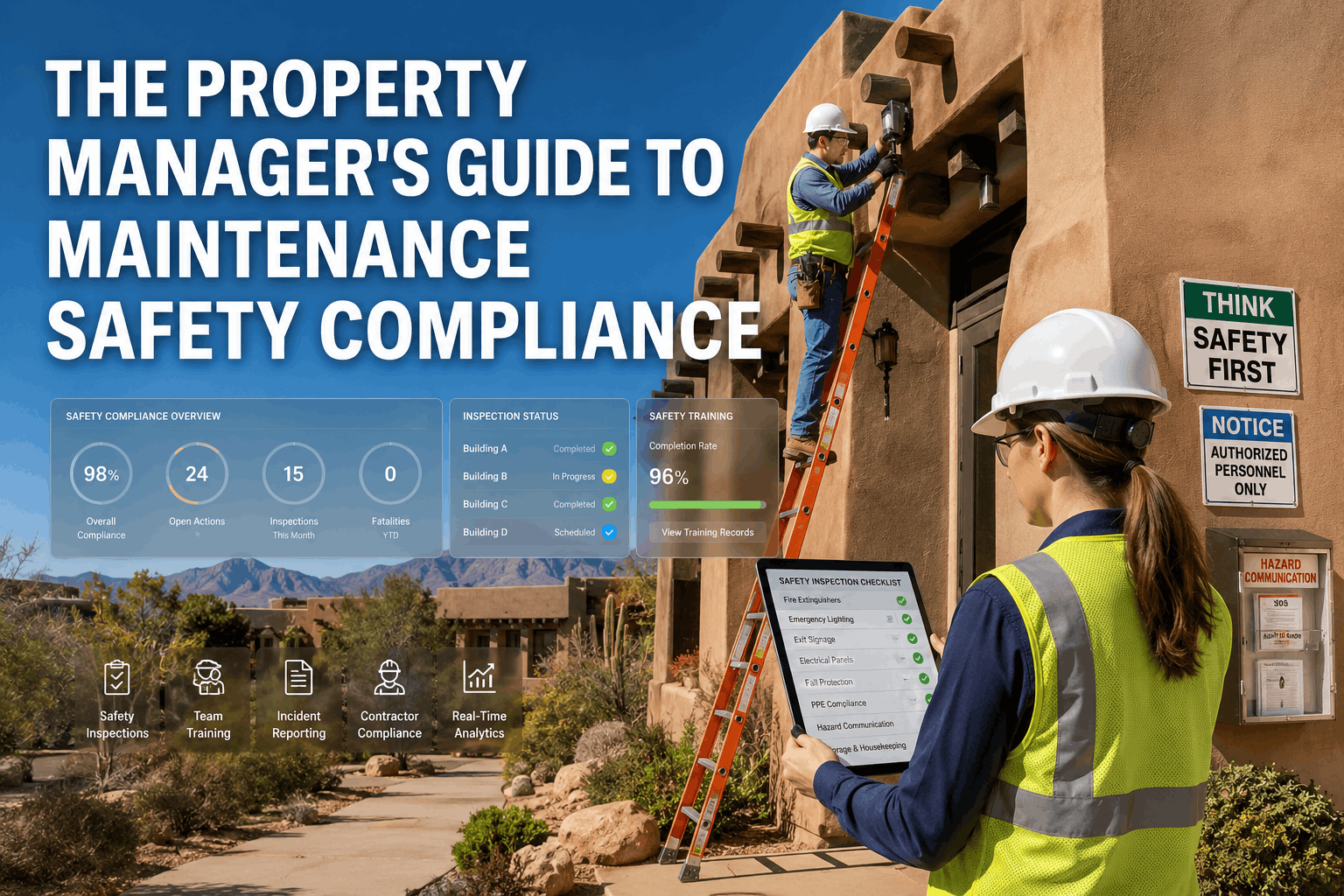
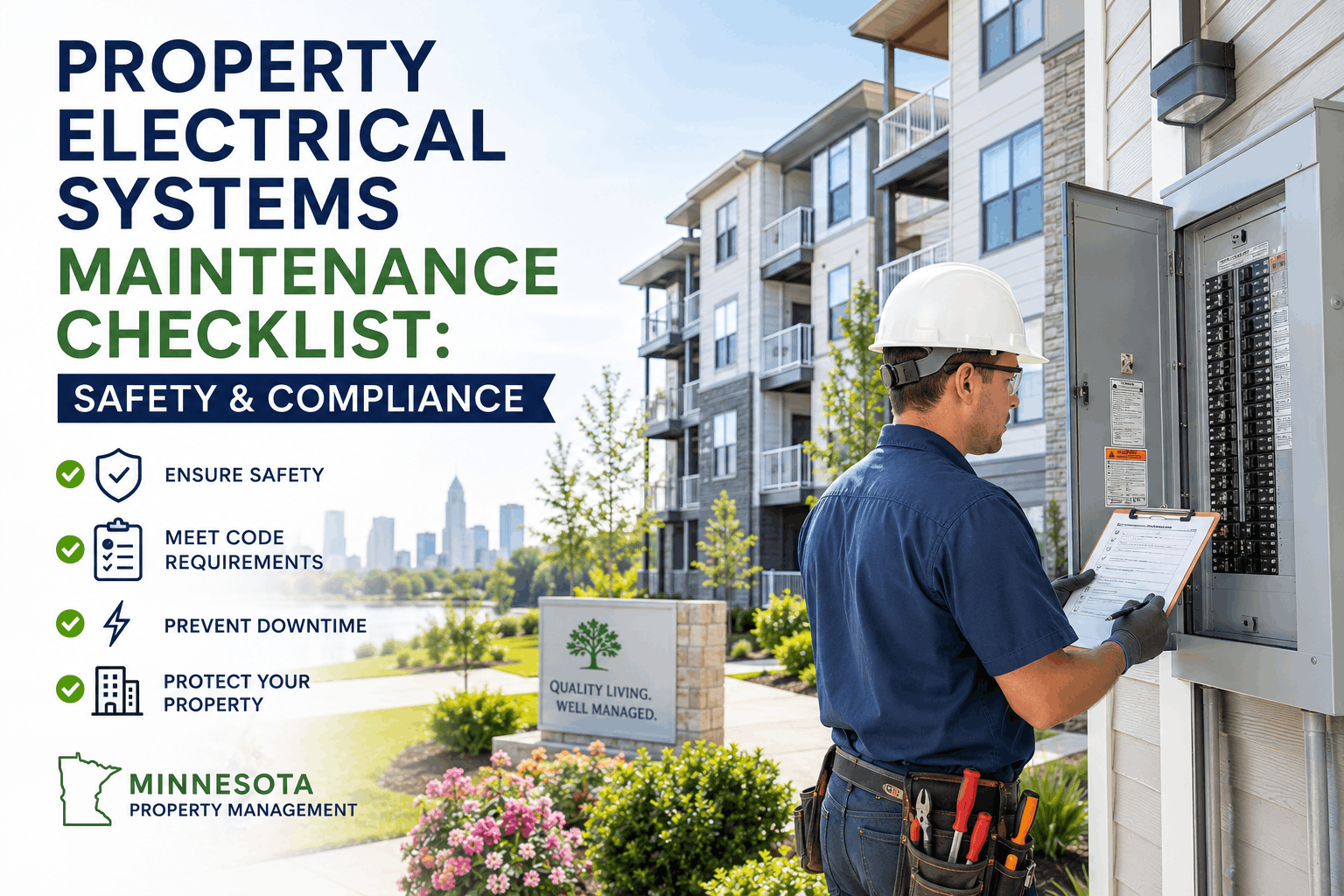
Senior living and healthcare facility maintenance management is unlike any other property type — the stakes extend far beyond broken fixtures or budget overruns. In nursing homes, assisted living communities, and medical facilities across the US, UK, Canada, Germany, and UAE, a missed inspection or overlooked life safety system isn't an operational inconvenience — it's a regulatory violation, a liability event, and most critically, a risk to the people in your care. Explore OxMaint for Healthcare and see how compliance-driven maintenance protects your residents, your staff, and your license to operate.
Built for the Complexity of Healthcare Facility Maintenance
OxMaint's Compliance & Audit Tracking gives senior living and healthcare teams automated inspection schedules, real-time audit trails, and life safety system documentation — all in one platform designed for regulated environments.
Why Healthcare Facility Maintenance Is a Distinct Discipline
Every property requires maintenance — but senior living communities, skilled nursing facilities, and medical buildings operate under regulatory complexity that transforms routine upkeep into a clinical and legal function. A broken HVAC in an office is an inconvenience; in a memory care unit in the UK or a long-term care home in Canada, it triggers a safeguarding investigation and regulatory citation. What separates high-performing healthcare maintenance programs isn't speed — it's discipline: structured inspection cycles, complete documentation, and a defensible compliance record. The right assisted living maintenance platform makes that discipline sustainable across every site in your portfolio. Sign up free and see how OxMaint supports every one of these requirements.
Core Compliance Areas Every Healthcare Maintenance Team Must Address
Regulatory compliance in senior living and medical facilities spans multiple frameworks simultaneously. Maintenance managers who understand which systems are under scrutiny — and which inspection cycles are mandatory — can build maintenance programs that satisfy surveyors and protect residents without duplicating effort. Book a demo to see how OxMaint maps every compliance category to your facility type.
Life Safety Systems Testing
Fire suppression, smoke detectors, emergency lighting, and fire doors all require documented testing on mandatory cycles — defined by NFPA 101 in the US and BS 5839 in the UK. Missed tests are among the fastest routes to a regulatory citation.
Medical Equipment Maintenance
Nurse call systems, patient lifts, emergency power, and medical gas outlets need PM schedules tied to regulatory minimums. Overdue service on these items is one of the most frequently cited deficiencies in CMS surveys and UK CQC inspections.
ADA and Accessibility Compliance
Grab bars, ramps, door hardware, and elevators must meet legal accessibility standards at all times. Regular documented audits reduce liability and directly support resident dignity and independence.
Infection Control and Sanitation Infrastructure
HVAC filters, plumbing, and hand hygiene stations become infection risks when maintenance is deferred. UK and Germany require documented Legionella management plans — a standard that regulators check during every inspection.
Resident Environment Standards
Temperature, lighting, flooring safety, and noise levels are regulatory requirements — not just comfort factors. Unresolved slip hazards or heating failures can trigger enforcement action from the CQC in the UK or state health departments in the US.
Emergency Preparedness and Backup Systems
Generators, backup communications, and evacuation equipment need documented testing cycles. CMS in the US and civil defense authorities in the UAE both require written records — and will ask for them during any unannounced visit.
Key Compliance KPIs for Senior Living and Healthcare Facilities
Tracking the right performance indicators transforms reactive compliance — fixing problems before surveys — into proactive compliance, where the maintenance record itself becomes the strongest evidence of safe operations. The table below sets the standard framework used by leading senior living operators across the US, UK, and Canada.
| Compliance KPI | What It Measures | Why It Matters in Healthcare | Target Benchmark |
|---|---|---|---|
| Life Safety PM Compliance Rate | % of mandatory life safety tests completed on schedule | Directly tied to survey pass rates and fire authority approvals | 100% — zero tolerance |
| Open Deficiency Close Rate | % of identified deficiencies resolved within mandated timeframes | Regulators assess response speed as a proxy for organizational competence | > 95% within deadline |
| Inspection Readiness Score | Completeness of documentation for all regulated maintenance categories | Unannounced surveys require instant access to complete maintenance records | > 98% documentation completeness |
| Preventive vs Reactive Maintenance Ratio | Share of planned vs unplanned work orders by asset category | High reactive rates in clinical areas signal systemic risk | < 15% reactive in regulated areas |
| Equipment PM Overdue Rate | % of medical and safety equipment with overdue service | Overdue PM on patient-affecting equipment is a direct citation risk | 0% overdue for critical assets |
| Resident Environment Response Time | Average hours to resolve resident-reported environmental issues | Resident dignity and regulatory framework both require prompt action | < 4 hours for urgent issues |
| Contractor Compliance Verification Rate | % of contractor work orders with verified credentials and sign-off documentation | Unverified contractors in care environments create liability and regulatory exposure | 100% verified before access |
How AI Vision Enhances Healthcare and Senior Living Maintenance
Computer vision technology — AI Vision — is creating a step-change in how healthcare facility maintenance teams detect, document, and prevent problems. By analyzing images and video in real time, AI Vision transforms routine inspections from paper-based snapshots into continuous, automated intelligence. For senior living operators in the UK, Germany, and the UAE, this means better outcomes with fewer resources.
AI scans inspection photos for trip hazards, broken grab bars, damaged flooring, or blocked exits — flagging issues instantly, before they cause injury.
Photos are auto-tagged, timestamped, and matched to compliance checklists. When a surveyor arrives unannounced, the full audit trail is ready in seconds.
AI detects propped fire doors, missing signage, or obstructed exits in real time — alerting maintenance teams to life safety breaches the moment they occur.
Periodic photos of flooring, handrails, and fittings are analyzed over time. AI spots deterioration early — before it becomes a deficiency or a fall hazard.
Before-and-after photos are compared by AI to confirm repairs meet standard. Substandard work is flagged before the work order closes — automatically.
AI verifies that high-touch surfaces and isolation room protocols have been completed correctly — giving infection control officers the documentation regulators expect.
Implementing a Compliance-Driven Maintenance Program: Step by Step
Building a maintenance program that satisfies regulators, protects residents, and gives your operations team confidence requires structured implementation. The pathway below reflects the approach used by high-performing senior living and healthcare operators across the US, Canada, and the UK. Schedule a demo to see how this maps to your specific facility type and regulatory environment.
Map Your Regulatory Obligations by Asset Category
Every regulated maintenance category — life safety systems, medical equipment, accessibility infrastructure, infection control systems — carries its own inspection interval, documentation requirement, and responsible party. Before deploying any healthcare maintenance system, build a complete regulatory obligation map for your facility type, licensure level, and jurisdiction. In multi-state or multi-country portfolios spanning the UK, Canada, and Germany, these requirements vary — the compliance map must reflect each location's specific framework.
Build Your Asset Register with Compliance Flags
A healthcare facility's asset register must do more than list equipment — it must classify each asset by its regulatory category, assign the applicable inspection standard, and link it to the responsible technician or contractor. Assets marked as life-safety-critical or patient-affecting should be treated as zero-tolerance items in your PM schedule. Any senior living maintenance platform that doesn't support this level of asset classification is not adequate for a regulated care environment.
Automate Preventive Maintenance Schedules
Manual PM scheduling in a healthcare environment is a compliance liability. A missed annual fire suppression inspection or overdue generator load test creates documentary gaps that surveyors identify immediately. Automated maintenance scheduling tied to each asset's regulatory interval ensures that no inspection cycle is forgotten — and generates the advance notifications that allow maintenance teams to plan labor and parts without reactive scrambling. OxMaint's compliance and audit tracking automates this scheduling layer for the full asset register.
Establish an Unbreakable Documentation Protocol
Documentation is not a byproduct of maintenance in healthcare — it is the maintenance. Every inspection, repair, test, and contractor visit must be recorded with date, technician, findings, and outcome. Mobile work order tools that require technicians to complete mandatory fields at the point of task completion — including photo evidence for regulated inspections — create the audit trail that keeps your facility survey-ready at all times. In the UK, CQC expects immediate access to records. In US facilities, CMS surveyors may request documentation going back three years.
Integrate Compliance Reporting into Leadership Reviews
Compliance performance — PM completion rates, open deficiency counts, overdue inspection items — must be visible to executive leadership, not just the maintenance team. Monthly compliance dashboards reviewed by the administrator, DON, and operations director create organizational accountability and surface systemic risks before they become citations. Quarterly reviews should use trend data to identify assets approaching end of useful life and plan capital replacement before failure occurs in a critical care environment.
Healthcare Maintenance Software Comparison
Selecting the right healthcare facility maintenance platform requires evaluating capabilities across the specific dimensions that regulated care environments demand — not just work order management. The comparison below reflects the criteria that facility directors and compliance officers in the US, UK, and Canada use when evaluating maintenance systems.
| Platform Feature | Generic CMMS Tools | Standard Facility Platforms | OxMaint for Healthcare |
|---|---|---|---|
| Compliance Inspection Scheduling | Manual calendar entries | Basic recurring tasks | Regulatory-interval-driven automated scheduling |
| Audit Trail and Documentation | Basic work order history | Limited log with manual export | Full digital audit trail with photo evidence and timestamp |
| Life Safety Asset Classification | Not available | Custom tags (manual setup) | Built-in life safety and patient-critical asset categories |
| Survey Readiness Reporting | Not available | Manual report exports | On-demand compliance summary by regulatory category |
| Contractor Credential Management | Not available | File attachment only | Integrated credential verification and expiry alerts |
| Mobile Inspection Tools | Desktop only | Basic mobile app | Full mobile inspection forms with photo capture and mandatory fields |
| Multi-Facility Compliance Dashboard | Single site | Portfolio rollup — limited | Cross-site compliance status with drill-down by category |
| Deficiency Tracking and Resolution | Not available | Manual follow-up tasks | Automated deficiency workflow with escalation and closure documentation |
The ROI of Compliance-Driven Maintenance in Senior Living
For senior living operators and healthcare facility managers in Canada, Germany, the UK, and the UAE, the return on investment in a purpose-built healthcare compliance maintenance platform operates across four distinct value streams — each significant on its own, and compounding together over time. Sign up free and start tracking your ROI from day one.
Beyond the direct cost and compliance benefits, facilities that demonstrate consistent maintenance excellence experience meaningfully better census outcomes. Family members selecting care for loved ones weight facility condition and safety record heavily in their decision — a well-maintained environment with transparent compliance documentation commands premium pricing and sustains higher occupancy. Explore OxMaint's compliance features to see exactly how these outcomes are built.
Common Compliance Challenges — and How High-Performing Facilities Solve Them
Even experienced healthcare maintenance teams encounter recurring obstacles that create compliance gaps. Understanding these challenges and the operational fixes that high-performing facilities use prevents the documentation failures that surveyors find most damaging to facility ratings.
Problem: Annual and semi-annual inspections are missed when teams rely on manual calendars or spreadsheets — especially during staff transitions.
Fix: Automated PM scheduling tied to regulatory intervals with advance notifications sent to maintenance leads — the system manages the calendar, not the individual.
Problem: Technicians complete inspections but log minimal details — no findings, no photos, no asset tag — creating an audit trail that satisfies no one.
Fix: Mobile work order forms with mandatory fields and photo capture requirements that cannot be bypassed at task completion.
Problem: Third-party contractors perform life safety work but their credentials, certificates, and sign-off documents are not centrally stored or tracked for expiry.
Fix: A vendor management module within the maintenance platform that stores credentials, flags expiries, and blocks work order assignment to unverified contractors.
Problem: Regional managers overseeing multiple communities in the US, UK, or Germany have no single view of which facilities are behind on compliance obligations.
Fix: A multi-site compliance dashboard that shows PM completion rates, open deficiency counts, and overdue inspections across every location in the portfolio — ranked by risk.
Best Practices for Healthcare and Senior Living Maintenance Teams
Sustained compliance excellence in elder care and medical facility environments requires more than good tools — it requires the operational habits that turn healthcare maintenance automation into a lasting organizational capability.
Treat Every Inspection as an Unannounced Survey
Document every inspection to the standard you would maintain if a regulator were present. Consistency in documentation eliminates the gaps that surveyors find most damaging.
Classify Assets by Regulatory Risk Level
Not all assets carry equal compliance weight. Prioritize zero-tolerance PM compliance for life safety systems and patient-affecting equipment before optimizing lower-risk asset categories.
Build a 90-Day Forward Compliance Calendar
Review upcoming inspection obligations 90 days in advance. This window allows contractor scheduling, parts procurement, and staffing decisions to be made without emergency premiums.
Involve Clinical Leadership in Maintenance Planning
The Director of Nursing and Infection Control Nurse are primary stakeholders in maintenance decisions that affect clinical environments. Monthly joint reviews align maintenance priorities with resident care objectives.
Monitor Regulatory Changes by Jurisdiction
CMS, CQC, provincial health authorities in Canada, and equivalent bodies in Germany and the UAE update care environment standards regularly. Assign ownership for monitoring and translating regulatory updates into maintenance schedule adjustments.
Conduct Internal Mock Surveys Quarterly
Walk your facility as a regulator would — with your compliance checklist and maintenance records in hand. Identifying documentation gaps internally is always less costly than discovering them during an official inspection.
The Future of Senior Living and Healthcare Facility Maintenance
The next generation of healthcare maintenance intelligence will close the gap between inspection and action entirely. AI-powered maintenance platforms are already moving toward predictive compliance — identifying assets whose performance data or age profile suggests imminent regulatory risk before the PM date arrives, and automatically escalating their priority in the maintenance schedule.
Natural language reporting will allow compliance officers to ask their maintenance system questions such as "which life safety assets are approaching their inspection deadline in the next 30 days?" and receive instant answers without manual report generation. As IoT sensor integration becomes standard in care environments — monitoring temperature, air quality, humidity, and equipment vibration continuously — the line between maintenance and clinical environmental monitoring will converge into a single healthcare compliance platform.
For senior living operators in the US, UK, Canada, Germany, and the fast-growing UAE care market, the facilities that invest now in purpose-built compliance and maintenance infrastructure will have a structural advantage — better survey outcomes, lower liability exposure, stronger occupancy, and the organizational confidence that comes from knowing their documentation is always current and complete. Book a demo and see how OxMaint builds that advantage for your portfolio.
OxMaint: Purpose-Built for Healthcare Compliance
Automated scheduling, digital audit trails, and multi-site compliance visibility — in one platform built for regulated care environments.
Frequently Asked Questions
Senior living and healthcare facilities operate under strict regulatory frameworks — CMS Conditions of Participation, NFPA 101 Life Safety Code, CQC standards in the UK, and provincial licensing in Canada — each with mandatory inspection intervals, documentation requirements, and response time obligations. Unlike a commercial property, a missed PM or undocumented inspection in a care environment can result in regulatory citations, financial penalties, or license suspension. Maintenance teams here are not just fixing equipment — they are actively protecting vulnerable residents and demonstrating continuous compliance to surveyors. A general-purpose CMMS simply isn't built for this level of accountability. You need purpose-built senior living maintenance software with compliance tracking, automated scheduling, and a full digital audit trail.
Life safety systems — fire suppression, smoke detection, emergency egress, and fire doors — carry the highest risk because failures directly threaten lives and trigger immediate regulatory action. Medical equipment supporting residents, including nurse call systems, patient lifts, and emergency power, is equally critical and frequently cited in CMS surveys and UK CQC inspections. Infection control infrastructure — HVAC, water systems, and sanitation — carries significant risk that regulators scrutinize closely. Accessibility systems like grab bars, ramps, and elevators affect resident safety and dignity every day. Every healthcare facility maintenance platform must treat all of these as zero-tolerance categories for PM compliance.
The most effective approach is maintaining continuous survey readiness — not scrambling when an inspector arrives. This means keeping all preventive maintenance on schedule, logging every inspection with complete documentation, and tracking every deficiency through to verified closure. Surveyors look for patterns: repeated gaps, overdue items, and missing records are red flags that trigger deeper investigation. A digital maintenance system that generates on-demand compliance summaries by regulatory category gives your administrator the same view a surveyor has — so nothing comes as a surprise. Facilities that maintain this standard consistently see significantly better survey outcomes.
Yes — and for regional operators managing portfolios across the US, UK, Canada, Germany, or the UAE, a multi-site compliance dashboard isn't optional, it's essential. It gives you portfolio-wide visibility into PM completion rates, overdue inspections, open deficiency counts, and documentation gaps — all in one view, with drill-down to any individual facility or asset category. Regional managers can identify which communities are most at risk before a surveyor does, and allocate maintenance resources proactively rather than reactively. OxMaint's platform is built for exactly this level of oversight at scale. Start a free trial or book a demo to see it in action.