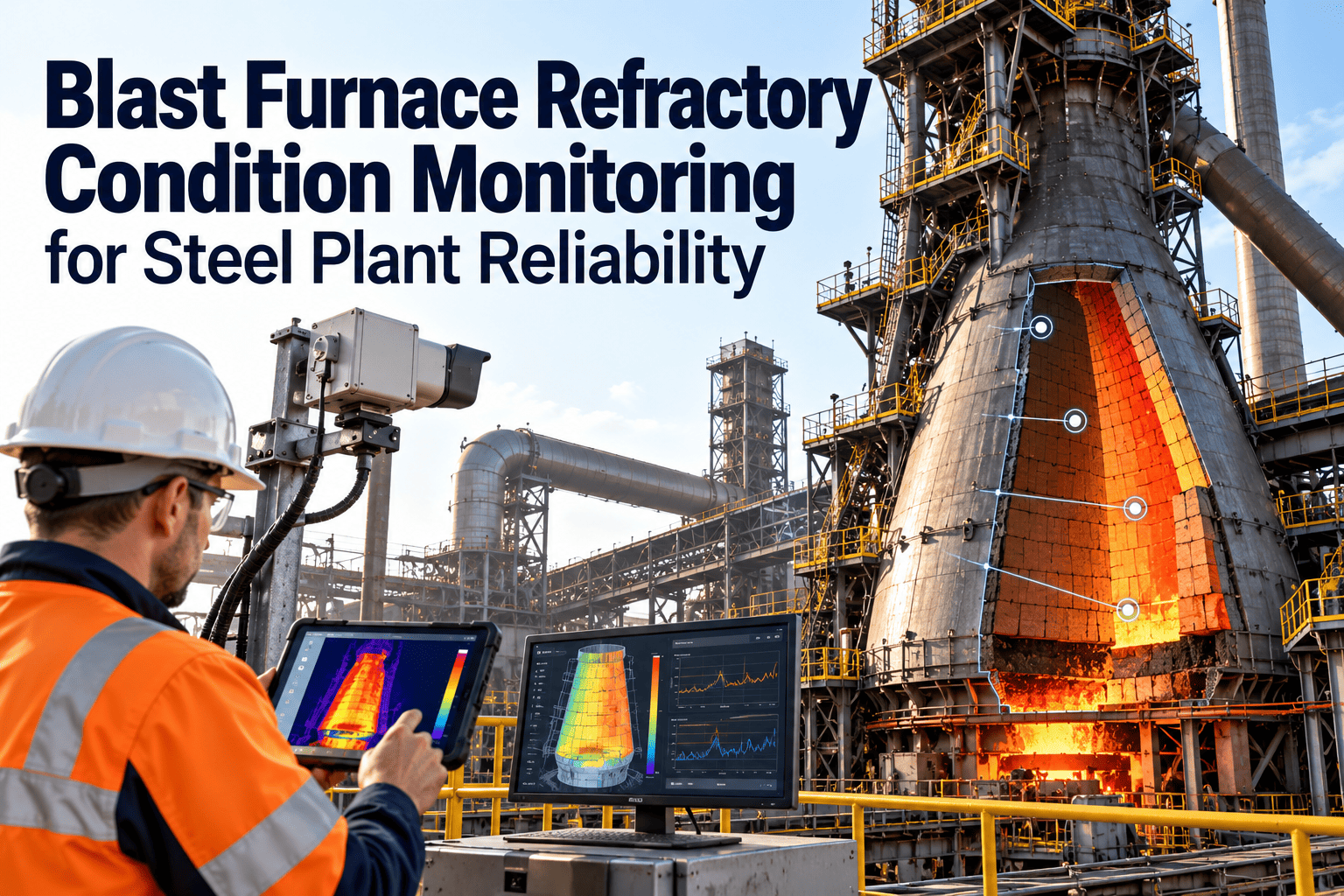
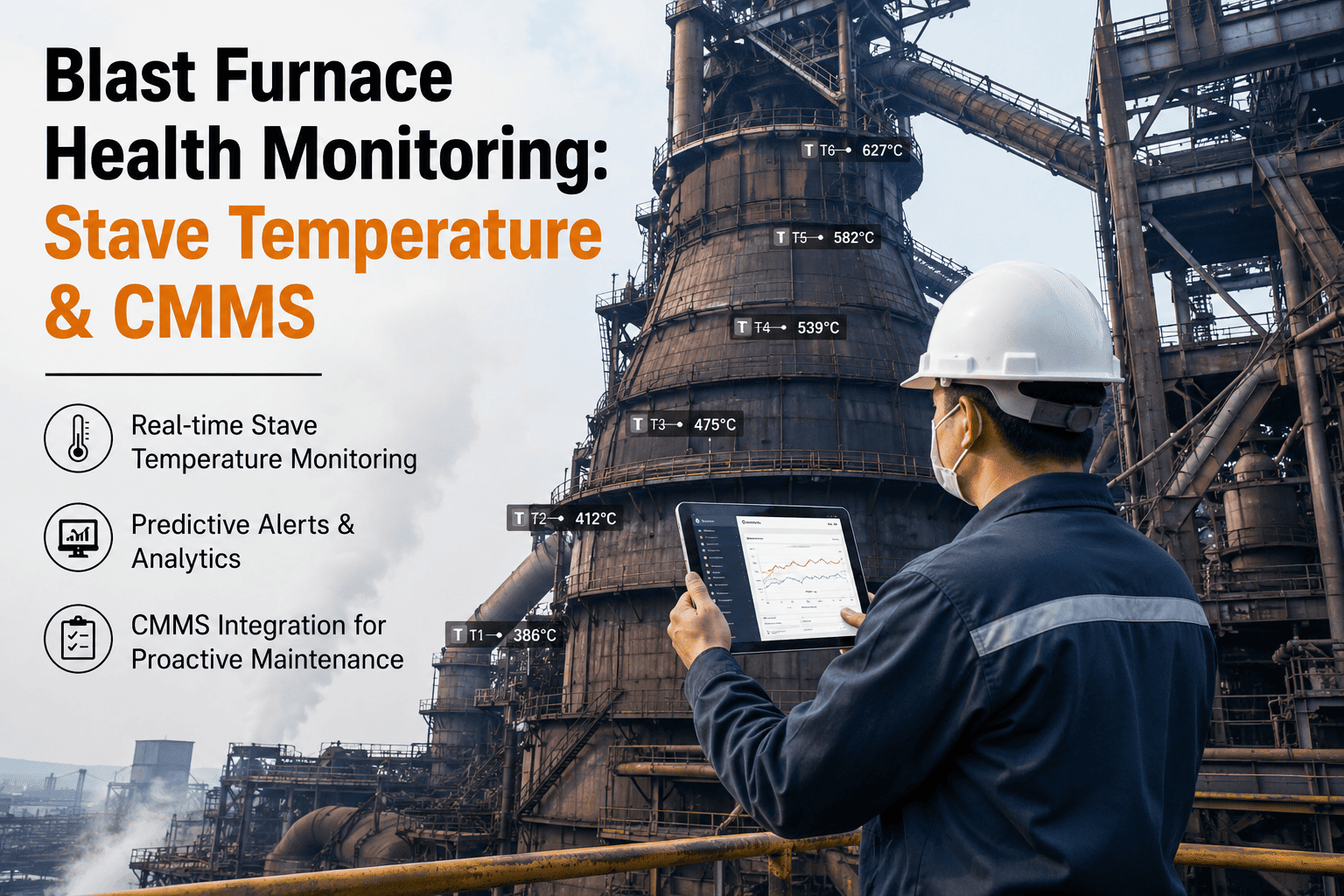
Blast furnaces are the beating heart of integrated steel production, transforming iron ore into molten metal at temperatures exceeding 2,000°C. These massive industrial assets represent investments of hundreds of millions of dollars and produce thousands of tons of hot metal daily. Yet their extreme operating conditions—high temperatures, corrosive slag, abrasive burden materials, and constant thermal cycling—create relentless wear on refractory linings, cooling systems, and critical components. The difference between a 12-year campaign and a 20-year campaign often comes down to one factor: maintenance management excellence.
Modern blast furnace campaigns target 15-20 years of continuous operation, with world-class facilities achieving over 20 years and cumulative production exceeding 60 million tons. Achieving these results requires comprehensive maintenance management systems that integrate condition monitoring, predictive analytics, and systematic repair strategies. When a single reline costs tens of millions of dollars and takes 30-90 days of lost production, every additional year of campaign life represents enormous value—making proactive maintenance not just a best practice, but a competitive necessity.
The Economics of Campaign Life Extension
Every additional year of blast furnace campaign life delivers substantial economic value. When reline costs run into tens of millions of dollars—including refractory materials, labor, engineering, and lost production—extending campaign life by even a few years dramatically improves return on investment.
Reline Costs
Full blast furnace relines require massive investment in refractory materials, specialized labor, engineering services, and equipment. The lost production during 30-90 days of downtime often exceeds the direct repair costs.
- Refractory materials: $10-25M+
- Labor and installation: $5-15M
- Engineering and project management: $2-5M
- Lost production (60 days): $50-150M+
Extension Value
Each additional year of campaign life defers these massive costs while maintaining production. Top-performing furnaces achieve 20+ year campaigns through excellent maintenance management and operational discipline.
- Deferred capital expenditure
- Continuous hot metal production
- Optimized refractory utilization
- Improved plant competitiveness
Critical Components and Wear Mechanisms
Understanding where and how blast furnaces deteriorate is essential for effective maintenance planning. Different zones experience distinct wear mechanisms requiring tailored monitoring and repair strategies.
Hearth & Bottom
The hearth determines campaign life. It cannot be repaired without a full reline, so protecting it is paramount.
- Hot metal erosion and dissolution
- Alkali attack on carbon lining
- Elephant foot erosion pattern
- Thermal stress cracking
- Embedded thermocouples (500-1000+ sensors)
- Heat flux probes at cooling staves
- 3D erosion modeling
- Titanium addition for protective skull
Tuyere Zone
Tuyeres inject hot blast into the furnace. Failures cause immediate production impact and potential water leaks.
- High heat load from raceway
- Slag and metal splash erosion
- Water leak risk from burnthrough
- Thermal fatigue cycling
- Cooling water flow and temperature
- Thermal imaging for hot spots
- Visual inspection during stops
- Tuyere stock condition checks
Bosh & Belly
The bosh and belly experience intense heat loads as the melting zone impacts the walls.
- High thermal load from cohesive zone
- Chemical attack from ascending gases
- Coke abrasion during descent
- Slag penetration
- Copper stave heat flux monitoring
- Shell temperature mapping
- Cooling water differential
- Profile meter measurements
Stack (Shaft)
The stack handles burden descent and gas ascent. Wear is primarily mechanical but can be repaired by gunning.
- Abrasion from descending burden
- Chemical attack from CO-rich gas
- Scaffolding and accretion formation
- Thermal cycling damage
- Above-burden probes
- Stock movement sensors
- Profile meters
- Gas composition analysis
Optimize Your Blast Furnace Campaign Life
Implement comprehensive maintenance management with real-time condition monitoring, predictive analytics, and systematic repair tracking.
Condition Monitoring Technologies
Modern blast furnace monitoring integrates hundreds to thousands of sensors providing real-time visibility into furnace condition. Advanced analytics transform this data into actionable maintenance intelligence.
Thermocouple Arrays
Up to 1,000+ thermocouples embedded in refractory lining at multiple depths provide temperature distribution mapping for erosion modeling. Critical for hearth monitoring.
Heat Flux Probes
Measure heat transfer through refractory lining directly. More sensitive than thermocouples for detecting wear. Reduces measurement errors by up to 40%.
Thermal Imaging
Fixed and portable IR cameras detect hot spots on shell, tuyere stocks, bustle main, and hot blast system. Essential for preventing catastrophic failures.
Pyrometers
Non-contact infrared temperature measurement for hot blast main, stove dome, and tapping stream. Eliminates thermocouple maintenance in extreme temperature zones.
Cooling Water Monitoring
Flow rate, inlet/outlet temperature differential, and pressure monitoring detect water leaks and cooling efficiency degradation before they become critical.
3D Erosion Modeling
AI-powered software combines sensor data to visualize remaining refractory thickness in real-time. Predicts reline timing and identifies high-risk zones.
Maintenance Strategy Framework
Effective blast furnace maintenance combines operational practices that minimize wear, systematic monitoring to detect problems early, and proven repair techniques to extend campaign life. Modern CMMS platforms integrate all three elements into a unified management system.
Operational Practices
How the furnace is operated directly impacts campaign life. Stable operation with controlled burden distribution minimizes refractory stress.
- Burden Distribution Control: Maintain reasonable gas flow distribution to prevent wall attack
- Thermal Load Management: Avoid excessive wall working that accelerates wear
- Slip Prevention: Minimize massive burden slips that damage refractory
- Controlled Shutdowns: Use compensated burden and staged blowdown
- Hearth Protection: Add titaniferous material to form protective skull
- Coke Quality Management: Monitor bosh coke degradation affecting permeability
Systematic Monitoring
Comprehensive condition monitoring provides early warning of developing problems and data for optimal maintenance timing.
- Temperature Trending: Track long-term trends in refractory thermocouples
- Heat Flux Analysis: Monitor cooling stave efficiency and lining wear
- Thermal Surveys: Regular IR camera inspection of shell and auxiliaries
- Water Leak Detection: Continuous monitoring of all cooling circuits
- Process Correlation: Link wear patterns to operational conditions
- Predictive Modeling: AI-driven remaining life estimation
Repair Techniques
Proven repair methods extend campaign life by addressing localized damage without requiring full reline.
- Gunning/Shotcreting: Rebuild stack lining during short stoppages
- Hex-Frame Method: Steel grates support thicker gunned repairs
- Grouting: Fill gaps between shell and lining to restore heat transfer
- Enhanced Cooling: Add cooling pipes in high-wear areas
- Taphole Maintenance: Regular repair of critical wear zone
- Stave Replacement: Replace damaged cooling elements during stops
Critical Auxiliary Equipment
Blast furnace campaign life depends not just on the furnace itself, but on the reliability of supporting systems that must operate continuously throughout the campaign.
Hot Blast Stoves
Must operate trouble-free for entire campaign. Burner maintenance, refractory inspection, and valve servicing are critical. Temperatures up to 1,500°C require specialized monitoring.
Blower System
Blower failure takes the furnace off-blast suddenly and uncontrolled, allowing slag to enter tuyeres and potentially the bustle pipe. Standby capacity and preventive maintenance essential.
Charging System
Bell-less top or bell system must maintain precise burden distribution. Equipment wear affects gas flow patterns and wall loading. Regular inspection during planned stops.
Gas Cleaning Plant
Processes top gas for energy recovery and environmental compliance. Cyclones, scrubbers, and electrostatic precipitators require regular maintenance to maintain efficiency.
Maintenance Planning Best Practices
Minimize Stoppage Duration
Good planning and advance preparation reduce off-blast time. Have materials, equipment, and personnel ready before scheduled stops. Use pig casting machines or torpedo fleet as buffers for short stoppages.
Maximize Opportunistic Maintenance
When the furnace comes off-blast for any reason (tuyere change, downstream issues), perform additional maintenance work. Combine activities to reduce total campaign stoppages.
Stage Campaign-End Maintenance
Intensify monitoring and maintenance as campaign progresses. Increase gunning frequency, enhance cooling in wear areas, and strengthen hearth protection measures in later years.
Coordinate with Downstream
Align blast furnace maintenance with steel shop schedules. Use planned steel shop outages for furnace work. Maintain communication for advance warning of unplanned stops.
Document and Analyze
Maintain detailed records of all repairs, sensor readings, and operational conditions. Use historical data to predict future wear patterns and optimize maintenance timing.
Invest in Predictive Technologies
AI-powered erosion modeling, wireless sensor networks, and integrated monitoring platforms provide earlier warning and better decision support than traditional methods.
ROI of Excellence in Maintenance
These results were achieved through optimized furnace design, high-quality refractories, advanced cooling systems, stable operation, and disciplined maintenance management throughout the campaign.
Maximize Your Blast Furnace Campaign Life
Implement comprehensive maintenance management with integrated condition monitoring, predictive analytics, and systematic repair tracking to extend campaign life and optimize operational performance.