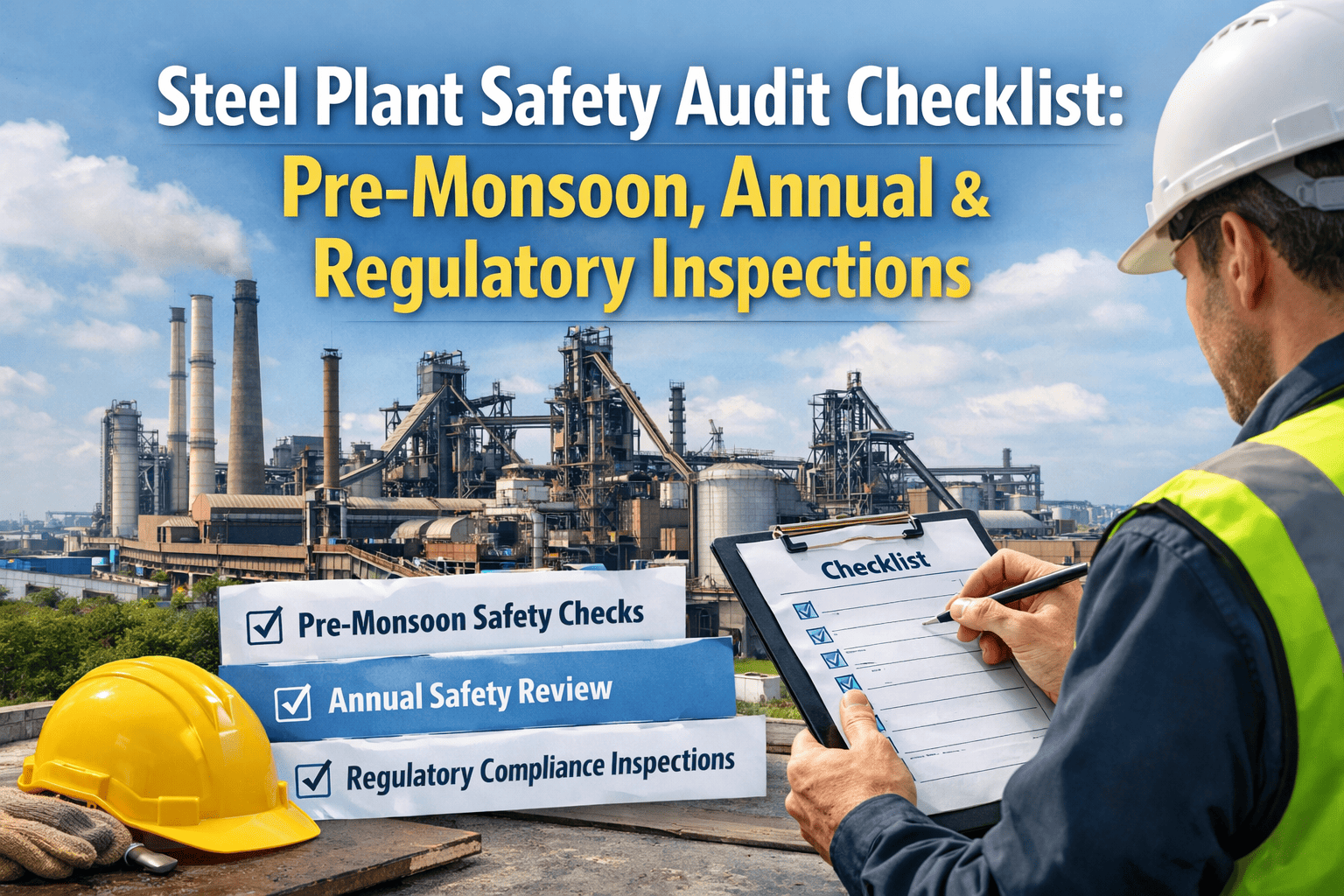
The auditor arrives in three weeks. Are you ready? For many manufacturing teams, audit preparation means frantic document searches, last-minute record updates, and sleepless nights hoping nothing critical was missed. But audit readiness doesn't have to be stressful—it can be a continuous state rather than a periodic scramble. Modern quality management platforms make always-on audit readiness achievable and sustainable.
Whether you're preparing for ISO 9001, IATF 16949, API, or customer-specific audits, the fundamentals remain the same: documented processes, objective evidence, and demonstrated compliance. This guide provides a comprehensive framework for achieving and maintaining audit readiness across all major manufacturing quality standards.
Where Does Your Organization Stand?
Most manufacturers discover significant gaps only when audit preparation begins. Continuous readiness eliminates surprises and transforms audits from stressful events into routine confirmations of your quality system's effectiveness.
Common Standards and Requirements
Different industries require different certifications, but they share common foundations. Understanding the relationships between standards helps you build a QMS that satisfies multiple requirements efficiently. Talk to our compliance experts about your specific certification needs.
ISO 9001:2015
The universal quality management system standard that forms the foundation for all industry-specific standards.
IATF 16949:2016
Automotive-specific requirements building on ISO 9001 with enhanced focus on defect prevention and supply chain.
API Q1/Q2
Petroleum industry requirements emphasizing product conformity, risk management, and supply chain control.
AS9100D / IA9100
Aerospace and defense requirements with rigorous configuration management and product safety emphasis.
The Audit Readiness Framework
Audit readiness rests on four pillars: documentation, implementation, records, and continuous improvement. Weakness in any area creates vulnerability during audits.
Documentation
Policies, procedures, and work instructions that define how your QMS operates.
- Quality manual and policy
- Process procedures
- Work instructions
- Forms and templates
Implementation
Evidence that documented processes are actually followed in daily operations.
- Training records
- Process observations
- Operator interviews
- Real-time compliance
Records
Objective evidence that requirements were met—the proof auditors seek.
- Inspection records
- Test results
- Calibration certificates
- Traceability data
Improvement
Demonstration that the QMS drives actual performance improvement over time.
- Corrective actions
- Trend analysis
- Management review
- KPI improvements
Achieve Continuous Audit Readiness
Transform audit preparation from a periodic scramble into an always-on state of readiness with Oxmaint's quality management platform.
Pre-Audit Checklist
Use this comprehensive checklist to assess your readiness before any quality audit. Items marked as critical must be addressed—they're common sources of major nonconformities. Oxmaint automates tracking of these requirements so nothing falls through the cracks.
Document Control
Training & Competence
Calibration
Nonconformance & CAPA
Performance & Management Review
Supplier Management
Legend: Items marked with are critical—these are common sources of major nonconformities and should be verified first.
Audit Day Best Practices
Even with excellent preparation, audit day execution matters. These practices help ensure your audit runs smoothly and your organization presents itself in the best possible light.
Do
Don't
Never Scramble for Records Again
With Oxmaint, every record is organized, searchable, and ready for auditor review in seconds—not hours.
Common Audit Findings
Learning from others' mistakes helps you avoid repeating them. These are the most frequent nonconformities across manufacturing quality audits—address them proactively to strengthen your system. Schedule a gap assessment to identify vulnerabilities in your system.
Incomplete Corrective Action
CAPAs that address symptoms but not root causes, lack effectiveness verification, or remain open past due dates.
Calibration Gaps
Measuring equipment used past calibration due date, missing certificates, or inadequate traceability to national standards.
Training Record Deficiencies
Missing evidence of competence evaluation, incomplete training for new processes, or no record of required certifications.
Document Control Failures
Obsolete documents in use, uncontrolled external documents, or work instructions that don't match actual practice.
Supplier Management Weaknesses
Incomplete supplier evaluations, purchases from unapproved suppliers, or inadequate incoming inspection.
Management Review Inadequacies
Reviews that don't cover all required inputs, lack documented outputs/actions, or aren't conducted per schedule.
Technology for Audit Readiness
Modern quality management software transforms audit readiness from a periodic project into a continuous state. Oxmaint's platform provides these essential capabilities for always-on compliance.
Centralized Documentation
All procedures, policies, and work instructions in one searchable location with automatic version control and approval workflows.
Automated Reminders
Never miss a calibration due date, CAPA deadline, or management review. The system alerts responsible parties before items become overdue.
Instant Record Retrieval
Find any record in seconds with powerful search. No more digging through filing cabinets or scattered spreadsheets during audits.
Complete Traceability
Every record links to related materials, processes, equipment, and personnel—demonstrating the connections auditors look for.
Compliance Dashboards
Real-time visibility into QMS health—open CAPAs, calibration status, training gaps, and audit findings at a glance.
Audit Management
Schedule internal audits, assign auditors, track findings, and manage corrective actions through a complete audit lifecycle.
Building a Culture of Readiness
Technology and checklists help, but sustainable audit readiness requires a culture where quality is everyone's responsibility, not just the quality department's job.
Leadership Commitment
Executives visibly support the QMS through resource allocation, participation in reviews, and holding teams accountable for quality metrics—not just production targets.
Employee Engagement
Frontline workers understand why procedures exist and feel empowered to raise quality concerns without fear. They own their processes and take pride in compliance.
Continuous Internal Auditing
Internal audits happen regularly throughout the year—not just before external audits. Findings are welcomed as improvement opportunities, not punishments.
Real-Time Compliance Monitoring
Quality metrics are visible, discussed in daily huddles, and acted upon immediately. Problems are addressed when small, not after they become audit findings.
Be Audit-Ready Every Day
Transform your quality management from periodic compliance to continuous excellence with Oxmaint's integrated platform.
Frequently Asked Questions
How far in advance should we start preparing for an audit?
Ideally, you shouldn't need to "prepare"—your system should always be audit-ready. That said, 4-6 weeks before an external audit, conduct a thorough internal audit and gap assessment. Use 2-3 weeks to address any findings, and spend the final week on logistics and refreshing employees on audit protocols. With Oxmaint's continuous compliance features, most of this preparation becomes unnecessary.
What's the difference between a minor and major nonconformity?
A minor nonconformity is a single lapse that doesn't affect system effectiveness—like one missing signature or a single overdue calibration. A major nonconformity indicates a systemic breakdown—like no calibration program at all, or complete absence of management review. Multiple related minors can be elevated to a major if they indicate a pattern.
Can we fail an audit?
Yes. While certification bodies generally work with organizations to achieve compliance, severe or numerous major nonconformities can result in failed certification, suspension, or withdrawal. Common causes include major safety issues, falsified records, or fundamental QMS breakdowns. The key is addressing issues before they become systemic failures.
How should we handle a finding we disagree with?
First, ask for clarification on the specific requirement and evidence that led to the finding—do this during the audit, not after. If you still disagree, note your position but accept the finding gracefully. You can appeal through the certification body's formal process if warranted. Never argue or become confrontational with the auditor during the audit.
What records should we retain and for how long?
Retention requirements vary by standard and industry. Generally, quality records should be retained for at least 3 years or as specified by customer or regulatory requirements. IATF 16949 requires automotive records for 15 years or longer. Calibration records, training records, and product traceability data often have longer requirements. Always check your specific standard and customer requirements.
Compliance Without the Chaos
Whether you're pursuing initial certification or maintaining existing credentials, Oxmaint makes audit readiness simple, sustainable, and stress-free.