ESG and AI: How Sovereign Servers Deliver More Accurate Carbon Footprint Tracking
Your sustainability team just spent 340 hours compiling last quarter's ESG report. They pulled energy data from six spreadsheets, chased down Scope 3 numbers from fourteen suppliers who use different measurement standards, and manually reconciled carbon figures that didn't match across three reporting frameworks. The final number? A best guess — because less than 30% of organizations feel confident in the accuracy of their ESG data. Meanwhile, California's SB 253 mandates Scope 1 and 2 emissions reporting starting in 2026 for businesses over $1 billion in revenue. The EU's CSRD is already live. And Scope 3 emissions — which account for 75-90% of most companies' total footprint — are disclosed by only 15% of firms. The carbon management market is projected to hit $15.9 billion in 2026 because spreadsheets can't deliver what regulators, investors, and customers now demand. AI running on sovereign infrastructure can.
The ESG Data Crisis — Why Accuracy Is Failing
~70%
Of executives cite data quality as their top ESG reporting challenge
85%
Of investors say greenwashing claims are now a more serious issue than 5 years ago
15%
Of companies disclose Scope 3 emissions — the category that's 75-90% of their total footprint
60%
Of finance leaders struggle with fragmented ESG data across systems
$15.9B
Carbon management market in 2026, growing at 15.2% CAGR annually
63%
Of companies using or planning AI for ESG data collection and reporting
155%
Surge in global ESG regulations over the past decade — enforcement accelerating
90%
Of S&P 500 companies now release ESG reports — accuracy is the new battleground
Scope 1, 2, and 3: The Carbon Visibility Gap
Most enterprises can measure what they directly burn (Scope 1) and what electricity they buy (Scope 2) with reasonable accuracy. The massive blind spot is Scope 3 — the value chain emissions from suppliers, logistics, product use, and disposal that represent the vast majority of your carbon footprint. PwC found that 80% of an organization's supply chain emissions typically come from just 20% of its purchases. Yet 57% of companies say supplier data collection is their biggest challenge. AI changes this math fundamentally.
The Three Scopes of Carbon Emissions
Scope 1 — Direct
~5-10% of total footprint
On-site combustion, fleet vehicles, manufacturing processes, refrigerant leaks. You own these sources — measurement is direct.
74% of companies report this
Scope 2 — Energy
~10-20% of total footprint
Purchased electricity, steam, heating, cooling. Your grid's energy mix matters — server location directly changes this number.
Sovereignty changes this math
Scope 3 — Value Chain
75-90% of total footprint
Suppliers, logistics, employee commuting, product use, disposal. 15 GHG categories. Outside your direct control — hardest to measure.
Only 15% disclose this
SB 253 mandates Scope 1 & 2 in 2026, Scope 3 in 2027 — CSRD already live in EU — ISSB aligning globally
Self-reported emissions data is often dramatically wrong. Research from the Technical University of Munich found that self-reported emissions from 56 major manufacturers were underestimated by 391 megatonnes of CO2 equivalent — roughly equal to Australia's entire annual emissions. AI eliminates this gap by continuously pulling data from operational systems rather than relying on manual estimates. If your current reporting relies on spreadsheets and quarterly data dumps, switch to continuous AI-powered tracking — sign up free.
Why Sovereign Servers Change the Carbon Accounting Equation
Most ESG teams don't realize that where their data is processed directly impacts their carbon reporting accuracy — and integrity. When emissions data is routed through cloud servers in coal-heavy grid regions, the computation itself adds to your carbon footprint. When that data crosses borders, it falls under conflicting regulatory frameworks. Sovereign AI infrastructure solves both problems simultaneously: it keeps your ESG data under the right jurisdiction and allows you to choose infrastructure powered by verifiable clean energy.
The Sovereign AI Advantage for ESG Reporting
Three ways data sovereignty transforms carbon accounting accuracy
Regulatory-Aligned Data Processing
Your Data Stays in the Jurisdiction That Governs Your Reports
ESG data processed on sovereign infrastructure remains under the same regulatory framework that governs your reporting obligations. No cross-border transfers triggering GDPR conflicts. No ambiguity about which carbon accounting standards apply. Every data point maintains a jurisdiction-specific, audit-ready trail.
Audit-ready compliance with CSRD, SB 253, ISSB, GRI simultaneously
Clean-Grid Computation
Your AI Processing Doesn't Undermine Your Emissions Targets
Data centers will consume approximately 1,000 TWh of electricity by 2026 — nearly 3% of global supply. Choosing sovereign infrastructure in clean-energy regions (Nordic hydro, French nuclear) means your Scope 2 footprint from data processing is measurably lower. The EU targets carbon-neutral data centers by 2030.
Verifiable Scope 2 reduction from choosing clean-energy sovereign infrastructure
Real-Time Emissions Intelligence
From Quarterly Estimates to Continuous Measurement
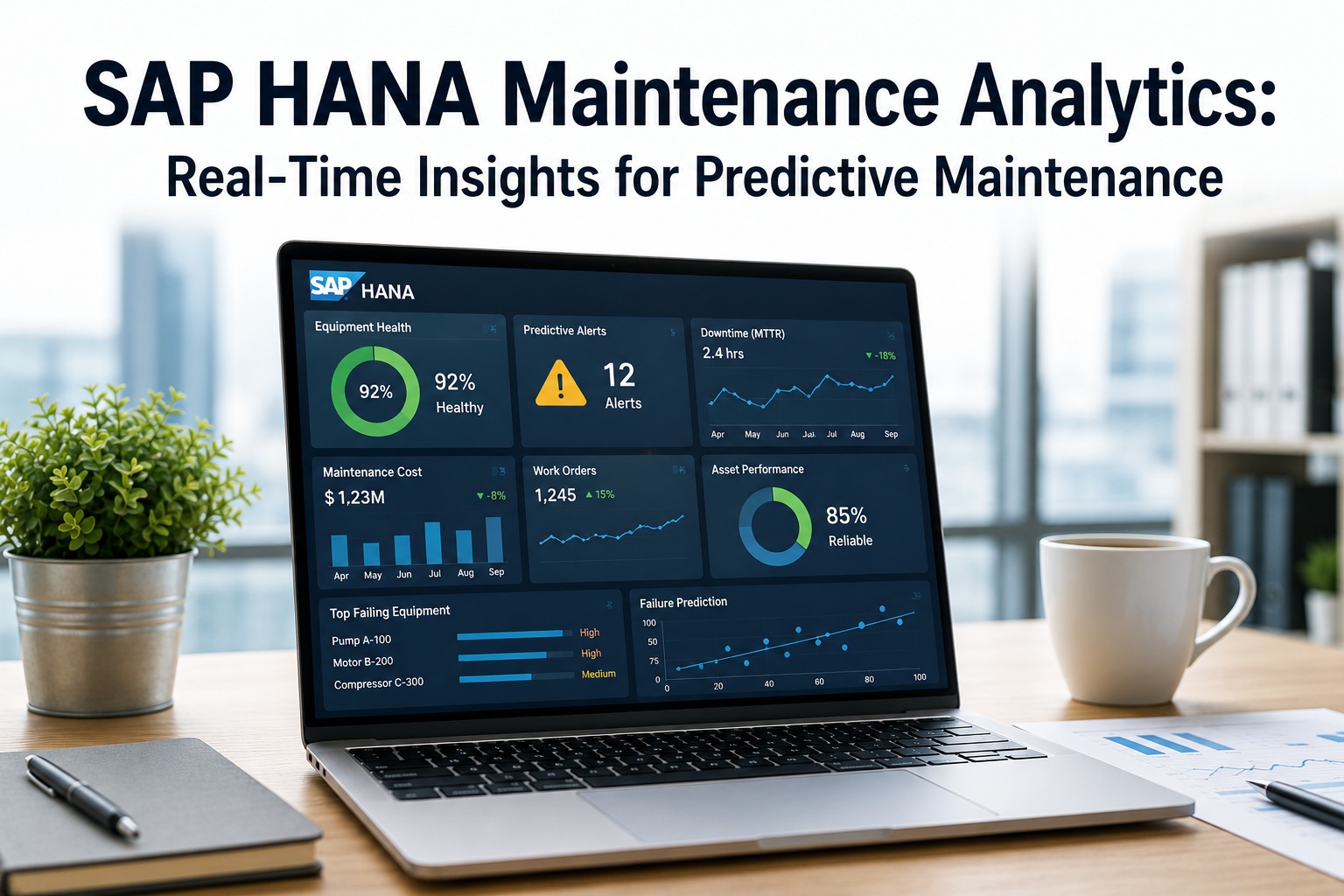
AI on sovereign edge infrastructure connects directly to your CMMS, BMS, HVAC, fleet telematics, and production systems. Every kilowatt, every fuel purchase, every maintenance event is captured and categorized in real time — not reconstructed from invoices three months later.
Continuous, time-stamped carbon accounting vs. quarterly manual reconciliation
Companies producing certified sustainable operations data attract 27% higher investor interest and see 15-20% higher market share growth. The competitive advantage isn't just avoiding fines — it's winning capital and customers. Organizations that book a strategy session to align operations data with ESG requirements get ahead before enforcement catches up.
Turn Maintenance Data Into Audit-Ready ESG Reports
Your CMMS already captures the energy, fuel, and asset data that forms the backbone of carbon accounting. Oxmaint's AI transforms it into accurate Scope 1, 2, and 3 tracking — automatically and continuously.
Manual Reporting vs. AI-Powered Carbon Intelligence
The AI in ESG market is valued at $8 billion in 2025 and growing at 21% CAGR. That growth is driven by a simple impossibility: humans cannot manually reconcile the volume, velocity, and variety of emissions data that modern frameworks demand across Scope 1, 2, and 3 simultaneously, while mapping to GRI, ISSB, CSRD, and TNFD at the same time. Here's what changes when AI takes over.
Spreadsheet ESG vs. AI + Sovereign Infrastructure
Swipe to compare
Capability
Manual / Spreadsheet
AI + Sovereign Servers
Data Collection
Quarterly, 340+ hours per cycle
Continuous, automated, real-time
Scope 3 Visibility
Estimates and proxies (15% disclose)
AI-modeled from supply chain data
Data Confidence
Less than 30% feel confident
Audit-grade, framework-aligned
Framework Mapping
Manual cross-referencing
Auto-mapped to GRI/ISSB/CSRD/TNFD
Data Sovereignty
Data crosses borders via cloud
Processed in-jurisdiction
Audit Preparation
Weeks of scrambling
Hours — always-on audit trail
27%Higher investor interest in businesses with certified sustainable operations
$8B+AI in ESG market value in 2025, growing 21% CAGR through 2032
Your CMMS already captures energy consumption per asset, run-hours per machine, fuel purchases, and maintenance frequency. That operational data is the raw material for Scope 1 and Scope 2 carbon accounting. When your maintenance platform feeds into an AI-powered ESG engine, emissions calculations happen automatically. Connect your maintenance data to carbon intelligence — sign up free.
Expert Perspective: ESG Accuracy as Competitive Advantage
ESG reporting has crossed the line from corporate virtue signaling to financial infrastructure. Companies that produce decision-grade sustainability data attract 27% higher investor interest and see 15-20% higher market share growth. In 2026, the organizations winning stakeholder confidence aren't making the boldest climate promises — they're the ones producing the most accurate, auditable, and transparent carbon data. The question is no longer whether to report, but whether your data will survive an audit.
Regulation Has Hit Critical Mass
SB 253 mandates Scope 1 & 2 in 2026, Scope 3 in 2027. CSRD is live. ISSB is aligning globally. ESG regulations surged 155% in a decade. Companies building infrastructure now avoid the scramble that caught others unprepared with GDPR.
Maintenance = Carbon Data
Your CMMS captures energy per asset, run-hours, fuel consumption, parts replacement, and refrigerant handling. Every work order is an operational event and a carbon data point. AI transforms this existing data into Scope 1 and 2 calculations automatically.
Greenwashing Risk Is Material
85% of investors say greenwashing is more serious than 5 years ago. Companies making sustainability claims without verified data face brand damage, contract loss, and regulatory penalties. Accurate data isn't optional — it's a risk management imperative.
Your Roadmap: From Spreadsheets to Carbon Intelligence
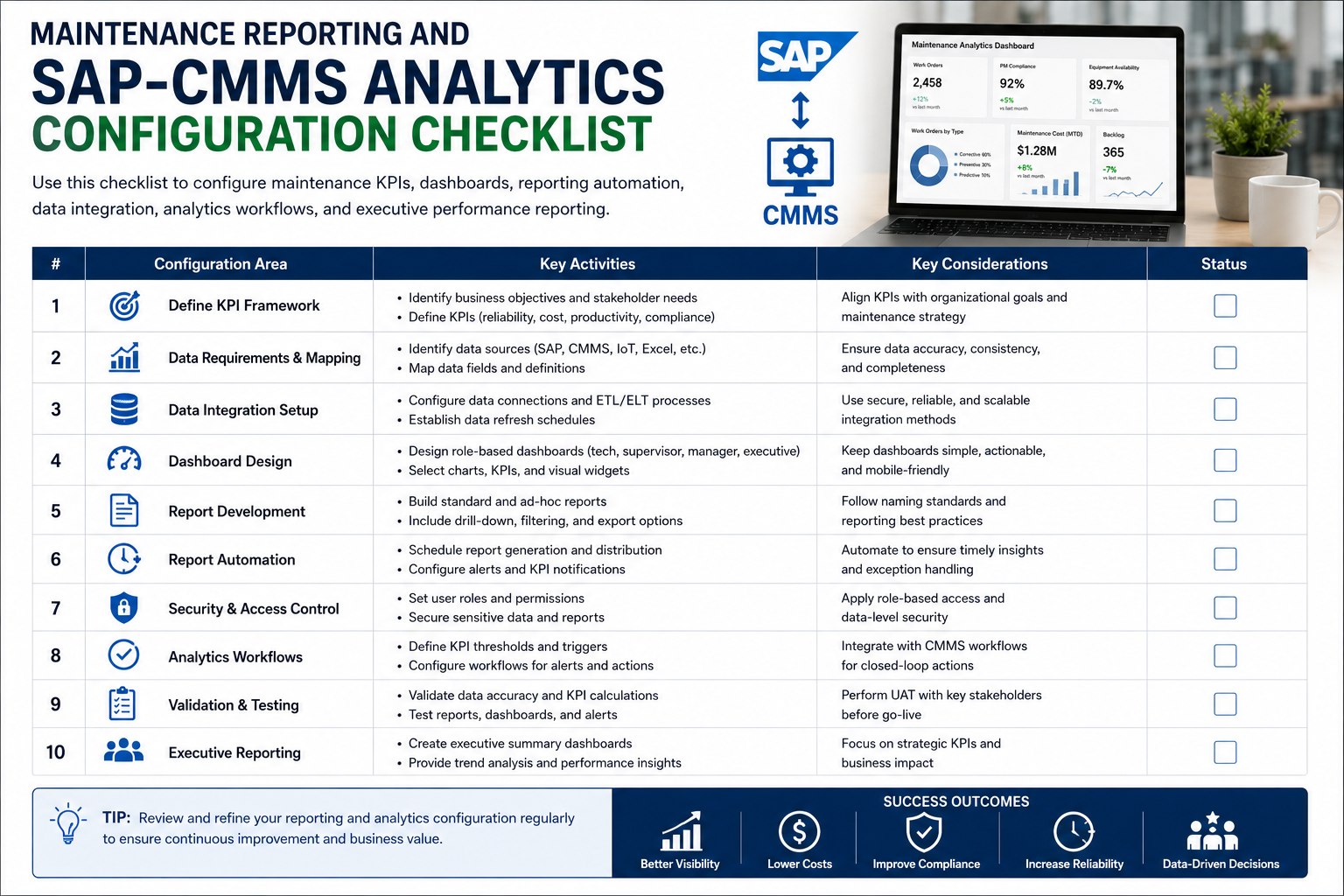
The path from manual ESG reporting to continuous, AI-powered carbon tracking doesn't require rebuilding your operations. It requires connecting the data you already generate into a platform that calculates, categorizes, and reports emissions across all three scopes — automatically and in compliance with whichever framework your stakeholders demand.
Four Steps to Audit-Ready Carbon Tracking
From disconnected data to automated, multi-framework ESG intelligence
01
Connect Operational Data Sources
Link your CMMS, BMS, fleet telematics, utility meters, and production systems into one data layer. Your maintenance platform already captures the energy, fuel, and asset data that forms the backbone of Scope 1 and 2 carbon accounting.
02
Deploy AI Emissions Classification
AI automatically categorizes every data point into Scope 1, 2, or 3, maps against GRI, ISSB, CSRD, and TNFD simultaneously, and flags anomalies in real time. No manual cross-referencing. No quarterly reconciliation scrambles.
03
Model Scope 3 From Supply Chain Intelligence
AI analyzes supplier data, procurement patterns, logistics networks, and industry benchmarks to calculate Scope 3 emissions. PwC found 80% of supply chain emissions come from 20% of purchases — AI identifies and tracks those critical suppliers first.
04
Generate Continuous, Audit-Ready Reports
Every data point is time-stamped, sourced, and traceable. Reports auto-align to whichever framework your regulators, investors, or customers require. Audit preparation drops from weeks to hours.
Oxmaint turns every asset run-hour, energy reading, and work order into accurate, continuous emissions tracking. Join the operations leaders who finally trust their ESG numbers.
How does AI improve carbon footprint tracking accuracy?
AI improves accuracy by automating continuous data collection from operational systems (CMMS, BMS, fleet telematics, utility meters) rather than relying on quarterly manual aggregation. It categorizes emissions into Scope 1, 2, and 3 automatically, maps data against multiple frameworks simultaneously, and flags anomalies in real time. For Scope 3 — which represents 75-90% of most footprints but only 15% of companies disclose — AI analyzes supplier patterns, logistics data, and industry benchmarks to produce calculations that manual processes can only estimate. Less than 30% of organizations currently feel confident in their ESG data accuracy; AI-powered systems eliminate that uncertainty.
What do sovereign servers have to do with ESG reporting?
Sovereign servers impact ESG reporting in two critical ways. First, they keep emissions data under the same regulatory framework that governs your reporting obligations — no cross-border data transfers creating audit complications. Second, where your data is processed directly affects your Scope 2 emissions. Data centers consume approximately 1,000 TWh globally by 2026 (nearly 3% of world electricity). Choosing sovereign infrastructure in clean-energy regions means the carbon footprint of your AI computation itself doesn't undermine your emissions targets. The EU is targeting carbon-neutral data centers by 2030, making infrastructure location a material ESG decision.
What ESG reporting regulations apply in 2026?
Several major frameworks are converging. California's SB 253 requires businesses over $1 billion in revenue to report Scope 1 and 2 emissions starting in 2026, with Scope 3 following in 2027. The EU's CSRD is already in effect with phased reporting. ISSB standards (S1/S2) are creating global alignment. The EU is rolling out a Data Centre Energy Efficiency Package in Q1 2026. ESG regulations have surged 155% over the past decade, and 90% of S&P 500 companies now publish ESG reports. The regulatory trajectory is clear: companies that build AI-powered reporting infrastructure now avoid the compliance scramble ahead.
How does maintenance data connect to carbon accounting?
Your CMMS already captures the operational data that forms the backbone of carbon accounting: energy consumption per asset, equipment run-hours, fuel usage, refrigerant handling, parts replacement frequency, and scheduling patterns. Every asset run-hour is both an operational metric and a Scope 1 data point. Every electricity reading is a Scope 2 input. When your maintenance platform feeds directly into an AI-powered ESG engine, emissions are calculated continuously — not estimated quarterly from utility bills. This eliminates the 60% of finance leaders who currently struggle with fragmented ESG data across disconnected systems.
What competitive advantage does accurate ESG data provide?
The ROI is measurable across multiple dimensions. Companies with certified sustainable operations attract 27% higher investor interest and see 15-20% higher market share growth. Operationally, AI eliminates hundreds of manual labor hours per reporting cycle. On the risk side, 85% of investors say greenwashing is more serious than five years ago — companies with unverifiable sustainability claims face contract loss, capital access restrictions, and regulatory penalties. The AI in ESG market is growing at 21% CAGR because accurate carbon data has become a financial differentiator, not just a compliance requirement.