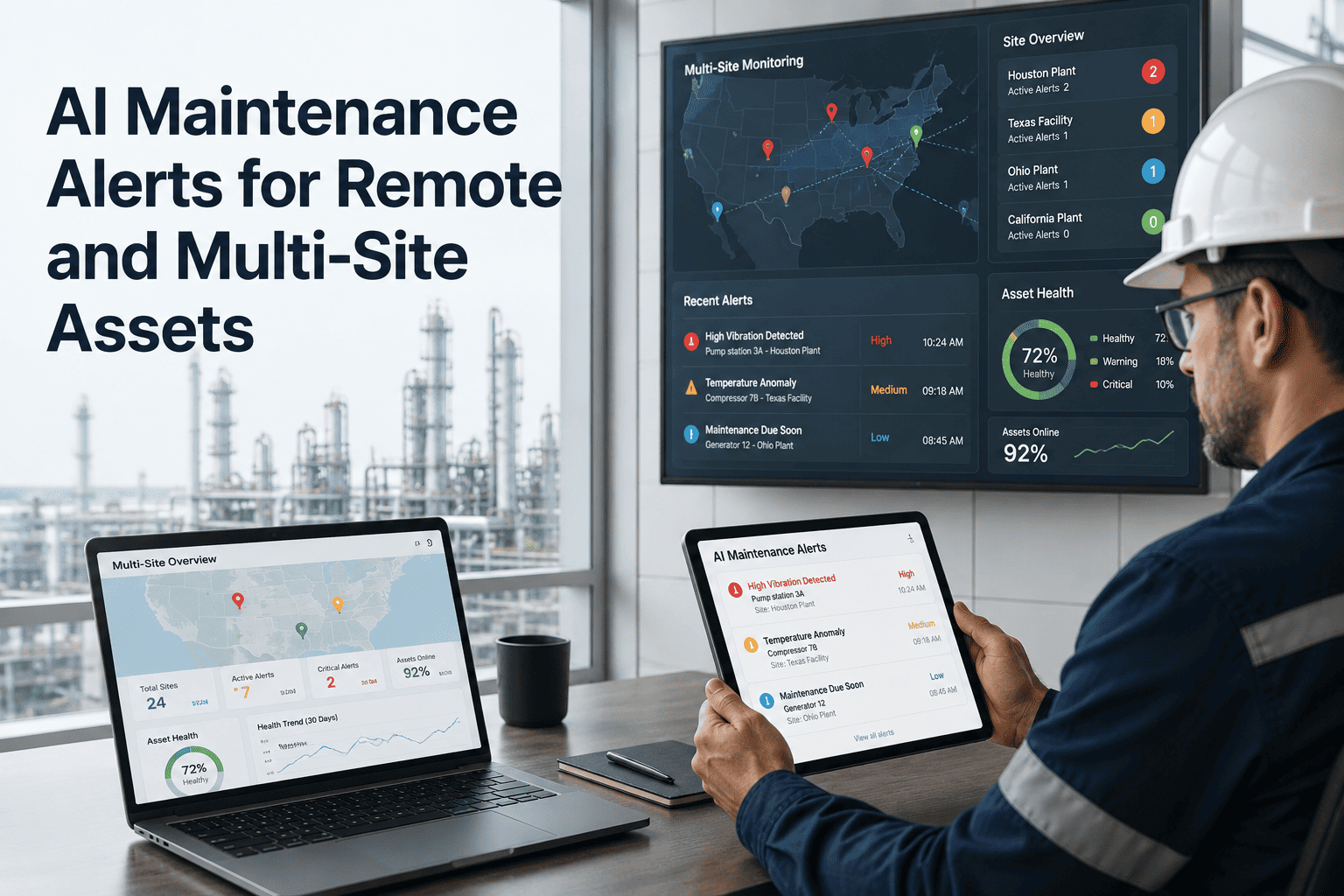
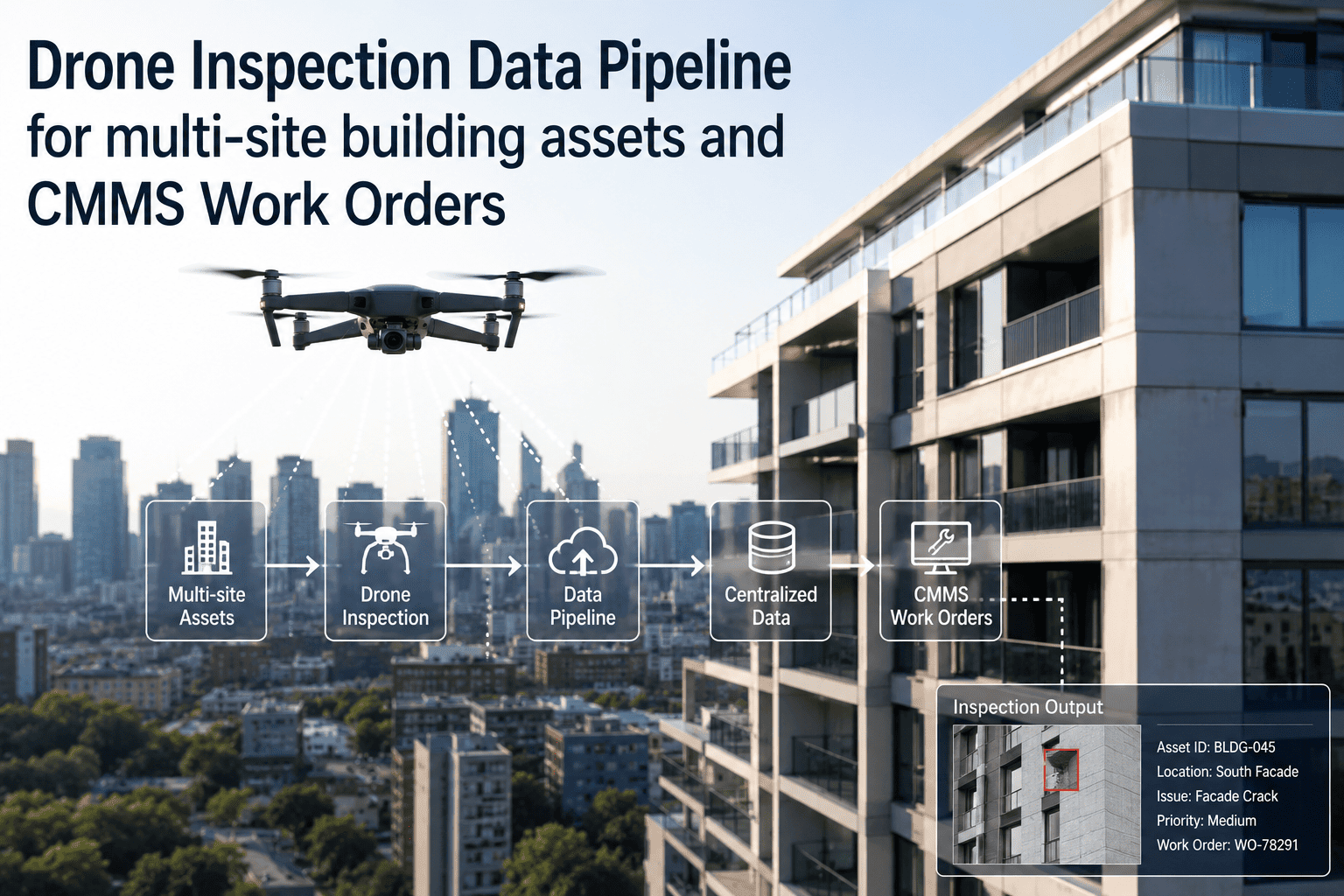
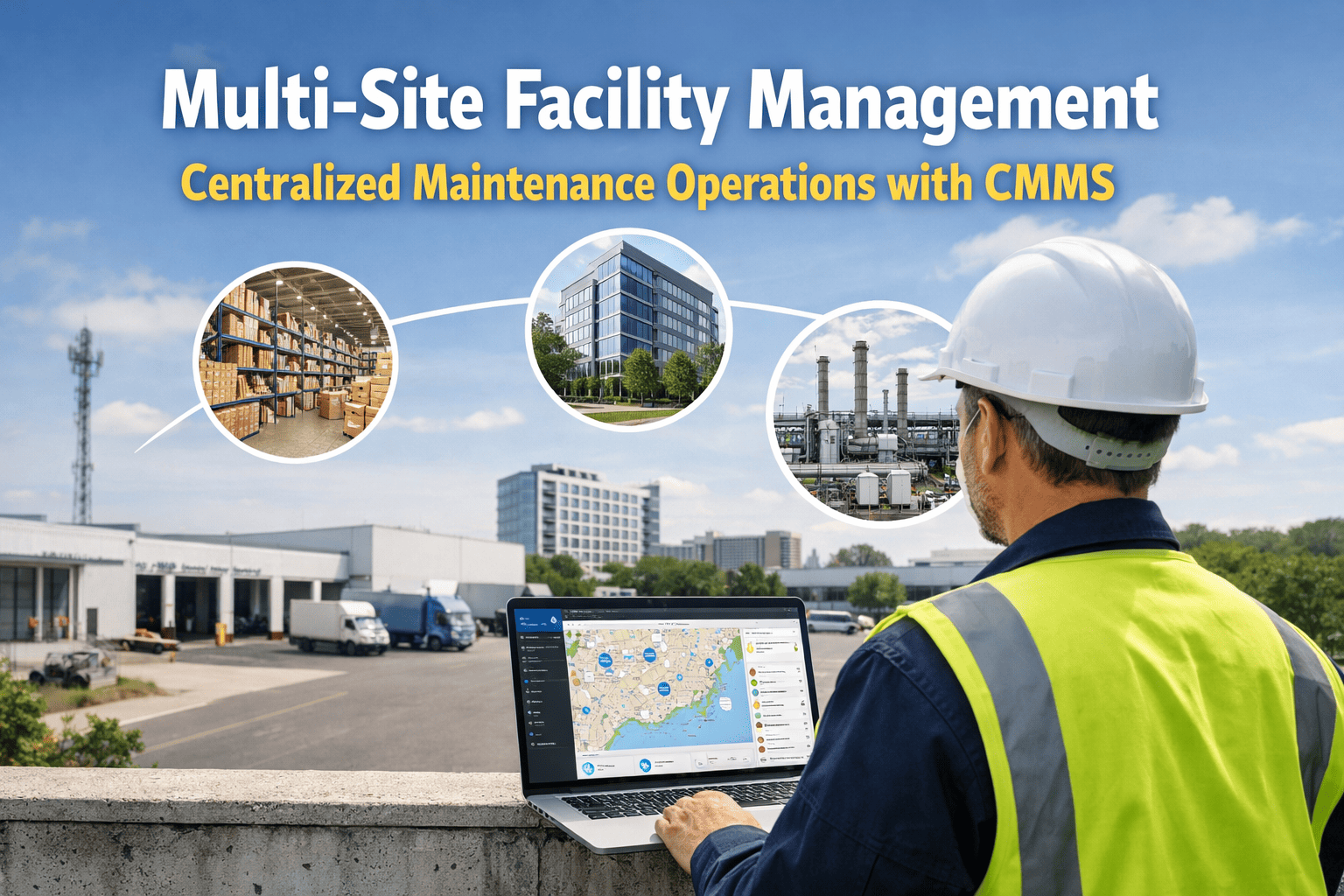
Multi-site operations face a maintenance blind spot that single-facility teams rarely encounter: assets fail silently across locations while your team has no visibility until a technician physically arrives — or a line stops. AI maintenance alerts close this gap by continuously monitoring asset health across every site, sending structured notifications with enough lead time to act. This page covers how operations teams are deploying AI-powered alert systems in 2026, what the data shows, and how Oxmaint brings every site into a single maintenance picture.
Multi-Site Maintenance · AI Alerts
Stop Flying Blind Across Your Sites
AI maintenance alerts give operations teams real-time asset health visibility across every location — without manual checking, site visits, or guesswork. One platform. Every site. Zero missed failures.
72%
of multi-site teams report delayed fault detection due to no real-time alert system
18–28%
uptime improvement when AI alerts achieve a 70%+ true-positive rate on monitored assets
45%
of maintenance work orders in 2025 were executed via mobile — remote visibility is now table stakes
65%
of maintenance teams plan AI adoption within 12 months, up from 32% partial deployment today
The Core Problem
Why Remote Assets Break Without Warning
When your assets are spread across warehouses, branches, or plants in different cities, the traditional inspection model breaks down completely. A monthly PM visit catches nothing that develops in week two. A phone call from a site supervisor arrives after damage is done. Manual checklists filled out on-site give you yesterday's data at best. The gap between physical rounds is exactly where unplanned failures live — and the cost accumulates invisibly until it becomes a crisis.
No Real-Time Visibility
Asset condition at remote sites is only known at the moment of a scheduled visit. Everything between rounds is a blind spot.
Inconsistent Reporting Across Sites
Each location uses its own method — spreadsheets, emails, paper forms — making it impossible to compare performance or spot patterns.
Late Escalations
By the time a site supervisor reports a problem, the window for a low-cost fix has usually closed. Reactive repairs cost 3–5x more than planned ones.
No Audit Trail
Without centralized records, proving compliance or identifying repeat failure patterns across sites requires manual investigation across disconnected systems.
How Oxmaint AI Alerts Work
From Sensor Signal to Work Order — Automatically
01
Asset Monitoring
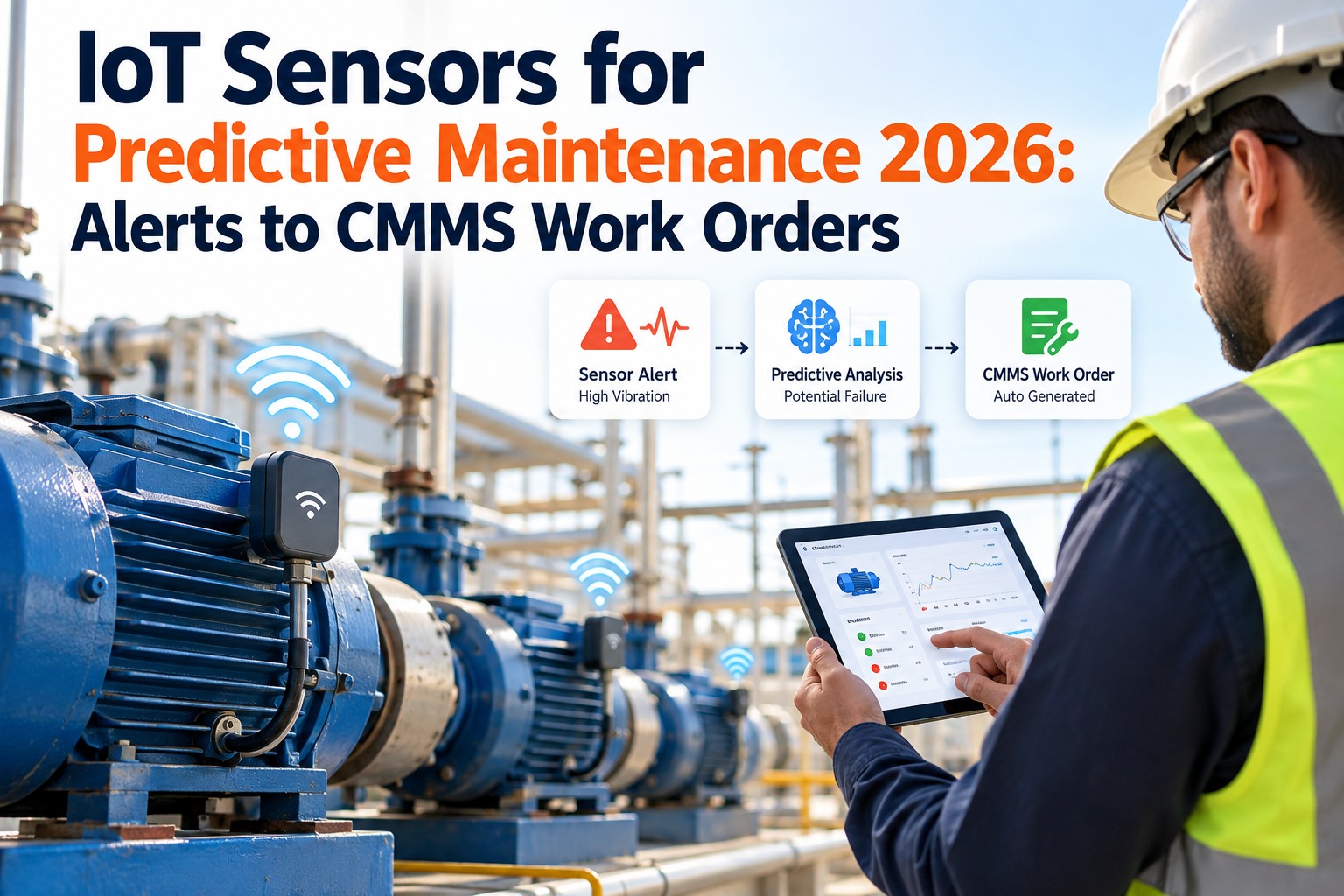
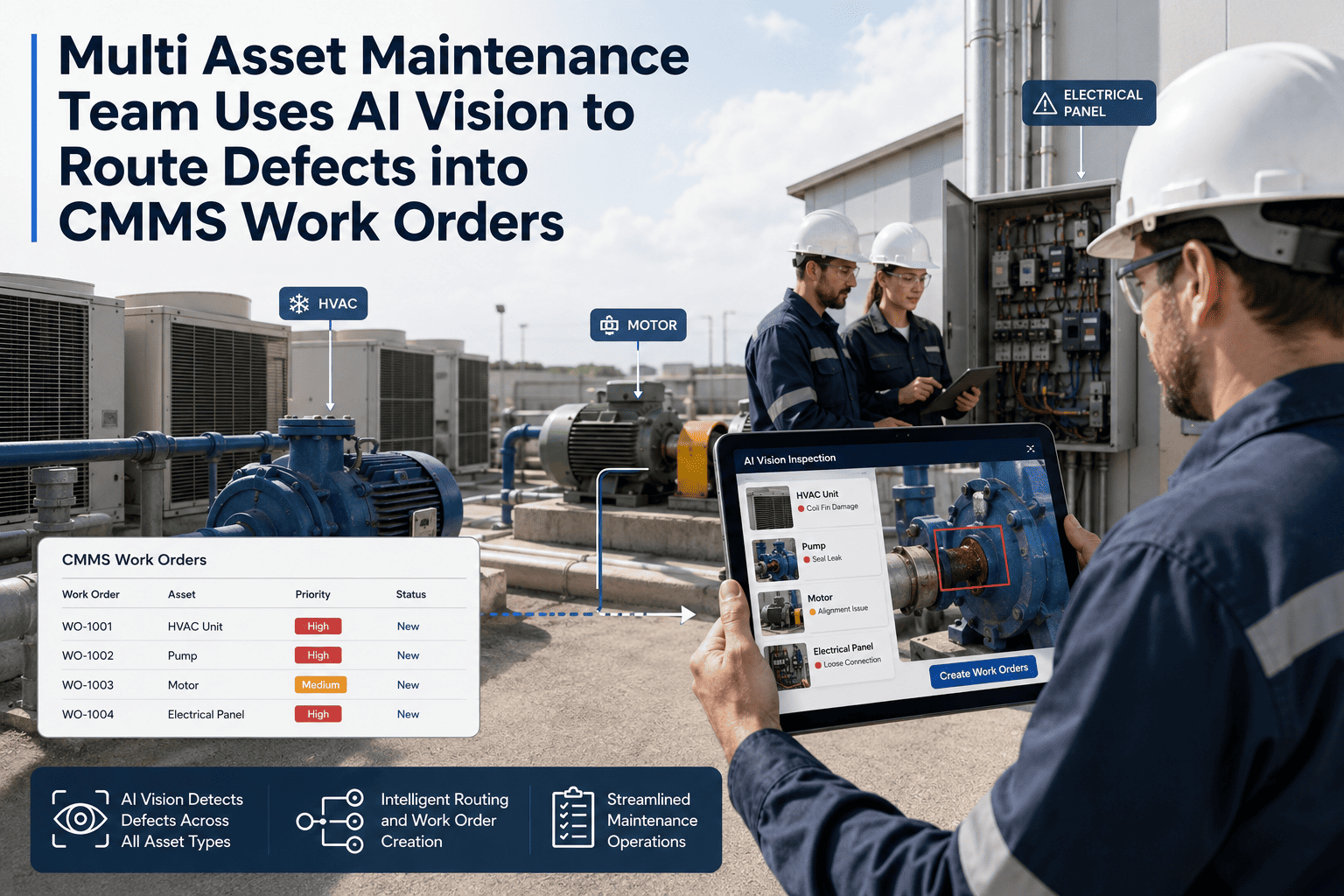
Sensors, IoT devices, and connected meters feed live readings into Oxmaint — temperature, runtime hours, vibration, pressure, energy draw — for every asset at every site.
02
AI Pattern Analysis
The AI engine compares live readings against each asset's baseline behavior and historical failure patterns, detecting anomalies that precede failure — not just threshold breaches.
03
Smart Alert Routing
Alerts are routed to the right person — site technician, regional manager, or corporate maintenance lead — based on severity, asset criticality, and your escalation rules.
04
Work Order Created
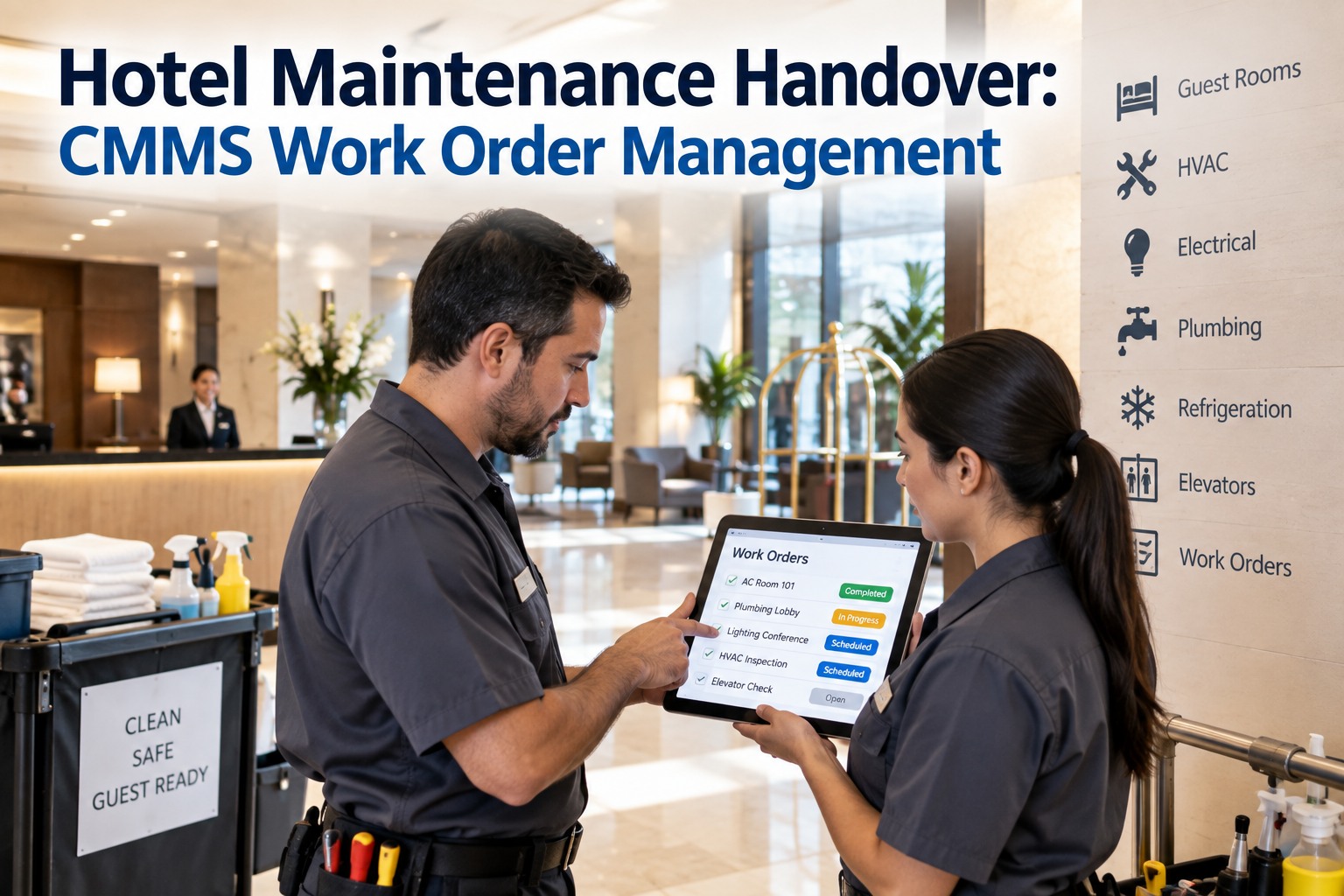
High-confidence alerts auto-generate structured work orders in Oxmaint with asset history, recommended action, and required parts — ready for the technician before they leave the office.
Alert Types
What Oxmaint Monitors Across Your Sites
| Alert Category |
Trigger Condition |
Action Generated |
Typical Lead Time |
| Predictive Failure |
Vibration or temperature trending outside asset baseline |
Condition-based PM work order with sensor data attached |
5–14 days |
| PM Overdue |
Scheduled maintenance missed or upcoming within threshold window |
Escalation alert to site supervisor + work order reminder |
Configurable |
| Runtime Threshold |
Equipment exceeds configured operating hours between services |
Automatic PM work order creation and parts reservation |
Same day |
| Inspection Gap |
No inspection logged within required interval at a site |
Compliance alert to regional manager with site detail |
Real-time |
| Critical Asset Down |
Equipment reports zero output or offline status |
Immediate emergency work order + push notification to escalation chain |
Immediate |
| Parts Stock Low |
Inventory for a critical spare falls below reorder point at site |
Procurement alert with vendor list and lead time estimate |
Configurable |
See It Live
Watch Oxmaint Alert Your Team Before a Remote Asset Fails
Book a 30-minute demo and bring your current site setup. We'll show you exactly how AI alerts would map to your assets, locations, and escalation structure.
Performance Data
Multi-Site Teams With vs Without AI Alerts
Without AI Alerts
Fault detection method
Manual site visit or failure report
Average response time
24–72 hours after fault occurs
PM compliance (multi-site)
48% average
Emergency repair ratio
38% of all work orders
Cross-site reporting
Manual aggregation, often weekly
With Oxmaint AI Alerts
Fault detection method
Continuous sensor monitoring + AI
Average response time
Under 2 hours with auto work order
PM compliance (multi-site)
91% average
Emergency repair ratio
Down to 11% of work orders
Cross-site reporting
Live dashboard, any device
Expert Perspective
What Operations Leaders Say
The real cost of multi-site maintenance isn't the travel — it's the missed alerts. We were driving two hours to fix something that had been degrading for three weeks. The data was there; we just weren't listening to it. Once we connected our remote assets to a centralized alert platform, our emergency call-outs dropped by more than half in the first quarter.
The biggest mistake multi-site teams make is configuring the same alert thresholds across all sites regardless of asset age or environment. A five-year-old compressor in a hot climate needs a different baseline than a new unit in a climate-controlled facility. AI systems that learn per-asset behavior, rather than applying global rules, are the ones that actually reduce false positives to a manageable level. That's where teams stop ignoring alerts and start acting on them.
Book a demo to see how Oxmaint builds asset-specific baselines.
Common Questions
What Teams Ask Before Going Live
Does Oxmaint work if our remote sites have limited or unreliable internet?
Yes. Oxmaint's mobile app supports offline data capture with automatic sync when connectivity is restored. For sites with intermittent connectivity, work orders and inspection records created offline are queued locally and upload without data loss once the device reconnects. Critical alerts generated by cloud-based monitoring are delivered via SMS as a backup channel when push notifications cannot reach the device.
Sign up free to test the offline capability with your own assets.
How quickly can we add a new site to the alert monitoring system?
Adding a new site in Oxmaint typically takes 1–3 business days for the asset registry setup and sensor tag mapping. If the new site already has IoT sensors or a connected BMS, integration can be faster using Oxmaint's standard API connectors. Sites without existing instrumentation can begin with manual readings and mobile inspections immediately, with automated alerts layered on as sensors are installed.
Book a demo to walk through your specific rollout plan.
Can we set different alert rules for different sites or asset types?
Alert thresholds in Oxmaint are fully configurable at the individual asset level, asset category level, or site level. A refrigeration compressor at a cold-storage site can have tighter temperature deviation rules than HVAC units at an office location. Escalation chains are also site-specific, so a critical alert at your highest-priority production facility routes differently than the same alert category at a lower-criticality warehouse. This per-asset configuration is what reduces false positives and improves the rate at which your team acts on alerts.
What reporting does Oxmaint provide for multi-site performance comparison?
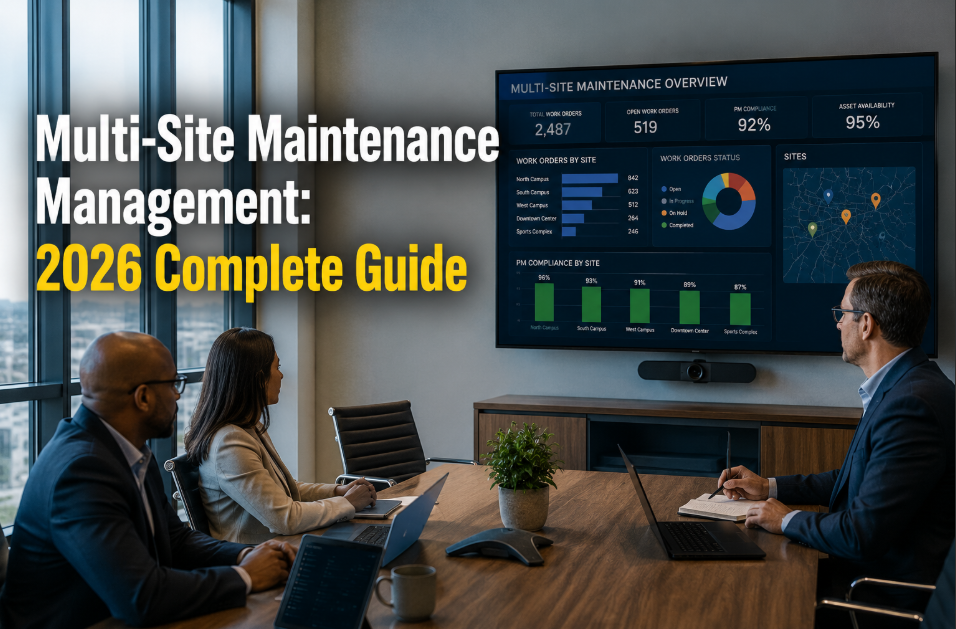
Oxmaint generates cross-site dashboards showing PM compliance rate, mean time between failures, alert response time, and open work order aging for every site — all on one screen. Reports can be filtered by site, asset category, date range, or technician. Regional managers get a single view that highlights underperforming sites before they become audit findings or production problems. All reports export to PDF or CSV for leadership reviews and third-party audits.
Get Started Today
Every Site. Every Asset. One Alert Platform.
Oxmaint connects your remote and multi-site assets to AI-powered maintenance alerts, structured work orders, and live cross-site reporting — without replacing your existing tools or requiring on-site servers.