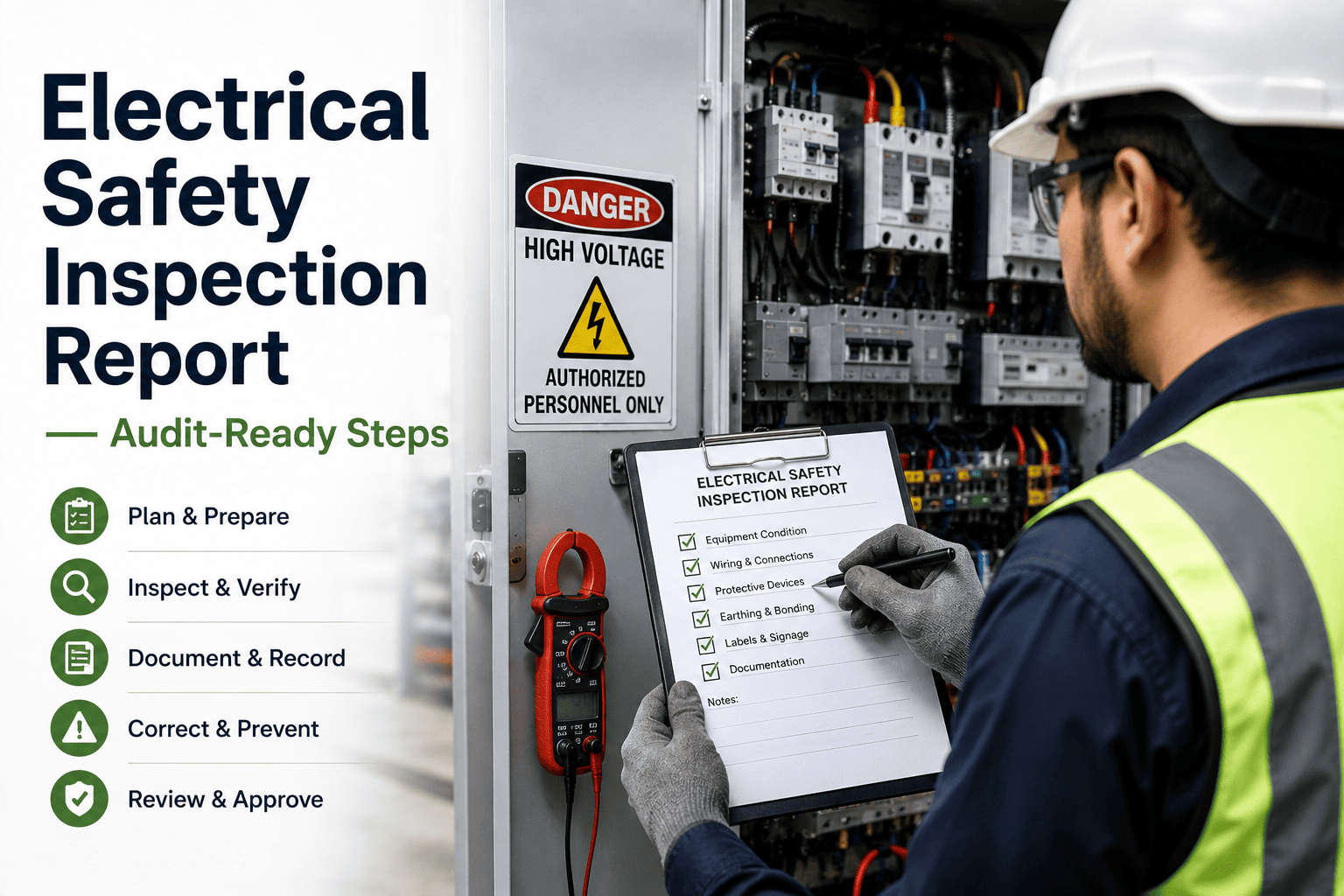
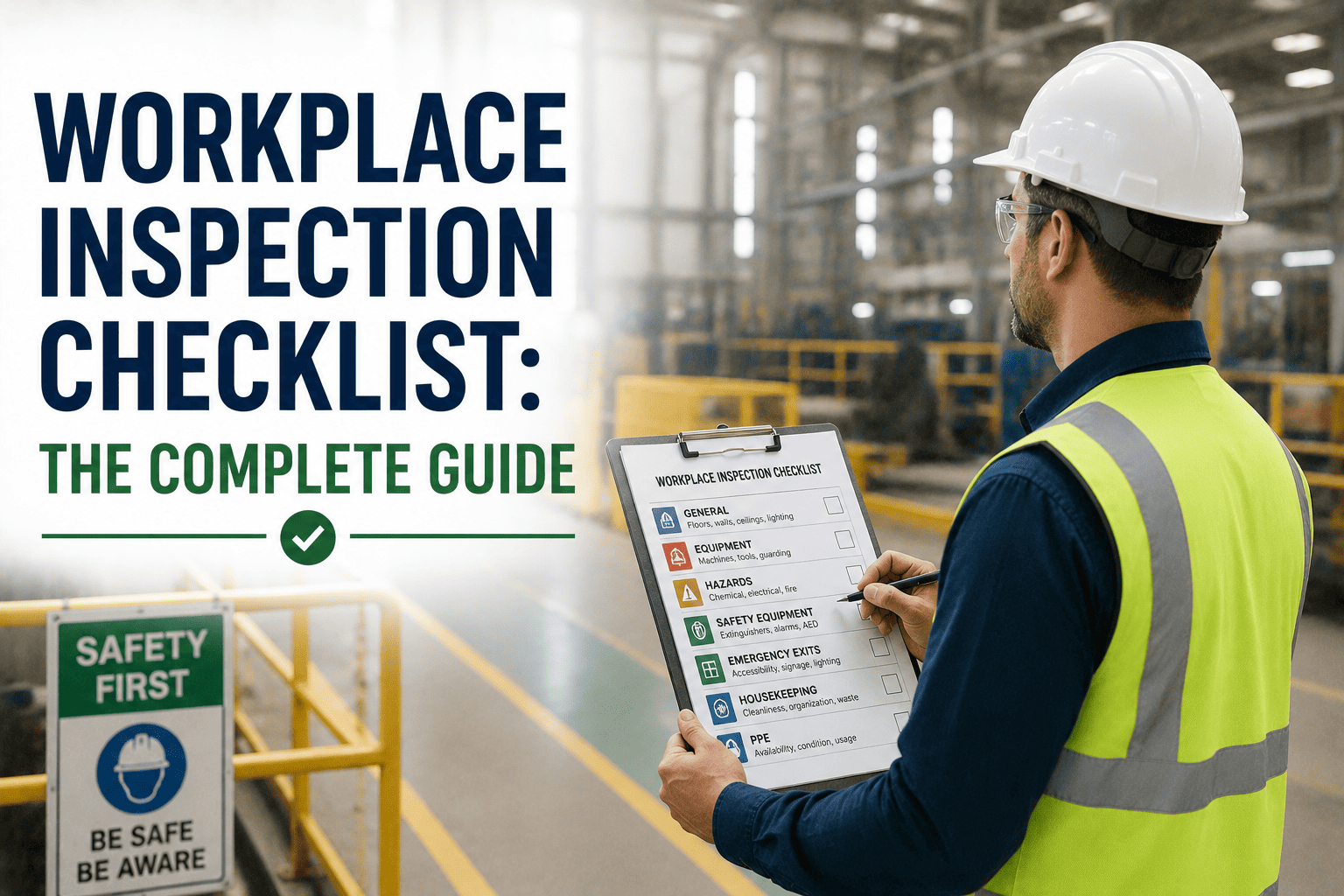
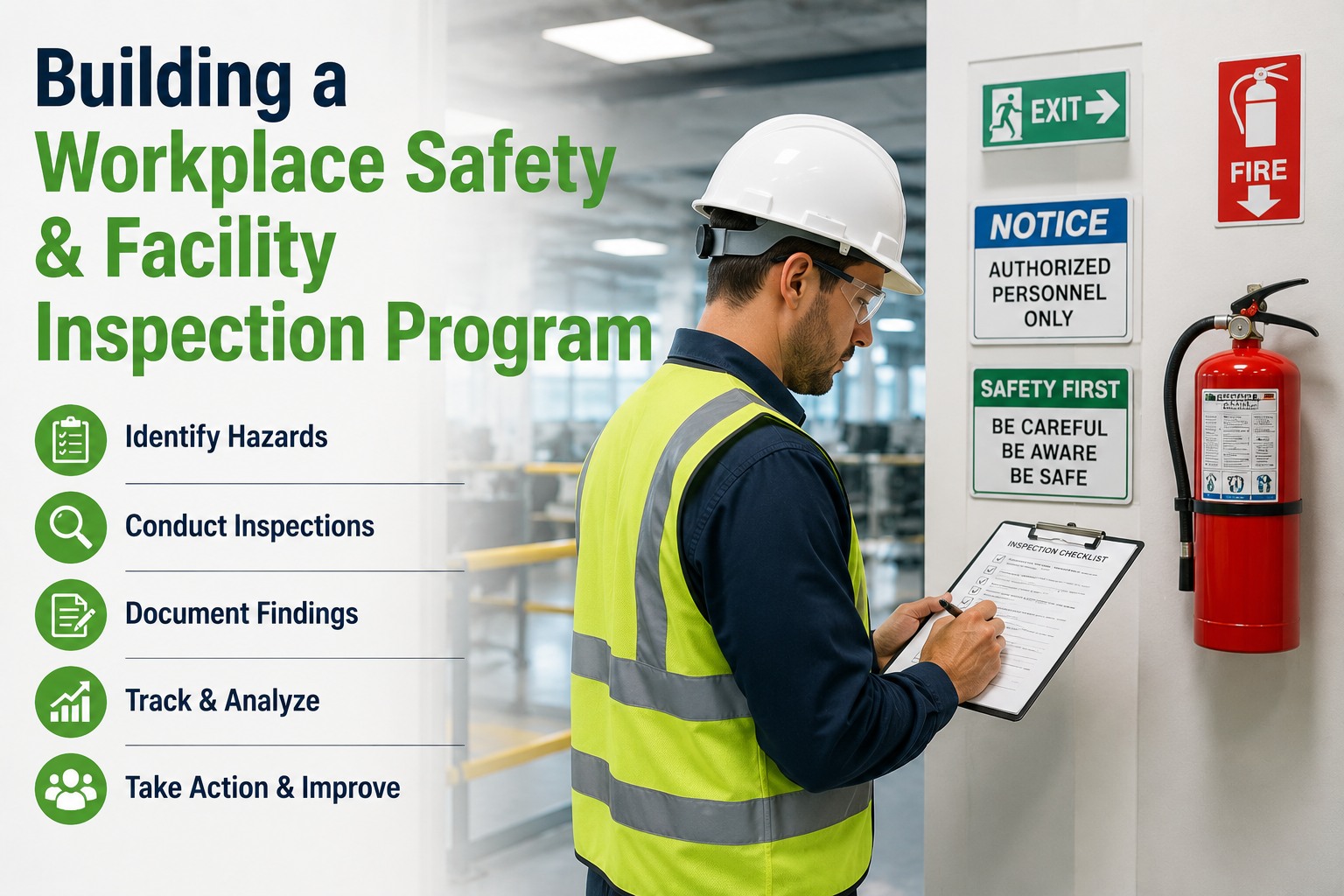
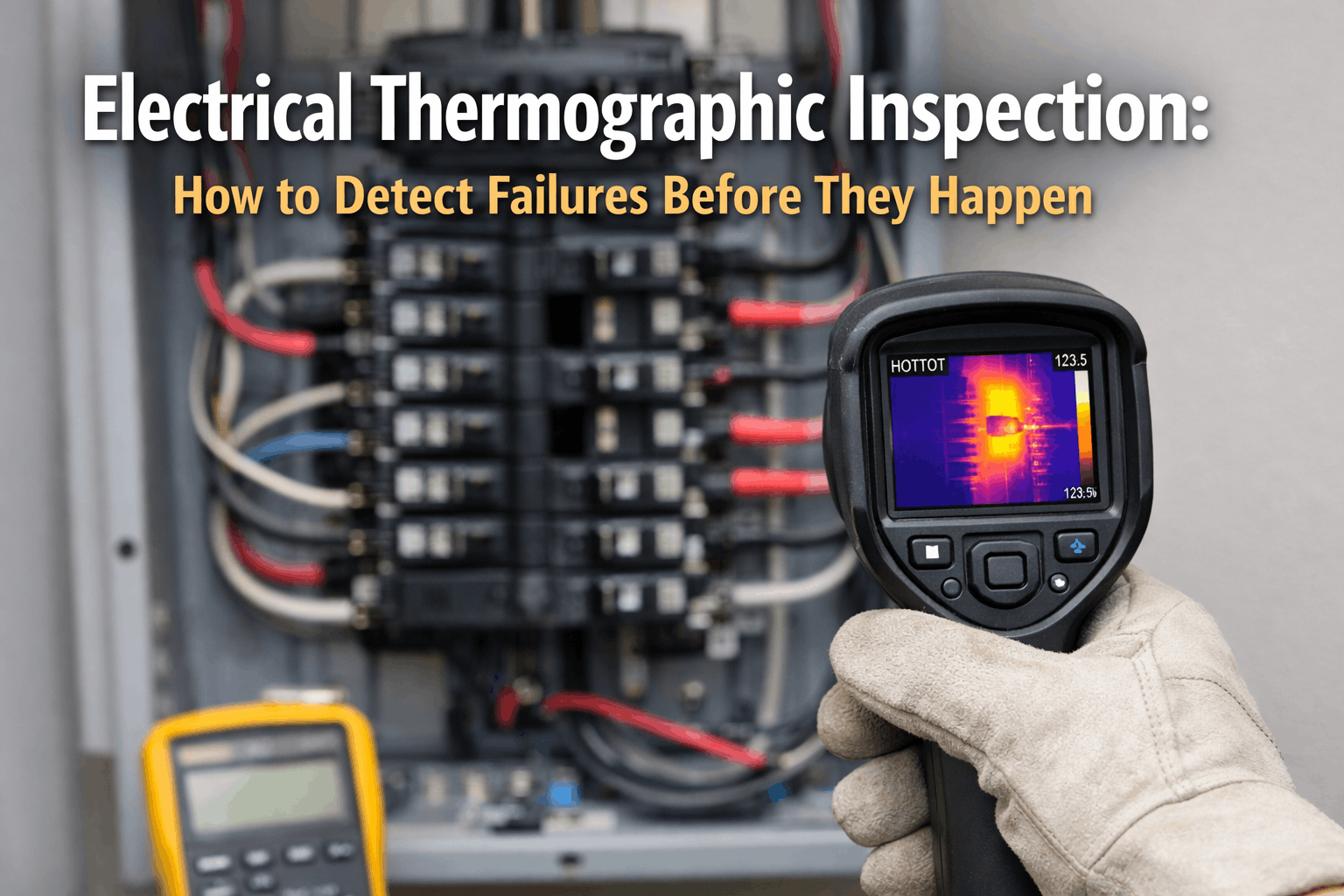
Most electrical safety programs don't fail because nobody checked the panel — they fail because nobody can prove it. An auditor doesn't take a technician's word for it; they want the record. This guide walks through what an electrical safety inspection actually needs to cover, aligned to OSHA 1910.303, and what documentation makes that record defensible.
Where Audits Actually Fall Apart
It's rarely the electrical work itself that fails an audit — it's the missing photo, the unsigned corrective action, the inspection that happened but was never logged. The checklist protects people; the record is what protects the program.
What OSHA 1910.303 Requires You To Check
Four areas form the backbone of any compliant inspection.
Working Clearance
Access and workspace around panels and equipment kept clear to the required distance, not stacked with material.
Guarding
Live parts enclosed or guarded so employees can't make accidental contact during normal operation.
Labeling & Marking
Panels correctly identified, circuits labeled, and arc-flash warnings posted where required.
Equipment Condition
No damaged insulation, exposed conductors, or unapproved modifications to installed equipment.
Pass / Fail Criteria By Category
| Category |
Pass |
Fail |
| Working clearance |
Required distance clear, unobstructed |
Any material or equipment blocking access |
| Guarding |
Covers intact, fasteners present |
Missing cover, exposed live parts |
| Labeling |
Legible, accurate, correctly placed |
Missing, faded, or mismatched labeling |
| Equipment condition |
No visible damage or unapproved changes |
Damaged insulation, field modifications |
The Corrective Action Workflow Auditors Expect
Finding Documented
Every failed item logged with a photo and description at the moment it's found, not reconstructed later.
Action Assigned
A named owner and a due date, tied back to the specific asset and inspection record.
Closure Verified
A second check and sign-off confirms the fix was completed, not just marked done.
What Auditors Actually Ask To See
Beyond the checklist itself, these two pieces of evidence make or break a review.
Photo Evidence
Time-stamped photos attached directly to the finding, showing condition before and after correction.
E-Signature & Audit Trail
Who inspected, who corrected, and who verified — each captured with a timestamp that can't be edited after the fact.
Oxmaint operationalizes exactly this checklist — mandatory safety checks built into high-risk work orders, digital LOTO and permit workflows, inspection records linked directly to the asset, photo evidence, e-signatures, and an audit trail that holds up without a scramble the week before the audit. Teams that sign up for Oxmaint get every finding, corrective action, and sign-off in one defensible record — or book a demo to see the compliance workflow live.
Q
How often does OSHA expect electrical inspections to happen?
OSHA doesn't set one fixed interval for every facility — it depends on equipment type, environment, and internal risk assessment. What it does expect is a documented, consistently followed program, whatever interval that program sets.
Q
Is a paper checklist enough to pass an audit?
It can technically satisfy the requirement, but paper is far easier to lose, backdate, or leave incomplete, all of which raise red flags with an auditor. A digital record with timestamps and photos removes that doubt entirely.
Q
Who typically needs to sign off on a corrective action's closure?
Usually someone other than the person who performed the fix — a supervisor or EHS reviewer — so closure isn't self-certified. That second signature is often exactly what an auditor checks for first.
Give Your EHS Team Evidence, Not A Scramble Before Audit
Mandatory safety checks, digital LOTO and permit workflows, photo evidence, e-signatures, and an audit trail linked to every asset. Sign up for a free trial to set up your first inspection route, or book a demo to see the compliance workflow live.