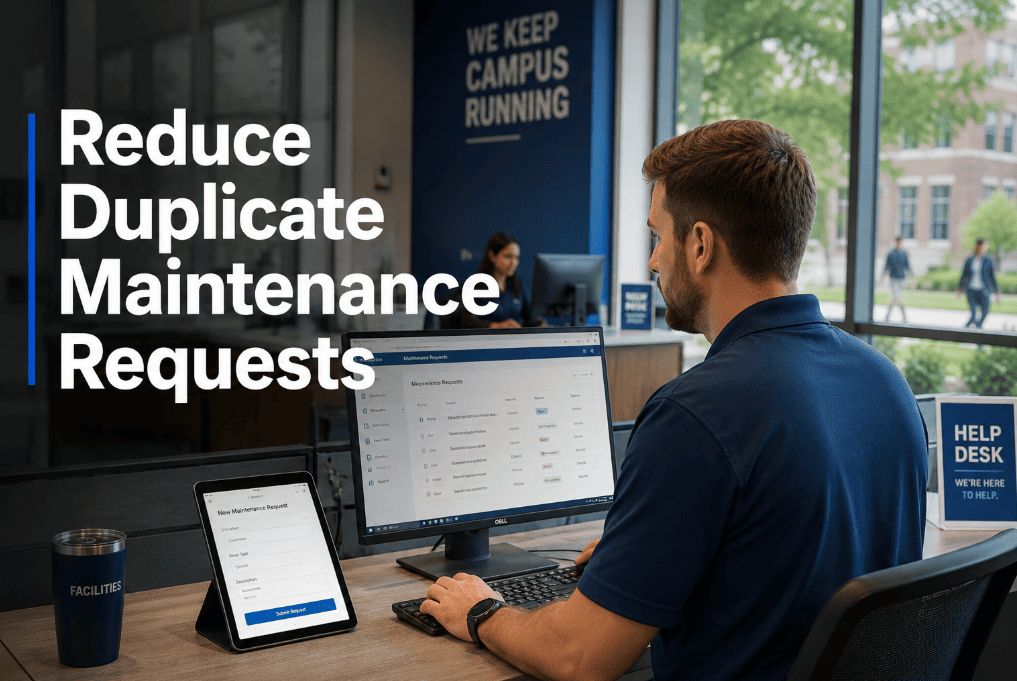
Maintenance teams at mid-size facilities receive an average of 47 duplicate requests per week — the same leaking faucet reported by six different people, the same flickering light submitted three times in one afternoon. Each duplicate consumes 8-12 minutes of coordinator time for triage, verification, and closure. That is 6-9 hours per week spent processing work that already exists. The root cause is not careless employees — it is a request system with no visibility. When a requester cannot see that someone already reported the problem, they report it again. Oxmaint eliminates duplicate requests with real-time status visibility, QR-code-linked asset requests, automatic grouping, and requester notifications. If your maintenance inbox is drowning in repeat submissions, start a free trial or book a demo to see how request management should actually work.
How to Reduce Duplicate Maintenance Requests From Employees
47 duplicate requests per week. 8-12 minutes each to triage. That is 9 hours of coordinator time wasted on work that already exists. Fix the visibility problem and the duplicates disappear.
Duplicates Are Not a People Problem — They Are a System Problem
When an employee walks past a broken door closer for the third day in a row and sees no evidence that anyone is working on it, they submit another request. They are not being difficult — they are trying to get the problem fixed. The solution is not training employees to "check first" — it is giving them a system where existing requests are visible before they submit a new one. Oxmaint shows active requests by location, sends status updates to requesters automatically, and groups related submissions under a single work order. See how it works — start a free trial or book a demo to configure request management for your facility.
Why Employees Submit Duplicate Maintenance Requests
78% of duplicate submissions happen because the requester has no way to see that the issue was already reported. They check the broken elevator, see no sign of repair activity, and submit again. Without a visible status tracker, every person who encounters the problem creates a new request.
When a request goes into a shared email inbox or paper log, the submitter receives no confirmation that it was received. 34% of duplicates are from the same person resubmitting because they assumed the first one was lost. A simple auto-acknowledgment eliminates this entirely.
"The bathroom on the second floor is leaking" — which bathroom? Building A has four second-floor bathrooms. Without asset-linked or location-linked request forms, different people describe the same problem differently, and coordinators cannot match them as duplicates until they physically investigate.
Email, phone calls, text messages, verbal reports, sticky notes on the maintenance door. When requests arrive through five different channels, the same issue gets logged multiple times because no single system captures all submissions. Consolidating to one intake channel reduces duplicates by 62%.
When the average response time exceeds 48 hours, requesters escalate by submitting the same request multiple times, CC-ing managers, and calling the maintenance office directly. The duplicates are not the problem — they are a symptom of slow response. Reducing first-response time to under 4 hours cuts re-submissions by 73%.
A request was received Monday. The part was ordered Tuesday. The repair is scheduled for Thursday. But the requester has heard nothing since Monday — so they submit again Wednesday, ask their manager to call, and stop by the maintenance office. Three additional touchpoints because a single status update was never sent.
How Oxmaint Eliminates Duplicate Requests
Oxmaint attacks duplicate requests at every root cause — visibility, confirmation, location accuracy, channel consolidation, response speed, and status communication. Teams processing more than 20 requests per week should start a free trial or book a demo to see the full request management workflow.
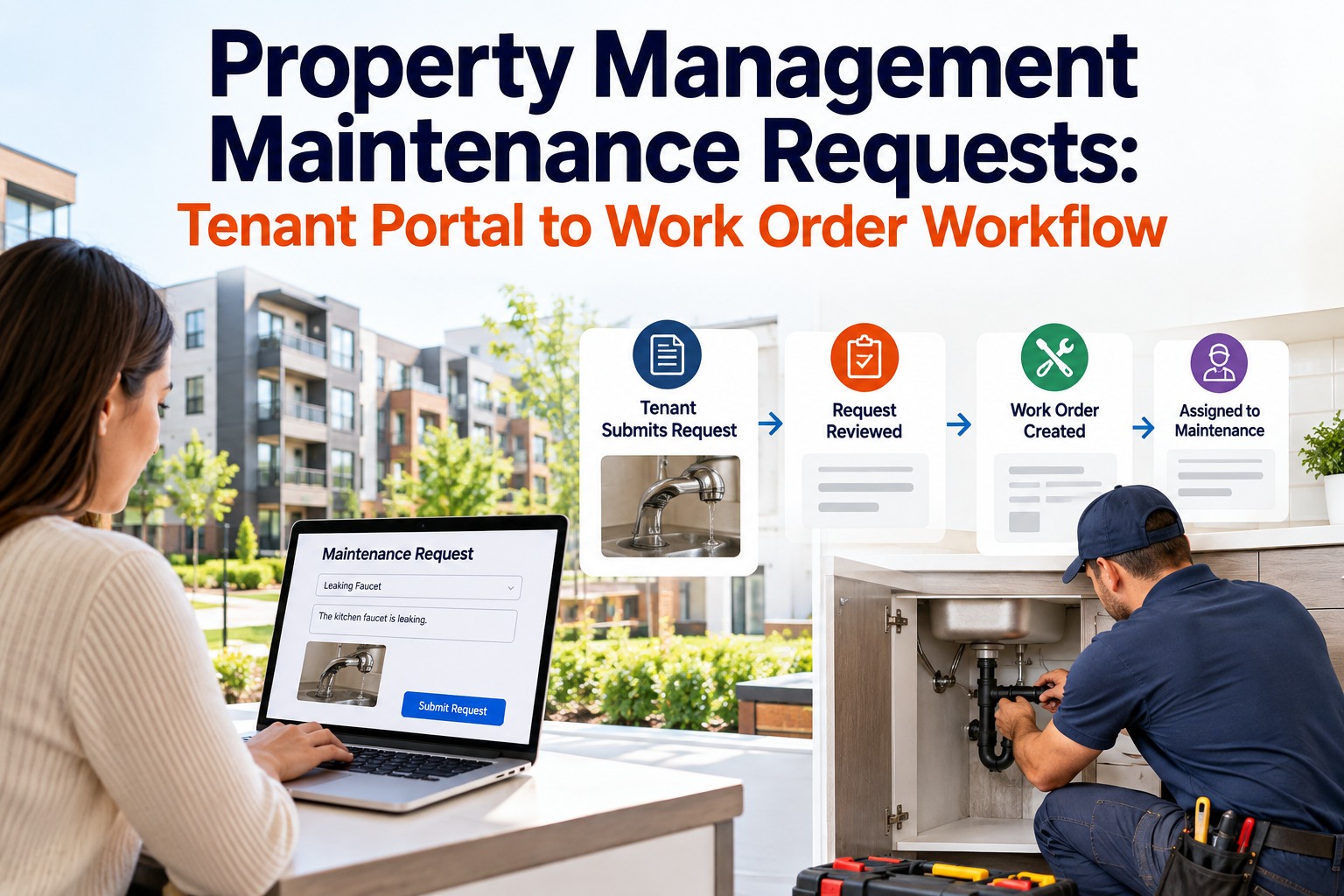
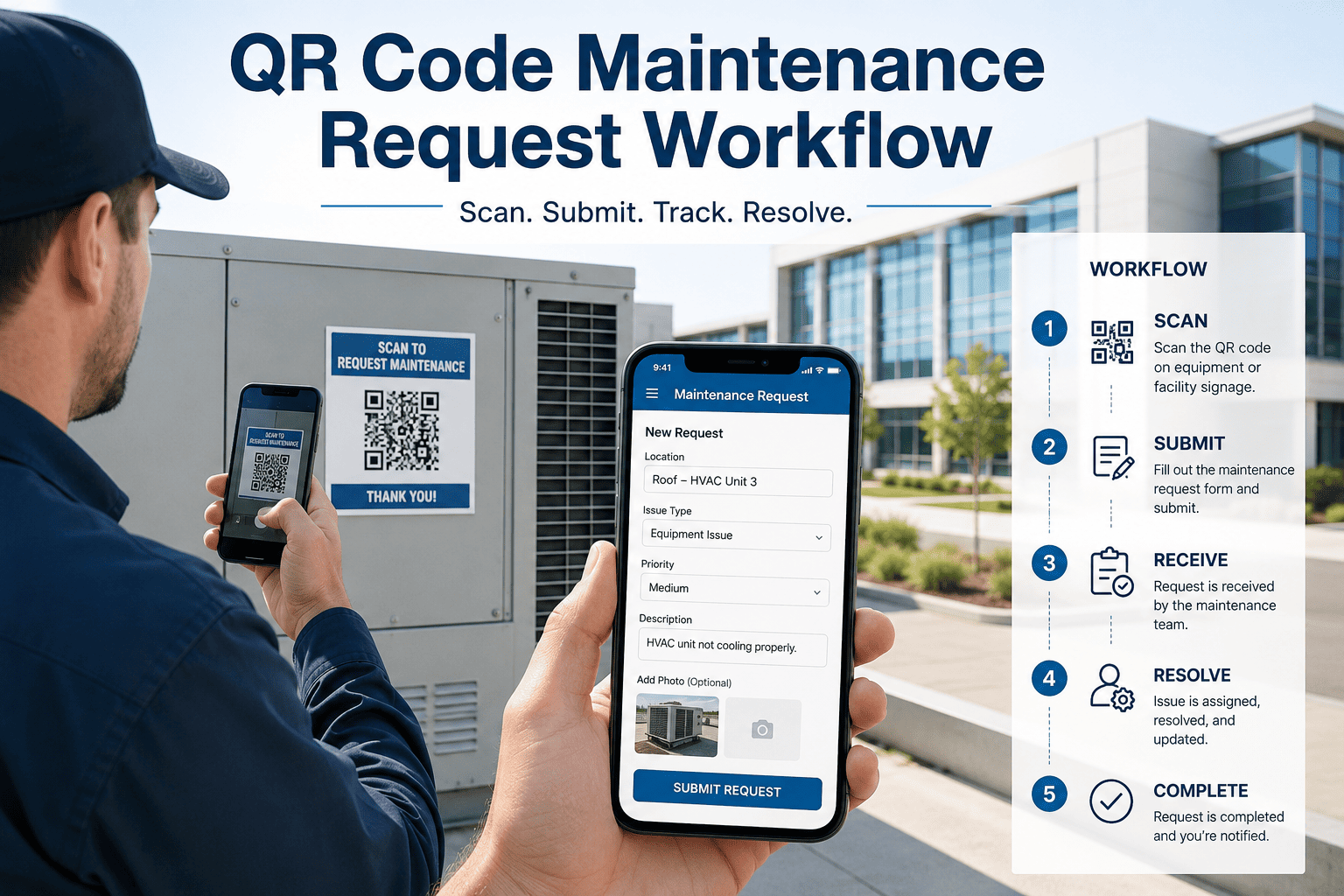
QR codes on assets and locations show active requests before allowing a new submission. If the broken door closer already has an open work order, the requester sees it immediately — no duplicate created.
Every submission triggers an immediate confirmation with a request number and estimated response time. The requester knows their report was received — no need to resubmit or call to verify.
When three people report the same elevator issue, Oxmaint groups all three requests under a single work order. Each requester receives updates when the merged work order progresses — all three see the resolution.
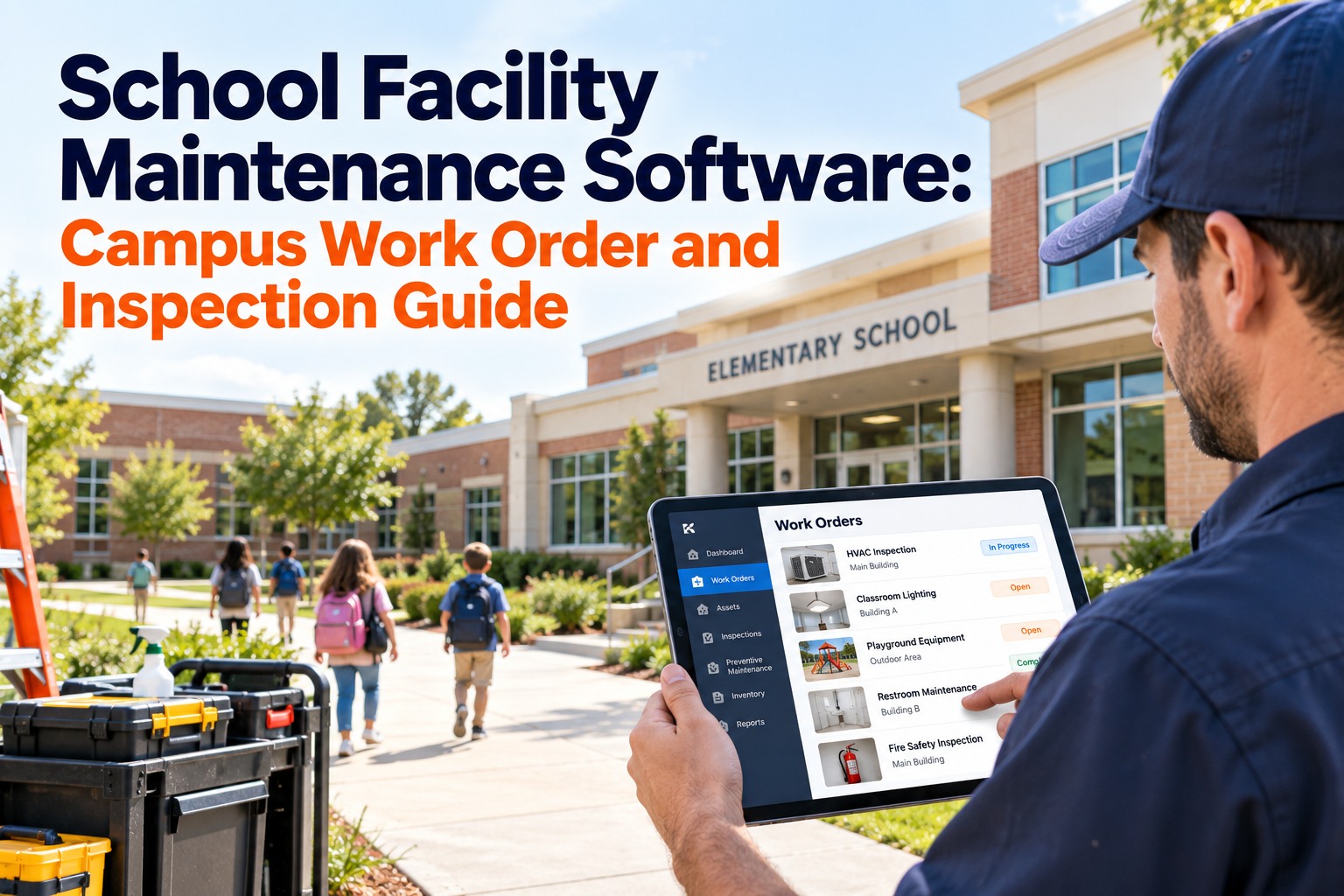
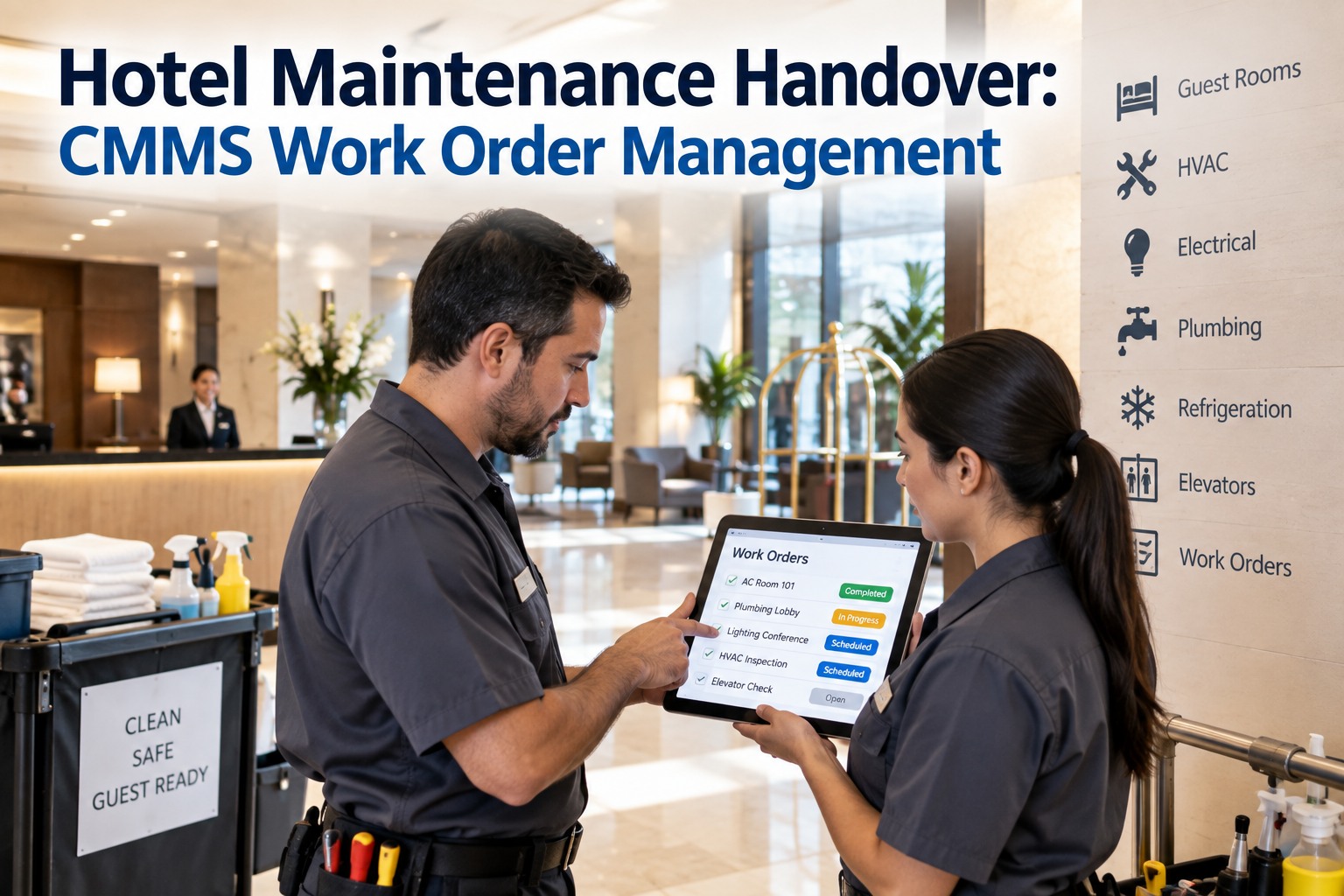
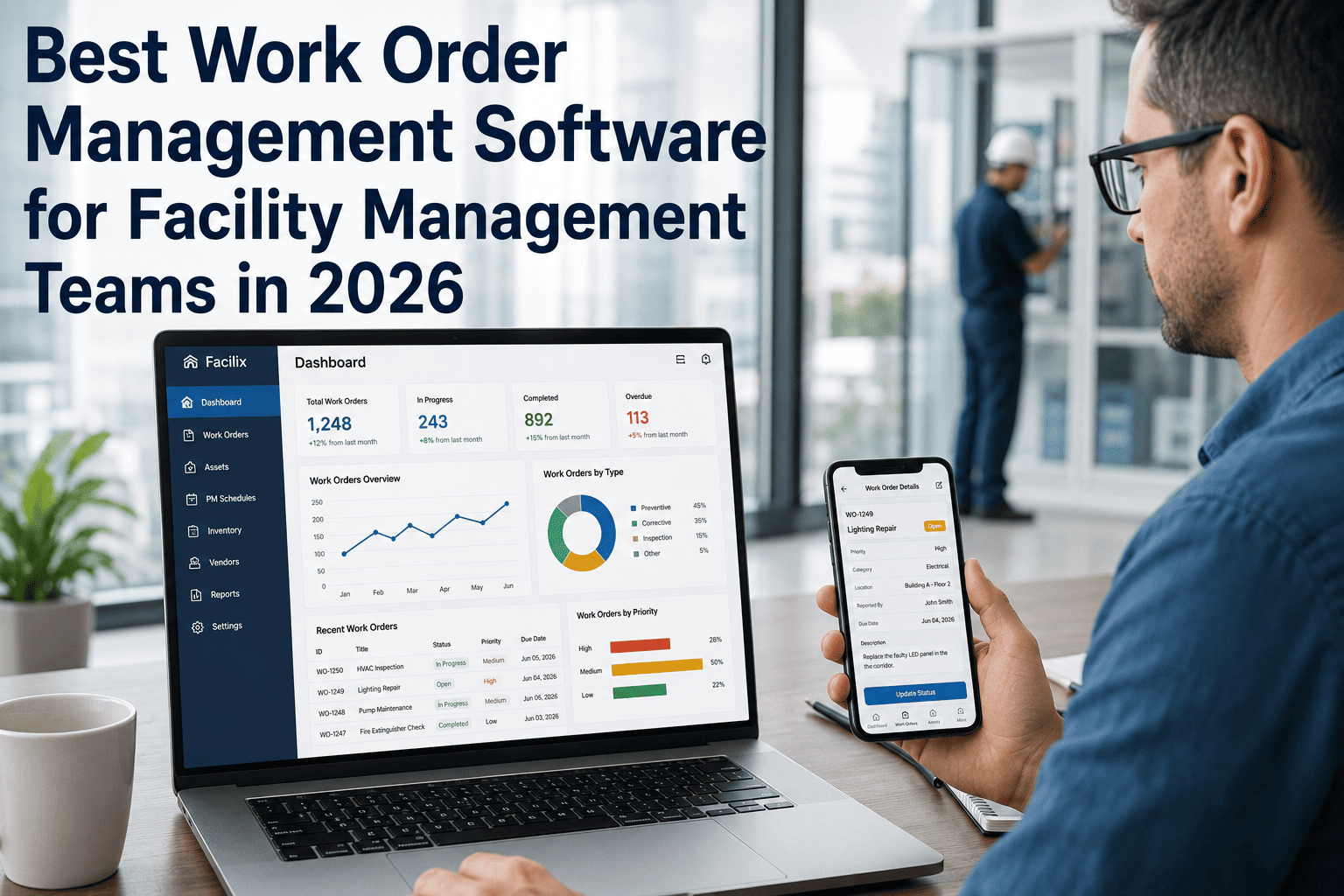
Received, assigned, parts ordered, scheduled, in progress, completed. Each status change triggers a notification to the requester. No more "is anyone working on this?" follow-ups that create secondary duplicates.
Replace email, phone, text, and paper with a single request portal accessible via mobile app, desktop browser, or QR scan. Every request enters the same system — no cross-channel duplicates.
Requesters select the exact location from a structured list — Building, Floor, Room, Asset — or scan the QR code on the equipment. No more vague descriptions that prevent duplicate matching.
Unmanaged Request Intake vs. Oxmaint Request Management
What Happens When Duplicates Disappear
QR-linked submissions, auto-acknowledgment, and status visibility eliminate the root causes of repeat reporting
Time previously spent triaging, matching, and closing duplicate submissions redirected to actual maintenance coordination
Automated status updates prevent the "is anyone working on this?" calls that consume manager and coordinator time
Confirmation, tracking, and updates transform the request experience from a black hole into a transparent process
Frequently Asked Questions
Do employees need an Oxmaint account to submit requests?+
How does Oxmaint match duplicates submitted with different descriptions?+
Can requesters add photos to their submissions?+
What if we want to keep email as an intake option alongside the portal?+
Stop Processing the Same Request Six Times
QR-linked submissions, auto-acknowledgment, request grouping, and status notifications eliminate 91% of duplicate requests. Oxmaint sets up your request portal in the first week — first duplicate prevented on day one.